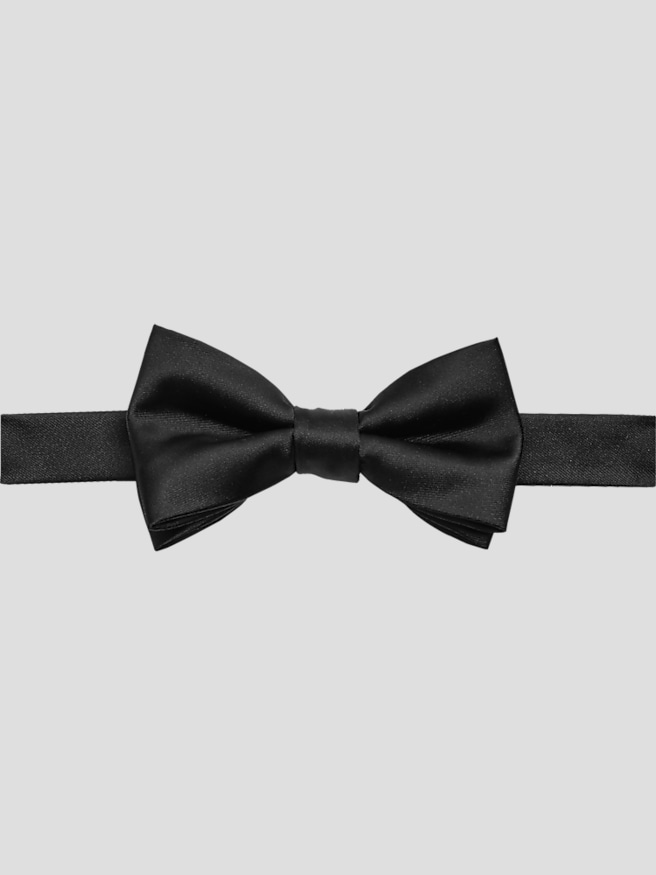
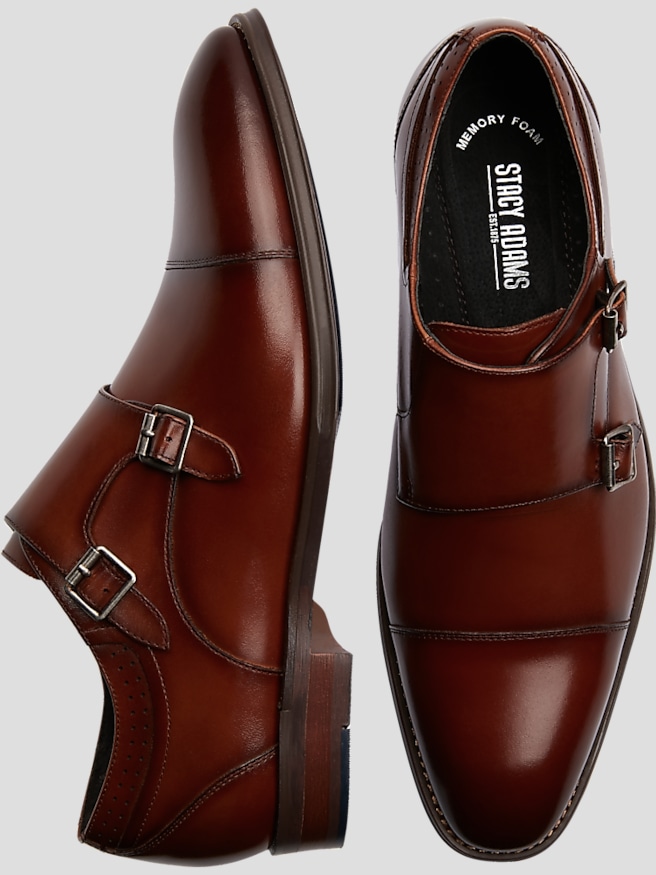
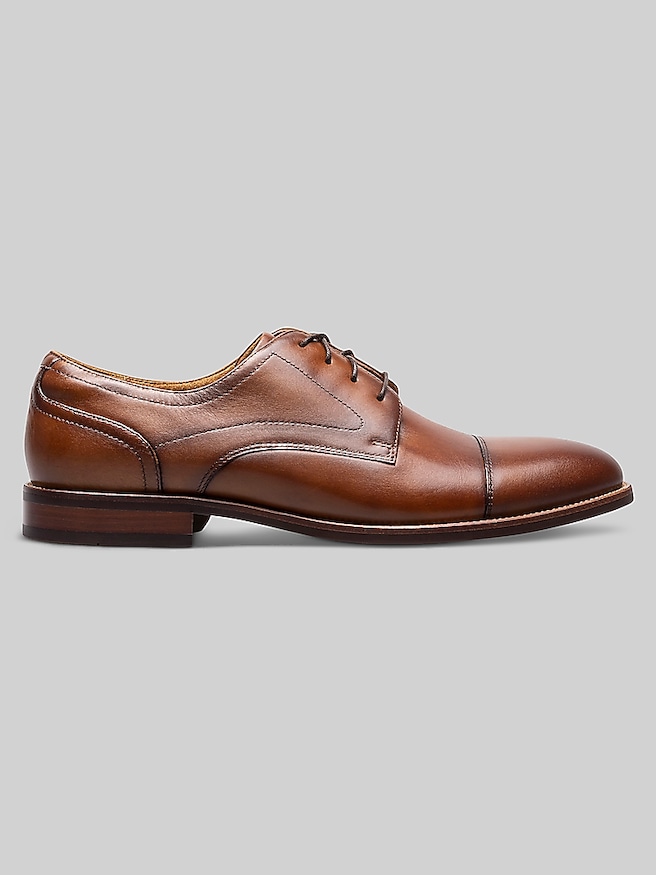
Satin formal shoes are dress footwear with a smooth, light-catching fabric surface, suited to weddings, galas, proms, and other occasions that call for polished evening attire. Their appeal comes from a distinctive sheen: softer than the mirrorlike shine of patent leather, yet more luminous than most matte fabrics. Under ballroom lighting, satin brings depth to black footwear and a subtle glow to lighter shades without needing elaborate decoration. The word satin describes a weave rather than a single fiber, so the fabric may be made from silk, polyester, or a blend, with its composition influencing feel, care requirements, and resistance to wear. A satin-covered upper also differs from a leather shoe with satin trim; the amount and placement of fabric affect both the overall appearance and the attention needed to keep it looking fresh. In men's evening footwear, slipper-inspired silhouettes and streamlined loafers offer a natural setting for satin, while a bow, piping, or a neatly shaped vamp can add distinction without overwhelming a tuxedo. A clean, rounded or gently tapered toe usually creates a balanced line beneath formal trousers. Black satin has a particularly close connection to evening dressing, complementing the satin facing often found on tuxedo lapels and trouser stripes. Deep navy can create a tonal effect with dark blue tailoring, while ivory and champagne bring a lighter appearance to wedding attire where the dress code allows. The strongest combinations share a level of formality rather than an exact match in shine. Satin shoes can suit a groom, a wedding guest, a prom attendee, or anyone dressing for an elegant celebration, provided the footwear fits the occasion's expectations. Their fabric finish makes them especially appealing for indoor settings, from a ceremony in a historic venue to a seated dinner followed by dancing, where their texture can stand out without exposure to rough paths or damp ground.
The best fit for satin formal shoes leaves enough room for the toes while keeping the foot secure through a full evening. A sleek profile should come from the shoe's shape, not from squeezing into a narrower size. Satin-covered footwear generally should not be expected to stretch and mold to the foot in the same way as an unlined leather upper, particularly when the fabric sits over a structured backing. For a slip-on shape, a comfortable instep and steady heel hold matter as much as length; repeated slipping can cause friction and make walking feel less assured. Lace-up construction, when used, allows more adjustment across the top of the foot. Trying formal footwear with the socks intended for the occasion gives a more useful sense of fit than trying it barefoot or with thick everyday socks. Fine dress socks can maintain a smooth line beneath tuxedo trousers, while seams that press against the toes may become distracting after several hours. The interior deserves as much attention as the exterior: a smooth lining, stable heel, and cushioning beneath the ball of the foot can make a meaningful difference during a receiving line, a long ceremony, or time on the dance floor. Sole construction matters, too. Leather soles offer a traditional appearance, while some rubber soles or discreet rubber inserts can provide additional grip; traction still depends on the surface and the shoe's design. A low, broad heel tends to feel stable, and a well-balanced shoe should flex near the ball of the foot rather than collapse through the middle. With tailoring, trouser hems that skim the upper help reveal the satin without bunching over it. A restrained shoe can echo glossy lapels, while pronounced bows or embellishments make the footwear more of a focal point. For celebrations in warmer settings, Summer Formal Shoes offers a related seasonal perspective, though lining, construction, and fit remain more useful indicators of comfort than the satin finish alone.
Satin rewards thoughtful handling because its smooth surface can reveal water marks, snags, and abrasion more readily than many everyday shoe materials. Its durability depends on the fiber, weave density, backing, seams, and construction, so sheen alone says little about how a pair will hold up. Close, even stitching and securely finished edges are useful details, especially around the opening and any decorative trim. Indoor formal occasions are typically a better match than outdoor routes over gravel, wet lawns, or salted sidewalks during the cooler months. For a venue with an exposed entrance or a lengthy walk from parking, traveling in another pair and changing indoors can preserve the fabric's appearance. Care should follow the footwear maker's instructions, since a method suitable for one satin upper may leave a mark on another. Loose dust can often be lifted with a clean, very soft brush or dry cloth, using light pressure rather than vigorous rubbing. A fresh spill is best blotted gently with a clean, absorbent white cloth; scrubbing can spread the stain or disturb the weave. Water and cleaning solutions should not be applied broadly without checking the care guidance and testing an inconspicuous area. Leather polish, harsh soap, and direct heat are generally unsuitable for satin-covered surfaces, and persistent marks may need attention from a professional familiar with fabric footwear. After wear, allowing shoes to air out away from radiators and strong sunlight helps protect both the upper and the interior. Gentle support from clean, unprinted tissue can help maintain shape, while separate soft shoe bags reduce rubbing against buckles, soles, or other footwear during storage and travel. These habits make particular sense for shoes reserved for milestone occasions rather than daily commuting. As a gift for someone preparing for a wedding or another formal celebration, satin footwear feels personal and occasion-specific, but accurate sizing and a clear sense of the recipient's preferred silhouette are essential. Chosen with fit, setting, and upkeep in mind, satin formal shoes bring a deliberate finishing touch to evening attire: a quiet gleam beneath a trouser hem, enough character for photographs, and a refined texture that complements the ceremony of dressing well.