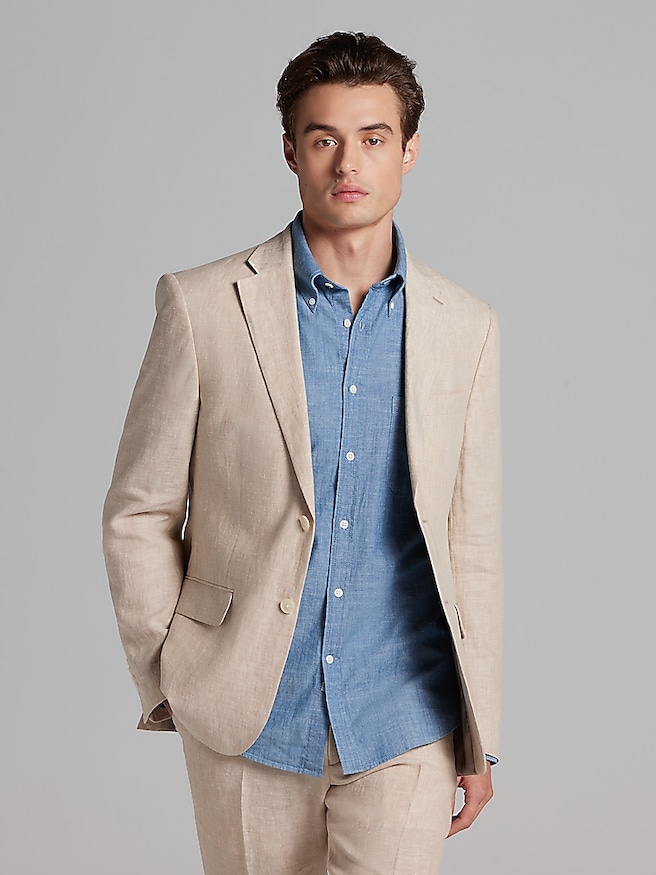
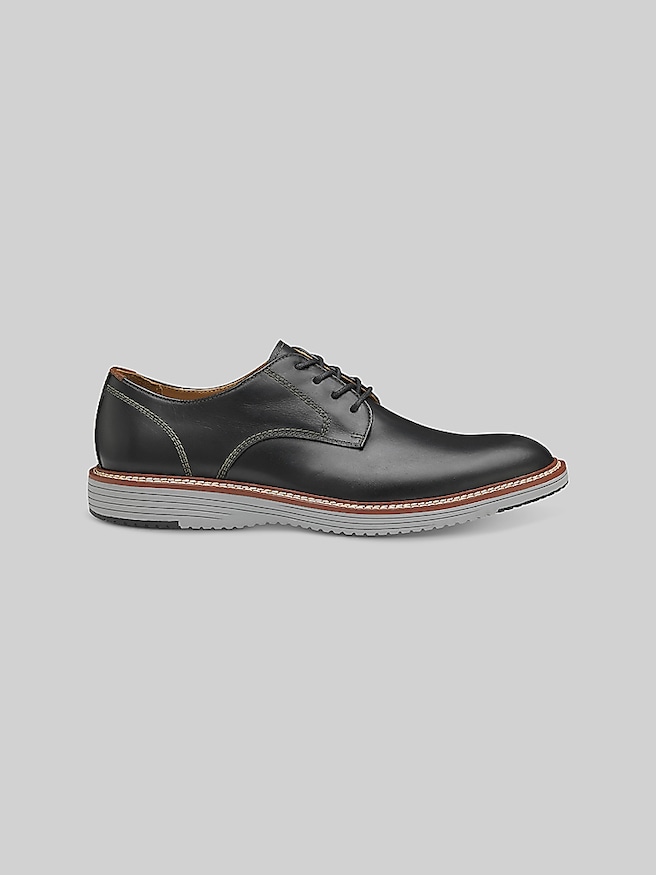
Summer formal shoes bring a polished finish to tailored clothing while accounting for the lighter fabrics, outdoor settings, and long celebrations often associated with summer dressing. The strongest choices balance an appropriate level of formality with a comfortable fit, manageable weight, and materials suited to extended wear. Leather oxfords offer clean lines and closed lacing that complement business suits and traditional occasionwear, while derbies have a slightly more open profile that works well with many tailored outfits. Streamlined loafers can suit less traditional receptions, dressy dinners, and celebrations where the dress code allows a more relaxed interpretation of formal style. For black-tie occasions, sleek black lace-ups in highly polished leather or patent leather remain a traditional match for a tuxedo; casual slip-ons and heavily textured finishes usually belong in less formal settings. Color makes an equally important contribution. Black creates a crisp, restrained finish with charcoal, black, and many navy ensembles, while dark brown brings depth to navy, medium blue, and lighter neutral suits when the occasion permits. Lighter brown shades create more visible contrast and generally feel less formal, particularly against pale trousers. Coordinating shoes with summer formal wear means considering the complete silhouette rather than matching every accessory exactly. A leather belt in a similar color family can create continuity, while a neatly finished trouser hem allows the shape of the shoe to remain visible. Subtle stitching, a balanced toe shape, and a relatively slim sole help footwear sit naturally beneath tailored trousers without overwhelming lightweight fabric. A garden ceremony followed by an indoor dinner calls for a different balance than an evening ballroom reception, even when both occasions involve a suit. The setting, invitation, and expected amount of walking help establish whether understated lace-ups, refined loafers, or a particularly formal polished finish will feel most at home. For wedding guests, graduates, and professionals attending summer events, that balance keeps the overall outfit intentional from the first arrival through the final photograph.
Materials and construction influence how summer formal shoes feel as much as how they look. Smooth leather provides a versatile dress finish and can develop an attractive patina with proper care, while suede introduces a softer texture better suited to occasions with a flexible dress code. Patent leather delivers a distinctive shine for formal eveningwear, although that finish alone says little about how breathable a shoe will feel. Comfort depends on the entire construction, including the upper, lining, footbed, and sole. A leather lining can absorb some moisture, and a flexible upper may feel less restrictive across the forefoot, but neither replaces a fit that accommodates the foot comfortably. Full-grain leather can offer durability and character, though its initial feel varies with thickness and finishing. A softer leather may feel accommodating from the beginning, while a more structured upper can take longer to settle. Neither should require enduring painful pressure. The heel should feel secure, the widest part of the foot should align with the widest part of the shoe, and the toes should have room without sliding forward at every step. An elongated dress-shoe toe may leave unused space beyond the toes by design; secure support through the heel and midfoot matters more than filling that space. Lace-up styles allow some adjustment across the instep, while loafers depend more closely on the shape of the opening and heel. Trying shoes with the socks intended for the occasion gives a more useful sense of fit than trying them barefoot or with thick athletic socks. Fine-gauge dress socks maintain a clean line beneath trousers, and low-cut socks can create a bare-ankle appearance with loafers where the dress code permits. Traditional formal eveningwear generally calls for dark dress socks instead. For events that involve standing through a ceremony, crossing a courtyard, and spending hours at a reception, secure heel hold and enough forefoot room are more useful than softness alone.
The sole and finishing details also affect how well dress shoes suit a summer occasion. Leather soles create a traditional, streamlined profile, while discreet rubber soles or rubber inserts may provide additional grip and cushioning without making the shoe look overly casual. Smooth new soles can feel slippery on polished floors, and no dress sole performs equally well on marble, gravel, grass, and pavement. Outdoor venues bring practical considerations: damp lawns can mark delicate materials, pale dust can show against dark uppers, and uneven paths place greater demands on fit and stability. A modest heel, balanced shape, and secure fastening can make those transitions feel more manageable. Durability comes from the combination of sound construction, appropriate use, and consistent care rather than a single material claim. Welted construction may allow resoling when the upper remains in good condition, while other constructions can offer flexibility or a lighter feel; repair options depend on the individual shoe. Routine care helps preserve both appearance and structure. Smooth leather benefits from removing surface dust, using a suitable conditioner when needed, and applying a compatible cream or polish to maintain the finish. Suede requires a suitable brush and material-specific care, while patent leather needs gentle cleaning that protects its glossy surface. After a long event, allowing shoes to air out before storage helps moisture dissipate. Once excess moisture has cleared, properly sized shoe trees can help maintain shape between wears. Direct heat can damage leather, so drying beside a heater or in strong sunlight is best avoided. Rotating pairs also gives linings and uppers more time to dry between outings. Summer formal shoes can become useful wardrobe foundations beyond a single celebration, serving at client dinners, ceremonies, and other occasions that call for tailored clothing. They can also make a thoughtful gift for a graduate or someone building a professional wardrobe, especially when the recipient’s size and preferred fit are already known. An understated shape, versatile color, and comfortable construction give a pair lasting relevance well beyond its first event.