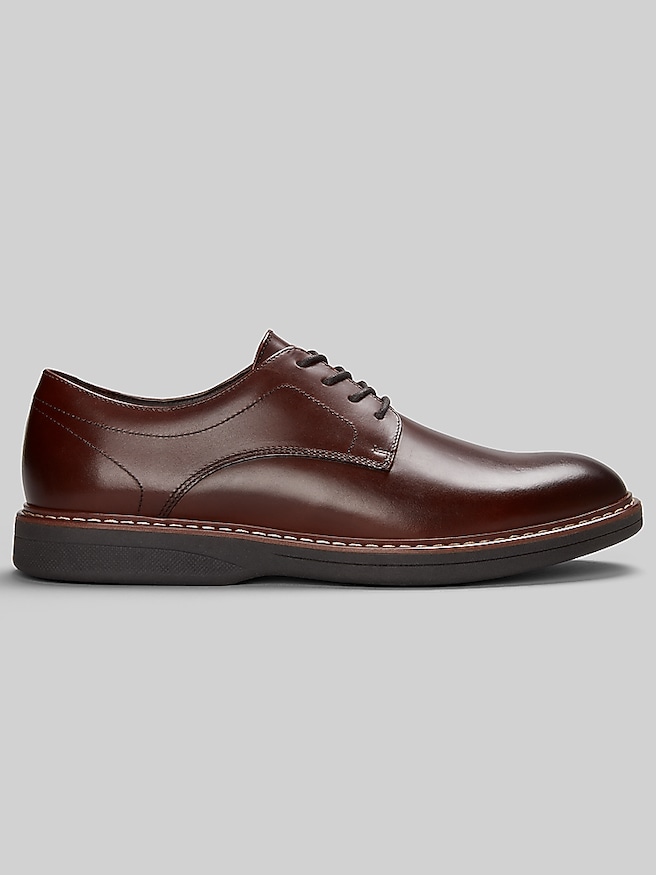
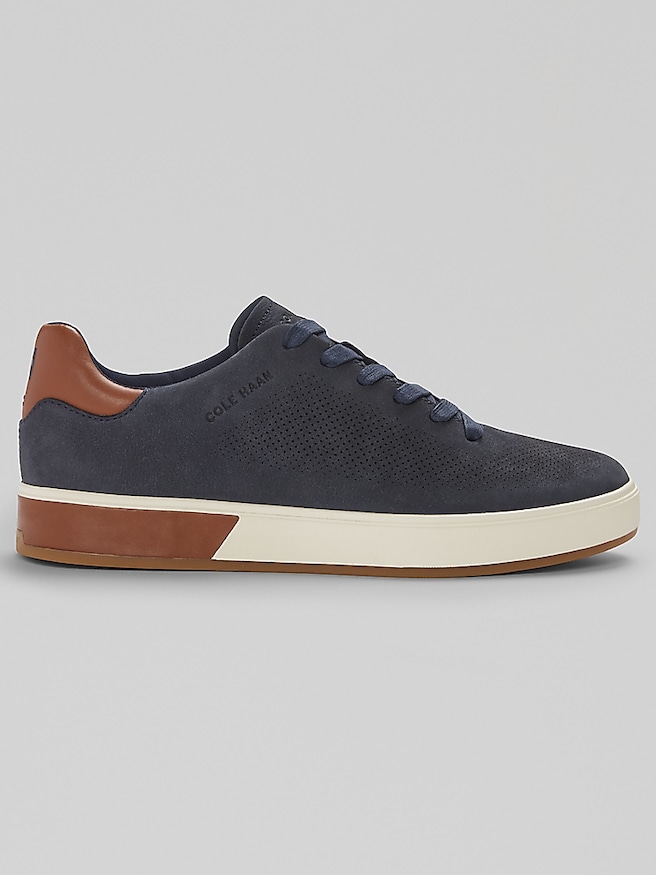
Semi-formal sneakers, often called dress sneakers, combine a clean, streamlined appearance with the flexible feel of casual footwear. Their defining features are usually a low-profile shape, restrained detailing, and an upper that looks polished alongside tailored clothing. The term describes a sneaker style rather than a universal dress-code standard: traditional semi-formal occasions generally call for dress shoes, while some workplaces, restaurants, and celebrations welcome a more relaxed interpretation. That distinction makes these sneakers especially useful for occasions where looking put together matters but conventional dress footwear is not required. A smooth upper, neat stitching, tonal laces, and a modest sole create a quieter impression than oversized cushioning, bold graphics, or strongly contrasting panels. White and off-white can bring a crisp finish to navy trousers or a gray blazer; black, brown, and other subdued shades can blend more closely with the rest of an outfit. Color alone does not determine how dressy a sneaker looks, though. A narrow silhouette and tidy finish often make more difference than whether the shoe is light or dark. Semi-formal sneakers sit comfortably between everyday athletic footwear and traditional lace-up shoes, giving chinos, tailored separates, and unstructured jackets a less rigid feel. They can suit an office with a flexible dress policy, dinner after work, a gallery opening, or a wedding reception where the hosts have specifically welcomed sneakers. With a suit, the effect is intentionally relaxed, not equivalent to a classic dress-shoe pairing. Trouser length helps establish that balance: a clean hem with little excess fabric allows the shape of the shoe to remain visible instead of disappearing beneath a heavy break. Slim or straight trousers generally create an easy transition into a streamlined sneaker, while very wide hems can overwhelm a low-profile design. The strongest combinations look considered from top to bottom, with footwear that echoes the simplicity of the clothing rather than competing with it. Clean laces and well-kept soles matter just as much as the original design.
Materials influence both the appearance of dress sneakers and how they feel through a full day. Smooth leather can provide a structured surface that complements tailored fabrics, although softness, weight, and flexibility vary with the leather and construction. Suede has a softer, matte texture that pairs naturally with textured trousers and relaxed tailoring, but its raised nap requires a different care routine. Textile and knit uppers can offer a lighter, more casual appearance; a compact weave and minimal overlays tend to look more understated than an overtly athletic construction. Synthetic uppers vary widely in flexibility and breathability, so the material description matters more than assuming that every smooth finish will perform alike. Inside the shoe, lining texture, seams, and the shape of the footbed all affect comfort. Cushioning may soften each step, but a thick padded interior cannot compensate for the wrong size or a toe box that presses against the foot. A suitable fit leaves room for the toes to move without letting the foot slide forward, holds the heel securely without rubbing, and feels comfortable across the widest part of the forefoot. Trying sneakers with the socks intended for the outfit gives a more useful sense of fit than relying on size alone. Low-cut socks create a different feel from thicker crew socks, and either can change how closely the upper sits against the foot. Feet also need support that matches the planned use: an afternoon at a desk is different from an evening spent standing, walking between venues, and waiting for transportation. Flexible soles can make movement feel natural, while a stable base helps the shoe feel settled underfoot. Outsole traction depends on the rubber compound, tread, surface, and wear, not simply on the presence of a rubber bottom. For anyone who uses personal insoles, removable footbeds and sufficient interior depth are useful details to check rather than assume. Good initial comfort matters; persistent pinching or slipping is not something to dismiss as a necessary break-in period.
The lasting appeal of semi-formal sneakers depends on how well their shape and finish hold up to repeated use. Even stitching, secure attachment between the upper and sole, neatly finished edges, and reinforcement around frequently stressed areas can all be useful construction details. No single feature guarantees durability, but the way those elements work together affects how a shoe handles bending, walking, and regular wear. Creasing is normal in many leather uppers, particularly where the foot flexes; cracking, separation, and a worn-down tread call for closer attention. Regular care helps preserve the understated appearance that makes this category work with dressier clothing. Loose dirt is easier to remove before it becomes embedded, and cleaning methods should match the upper rather than treating leather, suede, and fabric as interchangeable. Smooth leather may benefit from an appropriate cleaner and conditioner when recommended by the manufacturer. Suede generally needs a suitable brush and products intended for its nap, while textile care depends on the specific material and construction. Machine washing is not a safe assumption, even when a sneaker looks similar to an athletic shoe. Gentle cleaning around the sole edge, fresh laces when needed, and natural air-drying away from direct heat can keep the overall finish looking considered. Allowing shoes to dry between wears also helps manage interior moisture, and storing them without crushing the uppers protects their shape. These practical details matter for someone building a versatile work wardrobe, simplifying footwear for a trip, or finding a comfortable alternative for dress-code-flexible gatherings. As a gift, dress sneakers can suit a graduate starting an office role or someone who regularly wears tailored separates but prefers a relaxed finish; knowing the recipient’s size, width, and usual dress expectations is more useful than guessing from appearance alone. For occasions that require a more traditional footwear choice, Summer Formal Shoes offers a related category to consider. The right distinction is not simply casual versus polished, but whether the shoe’s construction, condition, and styling fit the setting where it will be worn.