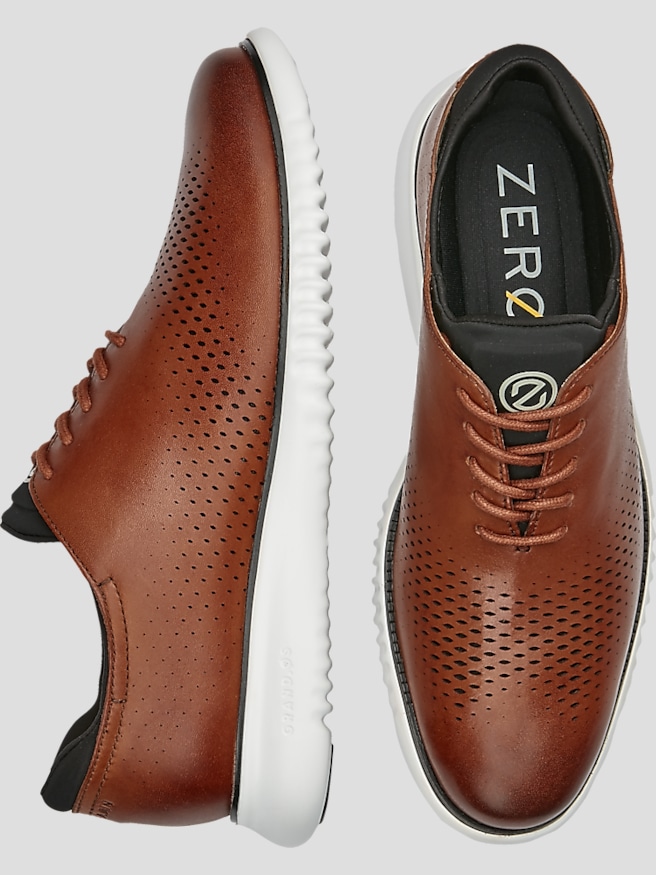
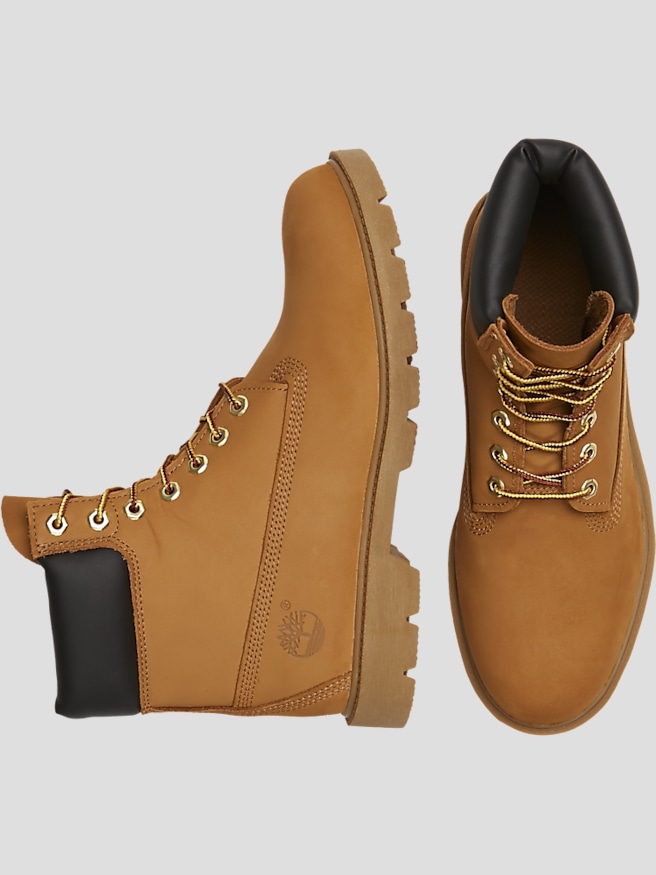
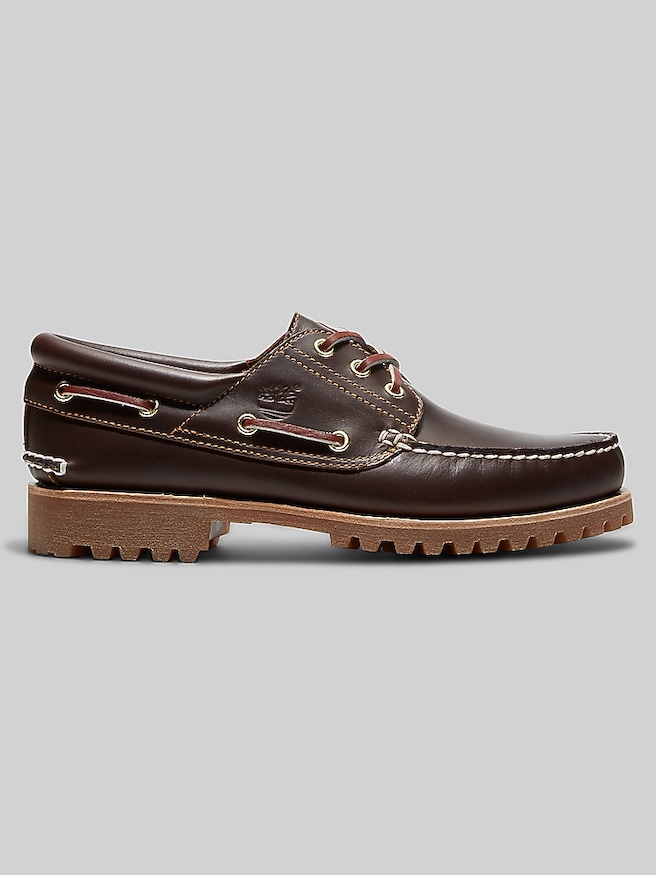
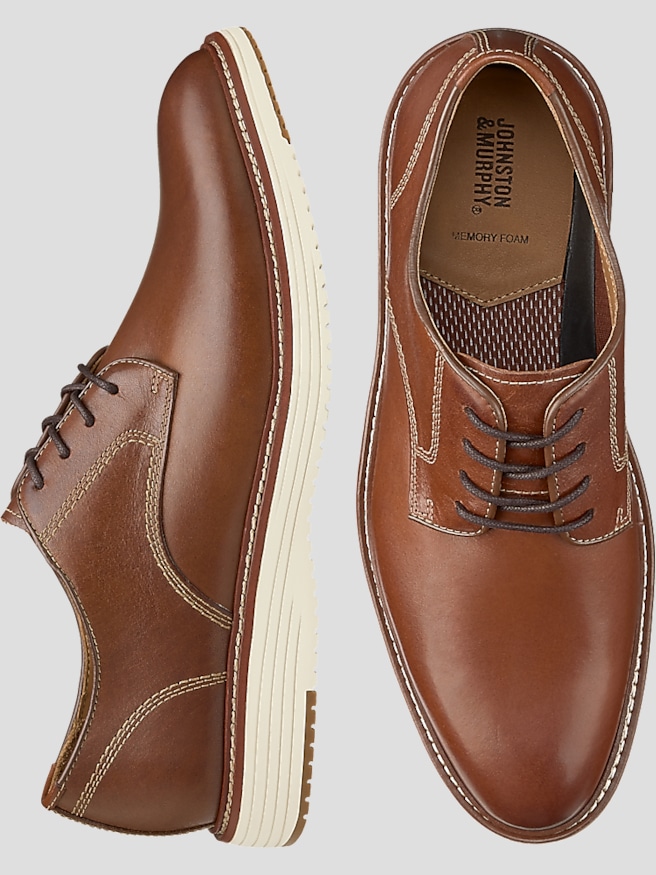
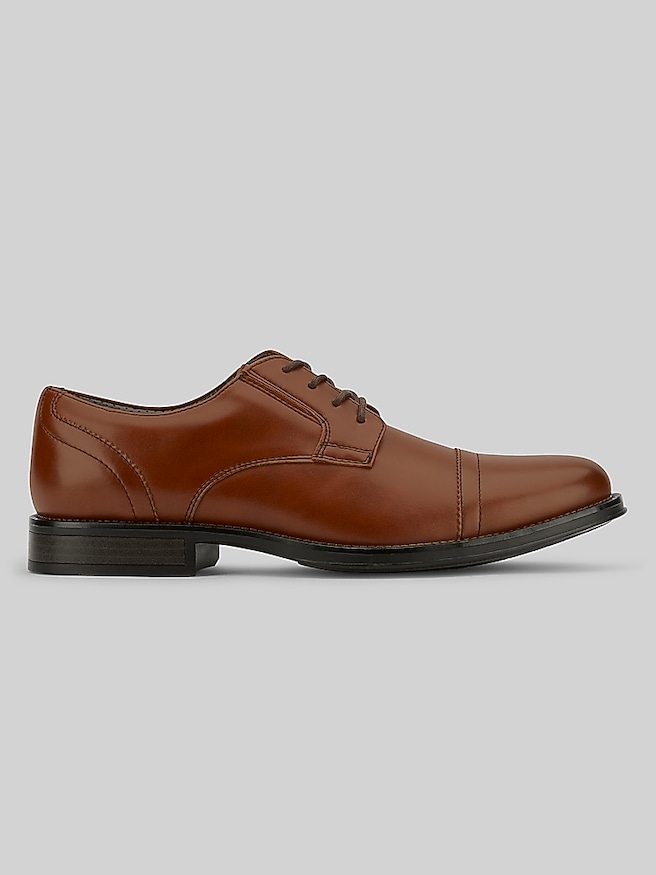
Professional work shoes help create a polished first impression while supporting the long hours, busy commutes, and changing demands that come with a workday. The right pair can bring together the structure of formal footwear and the comfort needed to move confidently from an early meeting to an evening event. Traditional Oxfords and Derbys are dependable choices for offices with a formal dress code, presenting a clean profile beneath tailored trousers and coordinating naturally with suits. Oxfords typically have a more streamlined, refined appearance, while Derbys offer a slightly more relaxed feel with open lacing and a little extra visual ease. Loafers provide another versatile option for professional wardrobes, especially when a slip-on style makes rushed mornings or frequent travel simpler. Their low-profile shape works with dress pants, chinos, and more relaxed tailoring, making them useful across business formal and business casual settings. Chelsea boots and other refined dress boots can add coverage during cooler months while maintaining a sharp appearance, particularly when finished in smooth leather or another polished, easy-care material. Neutral shades such as black, brown, and deep burgundy are especially practical because they coordinate with a broad range of trousers and suits. Black shoes tend to look most formal and pair naturally with charcoal, black, and navy tailoring, while brown shoes can bring warmth to navy, tan, gray, and earth-toned outfits. Building a professional wardrobe around a few adaptable silhouettes makes it easier to dress appropriately for presentations, interviews, client appointments, conferences, ceremonies, and everyday time at the office. For additional wardrobe coordination, explore Professional Shoes and consider how each style will work with the clothing already in the closet.
Comfort is just as important as appearance when choosing shoes for professional work. A pair may look excellent on a store shelf, but the true test comes after several hours of walking, standing, commuting, or sitting through back-to-back appointments. Look for a well-constructed footbed with cushioning under the heel and forefoot, along with dependable arch support that helps distribute pressure more evenly. A supportive heel counter can help the foot feel secure, while a flexible sole allows a more natural stride without making the shoe appear casual. Fit should leave enough room for the toes to move without allowing the heel to slip, and trying shoes on with the socks typically worn to work can make a noticeable difference. Leather uppers are a popular choice for professional footwear because they offer a refined finish, shape comfortably over time, and can often be refreshed with regular cleaning and conditioning. Other durable materials may provide easy care, flexibility, or added resistance to scuffs. Pay attention to the sole as well: a rubber or textured outsole can offer useful traction on slick sidewalks, polished floors, and rainy parking lots, while a lightweight construction may reduce fatigue during a long shift. Workers in healthcare, hospitality, retail, warehouses, kitchens, construction, and other active environments may need features beyond traditional office footwear. Slip-resistant soles, water-resistant materials, reinforced construction, and safety toes can be essential where spills, uneven surfaces, heavy equipment, or workplace regulations are part of the job. Dress shoes designed for an office should not be treated as a substitute for occupational footwear when a workplace requires certified protection. For those who spend most of the day on their feet, comfort-focused details can be the difference between finishing a shift comfortably and arriving home with sore arches and tired legs.
Professional work shoes can also make a thoughtful gift for someone starting a new job, returning to the office, preparing for interviews, or building a first business wardrobe. A versatile pair in a classic color is useful for a recent graduate, a colleague beginning a career, or a loved one whose responsibilities now include more client-facing meetings. When selecting a gift, consider the recipient’s workplace, daily routine, preferred fit, and existing clothing rather than choosing only by appearance. Someone who walks several blocks to work may appreciate cushioning and traction, while someone attending formal meetings may value a sleek Oxford or refined Derby. A person moving between office and casual settings may get more use from a loafer or polished Chelsea boot. During warmer weather, breathable construction and lighter lining can make professional dressing more comfortable, while cooler conditions may call for a covered dress boot, water-resistant finish, or sturdier sole. Care also helps a good pair remain presentable: brushing away surface dirt, addressing moisture promptly, using appropriate conditioner on leather, and allowing shoes to rest between wears can preserve their shape and finish. Shoe trees may help reduce creasing in structured leather styles, and rotating between two pairs gives each pair time to air out. Whether the goal is a confident interview outfit, a reliable daily uniform, or comfortable footwear for a demanding shift, professional work shoes should balance appearance, support, durability, and the realities of the wearer’s day. A polished silhouette earns its place in the wardrobe when it feels as good at the end of the workday as it did when the morning began.