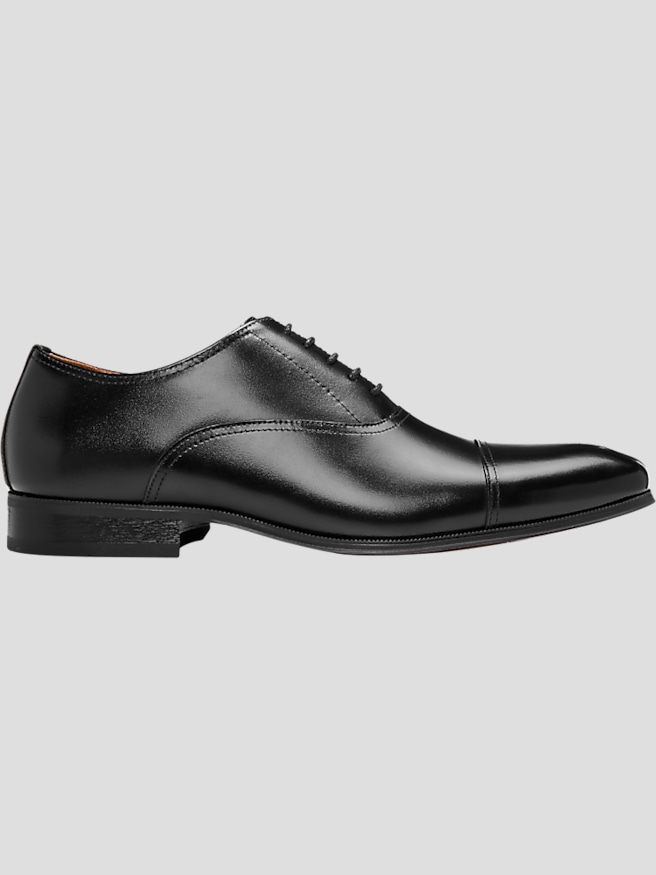
Fashionable work shoes bring a considered finish to the clothes worn for presentations, client meetings, interviews, and everyday office routines. Their appeal is not limited to a polished toe or a sleek profile; the right pair makes the whole outfit feel intentional without drawing attention away from the person wearing it. In a formal workplace, lace-up shoes with a clean silhouette sit naturally beneath tailored trousers, especially when the hem falls neatly over the upper rather than bunching around the ankle. Oxfords have a close, streamlined appearance, while derbies offer a slightly more open look that works with both suits and less structured outfits. Loafers introduce an easy refinement to chinos, knit polos, and sport coats, and monk straps add a distinctive detail without relying on elaborate decoration. Black leather creates a crisp foundation for charcoal or gray tailoring, while shades of brown can bring depth to navy trousers, tan chinos, and textured fabrics. Burgundy offers another understated option, with enough richness to stand apart while remaining suitable for many professional settings. Details matter at this scale: a restrained cap toe can feel precise and traditional, while brogue perforations give a shoe more visual texture. A substantial sole makes a stronger statement than a slim one, which can change how the same trousers look from the ankle down. For someone moving between a desk, a conference room, and an off-site appointment, Professional Work Shoes can provide a wardrobe foundation that balances appearance with the demands of a working day. The appropriate level of formality depends on the setting. A conservative office may call for simple leather lace-ups, while a creative workplace may leave room for suede, chunkier profiles, or a refined sneaker shape. In each case, the most convincing combinations share a sense of proportion: footwear substantial enough for the trousers, detailing that suits the dress code, and a finish that looks cared for rather than overly conspicuous.
Materials and construction influence how work shoes look, feel, and hold their shape through repeated wear. Smooth leather offers a defined surface that can be cleaned and polished, with natural creasing developing where the foot bends. Full-grain leather retains the hide’s natural surface character, while other leather finishes may create a more uniform appearance; neither the label nor the initial shine alone tells the entire story of comfort or durability. Suede has a softer visual texture that pairs especially well with chinos and less formal tailoring, though its nap calls for care suited to that material. Linings, seams, and the shape of the upper also affect the experience of wearing a shoe for several hours. A smooth interior can help limit rubbing, and a well-positioned flex point allows the shoe to bend near the ball of the foot rather than pressing across it. Fit involves more than having space beyond the longest toe. The heel should feel secure without pinching, the forefoot needs enough room to spread naturally, and the upper should hold the foot without creating concentrated pressure across the instep. A roomy toe shape is not the same as an oversized shoe, just as a sleek profile should not require a cramped fit. The socks normally worn to work can make a meaningful difference during a fitting, particularly when comparing thin dress socks with more cushioned options. Footbeds and midsoles may add cushioning, but softness alone does not guarantee lasting comfort; support, stability, and the overall shape need to work together. Outsoles contribute another part of the equation. Leather soles maintain a traditional dress-shoe appearance, while rubber soles can offer flexibility and grip, depending on their design and the surface underfoot. For a role that includes walking between buildings or standing through presentations, these less visible details can matter as much as the upper. Workplaces with protective-footwear rules require the relevant safety features and ratings; a fashionable appearance or textured sole is not a substitute for those specifications.
A dependable work-shoe wardrobe also accounts for what happens after the first wear. Shoes that spend hours under a desk still encounter dust, scuffs from chair bases, and creases from walking, and regular attention helps preserve their appearance. Smooth leather generally benefits from gentle cleaning followed by an appropriate conditioner or polish, used according to the material’s care directions. Polish can refresh color and improve the finish, but layers of product do not replace removing surface dirt first. Suede needs a suitable brush and material-specific treatment rather than the same cream used on polished leather. Cedar shoe trees can help maintain shape between wears, while a shoehorn reduces unnecessary strain on the heel when putting shoes on. Letting footwear rest between outings allows interior moisture to dissipate, and keeping shoes away from direct heat helps avoid damage to leather and adhesives. Construction plays a role in longer-term maintenance as well. Some stitched designs can be resoled by a qualified repair professional, although repair options depend on the particular construction and condition. Even where resoling is not practical, addressing a worn heel or loose stitching early may prevent a small issue from becoming a larger one. For daily use, the strongest choice is often a design that fits an actual routine: easy to coordinate with familiar trousers, comfortable for the distance traveled, and appropriate for the rooms where work happens. A streamlined pair can accompany someone from an interview to a first day in a new role, while a more relaxed shape may suit an established business-casual wardrobe. Work shoes can also make a thoughtful graduation or career-milestone gift when the recipient’s size, width, and preferences are known. The lasting appeal comes from that combination of personal style and practical usefulness. Refined footwear does not need to be ornate to feel distinctive; a balanced shape, a well-maintained finish, and a comfortable fit can give even a simple office outfit a clear sense of purpose.