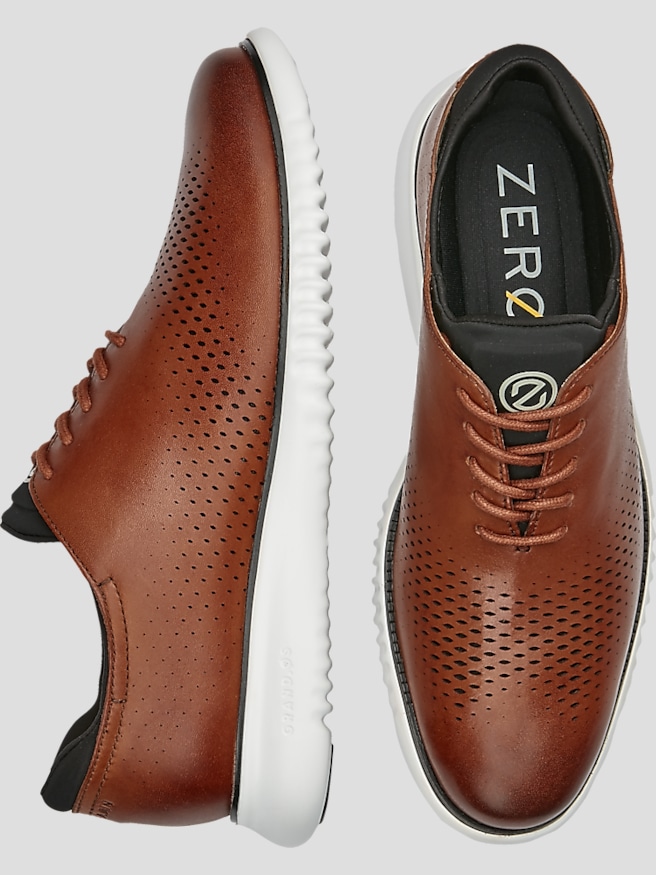
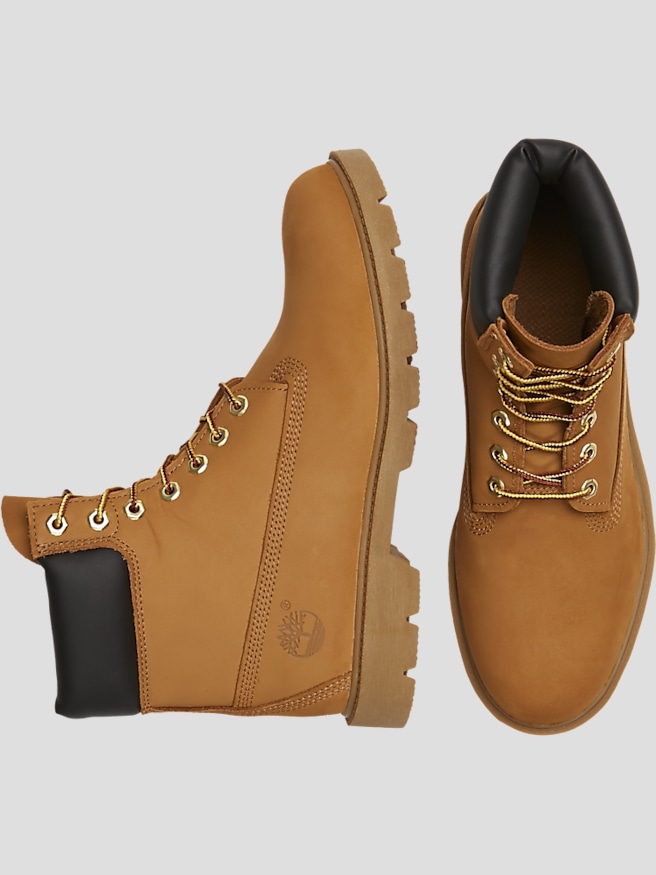
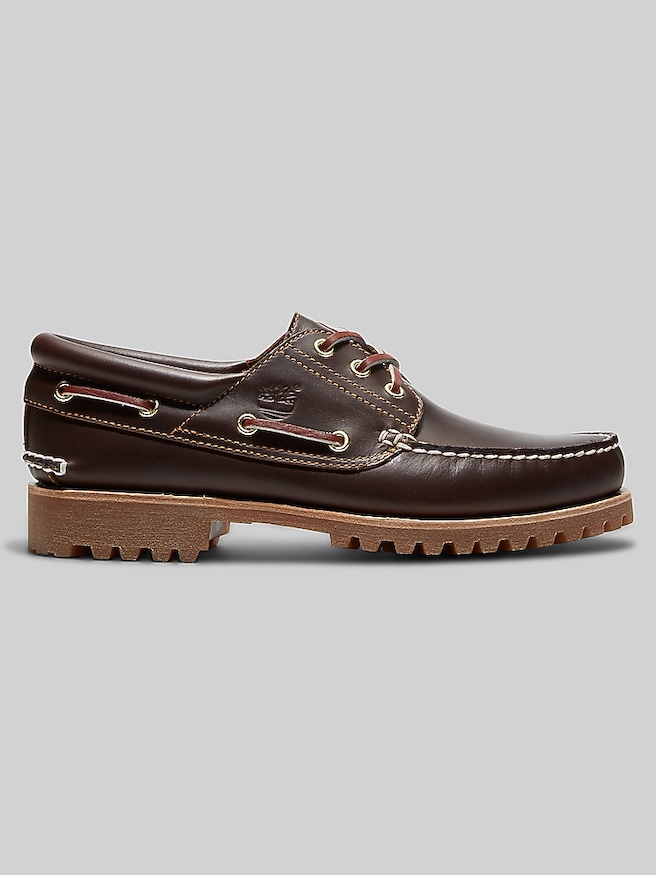
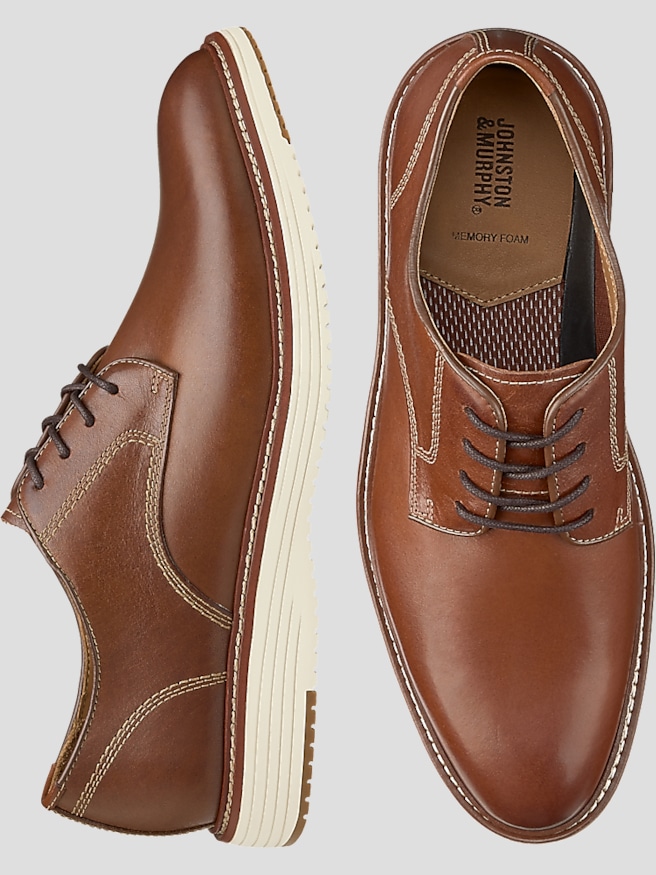
Comfortable work shoes are built for the realities of a full day on your feet: early commutes, long stretches of standing, hard floors, quick walks between departments and the final tasks that still need attention at the end of a shift. The right pair should feel supportive without looking overly technical, making it easier to move between professional settings and practical work environments. Start by considering how your shoes will be used. Office professionals may prefer a polished plain-toe or cap-toe silhouette with discreet cushioning, while retail associates, hospitality workers and healthcare employees often benefit from flexible uppers, shock-absorbing midsoles and slip-resistant rubber outsoles. For jobs that take place outdoors, in warehouses or around equipment, look for work shoes made with durable leather or similarly protective materials, along with reinforced construction and a safety toe when required by the workplace. Steel-toe and composite-toe designs can provide added protection, but workplace standards vary, so confirm which safety features your employer requires before purchasing. A water-resistant or waterproof finish is useful during the cooler, wetter seasons, especially for commutes across damp sidewalks or job sites exposed to changing weather. Inside the shoe, cushioning matters, but support should not be overlooked. A well-shaped footbed can help distribute pressure more evenly, while a firm heel counter and secure lacing keep the foot from sliding with each step. Arch support is especially important for people who spend most of the day standing, and shock-absorbing soles can make a noticeable difference on concrete, tile and other unforgiving surfaces. Shoes that combine these details with a flexible forefoot allow natural movement without sacrificing stability.
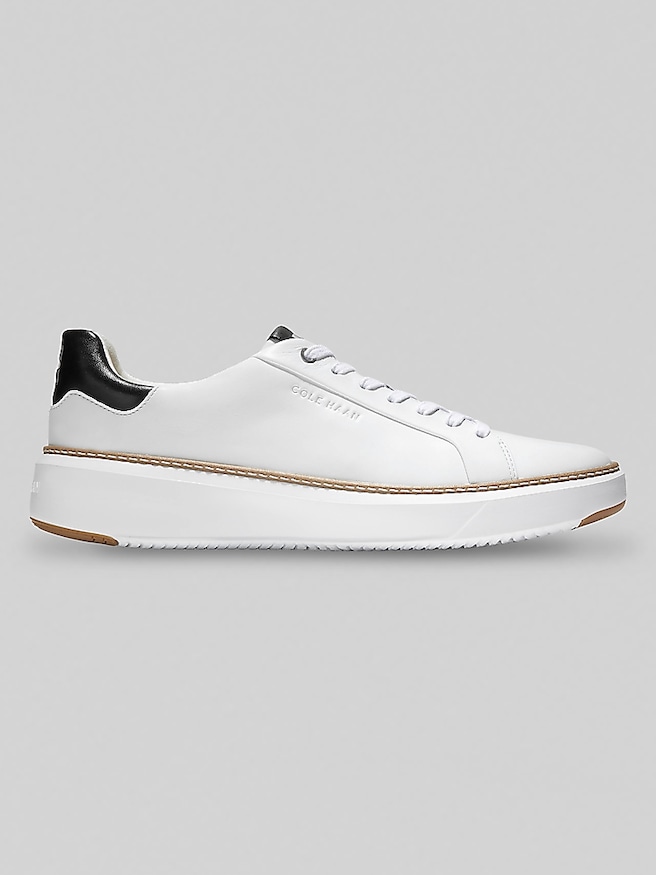
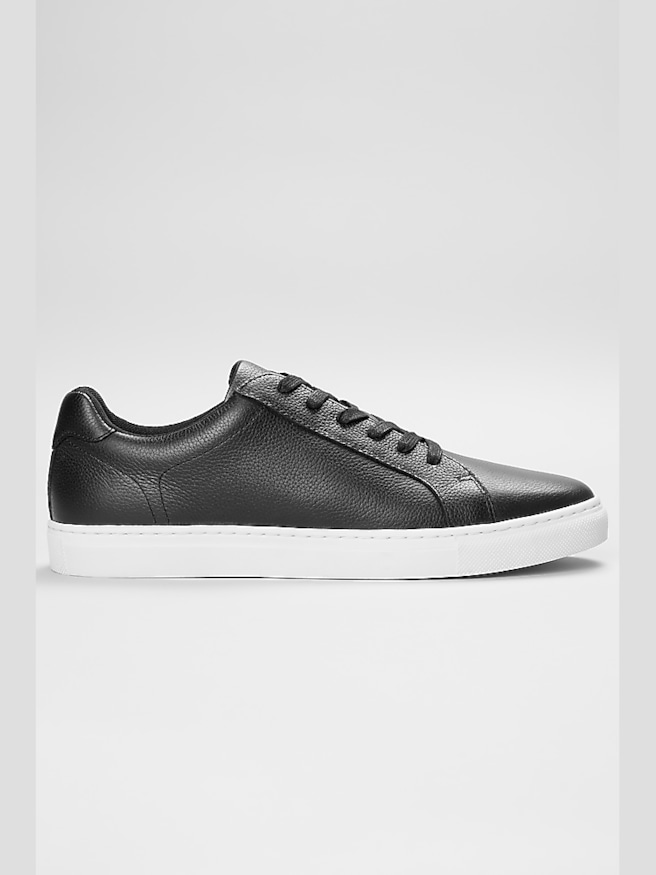
Fit is the foundation of comfortable work shoes, and a pair that looks ideal on the shelf can feel very different after several hours of wear. Try shoes on with the socks you expect to wear at work, preferably toward the end of the day when feet may be slightly swollen from normal activity. There should be enough room to move your toes without allowing the heel to lift excessively, and the widest part of the foot should rest comfortably within the shoe’s broadest point. A snug fit across the midfoot can improve stability, but tightness, pinching or pressure along the toes is a sign to try another size or shape. People with wider feet may appreciate styles offered in multiple widths, while those who use custom or removable insoles should check that the shoe has enough interior space. Pay attention to the outsole as well. A treaded rubber sole can improve traction on wet floors, polished surfaces and outdoor walkways, while a lighter, flexible sole may suit office settings where protection and grip are less demanding. Breathable linings and moisture-managing materials help keep feet more comfortable through long shifts, and smooth interiors can reduce irritation when shoes are worn for extended periods. Even the best work shoes benefit from a gradual break-in period. Wear them around the house or during shorter errands before taking them into a demanding shift, and alternate pairs when possible so each pair can air out fully. A simple rotation can help preserve the cushioning and shape of your shoes, while replacing worn insoles or cleaning the uppers can extend their useful life. For a professional wardrobe, neutral footwear is easy to coordinate with tailored trousers, chinos and uniform pieces. Black styles are especially versatile for formal dress codes and practical workwear; explore Comfortable Black Work Sneakers for an understated option that can move between the commute, the workplace and the rest of the day.
Comfortable work shoes also make a thoughtful gift for someone beginning a new job, returning to a hands-on schedule or preparing for a season of longer shifts. A pair chosen with the recipient’s routine in mind can feel personal and useful, whether they spend the day behind a counter, in a classroom, at a desk or on a busy floor. Before gifting, consider the dress code, required safety standards and the surfaces they encounter most often. Someone working in an office may value a cushioned oxford-inspired design that maintains a refined appearance, while a restaurant employee may need a slip-resistant outsole and an easy-to-clean upper. A person who walks or stands outdoors may appreciate water-resistant construction, a supportive insole and a sole with dependable traction. Seasonal comfort deserves attention, too. During the cooler months, thicker socks can change the fit, so shoes should leave enough room without feeling loose. Waterproof or water-resistant materials can help with wet pavement, while breathable construction remains useful when the day moves between heated interiors and chilly commutes. The most dependable pair is one that supports the wearer’s habits rather than simply matching a particular look. Consider how many hours the shoes will be worn, whether they need to be polished, how often they will encounter moisture or spills, and whether the wearer values slip-on convenience or the adjustability of laces. With the right combination of cushioning, arch support, a secure fit, durable materials and suitable traction, work shoes can make demanding days feel more manageable while maintaining a clean, professional appearance. From first steps on a cool morning to the walk home after a long shift, a comfortable pair should remain steady, practical and easy to wear.