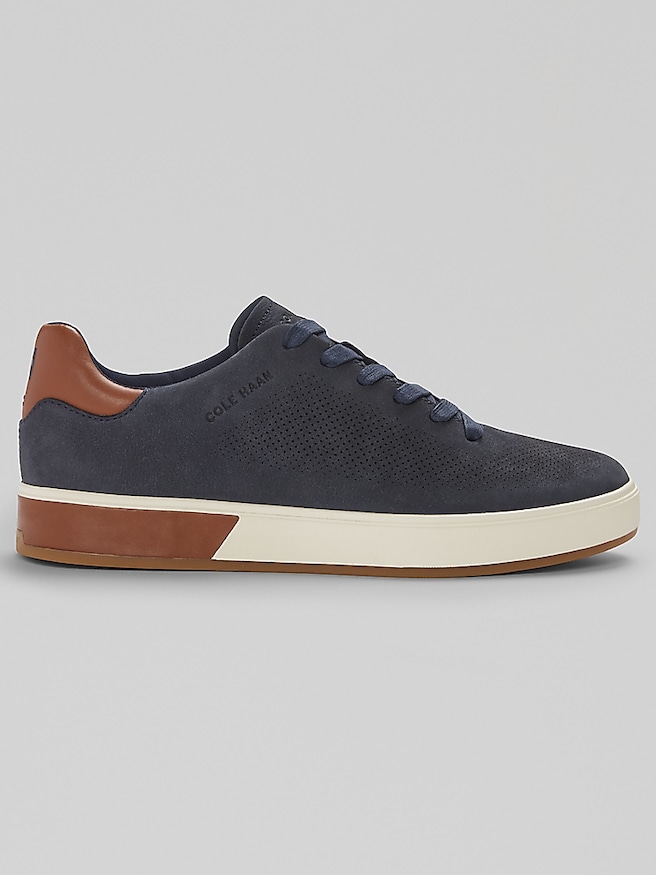
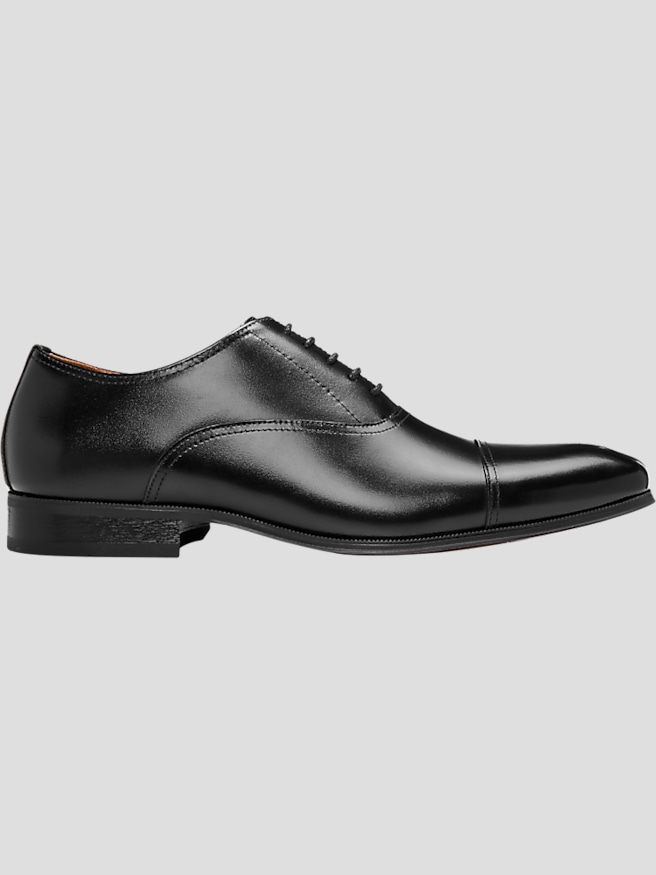
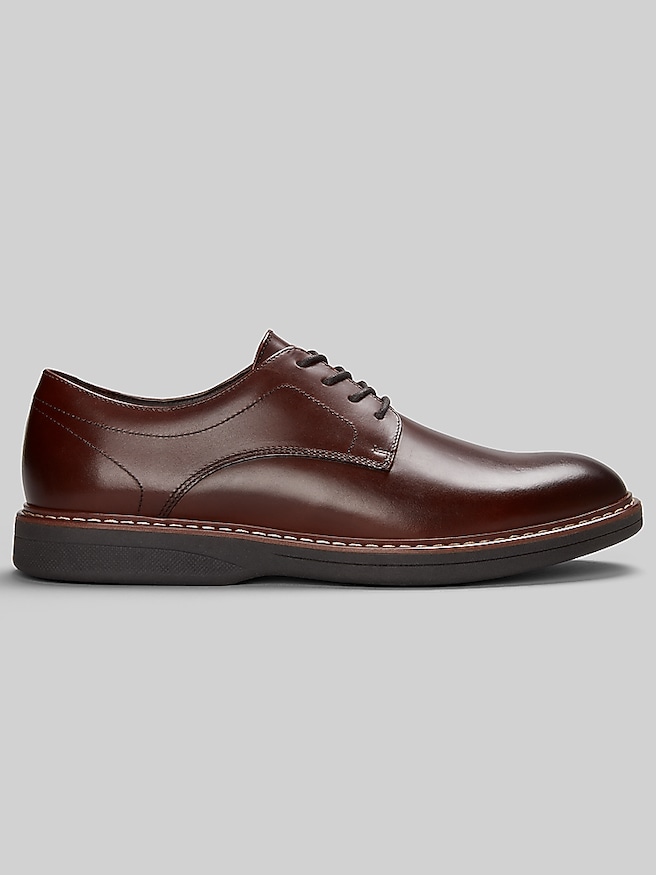
Comfortable work sneakers bring the easy movement of casual footwear into the working day, with designs that can feel appropriate beside tailored trousers, chinos, and relaxed office layers. The most useful combination is cushioning that softens each step, a stable base that does not feel wobbly, and a fit that keeps the heel secure without crowding the toes. Comfort means something slightly different at a desk than it does across a busy showroom or on a walk between buildings. Someone who spends most of the day seated may prefer a streamlined leather sneaker with moderate cushioning, while someone regularly moving between appointments may place greater value on flexibility, breathable construction, and an outsole built for repeated walking. Appearance matters, too: smooth uppers, restrained stitching, and a low-profile shape generally blend more easily with business casual clothing than oversized athletic detailing. Black, brown, navy, gray, and clean white can each work within an office wardrobe, depending on the dress code and the colors worn most often. A dark sneaker with a tonal sole creates a quieter finish beneath dark trousers; a lighter pair can give chinos and a knit polo a more relaxed feel. Trouser hems that fall neatly near the top of the shoe help preserve a polished outline without bunching over the laces. These details make work sneakers relevant for commuters, creative professionals, office teams, and people whose schedules move between sitting, standing, and walking. They are not automatically substitutes for protective footwear, however. A sneaker suitable for a casual office may be inappropriate for a kitchen, warehouse, construction site, or other setting with specific hazards. Required toe protection, slip resistance, electrical hazard protection, and other safety features depend on the workplace and must be confirmed through the footwear’s stated specifications and the employer’s requirements. An athletic appearance alone does not establish that a shoe meets a safety standard, and everyday traction should not be confused with tested slip-resistant performance.
Materials and construction influence how work sneakers feel after the first hour and how well they settle into a regular routine. Smooth leather can provide a structured, polished appearance and is often straightforward to wipe clean, while suede brings a softer texture that requires more careful maintenance. Knit and mesh uppers can encourage airflow and accommodate movement, though a highly flexible upper may feel less secure to someone who prefers more structure around the foot. Interior details deserve equal attention: rough seams, stiff collar edges, or a tongue that bunches beneath the laces can become distracting over a full day. A padded collar may soften contact around the ankle, but padding alone does not guarantee a secure heel fit. Underfoot, a cushioned midsole can help reduce the harsh feel of repeated steps on firm surfaces. Very soft cushioning is not always the most comfortable choice for prolonged standing, especially when it compresses enough to leave the foot feeling unstable. A balanced design pairs cushioning with a supportive platform and enough forefoot flexibility for a natural stride. Fit remains personal, even within the same labeled size. A comfortable toe box leaves room for the toes to spread without allowing the foot to slide forward, and the widest part of the foot should sit comfortably within the shoe rather than pressing against the sides. Laces offer useful adjustment across the instep, while appropriate width helps prevent the need to overtighten them for security. Trying sneakers with the socks normally worn to work gives a more realistic sense of fit; allowing for the foot’s natural expansion over the day matters as well. Removable insoles can be useful for people who wear orthotics, provided the shoe has sufficient depth and the replacement does not create pressure or heel slippage. Persistent pain, numbness, or recurring discomfort calls for professional evaluation rather than an assumption that extra cushioning will solve the problem. A shoe that fits well should feel comfortably secure from the start, not depend on a painful break-in period to become wearable.
Durability in work sneakers is less about a heavy appearance than about how the materials and construction handle ordinary repetition: the same walk from the parking lot, the same bend at the ball of the foot, and the same contact points beneath the heel. Outsole material, tread design, stitching, and the connection between the upper and sole all contribute to long-term performance. Reinforcement around high-friction areas can help limit wear, but added structure should not create hard edges or restrict comfortable movement. A practical work sneaker also suits the surfaces encountered most often. Smooth office floors, carpeted corridors, and paved sidewalks place different demands on the outsole, and no tread can guarantee secure footing on every surface. Regular care helps preserve both appearance and function. Loose dirt is easier to remove before it becomes embedded, and cleaning methods should match the upper: leather, suede, and textile materials do not all respond well to the same products or amount of moisture. Care-label directions take priority over a universal cleaning routine. Air-drying away from direct heat helps protect materials and adhesives, while opening the shoe and removing a removable insole can allow the interior to dry more thoroughly. Rotating between pairs gives each pair time to air out between wears. Compressed cushioning, uneven outsole wear, separation at the sole, or a noticeable change in support can signal that a once-comfortable pair is no longer performing as intended. For wardrobes that call for several levels of formality, Comfortable Work Shoes offers a broader category to consider alongside sneakers. The right choice supports the actual working day while fitting naturally with the clothes already worn. As a gift for a graduate beginning a new role or a partner refreshing a business casual wardrobe, work sneakers are most thoughtful when the recipient’s size, width, workplace expectations, and preferred level of support are already known.