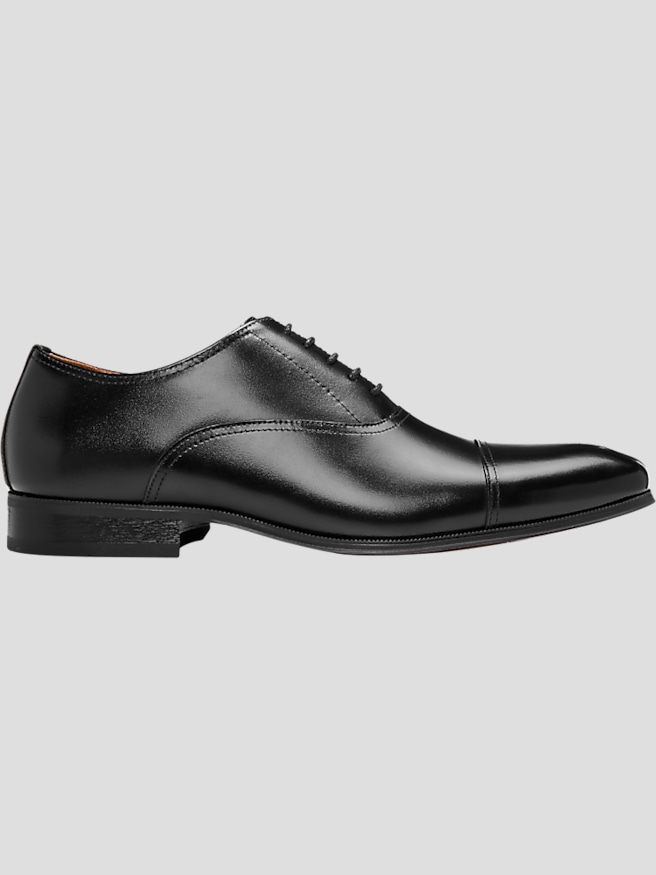
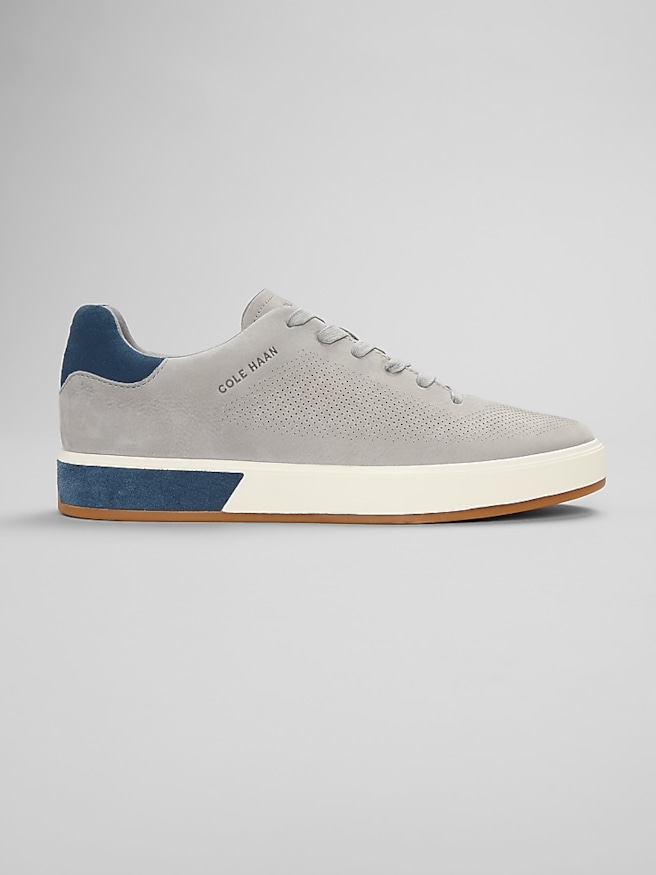
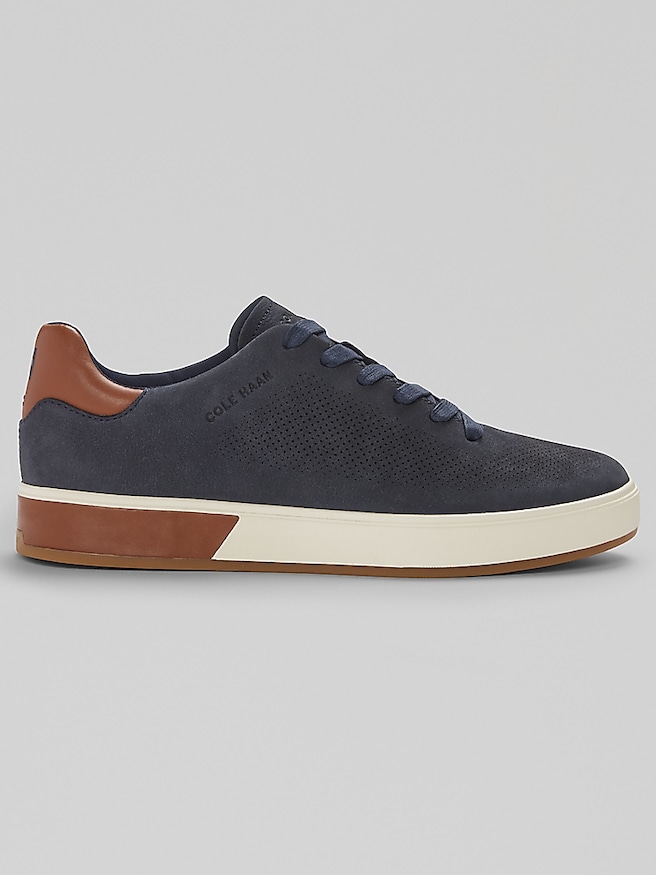
Comfortable black work sneakers bring together cushioning, a secure fit, dependable support, and a clean appearance that suits many everyday work settings. Their appeal goes beyond the convenience of a dark color: a well-designed pair can feel easy to move in while looking understated enough for an office, a customer-facing role, or a workplace with a casual dress code. For someone moving between a desk, meeting rooms, and a parking garage, comfort involves both the softness underfoot and the stability of the shoe through each step. For someone spending much of a shift on their feet, the fit around the heel, room across the forefoot, and flexibility at the ball of the foot can be just as important. Black uppers and dark soles create a particularly discreet profile, while contrasting soles or prominent athletic details give the same general silhouette a more casual character. Smooth leather and minimally detailed designs tend to pair naturally with chinos, flat-front trousers, and unstructured jackets. Textured fabric uppers work well with casual pants and work-appropriate denim where permitted. A tapered pant leg with a clean hem helps keep the overall look intentional rather than resembling gym clothing worn to the office. Within the category of men's black work sneakers, the right balance of appearance and function depends on the actual workday. A mostly seated schedule with occasional walking calls for something different from hours of standing at a reception desk or moving across a store floor. Dress-code requirements matter, too, since an all-black sneaker may be appropriate in one workplace but too casual in another. The most useful design is one that fits the setting without making the wearer compromise on basic comfort. Simple lines, restrained detailing, and a shape that works with everyday work pants give black sneakers versatility for commuting, office hours, and casual plans afterward.
Materials and construction influence how work sneakers feel, how they hold their shape, and how much attention they need between wears. Leather uppers generally offer a smooth, structured appearance and can soften with use, though a stiff or tight shoe should not be expected to become the correct size through wear. Synthetic uppers can provide a consistent finish and may be straightforward to wipe clean, depending on their construction and care instructions. Knit and mesh allow airflow and offer a more flexible feel, but their texture is usually more athletic, and open fabrics may not suit workplaces with protective-footwear requirements. Inside the shoe, smooth linings and carefully finished seams help limit distracting rubbing around the toes and heel. Underfoot, cushioning softens contact with the ground, while a stable base helps the foot feel supported rather than perched on an overly yielding platform. More padding does not automatically mean better comfort; a balanced feel often matters more than an exceptionally plush first impression. Removable footbeds can make cleaning easier and may accommodate an appropriate insert, provided there is enough interior depth and the replacement does not crowd the foot. Fit should leave space for the toes to move without allowing the heel to lift repeatedly. The midfoot should feel held, not squeezed, and the upper should not press sharply across the top of the foot. Work socks affect that fit, especially when their thickness differs from the socks used for trying shoes on. Width deserves as much attention as length: extra length is not a reliable solution for pressure along the sides. Walking, turning, and standing reveal more than a seated try-on, particularly when checking for heel movement or pressure points. Laces offer useful adjustment across the instep, while a padded collar can provide a softer edge around the ankle. Together, these details help distinguish a sneaker that merely feels soft at first from one that remains comfortable throughout ordinary work tasks.
Durability and traction deserve the same attention as appearance, especially when black sneakers become part of a regular work rotation. Repeated bending places stress across the forefoot, while heel edges and high-contact sections of the outsole gradually show wear. Secure stitching, well-finished joins, and outsole coverage in those areas are useful construction details, although service life also depends on walking habits, work surfaces, and care. A textured rubber outsole may provide useful grip, but a casual sneaker should never be assumed to meet a workplace slip-resistance standard simply because its tread looks substantial. Healthcare, food service, warehouse, and industrial settings may have specific requirements for slip resistance, protective toes, or other safety features. Those requirements take priority over styling, and any required performance should be confirmed in the footwear specifications. Keeping the outsole free of packed debris also helps preserve contact with the walking surface. For everyday upkeep, removing loose dust before cleaning prevents grit from being rubbed into the upper. Smooth leather generally benefits from a soft cloth and a suitable leather-care product, while fabric and synthetic materials need treatment appropriate to their finish. Machine washing is not suitable for every sneaker, and care directions should determine whether it is appropriate. Shoes that become damp during cleaning should dry fully before the next wear; removable footbeds can be taken out when permitted to help the interior dry. Laces and linings also contribute to a tidy appearance, even when the black exterior disguises minor marks. Alternating pairs gives each interior time to air out and makes routine cleaning easier to manage. For a practical gift, black work sneakers can suit a new job, a graduation, or an everyday wardrobe refresh, but knowing the recipient’s size, preferred fit, and workplace rules is essential. Lasting usefulness comes from matching the shoe to real routines: enough polish for the setting, enough room for natural movement, and construction suited to the demands of the day.