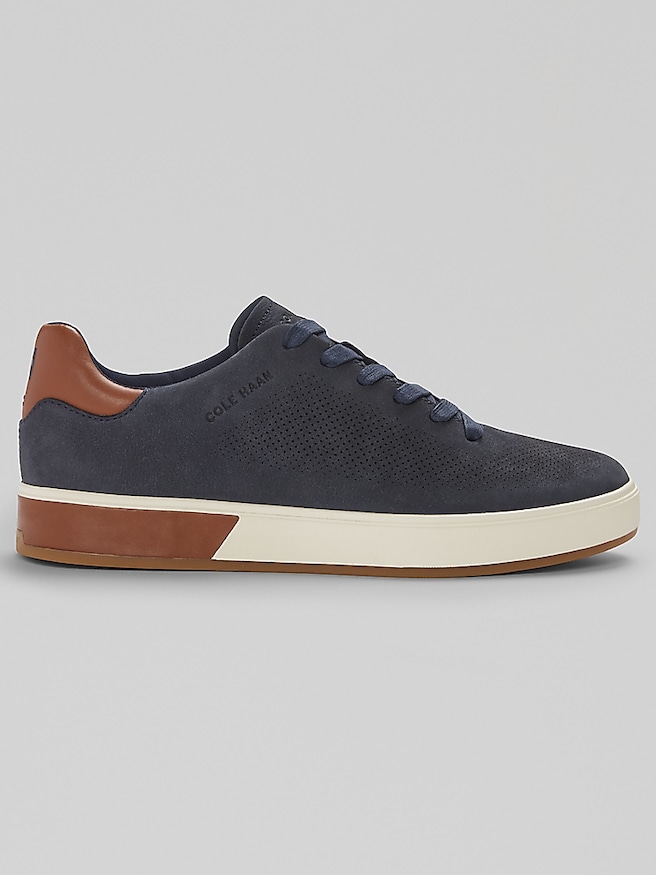
Men’s black work sneakers bring together the familiar feel of everyday sneakers and a clean, understated appearance suited to many workplaces. A useful pair balances cushioning, a secure fit, durable materials, and an outsole appropriate for the job. Slip resistance and protective features require closer attention: a black sneaker is not automatically a safety shoe, and a textured sole alone does not establish slip-resistant performance. For workplaces with specific footwear rules, documented performance and the employer’s requirements matter more than appearance. In an office with a relaxed dress code, the priorities may be a streamlined profile, quiet detailing, and enough comfort for walking between meetings. Retail associates, hospitality staff, and others who spend extended periods standing may place greater emphasis on traction, supportive construction, and surfaces that are easy to clean. Smooth leather uppers offer a polished look that pairs naturally with chinos and other business-casual pants, while textured leather can make minor surface marks less noticeable. Mesh and knit uppers generally allow more airflow and flex, although open fabrics can be harder to wipe clean after a spill. Synthetic uppers vary widely in breathability, flexibility, and maintenance needs, so material descriptions are worth considering alongside the silhouette. An all-black design, including the sole and laces, creates a more uniform appearance than a contrasting sole, particularly when workplace guidelines call for discreet footwear. Low-profile shapes tend to blend easily with tailored casual clothing, while more substantial constructions can accommodate additional cushioning or protective components. Where slip resistance, toe protection, or electrical-hazard protection is required, the relevant markings and documentation should match the task; those features are distinct and should not be treated as interchangeable. Even slip-resistant footwear has limitations, since traction changes with the floor surface, contaminants, and tread condition. The strongest match is a sneaker built for the actual setting, whether that means a day at a desk with frequent walks or a shift spent moving across hard floors.
Comfort in men’s black work sneakers depends on how the entire shoe fits and moves, not simply how soft the footbed feels at first. Cushioning can ease the feel of repeated steps, but a stable platform also matters when standing at a counter, carrying supplies, or changing direction in a busy workspace. Very soft foam may feel inviting during a brief try-on yet less steady over a full shift, while an overly firm shoe can feel unforgiving on hard flooring. A well-matched fit leaves room for the toes to spread without allowing the foot to slide forward, and the heel should remain secure without rubbing. Width deserves as much attention as length: pressure across the forefoot, pinched toes, or an upper that bulges over the sole can indicate a mismatch rather than something that will disappear with wear. Laces provide useful adjustment across the instep, especially for feet that need a little more room in one area and a closer hold in another. The socks worn to work also affect fit, so trying sneakers with a similar thickness gives a more realistic impression. Feet can expand through a day of activity, making a later-day fitting helpful for evaluating space. Men comparing comfortable black work sneakers may also want to consider the shape of the footbed, the flexibility through the forefoot, and whether the shoe can accommodate a prescribed orthotic when needed. Removable insoles can make that adjustment easier, but replacement inserts need enough interior space and should not crowd the toes or lift the heel out of position. Breathable linings and smooth interior seams are practical details for long stretches of wear. For a gift, knowing the recipient’s usual size, preferred width, workplace requirements, and fit preferences is more useful than choosing by appearance alone. A familiar sneaker size can provide a starting point, though sizing and interior shape can vary between constructions.
Durability comes from a combination of materials, construction, intended use, and regular care. Repeated bending at the forefoot, friction around the heel, and daily contact with hard surfaces place demands on work sneakers that occasional casual wear may not. Reinforced high-contact areas, neatly finished seams, and a securely attached outsole are useful construction details, while an upper that flexes naturally with the foot can feel less restrictive during repeated movement. Outsole composition matters as well: a softer compound may provide a particular balance of grip and flexibility, but tread life still depends on walking patterns, surfaces, and use. Black finishes help maintain a consistent look, yet dust, scuffs, dried residue, and worn edges can remain visible, especially against a deep, uniform color. Care should match the material. Smooth leather generally benefits from gentle cleaning and an appropriate conditioner used according to the manufacturer’s directions; suede and nubuck need tools and treatments intended for their textured surfaces. Mesh and knit often call for careful spot cleaning rather than aggressive scrubbing or soaking. Machine washing is not suitable for every sneaker and can affect adhesives, shape, or finishes, so the care instructions take priority. Removing loose debris from the outsole helps keep tread channels clear, and inspecting the sole makes it easier to notice thinning, uneven wear, or separation. Letting shoes dry fully between wears, away from direct heat, helps manage moisture from daily use without stressing the materials. Rotating between pairs can provide additional drying time when the work schedule allows. Persistent discomfort, compressed cushioning, damaged uppers, or worn traction surfaces are reasons to reassess whether a pair still suits its purpose. For everyday styling, black sneakers work especially well with charcoal, navy, olive, and black pants, with a hem that falls cleanly rather than bunching heavily over the shoe. Minimal detailing keeps the emphasis on a neat outfit, while thoughtful fit and appropriate construction support the practical demands of the workday.