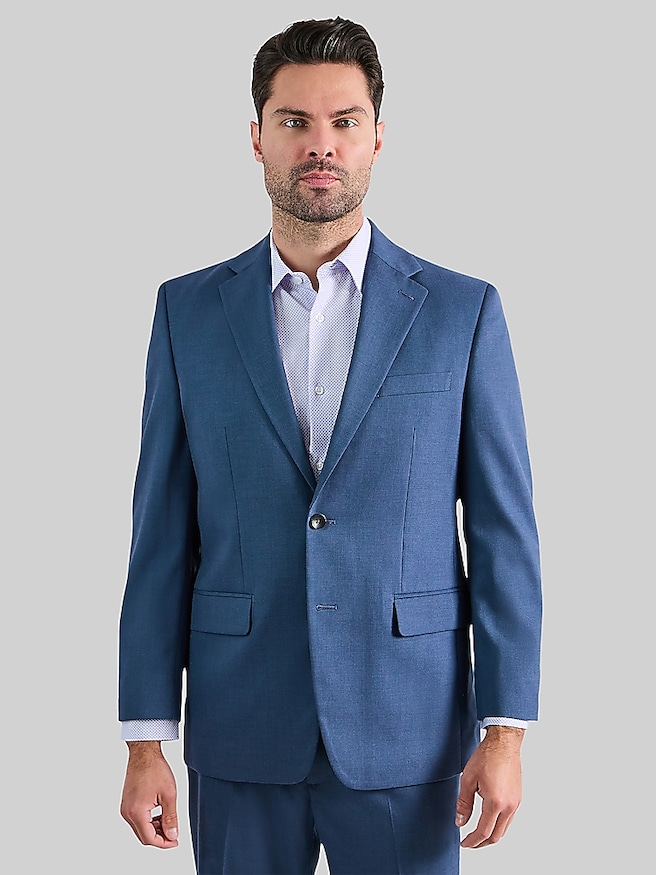
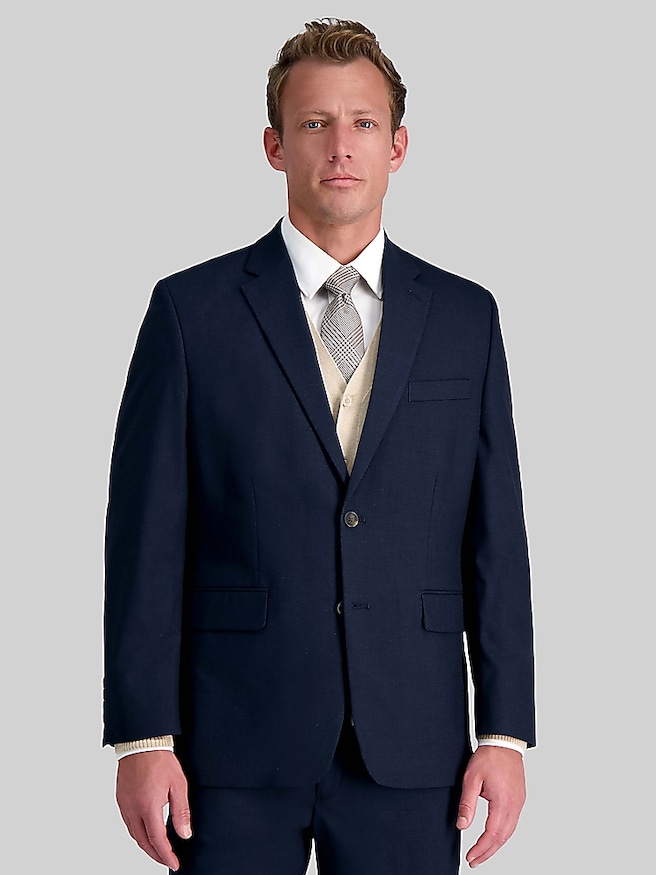
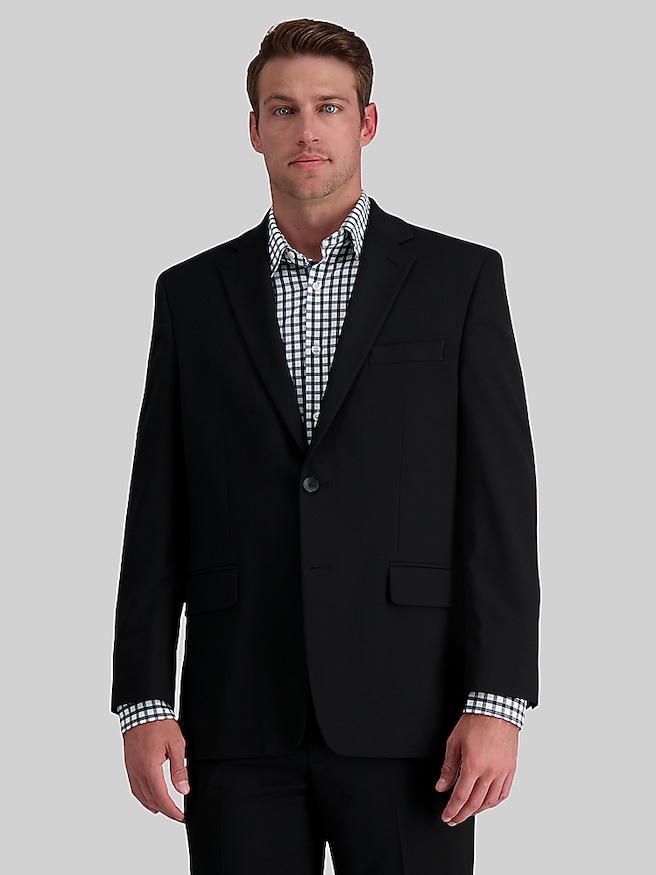
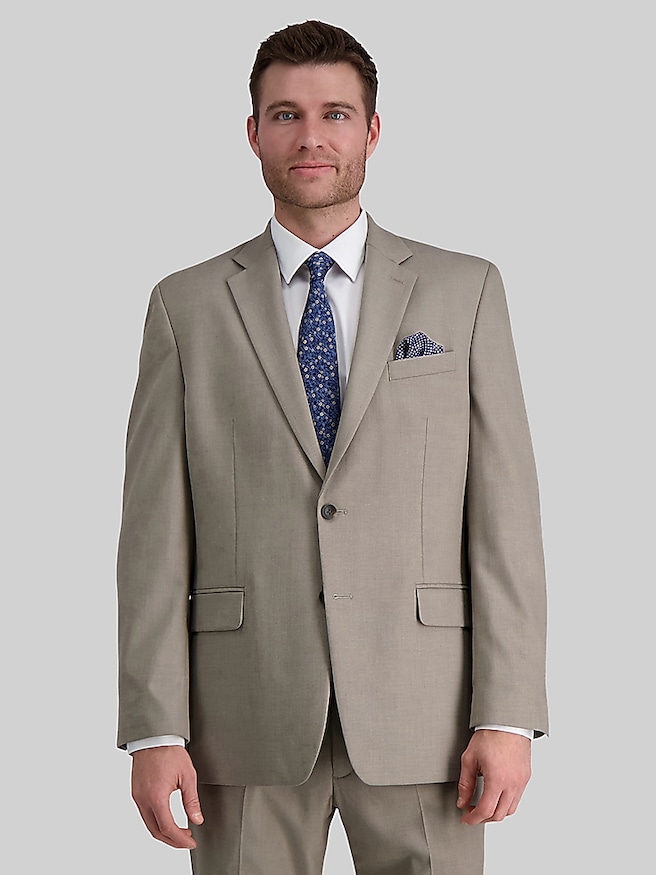
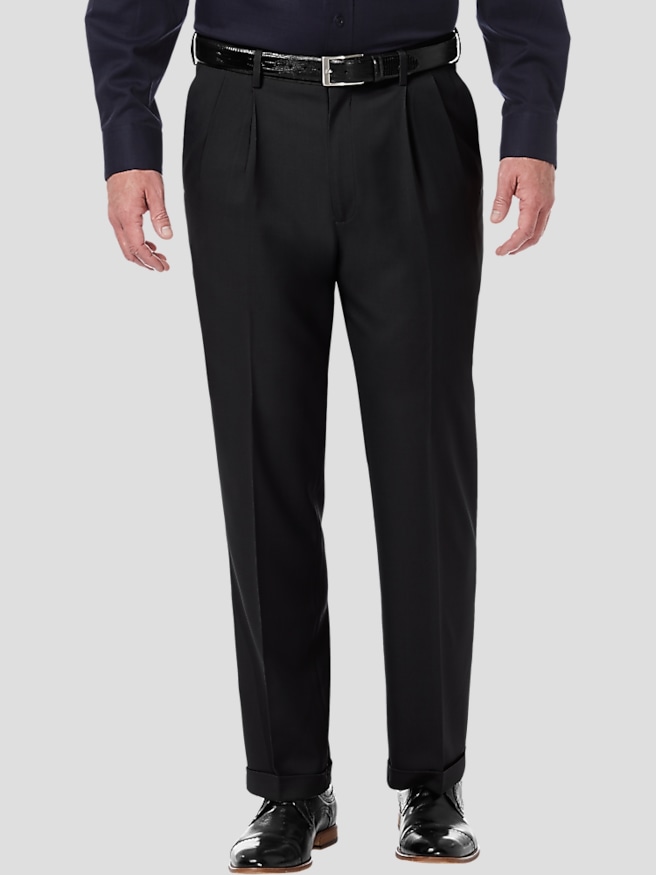
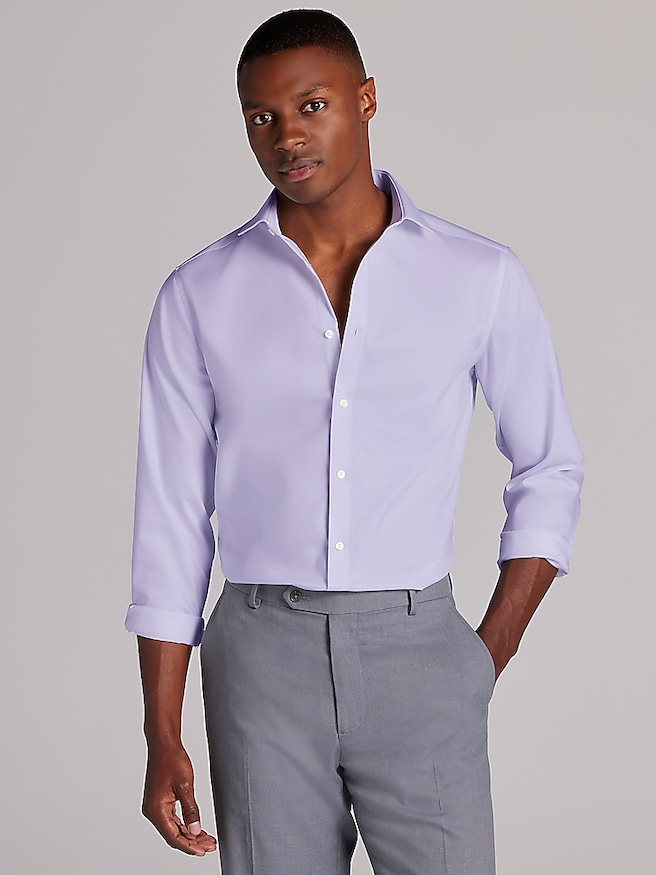
Professional attire for young men should make the transition from classroom, training program or first interview to the working day feel natural and confident. A well-chosen wardrobe does not need to be oversized, overly formal or built around a single dress code. The most useful pieces are versatile enough for an interview, a client meeting, a presentation or a regular day at the office, while still feeling comfortable on the commute and during long hours at a desk. Look for clean lines, dependable fabrics and colors that work together easily, including navy, charcoal, gray, white, light blue, khaki and brown. A crisp button-front shirt can create a polished foundation, while a knit shirt or refined polo may suit a workplace with a more relaxed standard. Tailored trousers, chinos and other streamlined pants offer an easy balance between professionalism and everyday comfort; in especially casual offices, dark, clean denim may also be appropriate when the workplace allows it. The right fit matters more than a particular label or trend. Shoulder seams should sit naturally, sleeves should allow comfortable movement, and trousers should skim the leg without pulling or pooling heavily over the shoe. Clothing that is too tight can look uncomfortable and restrict movement, while clothing that is too loose can appear unfinished. Young professionals often build their wardrobes gradually, so each addition should complement what they already own rather than create a difficult outfit that can only be worn once. Neutral colors make that process easier, allowing one shirt, trouser or jacket to work across several combinations. For additional wardrobe inspiration centered on the workplace, explore Office Attire For Young Professionals.
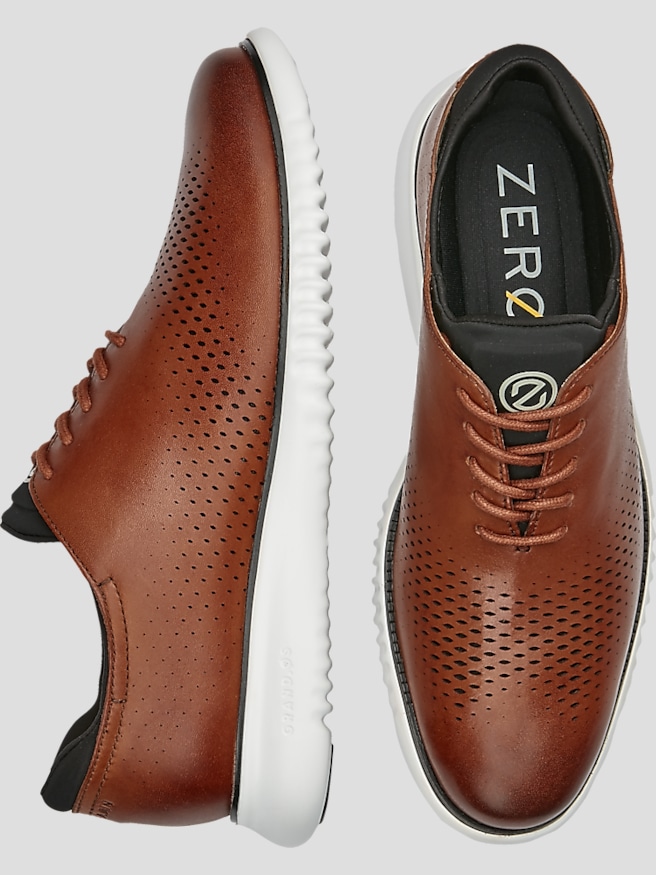
Layering is especially useful as the weather shifts from milder days to cooler mornings and evenings. A structured jacket can give a simple shirt-and-trouser combination a finished appearance, while a fine knit layer adds warmth without making an outfit feel bulky beneath a coat. Consider the setting before choosing the level of structure: a conservative office may call for more traditional tailoring, while a creative, technology-focused or business-casual environment may welcome softer jackets, open collars and understated textures. When in doubt, it is usually easier to remove a layer than to make a casual outfit appear more formal once the day has begun. Footwear should be clean, comfortable and appropriate for the workplace, with polished leather styles, refined slip-ons, streamlined lace-ups and other low-profile options providing flexibility across professional settings. Shoes often receive less attention than shirts or jackets, yet they can change the impression of an entire outfit; scuffed toes, worn soles or overly athletic shapes may make otherwise thoughtful clothing feel incomplete. Belts and footwear do not have to match perfectly, but coordinating their general color and level of formality creates a more intentional appearance. Accessories should support the outfit rather than compete with it. A simple watch, understated bag or neatly folded pocket square can add personality without distracting from a professional presentation. During the cooler months, outerwear should maintain the same clean standard as the clothing underneath. Choose a coat that allows enough room for a jacket or sweater, falls neatly at the body and works with the colors already present in the wardrobe. Neutral outer layers are especially practical because they can accompany office clothing, travel outfits and dressier evening plans without requiring a complete change.
Professional attire can also be a thoughtful gift for a young man beginning a new job, completing an internship, preparing for interviews or stepping into a role with more responsibility. A first office wardrobe often carries a sense of occasion: the feel of a fresh collar, the quiet confidence of trousers that sit correctly and the reassuring weight of a jacket worn before an important meeting. Gifts are most useful when they reflect his daily routine and personal style. Someone in a traditional business environment may benefit from more formal separates and conservative colors, while someone in a relaxed office may get greater use from comfortable tailoring and polished business-casual layers. If his size or preferred fit is uncertain, versatile accessories or a flexible layering piece can be easier to choose than highly fitted clothing. Fit and care remain central after purchase. Garments should be checked while standing, sitting and reaching, since professional clothing needs to look composed through a full day rather than only in front of a mirror. Follow care instructions, hang tailored pieces properly, and keep shirts and trousers pressed or neatly steamed so they are ready when an early meeting appears on the calendar. A small rotation of coordinated outfits can make mornings simpler: several dependable shirts, a few interchangeable bottoms, a polished layer and footwear suited to the office provide room to dress appropriately without overthinking every combination. The result is not a costume or a rigid uniform, but a practical professional wardrobe that grows with changing responsibilities, cooler weather and the confidence that comes from being prepared.