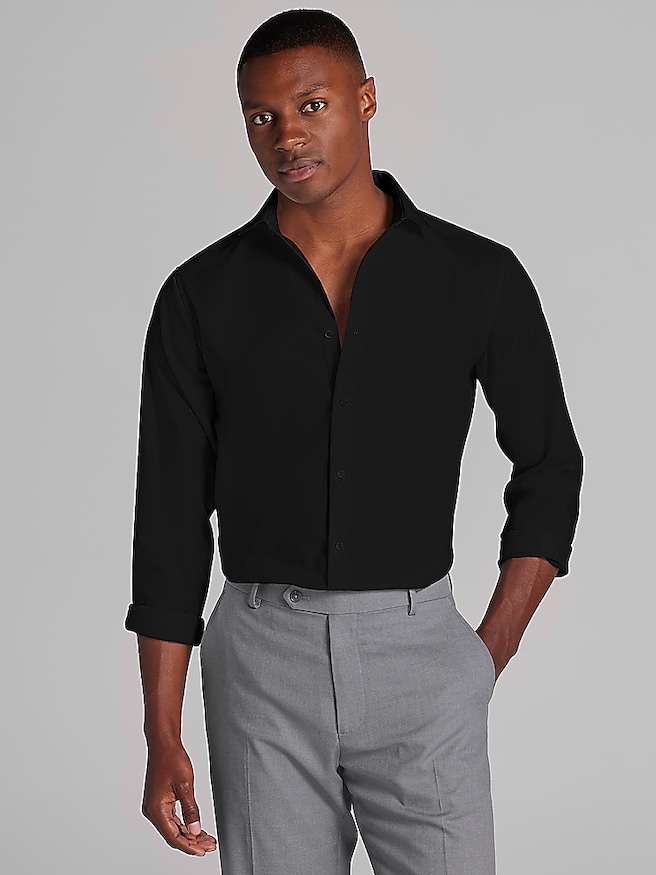
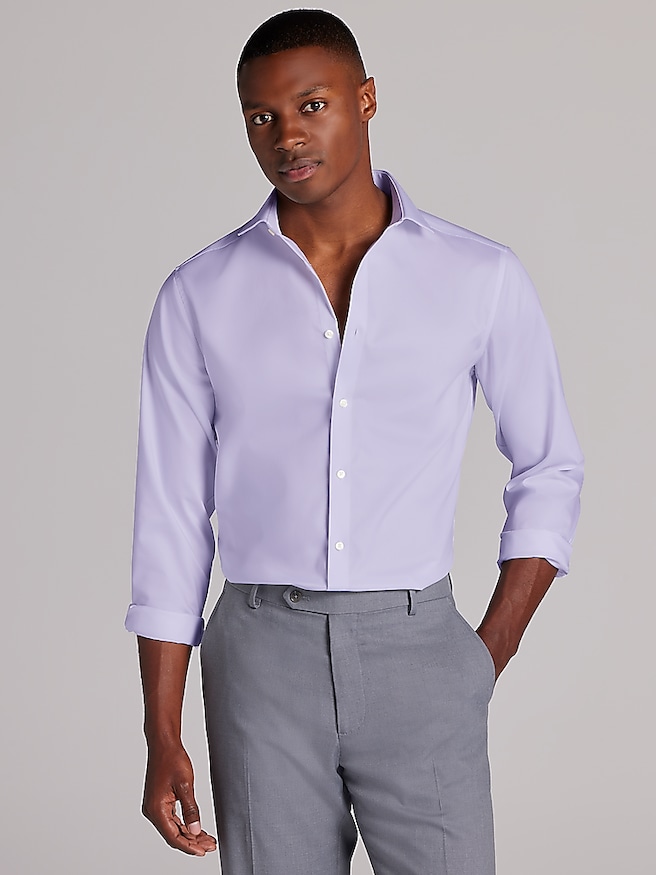
Professional attire for young adults brings together tailored clothing, comfortable fabrics, and versatile colors for interviews, internships, first jobs, and everyday office life. The emphasis is on looking prepared without feeling dressed for someone else’s role. A well-proportioned suit suits a formal interview or client presentation, while a blazer paired with dress pants can feel appropriate for a networking event or an office with a more flexible dress code. In business-casual settings, chinos, button-down shirts, and fine-gauge knitwear offer a polished appearance without the formality of a matching jacket and trousers. These categories serve distinct purposes, but they work best when they share a consistent fit and an easy-to-coordinate palette. Navy, charcoal, medium gray, and tan create a practical foundation, with white and light blue shirts providing clear contrast near the face. Subtle stripes, small checks, and textured weaves add interest without taking attention away from a conversation or presentation. For someone moving between campus recruiting events and an internship, a jacket that pairs naturally with several shirts and trousers has more everyday usefulness than an outfit built around one occasion. A matching suit remains valuable where the dress code calls for it, while separate jackets and pants allow more variation across an ordinary workweek. The distinction between business formal and business casual matters: a full suit, dress shirt, tie, and dress shoes communicate a higher level of formality than an open-collar shirt with chinos. Neither approach needs to look stiff or overly mature. Clean lines, balanced proportions, and restrained details help professional clothing feel natural on a young adult. The result is a wardrobe that can support a first introduction, a day of meetings, or an after-work professional gathering without requiring a completely separate look for each setting. Personal style still has room through a textured tie, a softly patterned shirt, or a preferred trouser shape, provided the overall appearance remains consistent with the workplace.
Fabric and fit determine much of how professional clothing looks and feels after several hours of wear. Wool is valued in tailored clothing for its drape, breathability, and ability to recover from some everyday creasing. Wool blends can combine that tailored appearance with other performance characteristics, depending on the fibers and construction. Cotton shirts offer a familiar feel against the skin, while cotton-blend fabrics may provide easier care or improved wrinkle resistance when specified on the label. A small amount of stretch can make trousers and jackets more comfortable during a seated interview, a commute, or repeated movement between desks and meeting rooms. Stretch alone, however, does not replace a good fit. Jacket shoulders should follow the natural shoulder line without extending noticeably beyond it, and the front should close without pulling into an X around the button. Enough room through the chest and upper arms allows a handshake or a reach across a conference table without obvious strain. Slim, tailored, and classic fits describe different silhouettes rather than a ranking of how professional an outfit looks. The most convincing choice follows the wearer’s build while leaving space to move. Trousers should rest securely at the waist, lie smoothly through the seat, and fall cleanly over the shoes. Excess fabric pooling at the ankle can make an otherwise neat outfit appear unfinished, while an overly tight thigh or seat can distort the fabric when sitting. Shirt collars should sit comfortably when fastened, with shoulder seams close to the shoulder edge and sleeves long enough to stay in place during normal movement. A small amount of shirt cuff showing beneath a jacket creates a tidy finish. For long office days, these details matter as much as the overall silhouette: a waistband that stays comfortable at a desk, a collar that does not pinch, and a jacket that hangs smoothly when standing make professional attire easier to wear naturally. Fabric texture also changes the impression, with smoother finishes tending to look more formal and visibly textured materials often lending themselves to less structured combinations.
Durability in a professional wardrobe comes from both construction and everyday care. Areas such as trouser pockets, belt loops, jacket seams, and shirt cuffs receive repeated stress, so secure stitching and fabric that suits the intended use are meaningful details. Clothing worn several times a week needs to handle sitting, walking, and repeated cleaning while maintaining its shape. Following the care label is essential because similar-looking fabrics can require different treatment. Some shirts and trousers are machine washable, while certain tailored garments need professional cleaning. A sturdy, shaped hanger helps support a jacket’s shoulders, and properly hung trousers are less likely to develop unwanted folds between wears. Knitwear generally keeps its shape better when folded rather than left hanging. Letting garments air out, brushing away surface lint when appropriate, and treating marks according to the care instructions can help keep clothing presentable without unnecessary cleaning. Pressing or steaming should also follow the label, especially with blended fabrics and structured jackets. These habits support the practical goal of having clothing look composed at the start of a meeting and still look neat when the workday ends. Shoes and accessories complete that impression: clean dress shoes, a belt that coordinates with them, and a tie suited to the shirt and jacket bring the outfit together without competing for attention. For workplaces where dress expectations fall between a suit and casual clothing, Office Attire For Young Professionals offers a related focus on polished workday dressing. Professional clothing can also be a thoughtful gift for a graduation, an internship milestone, or the start of a new role, particularly when the recipient’s measurements and workplace expectations are known. Whether chosen for a single important interview or regular office wear, the most useful pieces share a clear purpose: dependable comfort, appropriate formality, and enough versatility to feel like part of the wearer’s own style.