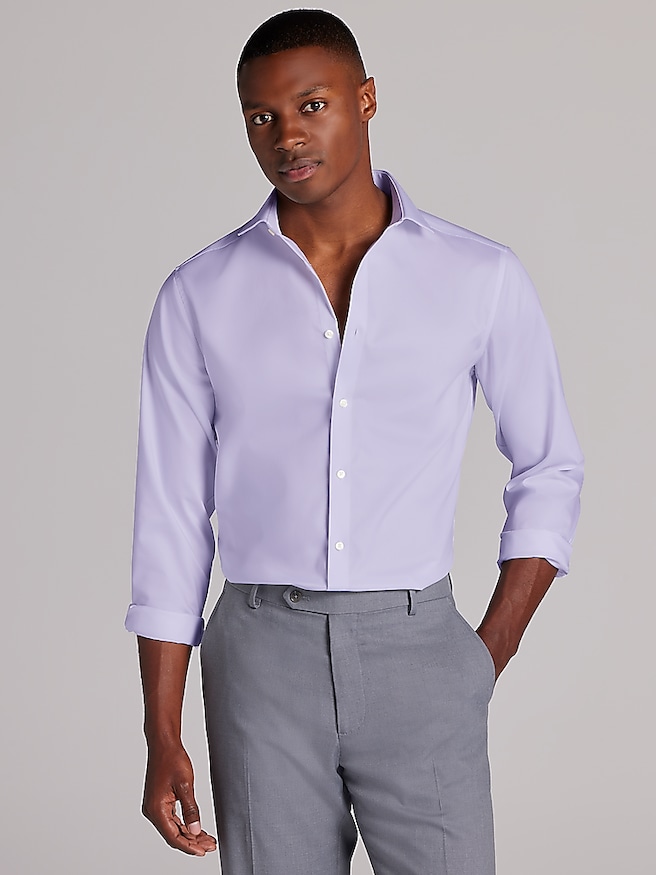
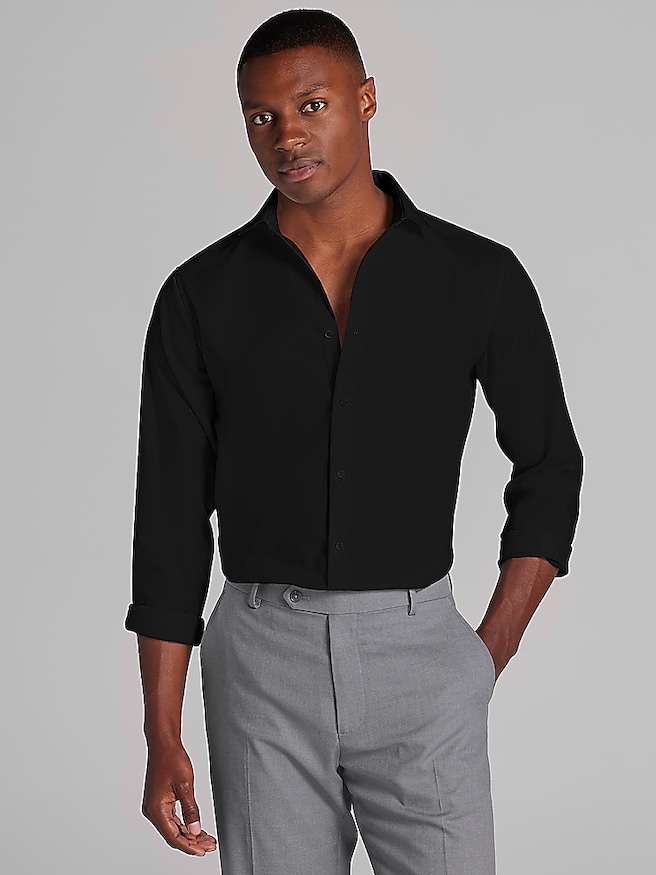
Casual wear for young professionals brings together the comfort of everyday clothing and the clean lines expected in a workplace. The balance comes from thoughtful proportions, fabrics with a neat finish, and combinations that feel relaxed without looking unfinished. In an office with a casual dress code, that might mean a cotton button-down with tapered chinos and simple leather sneakers; in a more traditional setting, a fine-gauge knit layered over a collared shirt can add polish without the formality of a suit. These clothes suit the rhythm of an early career: a morning commute, hours at a desk, an impromptu introduction to a department leader, and dinner with friends after work. Business casual and smart casual often overlap, but the expectations of the workplace matter more than either label. Dark denim may fit naturally into a creative studio, while a client-facing office may favor woven trousers and a tucked-in shirt. A cohesive palette makes those distinctions easier to navigate. Navy, charcoal, beige, white, and olive work well together, giving patterned shirts and textured knits a grounded backdrop. Small checks, narrow stripes, and subtle woven textures can bring personality to an outfit without becoming its focus. A smooth polo offers a cleaner impression than a graphic tee, while an unstructured jacket can give a simple shirt-and-trouser combination more definition. Footwear helps set the tone, too: loafers usually read as more polished, while understated sneakers feel more relaxed where the dress code permits them. The strongest combinations do not need every element to be formal. Instead, a clear shoulder line, an even hem, and shoes kept free of scuffs make casual clothing feel considered. For someone starting a first full-time position, moving into a new field, or refining an established routine, these details support a wardrobe that feels credible at work and natural beyond it.
Material and fit shape how casual professional clothing looks after several hours of actual wear. Cotton is valued for its soft feel and breathability, though its appearance depends on the weave and finish. Oxford cloth has visible texture and enough body to hold a collar neatly, while a smoother woven fabric can create a crisper effect. Twill gives chinos their characteristic diagonal texture and can offer a useful balance of softness and structure. Fabrics containing a small amount of stretch may make sitting, reaching, and walking more comfortable, but stretch should complement a good fit rather than compensate for clothing that is too tight. Blends can offer benefits such as easier care or improved shape retention; the fiber content and care label provide a better basis for comparison than appearance alone. Fine-gauge knits layer with less bulk, while denser knits tend to give an outfit more visual weight and definition. Across these materials, fit works best when the fabric follows the body without pulling or hanging loosely. Shoulder seams should generally sit near the natural shoulder, shirt fronts should remain smooth when seated, and sleeves should leave the hands clear. A shirt intended to be worn untucked needs a hem that looks deliberate rather than one that extends far down the thigh. Trousers should rest comfortably at the waist and provide room through the seat and thigh, with a leg opening that works with the shoes beneath it. Slim, straight, and more relaxed cuts can all look professional when those proportions are right. Excess fabric pooling over footwear can make an otherwise neat outfit look careless, while an overly short hem may distract from the overall line. The practical test is movement: climbing stairs, settling into an office chair, or reaching for a bag should not require constant adjustment. Layering deserves the same attention. A knit over a shirt needs enough room to prevent bunching at the sleeves, and a casual jacket should close comfortably over the clothes worn beneath it. The result is a silhouette with definition, not stiffness.
A useful casual work wardrobe also holds up to repetition. Clothing that coordinates across several outfits makes it easier to dress for a day that includes both routine tasks and unexpected face-to-face conversations. A textured shirt can stand on its own for desk work, then sit neatly beneath a jacket for a presentation; neutral trousers can connect both looks without requiring a complete change. Repeating colors across shoes, belts, and layers creates continuity, although every finish does not need to match exactly. Surface condition matters just as much as coordination. Wrinkled collars, stretched necklines, and worn-looking shoes can make even well-chosen clothing appear less polished. Care requirements therefore belong in the selection process, especially for anyone managing a commute, a busy schedule, or limited laundry space. Machine-washable fabrics may be convenient, but washing temperature, drying method, and ironing guidance vary by garment. Following the care label, treating marks promptly, and avoiding unnecessary heat can help preserve color, fit, and fabric quality. Hanging woven shirts after laundering can reduce creasing, while folding knitwear helps avoid the shoulder distortion that hangers can cause. Occasional steaming or pressing, when permitted by the label, restores a cleaner finish. Durability also depends on construction and use: secure buttons, even seams, and neatly finished edges are useful details to examine, while frequent friction at cuffs, pockets, and the inner thighs can affect how clothing wears over time. Casual professional clothing can make a thoughtful graduation or first-job gift when the recipient’s size, preferred fit, and workplace expectations are known. Versatile colors and manageable care requirements are often more useful than a distinctive piece that has little connection to an existing wardrobe. For occasions that call for a more structured impression, Professional Attire For Young Adults offers a related direction. Everyday casual wear serves a complementary purpose: comfortable, presentable clothing that supports a working routine without making every day feel like a formal occasion.