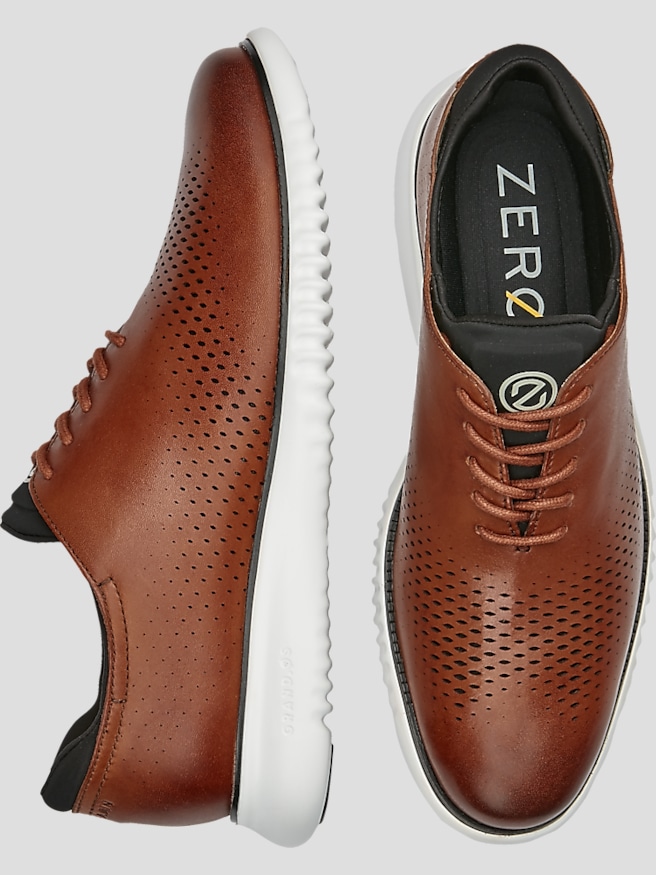
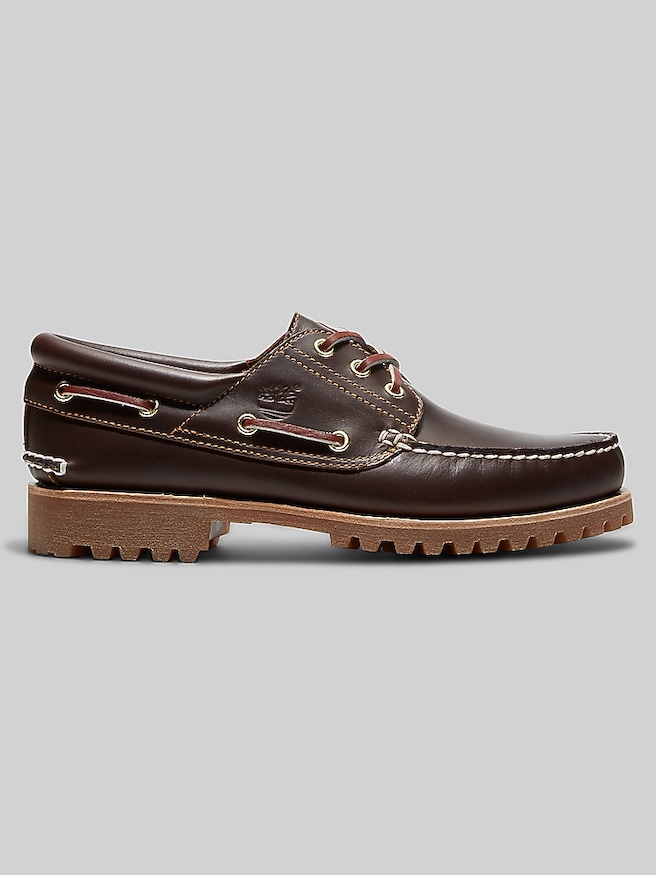
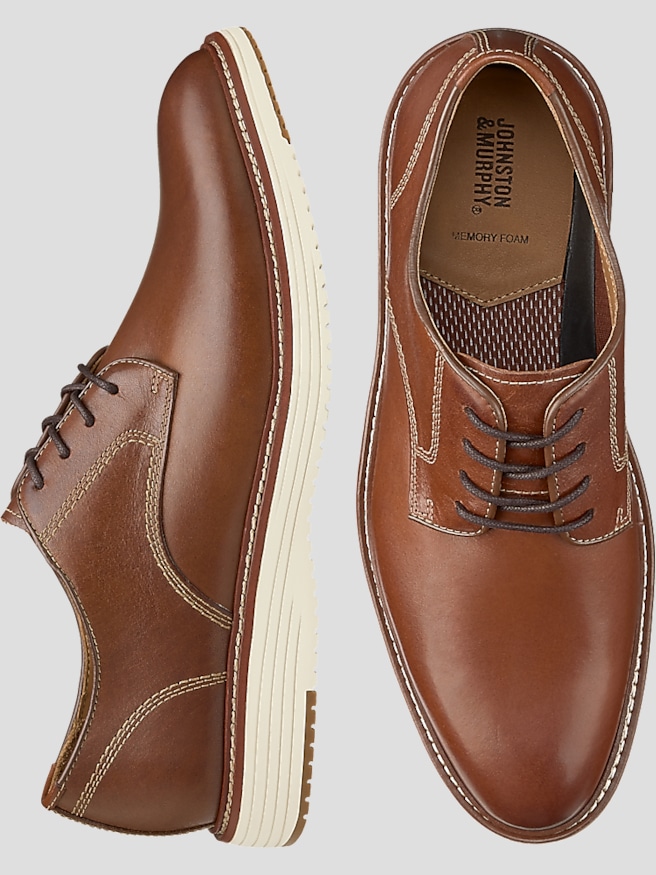
Shoes for young professionals balance a polished appearance with the comfort needed for a full working day, from the walk to the train to an afternoon of meetings and dinner afterward. The most useful styles fit the workplace as naturally as they fit the foot: oxfords for more formal settings, derbies and loafers for flexible business attire, and understated leather sneakers where a relaxed dress code allows them. Each brings a distinct character to a professional wardrobe without demanding an entirely separate set of clothes. An oxford’s closed lacing creates a sleek profile beneath suit trousers, making it a natural companion for interviews, client presentations, and offices where tailored clothing is standard. A derby has open lacing that allows more adjustment across the instep while maintaining the structure expected of a dress shoe. Loafers offer a less formal finish with chinos, wool trousers, or dark denim, especially when the rest of the outfit is neat and considered. In creative workplaces and casual offices, clean leather sneakers with minimal detailing can complement tailored separates without looking like gym footwear. Black, dark brown, and cognac are versatile starting points, though their effect depends on the outfit: black feels crisp with charcoal tailoring, deep brown softens navy, and cognac adds warmth to gray or earthy shades. Toe shape matters, too. A rounded or gently tapered toe usually transitions comfortably between classic tailoring and slimmer contemporary cuts, while exaggerated shapes can be harder to coordinate. For someone building a first professional wardrobe, versatility means being able to wear the same pair with a suit on presentation day and with dress trousers and a sweater later in the week. The broader mix of Office Attire For Young Professionals provides context for coordinating footwear with the level of polish a workplace expects. Rather than making the shoes the loudest part of an outfit, clean lines, balanced proportions, and well-kept finishes help the whole look feel intentional. That flexibility also carries beyond the office to networking receptions, graduation celebrations, and evenings that call for something sharper than everyday casual shoes.
Materials and construction influence how professional shoes look, feel, and hold up through repeated wear. Smooth leather offers a defined finish and can develop character over time with appropriate care; full-grain leather retains its natural surface, while other leather finishes may have a more uniform appearance. Suede brings a softer texture that works especially well with chinos, flannel trousers, and knitwear, although moisture and surface marks call for extra attention. Synthetic uppers vary widely in flexibility and breathability, so the material description alone does not tell the whole comfort story. Lining, seams, insole design, and the shape of the shoe all contribute to the experience of wearing it through a long day. A useful fit leaves room for the toes to move without allowing the foot to slide forward, holds the heel securely without rubbing, and avoids concentrated pressure across the widest part of the foot. Trying shoes with the socks intended for work gives a more accurate sense of that fit, particularly when cooler weather brings slightly thicker dress socks into rotation. Feet may swell during the day, which makes an afternoon fitting helpful for judging space. Leather can soften with wear, but a painful squeeze or cramped toe box is not something to count on breaking in. For lace-ups, the closure should secure the foot without needing to be pulled excessively tight; for loafers, a stable instep fit helps compensate for the absence of laces. Cushioning can soften the feel of hard floors, while supportive footbeds and a stable heel can make extended standing more comfortable. A plush first impression is only part of the picture: the shoe should also bend near the ball of the foot and feel balanced during a normal stride. Anyone who wears orthotics may benefit from sufficient interior depth and a removable insole. The goal is footwear that remains comfortable during an elevator wait, a walk between buildings, and an hour spent standing at an industry event, not just during a brief fitting.
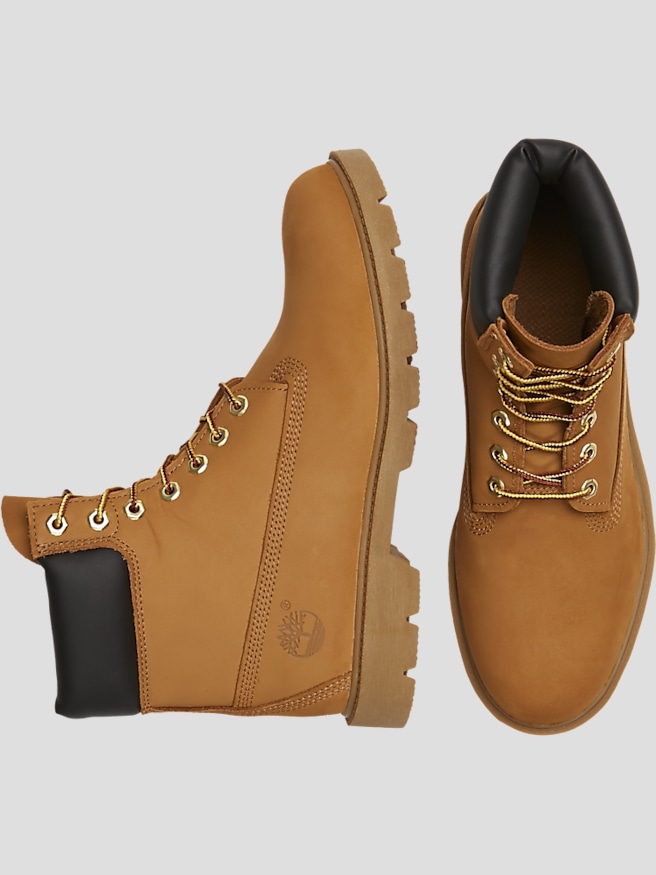
Daily routines make outsole choice and care just as important as the shape of the upper. Rubber outsoles can provide useful cushioning and traction for sidewalks and station platforms, while leather soles offer a traditional dress-shoe finish and a distinct feel underfoot. Grip depends on the sole’s compound, tread, and condition; a dress shoe should not be assumed to handle slick pavement simply because its sole is rubber. During the cooler months, damp sidewalks and tracked-in moisture make thoughtful footwear choices especially relevant. Water-resistant construction can be useful for a commute, but it is not interchangeable with waterproof protection, and neither should be assumed without checking the stated features. A low-profile boot may suit a business-casual workplace when its shape fits neatly beneath trousers, while a separate commuting pair can help preserve dress shoes through rough weather. Durability also depends on how shoes are maintained between wears. Resting a pair gives moisture time to dissipate, and cedar shoe trees can help retain the upper’s shape while absorbing some moisture. Smooth leather generally benefits from gentle cleaning, occasional conditioning suited to its finish, and polish when appropriate. Suede needs a suitable brush and products made for its surface rather than conventional leather cream. Wet shoes should dry naturally away from radiators and other direct heat, which can stiffen or damage materials. Wiping away road residue promptly helps keep small marks from becoming a larger cleaning task. Over time, worn heel edges, separating soles, and thinning tread deserve attention; some constructions can be resoled or repaired, extending their useful life. These practical details matter for recent graduates, interns, and professionals settling into a new role, especially when one pair needs to support several parts of the day. Professional shoes can also make a thoughtful graduation or career-milestone gift when the recipient’s size, width, and workplace expectations are known. A dependable pair earns its place through repeated use: comfortable enough for the commute, polished enough for an introduction, and adaptable enough to stay in rotation as a working wardrobe grows.