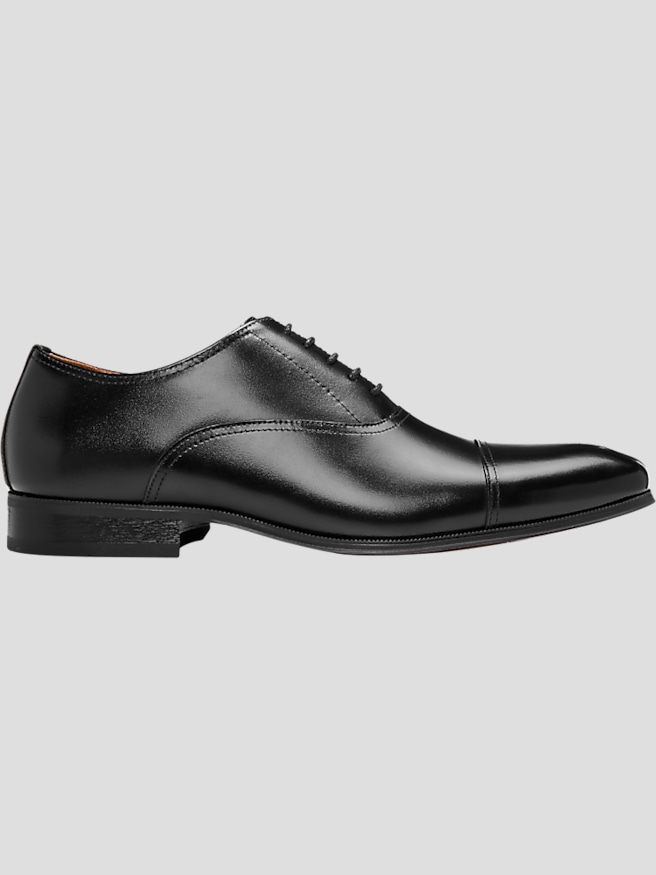
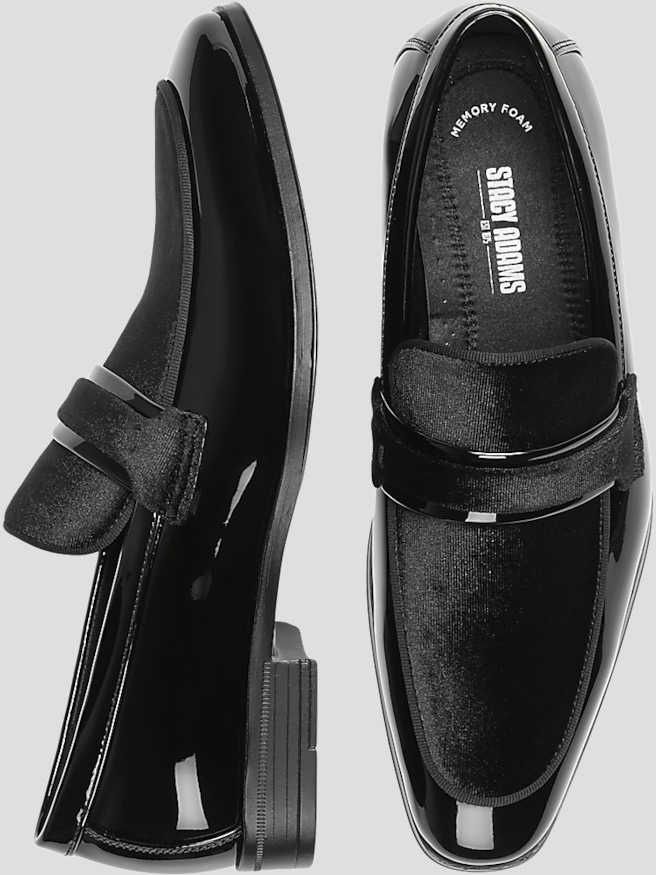
Loafers for young professionals balance a polished appearance with the comfort and versatility needed for a full workday. Their slip-on design keeps the silhouette clean, while details such as a penny strap, tassels, or understated metal hardware give each style a distinct character. For someone building a wardrobe around a first office job, client meetings, or a new role with more face-to-face responsibilities, that versatility matters: the same pair can complement tailored trousers at a morning presentation and chinos at an informal team dinner. Penny loafers offer a restrained, familiar look that fits naturally into many business-casual settings. Tassel styles add a little movement and personality without relying on a bold color, while hardware accents can create a more pronounced focal point. The overall shape is just as important as the decoration. A gently tapered toe and a relatively slim sole tend to look balanced with tailored clothing; a rounder toe and a more substantial sole give relaxed trousers a grounded appearance. Black leather creates a crisp finish with charcoal, gray, or dark navy pants. Brown shades bring warmth to navy and tan, with darker browns generally offering a more understated effect than lighter tones. Suede adds a soft, matte texture that works especially well with chinos, knit polos, and unstructured jackets. For a first interview or a workplace with a conservative dress code, expectations still take priority: a simple, polished loafer may be appropriate, while some settings call for lace-up dress shoes. Styles in the Traditional Loafers category provide a useful connection to the classic shapes behind this versatile footwear. The strongest combinations look intentional rather than elaborate. Trousers with a clean hem and little excess fabric keep the shoe visible without creating a crowded line at the ankle. Fine-gauge dress socks offer a finished look for office settings, while no-show socks can suit more relaxed workplaces when the dress code allows. Together, these details make loafers a practical foundation for professional outfits rather than an accessory reserved for special occasions.
Materials and construction influence how loafers feel after several hours, how they hold their shape, and how much care they need. Smooth leather offers a defined surface that can be conditioned and polished, making it a natural match for more tailored clothing. Full-grain leather retains the hide’s natural grain and can develop character with regular wear, although the quality of the leather and the shoe’s construction matter more than the material label alone. Suede has a softer visual finish and a flexible feel in many designs, but its nap needs different care from smooth leather. Linings also affect the experience inside the shoe. A supple leather lining can help manage moisture and feel smooth against a sock; an unlined upper may feel less structured, though comfort depends on the leather, seams, and individual foot shape. Underfoot, leather soles offer a traditional profile, while rubber soles can provide cushioning and traction on everyday surfaces. Actual grip varies with the tread and surface, so a substantial-looking sole is not automatically a better choice for every commute. Someone walking several blocks between a train station and an office may value flexibility and a cushioned footbed, while someone spending much of the day standing at presentations may need more support beneath the heel and arch. Because loafers have no laces to adjust, fit deserves particular attention. The heel should feel secure, the widest part of the foot should sit comfortably within the shoe, and the toes should have room without sliding forward. Slight movement at the heel can occur with some new shoes, but repeated slipping, toe gripping, or rubbing suggests that the size or shape is not a good match. Leather can soften with wear, but a break-in period should not be expected to resolve painful pressure or cramped toes. Trying loafers with the socks intended for work gives a more realistic sense of fit. A removable footbed may also be useful for someone who uses an insert, provided the shoe has enough interior space to accommodate it comfortably.
Durability is a combination of sound construction, suitable use, and consistent care. Secure stitching, neatly finished seams, and a firm heel counter can help a loafer maintain its shape, while the connection between the upper and sole affects how the shoe wears and whether repairs are practical. Some stitched constructions can be resoled by a qualified shoe repair professional; others are less suited to that process, so repairability should not be assumed from appearance alone. For everyday office use, rotating between pairs gives the interiors time to dry and reduces the repeated strain placed on one pair. Shoe trees can help support the shape between wears, particularly across the forefoot where creasing naturally develops. Smooth leather benefits from gentle cleaning with a soft cloth, occasional conditioning suited to the finish, and polish when a more refined surface is desired. Too much product can leave buildup, so light applications are generally more useful than heavy layers. Suede calls for a dedicated brush to lift the nap and remove loose dirt, with any cleaner or protective treatment checked for compatibility and tested on an inconspicuous area first. Excess moisture, direct heat, and harsh household cleaners can damage either material. A shoehorn helps protect the back of the shoe when putting it on, and loosening the foot carefully when taking it off prevents unnecessary stress on the heel. These small habits are especially worthwhile for loafers that move regularly between commuting, desk work, networking events, and dinners after business hours. They also make loafers a thoughtful gift for a graduate, a new employee, or someone celebrating a promotion. A gift pair is most useful when the recipient’s size, preferred width, workplace expectations, and usual clothing colors are known. A familiar silhouette in black or dark brown can integrate easily into an established wardrobe, while suede or distinctive detailing may suit someone who already enjoys expressing personality through footwear. With an appropriate fit and a style that matches the setting, loafers offer young professionals a dependable way to look composed without making everyday dressing complicated.