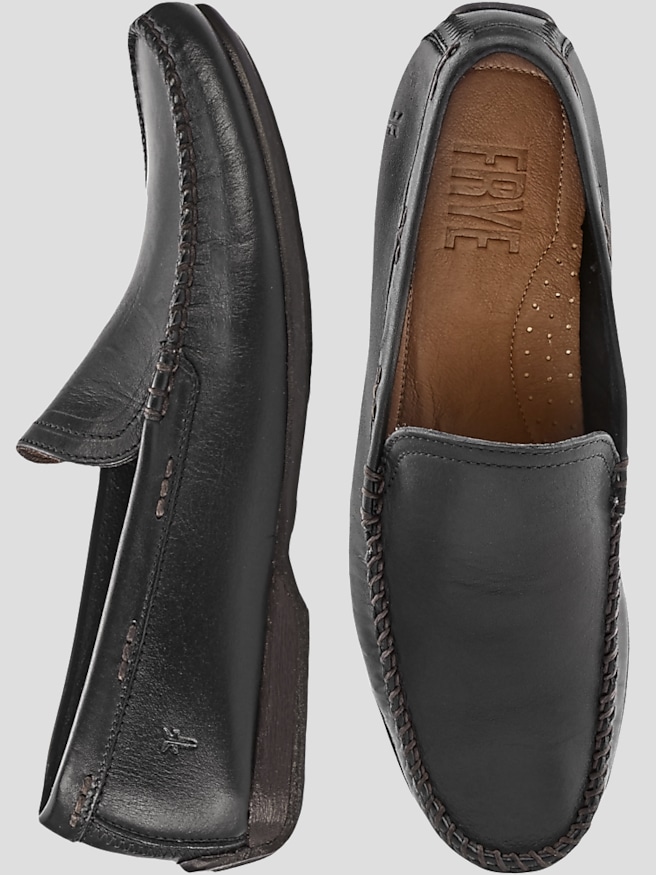
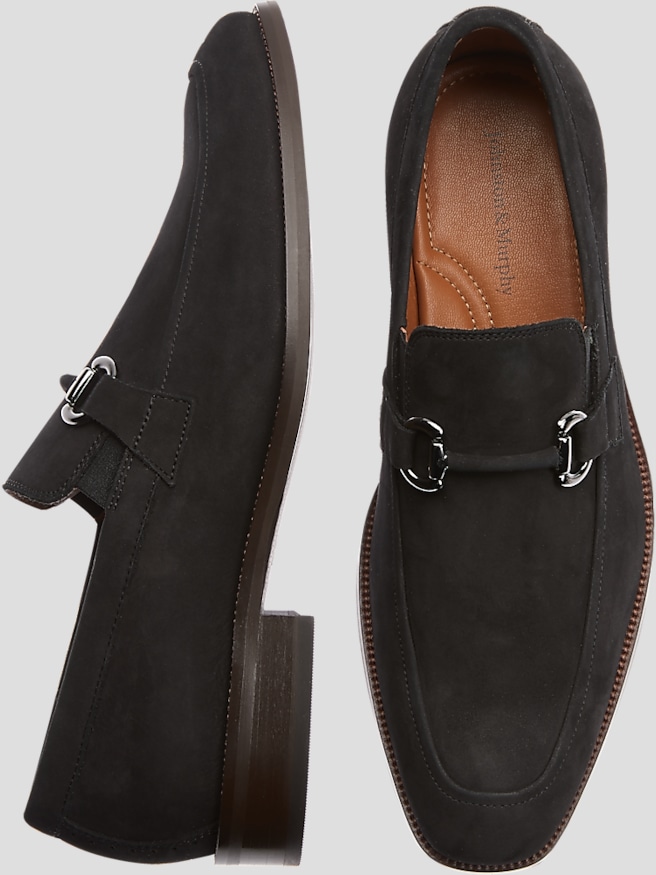
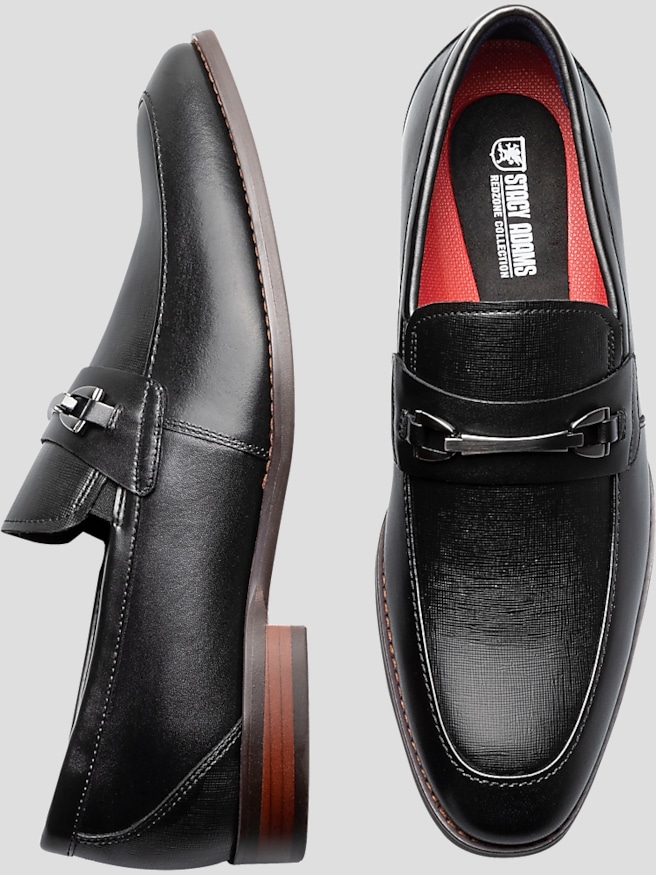
Loafers for work bring a clean, considered finish to office clothing without the visual weight of a heavier shoe. Their slip-on shape sits comfortably between traditional dress footwear and more relaxed styles, making them useful in workplaces where looking polished matters but a full suit is not an everyday requirement. With tailored trousers and a tucked-in shirt, a streamlined loafer creates a neat line from the hem to the floor. With chinos and a knit polo, the same general silhouette feels approachable while still looking intentional. The details make a meaningful difference: a narrow profile, restrained stitching, and a smooth leather upper tend to read as dressier, while a fuller toe, pronounced apron seam, or substantial sole gives the shoe a more casual character. Penny loafers have an understated appearance that works across many office wardrobes, and tassel details can add personality without relying on a bold color or pattern. Black pairs naturally with charcoal and gray trousers, while dark brown brings depth to navy, olive, and other earth tones. Burgundy can offer a subtle point of distinction when the rest of an outfit stays simple. Matching a belt closely in color and level of polish helps the whole outfit feel cohesive, although the finishes do not need to be identical. Trouser length matters, too: a hem with little or no break allows the shoe’s shape to remain visible rather than disappearing beneath extra fabric. Fine-gauge dress socks maintain a continuous, professional look, especially when their color relates to the trousers. Loafers can also work with a suit in offices that welcome a less formal approach, though conservative business settings may call for a more traditional lace-up shoe. For someone moving from a desk to a client lunch or an internal presentation, the appeal is versatility grounded in a tidy appearance, not a shortcut around the workplace dress code. A well-proportioned pair supports the outfit without becoming its main subject, leaving room for tailoring, texture, and personal style to do the rest.
Materials and construction shape how work loafers look, feel, and hold up through repeated wear. Smooth leather is a familiar choice because it can take a polish and develop character with regular care. A fine, even grain and a flexible feel can contribute to a refined appearance, but leather alone does not determine comfort or longevity; the lining, seams, sole attachment, and overall fit also matter. Suede brings a softer, more textured finish that works particularly well with chinos, knitwear, and relaxed tailoring. It generally calls for a dedicated brush and care products intended for its surface rather than the polish used on smooth leather. Inside the shoe, a smooth lining and thoughtfully placed seams can help reduce friction during a day that includes walking between offices, standing through a presentation, and sitting at a desk. Cushioning may soften the feel underfoot, while a stable base helps the shoe feel planted; neither replaces a fit that suits the foot. Because loafers have no laces to adjust, the relationship between the heel, instep, and toe box is especially important. The heel should feel secure without rubbing, the upper should hold the foot without pressing sharply across the instep, and the toes should have room to rest naturally. Persistent heel lifting or a need to grip with the toes can signal that the shape or size is not a good match. Trying loafers with the socks intended for work gives a more useful sense of fit than testing them with a much thicker or thinner pair. Leather may soften with wear, but a painfully tight shoe should not be treated as a promising fit. Underfoot, a leather sole often creates a sleek profile, while rubber can add flexibility and grip, depending on its compound and tread. Neither material guarantees traction on every surface. For a commute with substantial walking, sole flexibility, secure heel placement, and comfort over time deserve as much attention as the way the shoes look beneath tailored trousers.
The most useful work loafers fit into the rhythm of an ordinary day, from the walk into the building to the last conversation before heading home. A low-profile pair can stay quietly polished beneath a conference table, while a slightly more substantial design may feel visually balanced with heavier twill trousers or a relaxed jacket. Repeating a shoe across several outfits is easier when its color and detailing relate to clothing already worn often, rather than requiring an entirely new wardrobe. That makes understated loafers a thoughtful gift for a graduate beginning an office role, someone marking a professional milestone, or anyone refining an established work wardrobe. Shoe size alone does not tell the whole story, however; knowledge of the recipient’s preferred width, usual socks, and favored shoe shape makes the choice more personal and practical. Once loafers become part of a regular rotation, straightforward care helps preserve their appearance. Dust and surface grit are best removed before conditioning or polishing smooth leather, and any treatment should suit the material and finish. Small amounts applied evenly are generally more useful than layers of product left to collect around seams. Suede benefits from gentle brushing that lifts the nap without flattening its texture. Allowing shoes to air out between wears and using properly sized shoe trees can help manage moisture and support their shape. A shoehorn reduces stress on the heel counter when slipping them on, and checking the soles and heel edges for uneven wear can reveal when professional attention is worthwhile. Some constructions allow resoling, while others do not, so repair possibilities depend on how the shoe is made. For less structured outfits outside the office, Loafers for Everyday Wear offer a natural extension of the same versatile silhouette. Across both settings, thoughtful proportions, a secure fit, and consistent care give loafers their lasting usefulness: footwear that looks appropriate with work clothes and feels like a considered part of the day.