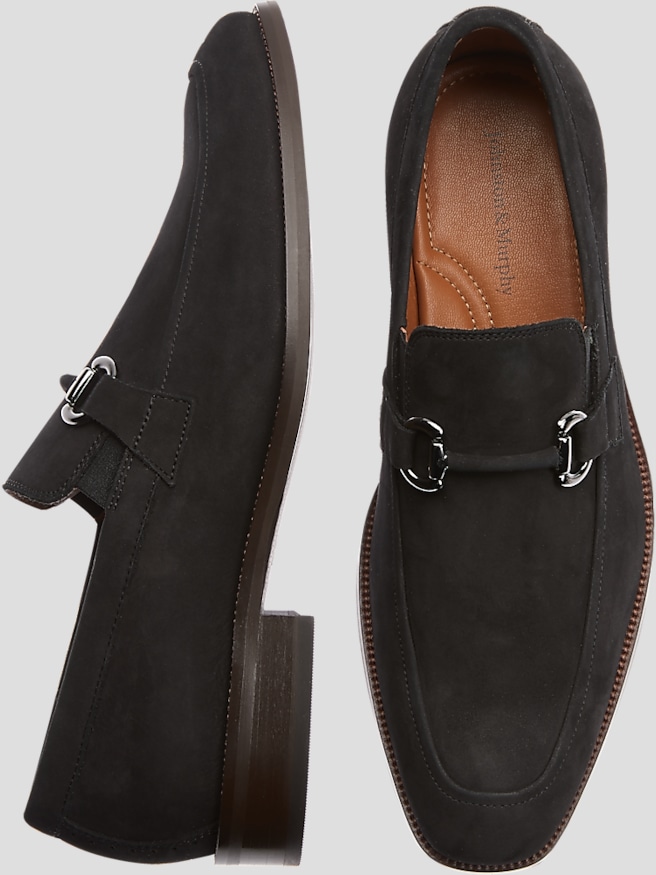
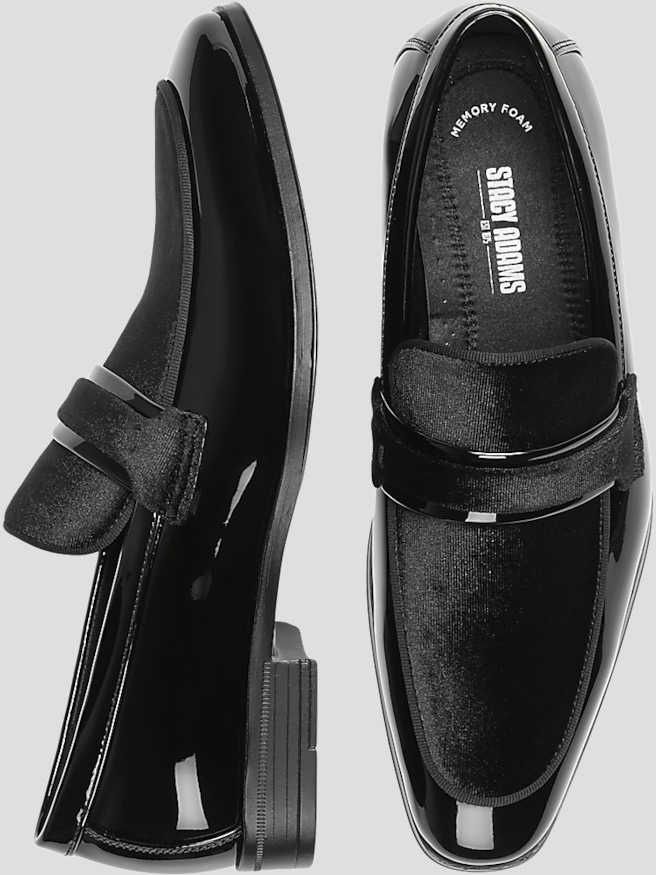
Loafers for everyday wear are slip-on shoes that combine the ease of casual footwear with the clean lines of a dress shoe. Their low profile, open ankle, and lace-free construction make them a natural match for jeans, chinos, and many kinds of tailored trousers. For men whose day includes a commute, desk time, a lunch meeting, and dinner afterward, that versatility can simplify getting dressed without making every outfit feel formal. The defining details help establish the mood: penny loafers have a strap across the upper, tassel loafers add a decorative accent, and Venetian loafers keep the front smooth and unadorned. The familiar shapes associated with Traditional Loafers work especially well in wardrobes built around straightforward shirts, knitwear, and neatly fitted pants. A rounded or softly almond-shaped toe usually feels less formal than a sharply elongated silhouette, while a substantial sole gives the shoe more visual weight alongside denim. Sleeker profiles tend to sit comfortably beneath tapered chinos or dress trousers without overwhelming the opening at the ankle. Color matters just as much as shape. Dark brown brings depth to navy, olive, and tan, while black creates a sharper contrast with gray trousers or dark denim. Medium brown often reads more relaxed, particularly when the leather has visible grain. Suede introduces a softer texture that pairs naturally with an Oxford shirt, a fine-gauge sweater, or an unstructured jacket. The appeal is not limited to office outfits: loafers can make a simple polo and chinos look intentional without the formality of lace-up dress shoes. They also suit workplaces with business-casual expectations, restaurant plans, family gatherings, and other occasions where sneakers might feel too casual. Their usefulness comes from occupying that middle ground, providing enough structure to finish an outfit while remaining easy to wear repeatedly.
Materials and construction determine how everyday loafers feel after the first few minutes and how they hold up over repeated wear. Smooth leather offers a polished appearance and can develop creasing and character with use; full-grain leather retains its natural surface, though comfort and longevity still depend on thickness, tanning, construction, and care. Suede has a soft, textured finish that makes small outfit changes feel more relaxed, but its nap benefits from a dedicated brush and careful spot treatment. A leather lining can provide a smooth interior, while textile linings vary in softness and breathability. Inside the shoe, cushioning may soften contact underfoot, but a thick footbed is not automatically more comfortable than a thinner one with a well-shaped base. Arch contour, forefoot room, and heel stability all contribute to how a loafer feels over a full day. Sole design deserves equal attention. Rubber outsoles can add flexibility and grip, depending on their compound and tread, while leather soles maintain a slim, dressier profile and may feel slick on smooth surfaces. Some stitched constructions allow sole replacement, although repair options depend on the shoe’s design and condition. For frequent walking, secure fit and a stable sole matter more than decorative details. Because loafers have no laces to adjust, the upper needs to hold the foot comfortably across the instep without pinching. The heel should feel seated rather than lifting noticeably with each step, and toes need space to rest naturally instead of pressing against the front or sides. A small amount of initial stiffness may ease in leather footwear, but painful pressure, cramped toes, or persistent slipping should not be treated as normal break-in. Trying loafers with the socks intended for regular wear gives a more useful sense of fit than trying them barefoot and adding thicker socks later. Walking on a clean indoor surface also reveals whether the shoe bends comfortably at the forefoot and whether the heel stays secure through a normal stride.
Everyday wear also depends on the details around the shoe. Pants that finish near the top of a loafer help preserve its clean outline; excessive fabric pooling at the ankle can hide the shape and make an otherwise neat outfit look unfinished. With tailored trousers, a slight break offers a familiar, polished proportion. With jeans, a straight or gently tapered leg provides enough room for the shoe without creating a dramatic contrast between a narrow ankle and a broad toe. Fine-knit dress socks connect loafers to office clothing, especially when their color relates to the trousers rather than competing with them. No-show socks create a bare-ankle appearance while adding a layer between the foot and the lining, provided they remain in place and do not crowd the fit. Keeping that fit consistent is particularly useful for men who wear loafers several times a week. Regular care helps preserve both appearance and structure: surface dust can be removed with a soft brush or cloth, and smooth leather benefits from an appropriate conditioner used according to its directions. Matching polish can refresh color and improve the finish when suitable for the leather. Suede needs its own tools and treatments rather than ordinary shoe polish. Allowing shoes to air out between wears, using shoe trees that fit without stretching the upper, and avoiding direct heat all support routine upkeep. A shoehorn can also reduce repeated crushing at the heel, a common source of wear in slip-on footwear. For someone building a practical wardrobe, loafers offer a useful alternative to both sneakers and more formal dress shoes, particularly when most days involve a mix of sitting, standing, and moderate walking. They can also make a thoughtful gift for a graduate starting an office role, a partner refining an everyday wardrobe, or a father who appreciates familiar, understated clothing. Known size, preferred width, and usual trouser styles are more helpful gift considerations than an eye-catching detail alone. The most useful everyday loafers are the ones that fit securely, complement the clothing already in rotation, and remain comfortable through the ordinary routines they are meant to serve.