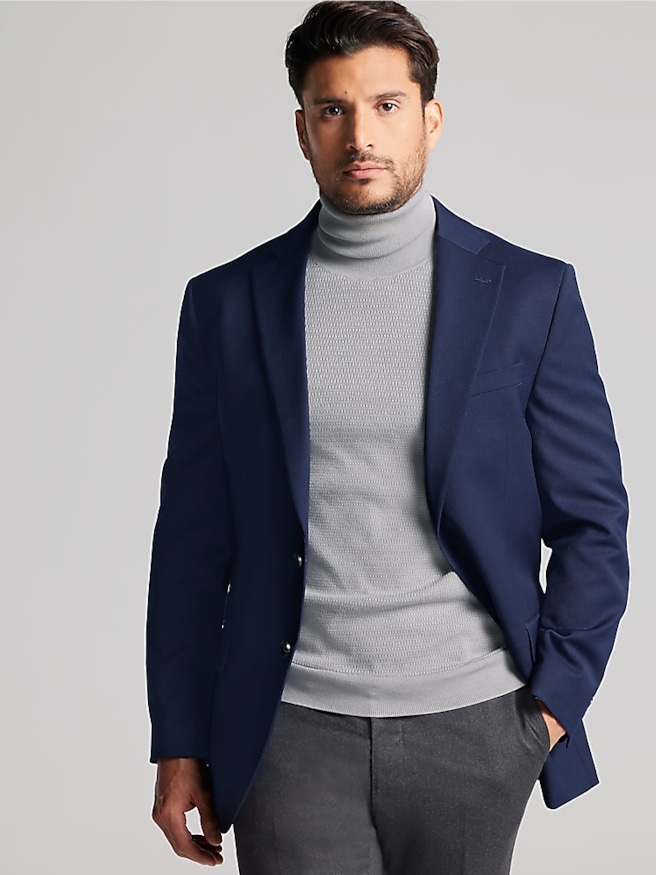
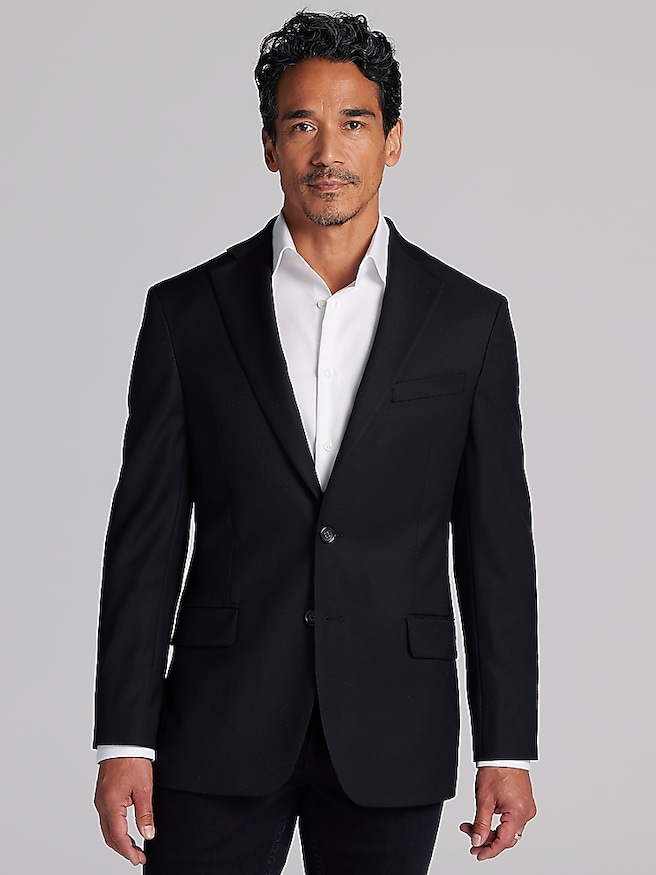
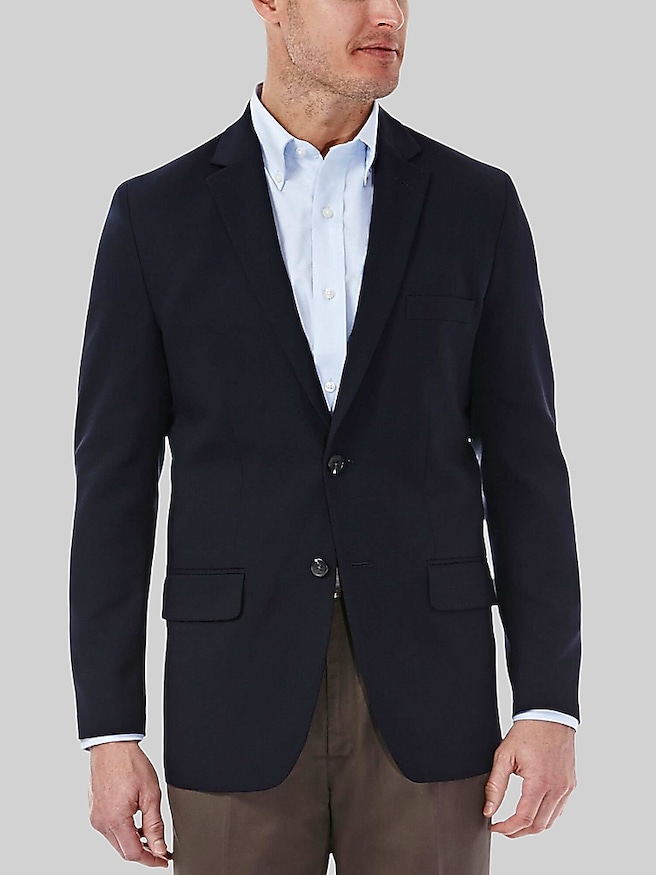
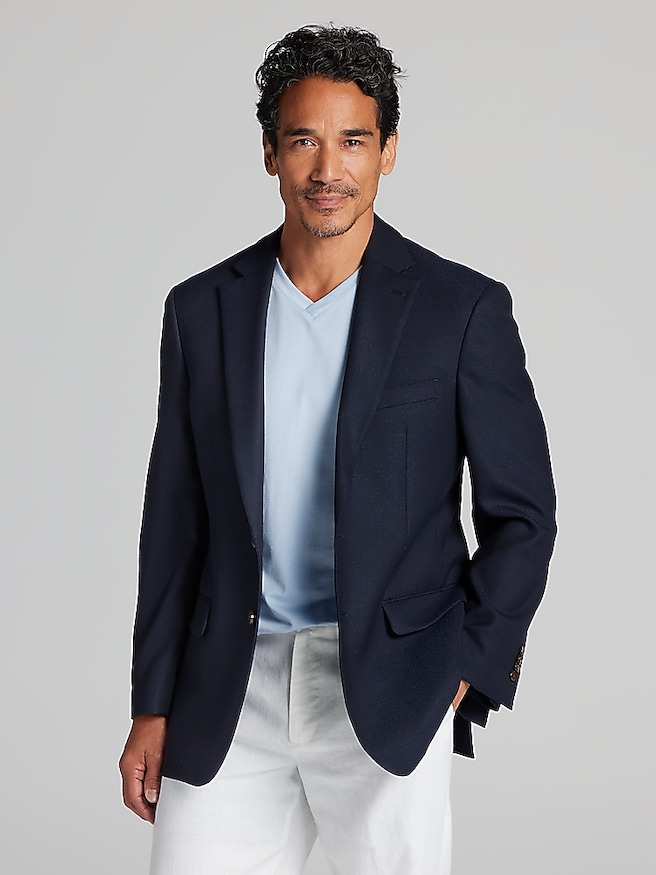
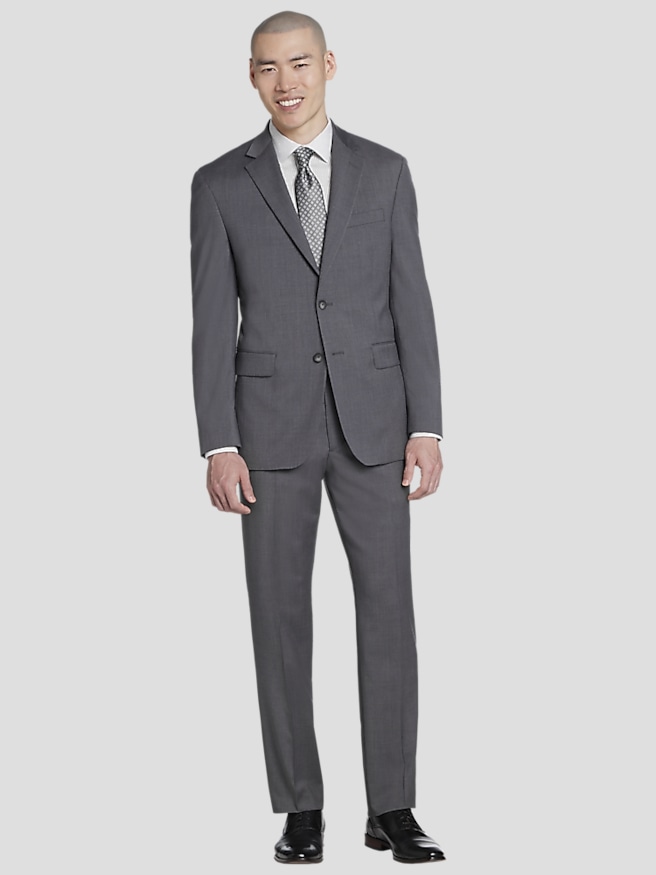
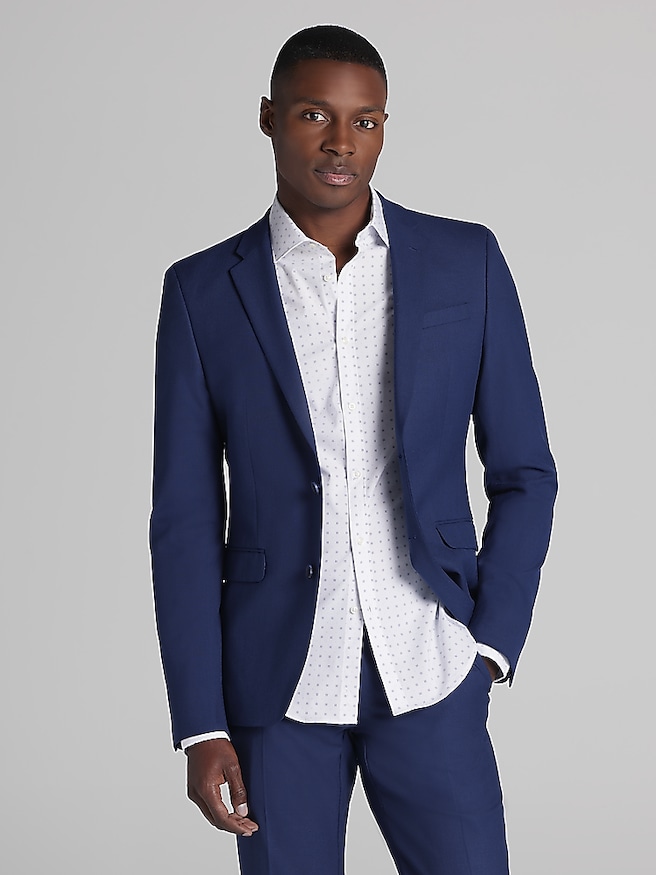
Peak lapels are defined by their sharp, upward-pointing edges, which extend beyond the collar seam toward the shoulders and create the distinctive “peak” that gives this jacket style its name. Compared with a notch lapel, the design has a more structured, formal character, with strong diagonal lines that draw the eye outward across the chest and upward toward the face. That visual effect can make the shoulders appear broader and the overall frame look taller, while adding a confident, tailored finish to everything from formal suiting to polished separates. Peak lapels have long been associated with tuxedos, tailcoats, and double-breasted tailoring, but the style has become increasingly versatile in modern wardrobes. A single-breasted jacket with peak lapels can bring authority to a business outfit, while a textured sport coat or seasonal blazer can give the same silhouette a more relaxed interpretation. When choosing among peak lapel styles, consider the occasion, the jacket’s construction, and the proportions that feel most natural on your frame. Wider lapels tend to make a stronger statement and can complement a broader build, while a more moderate width may feel balanced on a slimmer frame. The lapel should lie flat against the chest without pulling, bubbling, or collapsing when the jacket is buttoned. Shoulder seams should sit close to the natural edge of the shoulders, sleeves should reveal a small amount of shirt cuff, and the jacket should drape cleanly through the chest and waist. A well-fitted peak lapel does much of the visual work on its own, so precise tailoring is especially valuable; small adjustments to sleeve length, jacket length, or the waist can turn a good fit into one that looks intentionally made for you.
Peak lapel jackets are particularly useful for occasions that call for a composed, memorable appearance. They suit formal weddings, evening celebrations, galas, ceremonies, and professional settings where a traditional suit with a little more presence feels appropriate. Dark neutrals such as black, charcoal, and navy create a refined foundation for formal dressing, while lighter shades and subtle textures can make the silhouette more approachable for daytime events and social gatherings. During the cooler months, wool and wool-blend fabrics offer warmth, structure, and a smooth drape beneath an overcoat; lightweight blends and breathable materials can make the same look more comfortable for indoor events or transitional weather. If a double-breasted shape appeals to you, a Double Breasted Slim Suit can emphasize the architectural quality of peak lapels, especially when the jacket closes neatly across the torso without excess fabric. For a single-breasted option, keep the rest of the outfit clean and deliberate so the lapel remains the focal point. A spread or semi-spread shirt collar generally balances the outward angle of the lapel, and the tie should be close in width to the lapel for a harmonious proportion. A very narrow tie beside a broad peak lapel can look disconnected, while an overly wide tie may make the chest appear crowded. Solid ties, restrained patterns, and simple pocket squares tend to complement the jacket’s strong lines without competing for attention. For black-tie occasions, coordinate the lapel finish with the rest of the eveningwear and keep accessories streamlined. For business wear, a crisp shirt, well-polished shoes, and a neatly folded pocket square can soften the formality just enough for the office while preserving the confident impression of the silhouette.
Peak lapel styles can also be meaningful gifts for someone beginning a professional wardrobe, preparing for a wedding, celebrating a promotion, or building a dependable rotation for formal events. They are a thoughtful choice for a graduate entering a first career, a member of a wedding party, or anyone who appreciates clothing with classic detail and a strong sense of occasion. When selecting one as a gift, pay attention to the recipient’s usual fit preference, typical color choices, and the settings in which they are most likely to wear it. A versatile dark shade is practical for ceremonies, interviews, dinners, and business events, while a textured or lighter option may suit someone whose wardrobe already includes formal essentials. If the jacket will be worn often, prioritize fabric comfort, wrinkle resistance, and construction details such as functional pockets, a smooth lining, and enough room for natural movement. If it is intended for a single special event, focus on the dress code and the overall coordination of the outfit, including the shirt, tie, footwear, and accessories. Peak lapels naturally create a polished entrance: the crisp point at the chest, the clean line across the shoulder, and the controlled shape through the waist can make even a familiar suit feel more distinctive. They work especially well for people who prefer clothing that communicates confidence without relying on loud patterns or excessive decoration. With thoughtful fit and complementary proportions, a peak lapel jacket can move easily from a formal ceremony to a professional dinner, from an evening reception to a cool-weather celebration, giving its wearer a sharp, dependable option whenever the occasion calls for a little extra presence.