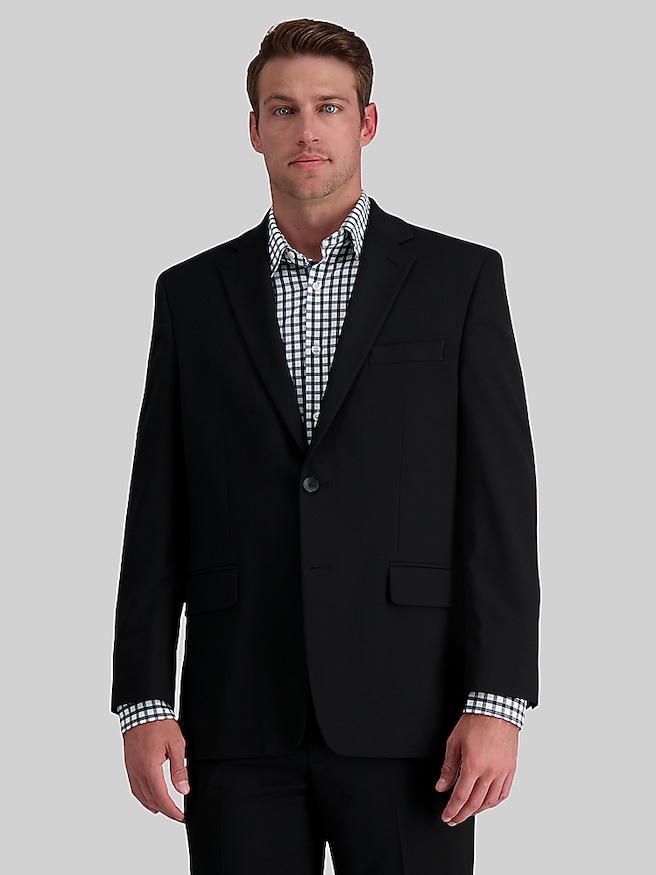
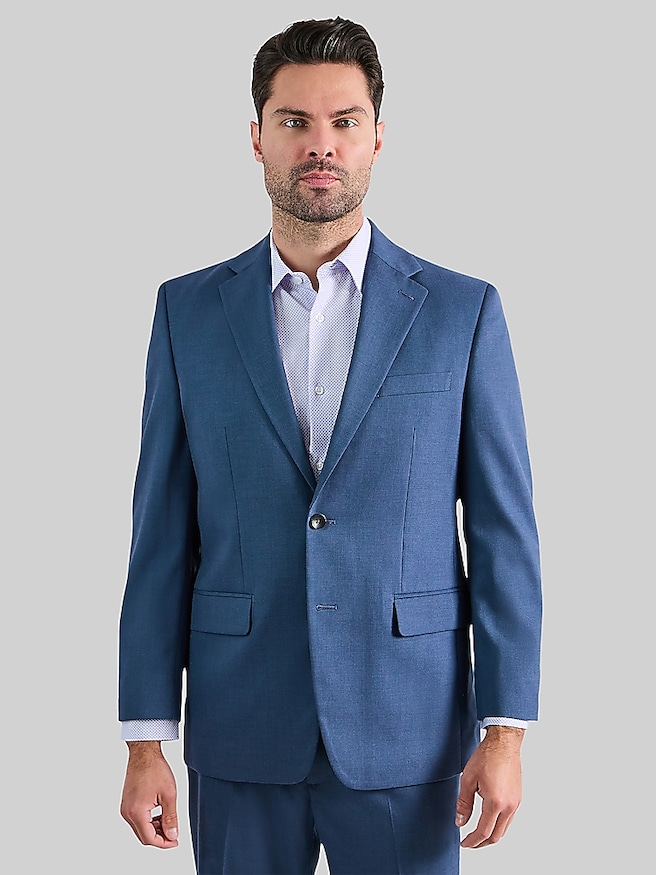
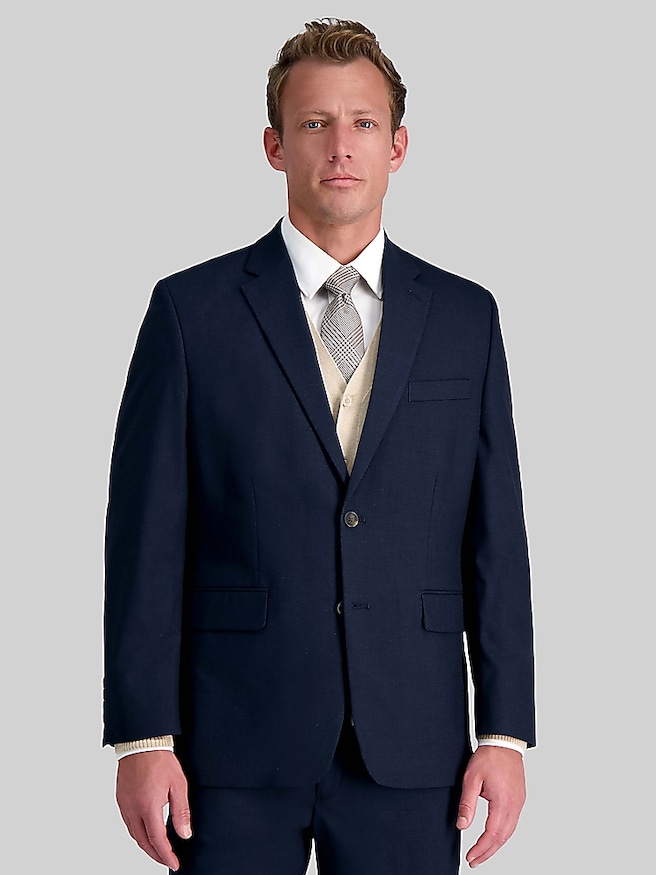
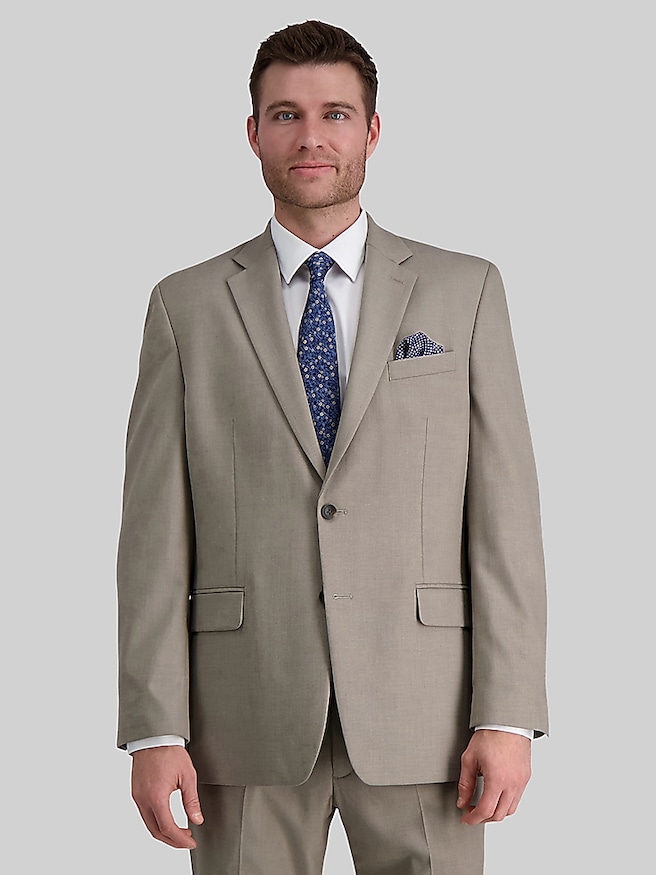
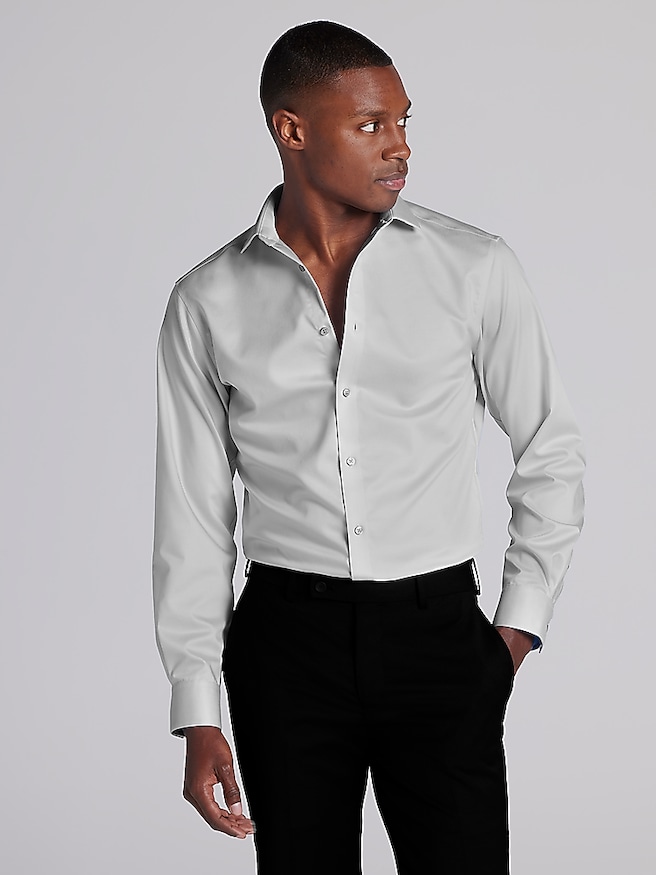
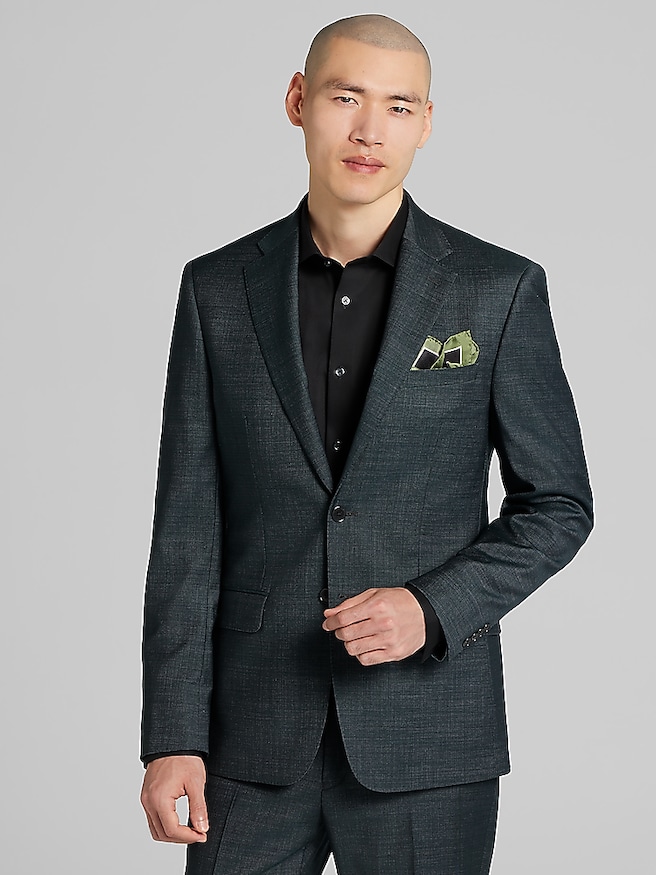
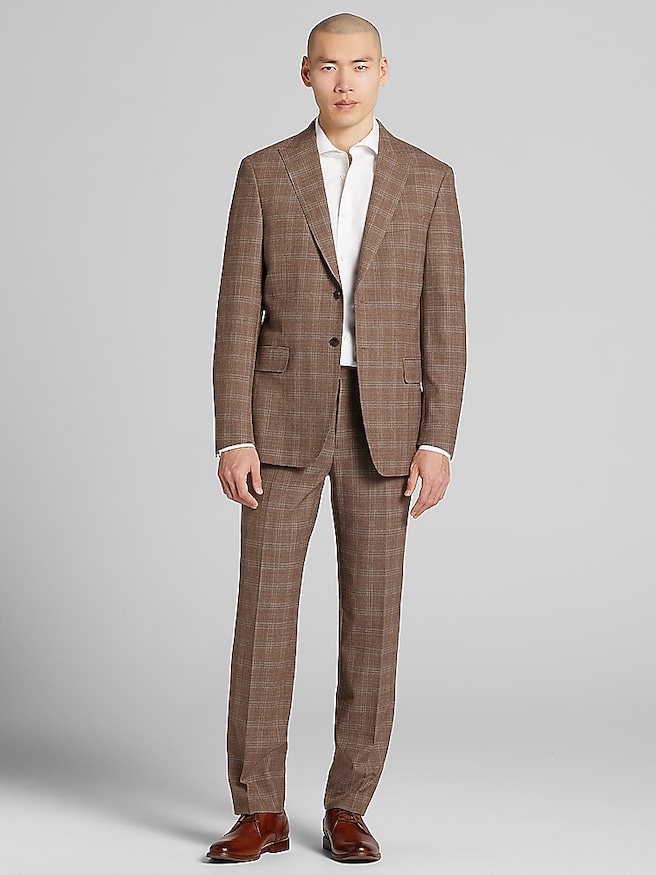
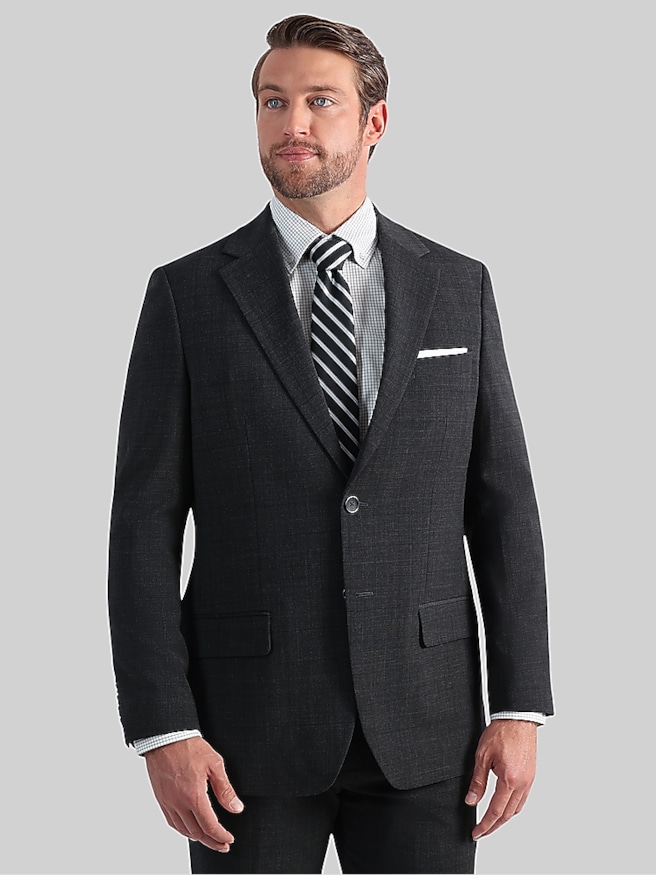
Neutral color suits bring together the dependable shades that make dressing well feel straightforward: navy, charcoal, grey, tan, beige, brown, cream, and ivory. These colors form the backbone of a versatile men’s wardrobe because they coordinate easily with shirts, shoes, ties, and accessories while adapting to a wide range of settings. A navy suit can move from a job interview to a business meeting, evening celebration, or formal gala with only a few changes in styling. Charcoal offers a serious, polished alternative to black and is especially fitting for formal business settings, evening events, and solemn occasions. Medium grey strikes a balanced note, with enough structure for the office and enough flexibility for weddings, dinners, and day-to-night plans. Lighter grey, tan, and beige suits bring a relaxed, open feel to warm-weather ceremonies, outdoor receptions, destination weddings, and daytime celebrations, while brown and taupe add earthy depth that feels especially natural during the cooler months. Cream and ivory offer a refined, modern look for outdoor ceremonies and fashion-forward formalwear. When choosing among neutral color suits, consider the setting, time of day, season, and the impression you want to make. A darker shade generally reads as more formal and traditional, while lighter neutrals feel more relaxed and celebratory. The cut and fabric matter, too: a clean, tailored silhouette can make a lighter color feel polished, while a textured weave can add visual interest without relying on a bold pattern. For a first suit, navy or medium grey is often a practical starting point because each works with a broad range of shirts and accessories. For someone who already owns those essentials, tan, beige, brown, or a lighter grey can expand a wardrobe with a fresh option for weddings, social gatherings, and less conventional office environments.
The simplest way to style a neutral suit is to begin with a crisp white or light blue dress shirt. White creates the clearest, most formal foundation and pairs naturally with navy, charcoal, grey, tan, beige, brown, cream, and ivory. Light blue softens the overall look and adds understated color without competing with the suit. From there, a tie can establish the mood: deep blue, burgundy, forest green, or a subtle pattern complements many neutral shades while maintaining a composed appearance. Pocket squares and belts can repeat a color from the tie or shoes for a coordinated finish rather than matching every detail exactly. Shoe color helps anchor the outfit. Dark brown leather shoes are a natural match for tan and beige suits, and they also bring warmth to medium grey and brown tailoring. Black shoes complement navy and charcoal when the occasion calls for a sharper, more formal presentation, while oxblood can add restrained richness to darker neutrals. Lighter suits often look best with clean, intentional accessories and well-kept footwear, since the eye notices details more easily against a pale background. Fit should remain a priority across every color. The jacket should lie smoothly across the shoulders, the collar should sit close to the neck, and the trouser break should look deliberate rather than pooled at the shoe. A properly fitted neutral suit can be dressed up with a tie and polished leather shoes or relaxed with an open-collar shirt and more casual accessories, making it useful well beyond a single event. During warmer weather, breathable fabrics and unlined or lightly constructed jackets can make tan, beige, cream, and light grey more comfortable outdoors; as temperatures drop, richer textures and darker shades create a naturally grounded appearance.
Neutral color suits are useful for nearly every stage of a man’s wardrobe, from a first interview suit to formalwear for milestone celebrations. They can be a thoughtful gift for a graduate beginning a professional career, a son preparing for interviews and ceremonies, a partner attending a wedding, or a father looking for a reliable option that will serve him for years. When giving a suit as a gift, pay close attention to measurements, preferred fit, and the recipient’s lifestyle. Someone who works in a traditional office may get the most use from navy or charcoal, while a person who attends frequent outdoor events may appreciate tan, beige, light grey, or cream. A man who already has several dark suits may welcome the texture and warmth of brown or taupe, particularly for weddings and gatherings during the cooler months. Neutral shades also make coordinating group attire easier, whether several members of a wedding party need to look cohesive without appearing identical or a family wants polished portraits with complementary colors. For formal ceremonies, dark navy and charcoal provide a reliable foundation; for daytime celebrations, destination events, and outdoor receptions, lighter neutral tones help reflect the setting. Care can extend the life of any suit: use a proper hanger, allow the fabric to rest between wears, brush away surface debris, and follow the garment’s cleaning instructions. Keeping shirts, ties, shoes, and belts in rotation also allows one suit to create several distinct outfits. For shoppers who want to explore a broader range of coordinated tones and varied color combinations, Multi Color Suits can offer additional ways to build a personal formalwear collection while keeping the dependable versatility that makes neutral tailoring a lasting choice.