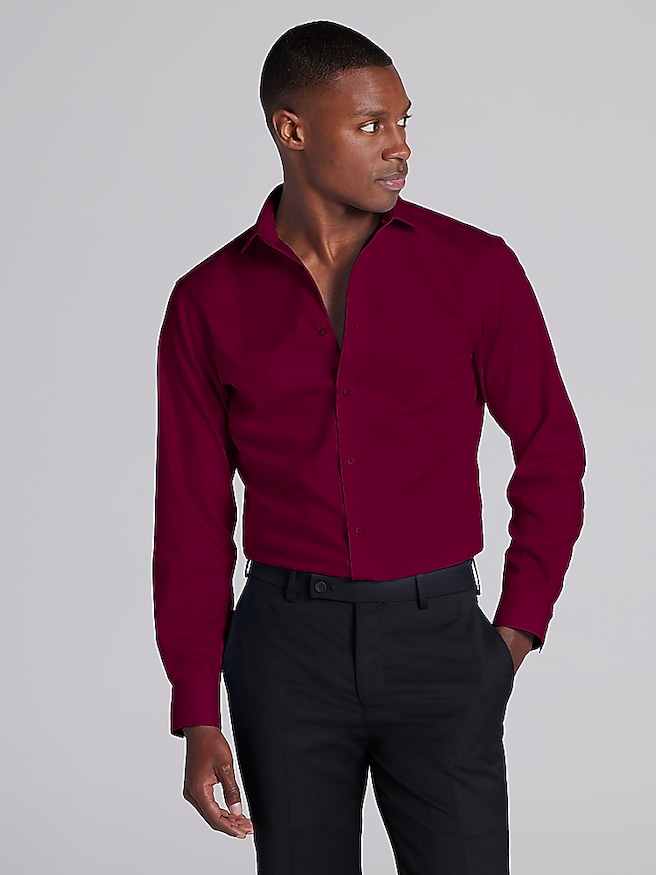
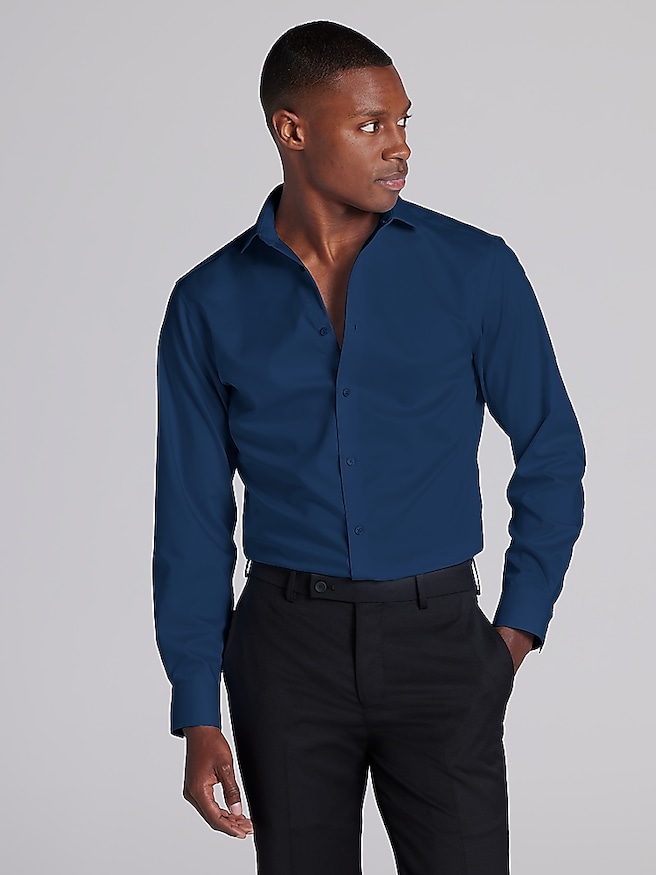
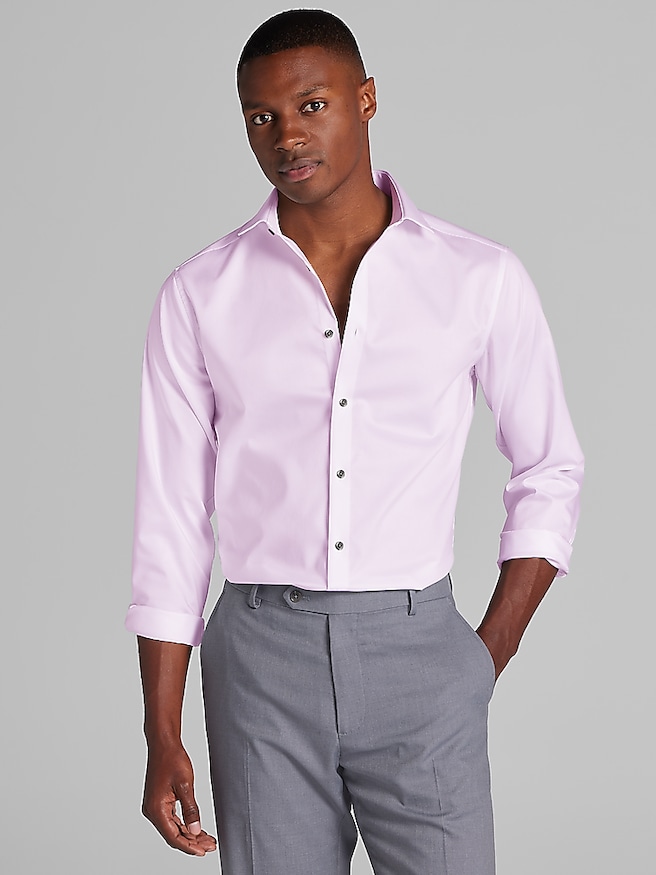
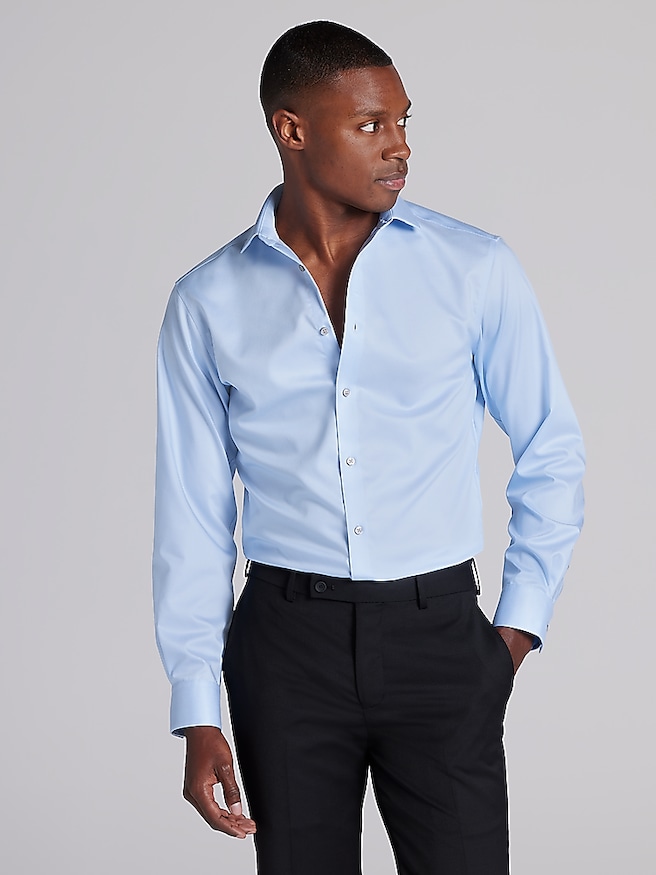
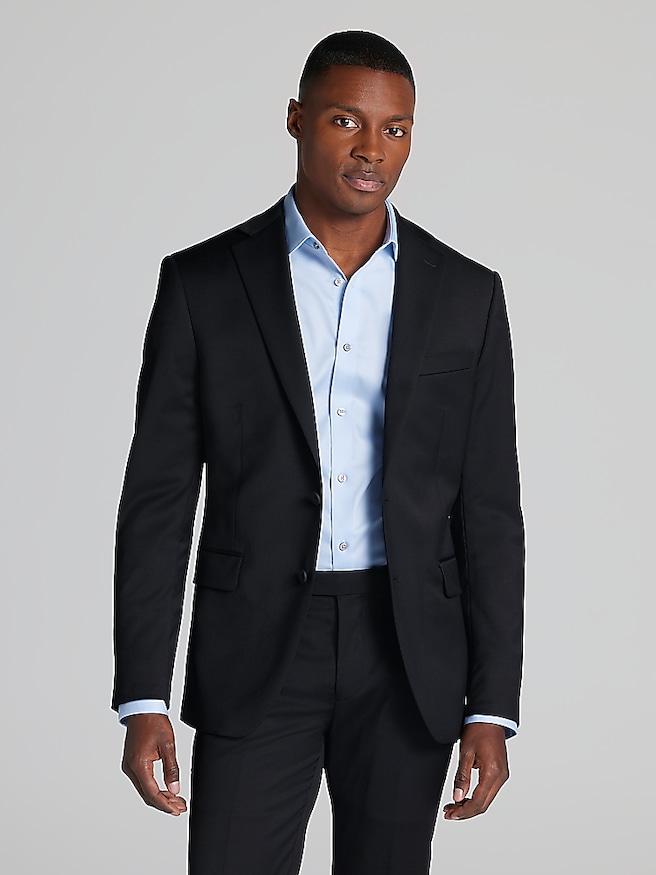
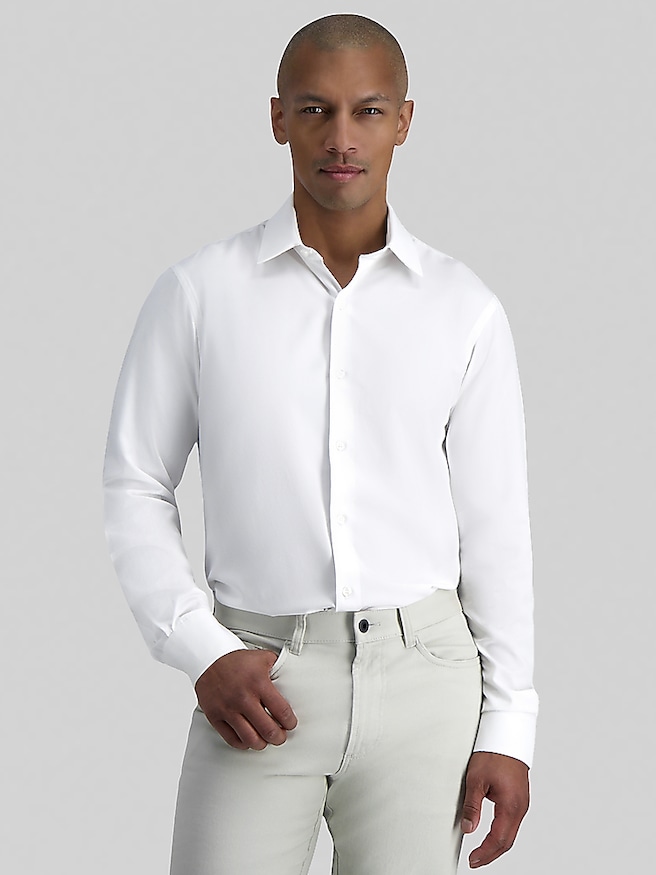
Neutral color dress shirts bring understated color to tailored outfits through shades such as beige, stone, taupe, cream, khaki, and soft gray. White and ivory also belong to this versatile palette, offering a clean foundation without competing with a suit, tie, or sport coat. Beige and cream have a warmer cast, while stone and light gray can feel cooler and more reserved; taupe sits between gray and brown, making it especially useful alongside earth-tone tailoring. These subtle distinctions give neutral dress shirts character even when the overall outfit stays simple. A cream shirt softens the contrast of a navy suit, a pale gray shirt complements charcoal trousers, and a stone shirt works naturally with a brown textured jacket. For business meetings, interviews, weddings, and dinners with a dress code, the appeal is straightforward: a restrained shirt color leaves room for the rest of the outfit while still looking intentional. A burgundy tie can become the focal point against beige, while a navy tie adds definition to ivory. With patterned tailoring, a solid neutral shirt provides a quiet surface between stripes, checks, and textured fabric. Without a tie, the same shirt can look polished beneath an unstructured jacket, provided the collar holds its shape and the neckline sits neatly. The lightness or depth of the shade matters as much as the color name. A pale cream creates more contrast against a dark jacket than a medium taupe, while a deeper khaki can make an outfit feel less formal. In settings with strict business expectations, white and very light neutrals tend to create a more conventional impression; warmer, deeper shades allow more personality where the dress code permits it. Neutral does not have to mean indistinct. The right shade can pick up the brown in a checked jacket, balance a richly colored tie, or create a deliberate tonal combination with trousers in a similar color family.
Fabric and fit determine how a neutral dress shirt feels during a full day and how neatly it sits under tailoring. Cotton is valued for its soft feel and breathability, while cotton blends may add wrinkle resistance, easier maintenance, or other performance characteristics, depending on their composition and finish. A small amount of stretch can provide flexibility through the shoulders and arms, though stretch does not replace a well-proportioned fit. The weave also changes the shirt’s appearance. Poplin typically has a smooth, crisp surface that suits polished business dressing. Twill has a fine diagonal texture and often drapes with a little more substance, while pinpoint oxford offers subtle texture that works with both suits and separate jackets. Fabric weight and density deserve attention in pale shades because lighter colors can reveal an undershirt or show through more noticeably under bright lighting. A closely woven fabric and an undershirt close to the wearer’s skin tone can help create a more even appearance. At the collar, a comfortable fit allows the top button to close without pressure or an obvious gap. Across the shoulders, seams should sit close to the natural shoulder line, with enough room through the upper back to reach forward without pulling. The torso should lie cleanly beneath a jacket rather than billow at the waist or strain between buttons when seated. Slim, tailored, and classic fits describe general shapes, but their proportions can vary, making actual measurements more useful than the fit name alone. Sleeve length matters when typing, shaking hands, or reaching across a conference table: the cuff should stay near the wrist rather than retreat up the forearm. A dress shirt intended to be tucked in also needs enough length to remain secure through ordinary movement. Together, these details give a neutral shirt its finished appearance. Even the most adaptable shade looks more considered when the collar rests properly, the front lies smooth, and excess fabric does not bunch beneath a jacket.
Collars, cuffs, and finishing details help distinguish neutral dress shirts that otherwise appear similar at a glance. A point collar creates a relatively narrow frame for a tie, while a spread collar leaves more room for a fuller knot. A button-down collar generally brings a more relaxed character, making it a natural companion to less formal tailoring when the occasion allows. Button cuffs keep the finish straightforward; French cuffs add a dressier element and accommodate cuff links for occasions that call for them. Consistent stitching, neatly finished buttonholes, secure buttons, and smooth seams contribute to durability, especially in areas that receive repeated handling. Care is just as important to keeping pale neutral shades looking fresh. Following the garment’s care label helps protect the fabric, finish, and fit, particularly when a shirt includes stretch fibers or a wrinkle-resistant treatment. Separating light colors from dark garments can reduce unwanted color transfer, and addressing marks at the collar and cuffs promptly helps prevent buildup from becoming harder to remove. Where ironing is permitted, the recommended heat setting matters; excessive heat can damage fibers or leave an unwanted shine. Hanging a shirt neatly after laundering can also make the next wear easier, although easy-care finishes do not eliminate every crease. For someone who wears tailoring frequently, a wardrobe centered on Mens Neutral Shirts offers a consistent color foundation, with dress shirts providing the structure needed for more polished occasions. These shirts can also make thoughtful gifts for a graduate beginning an office role, a partner refreshing business attire, or a father who prefers restrained colors. Knowing the recipient’s neck measurement, sleeve length, preferred fit, and usual care routine makes that choice more personal and practical. Whether worn for an important presentation or a family celebration, a neutral dress shirt earns its place through a useful combination of subtle color, comfortable proportions, and details that hold up to repeated wear.