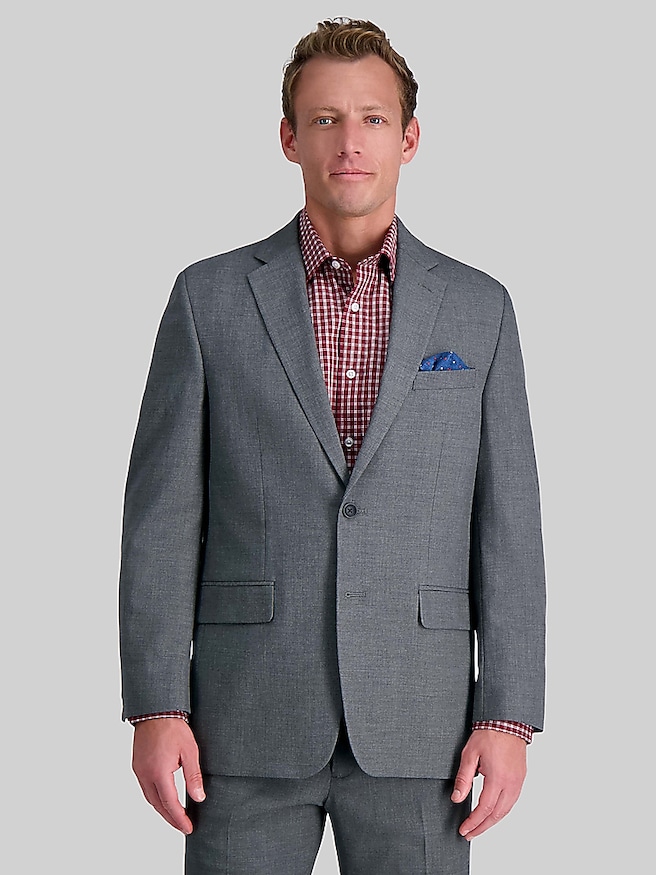
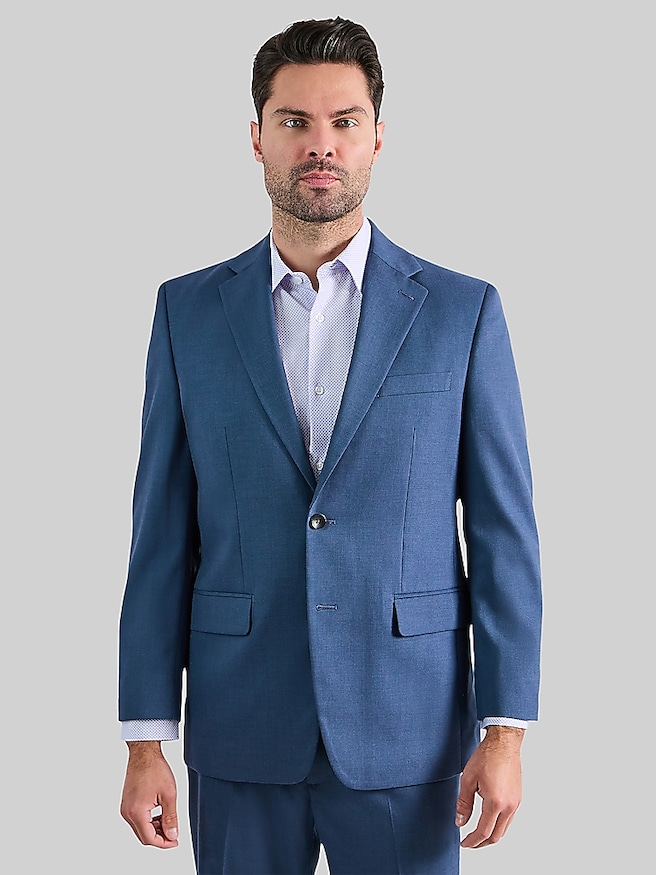
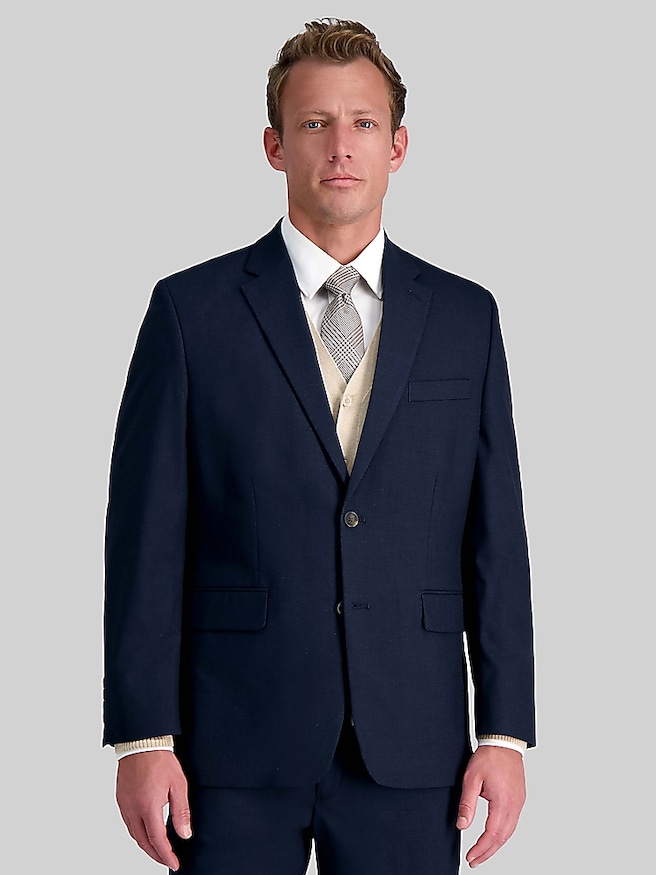
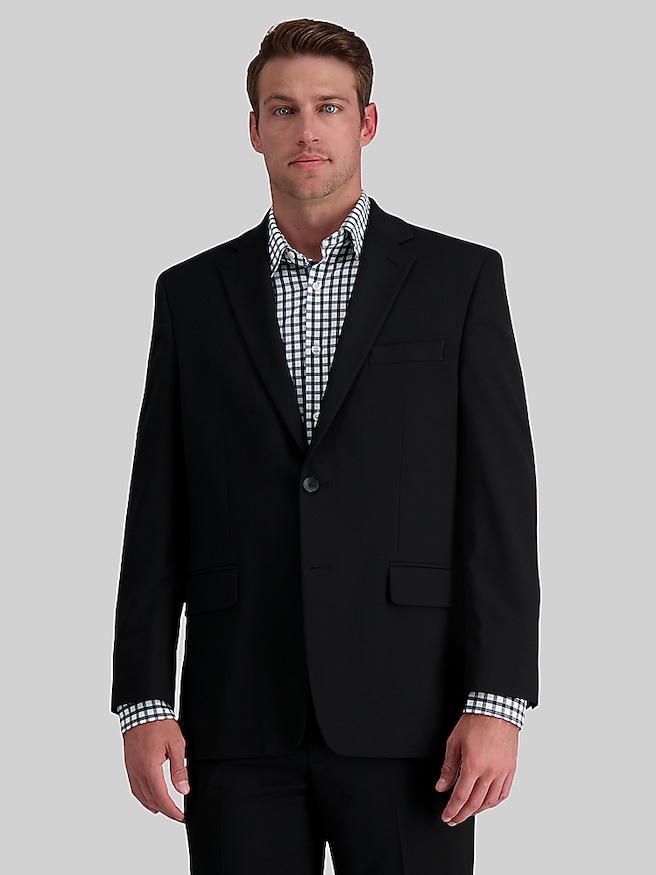
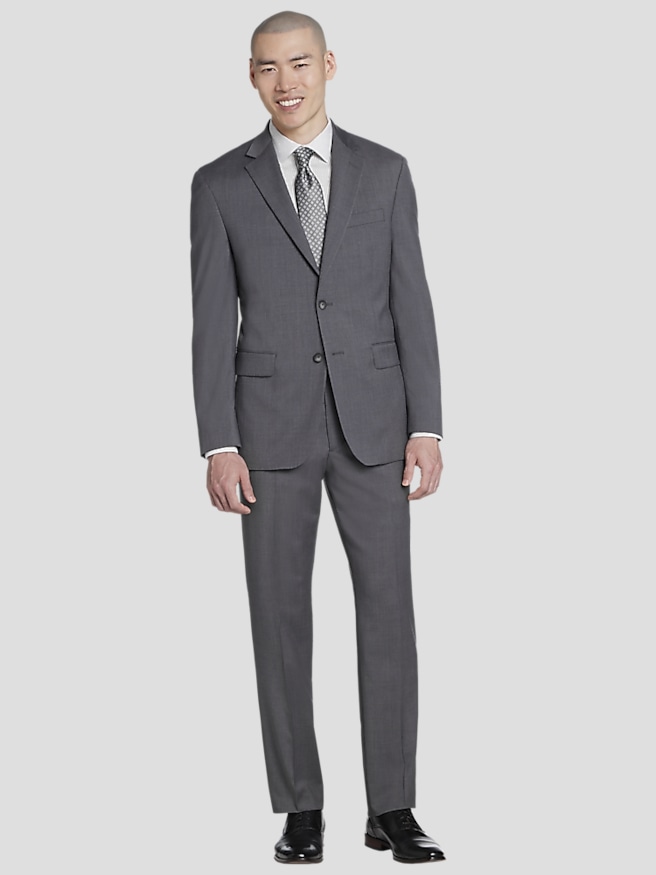
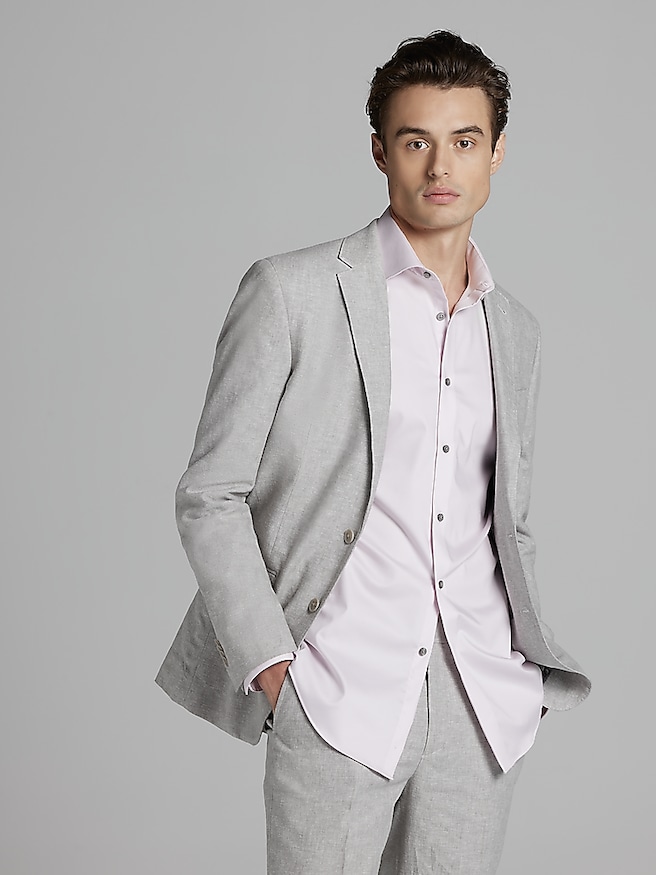
Narrow lapel suits bring a clean, contemporary character to traditional tailoring. A narrow lapel is generally about 2 to 2.5 inches wide, compared with the 3 to 3.5 inches commonly found on a standard-width lapel. That difference may seem small on a measuring tape, but it changes the overall impression of a suit: the jacket can look sleeker, lighter, and more streamlined, with a sharp line that complements modern shirts, slimmer ties, and refined dress shoes. These suits are often a natural choice for someone with a slim or athletic build, particularly when the chest measures under about 38 inches, though body type alone should never be the only consideration. Height, shoulder width, jacket length, button stance, and trouser shape all affect how the proportions come together. The best narrow lapel suit creates balance rather than simply making every detail as small as possible. When the lapel, shoulders, sleeves, and trousers work in harmony, the result feels polished and current instead of overly skinny or costume-like. That distinction matters in a fitting room: a jacket can have a narrow lapel while still offering comfortable movement through the chest and a clean drape through the waist. Look for a collar that sits flat against the neck, shoulders that end naturally at the edge of your own shoulders, and sleeves that allow a small amount of shirt cuff to show. The jacket should close without pulling across the button, while the trousers should rest comfortably at the waist and fall cleanly without excessive bunching. A little tailoring can refine the fit, but alterations cannot always correct a jacket that is fundamentally too narrow or too short.
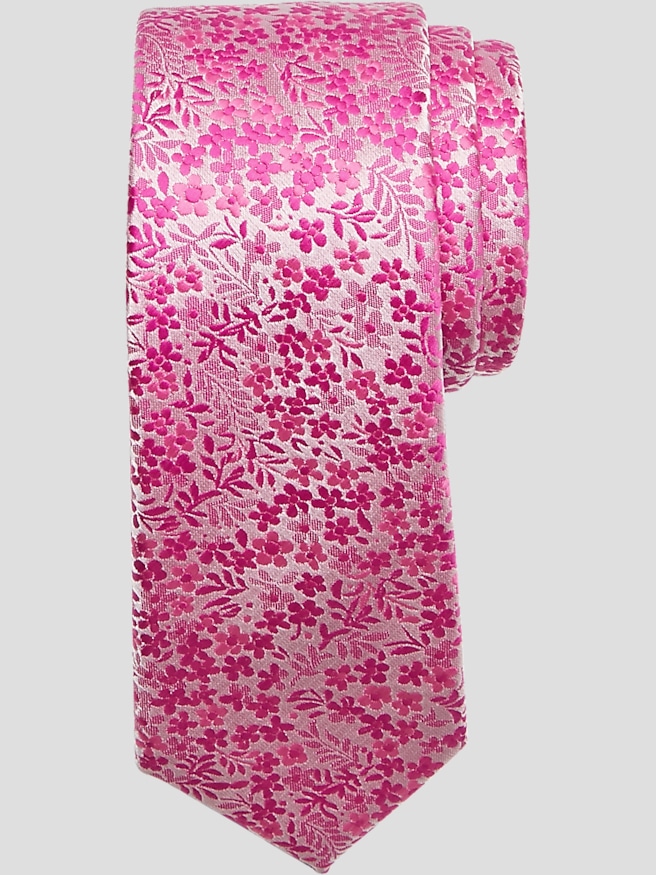
The versatility of narrow lapel suits makes them useful for a range of dress occasions. Their modern silhouette fits naturally at weddings, evening receptions, cocktail events, business celebrations, date nights, and semi-formal gatherings where a traditional suit may feel too conservative. A white or light-colored dress shirt keeps the look crisp, while a subtly patterned shirt can add personality without competing with the jacket’s clean lines. Slim or moderately proportioned ties generally complement narrow lapels, but the tie should not be so thin that the entire outfit looks exaggerated; matching the tie width to the lapel creates a more intentional appearance. Pocket squares, textured ties, and understated dress socks can add depth, especially when the suit is worn in a simple color palette. During the cooler months, a fine-gauge sweater layered beneath the jacket or a structured overcoat worn on top can provide warmth while preserving the suit’s streamlined profile. For a formal ceremony, keep the styling restrained with a pressed shirt, polished leather shoes, and minimal accessories. For a relaxed reception or evening out, the same suit can take on a less formal mood with an open collar, a neatly folded pocket square, or a refined knit shirt, provided the setting allows it. A common fitting-room moment is seeing how much the right proportions change the way a jacket feels: one man may arrive concerned that a narrow lapel will look too youthful, then find that a properly fitted shoulder and a slightly fuller trouser create exactly the confident, grown-up balance he wanted. The lapel is an important detail, but it should support the complete outfit rather than command all of the attention.
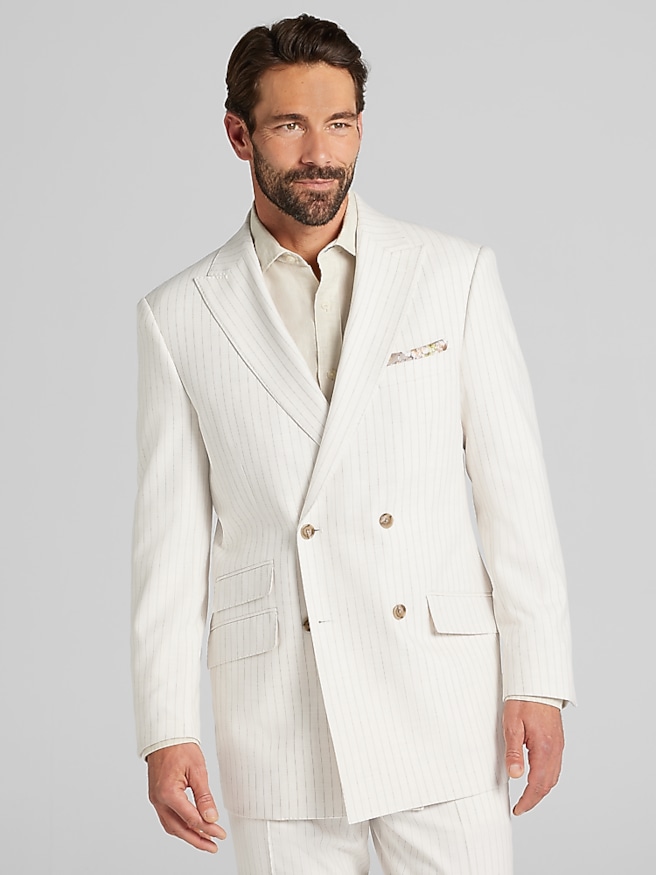
When choosing from narrow lapel suits, consider how often the suit will be worn, what settings it needs to cover, and which pieces already have a place in the wardrobe. A versatile charcoal, navy, or other understated color can move easily from professional events to celebrations, while a more distinctive tone or pattern may be ideal for someone who already owns dependable essentials. Pay attention to fabric weight as well as appearance. A breathable construction can feel comfortable in a busy reception hall, while a warmer cloth or a coordinating overcoat can make dressing for cooler outdoor photographs and evening travel more practical. If the suit is intended as a gift, focus on details that are easier to judge in advance, such as preferred colors, typical dress habits, and whether the recipient favors a modern, close-fitting silhouette. A gift card or a planned fitting can be especially helpful because jacket and trouser proportions vary from person to person, even among men with similar measurements. Someone building a first formal wardrobe may appreciate a narrow lapel suit as a current foundation that can be styled with several shirts, ties, and shoes. Someone who already wears suits may value it as a sharper alternative for celebrations, dinners, and events that call for a contemporary finish. For men who prefer a more traditional proportion, comparing narrow lapels with broader styles can help clarify the desired look; Peak Lapels offer another distinctive direction, with an angled edge that can add visual structure to a jacket. Whichever style is selected, proper care will preserve its shape: use a broad-shouldered hanger, give the fabric time to air between wears, brush away surface lint, and rely on professional cleaning when necessary. A narrow lapel suit earns its place in a wardrobe when it feels comfortable enough to move in, refined enough for important occasions, and adaptable enough to remain useful as the weather shifts from crisp days to colder nights.