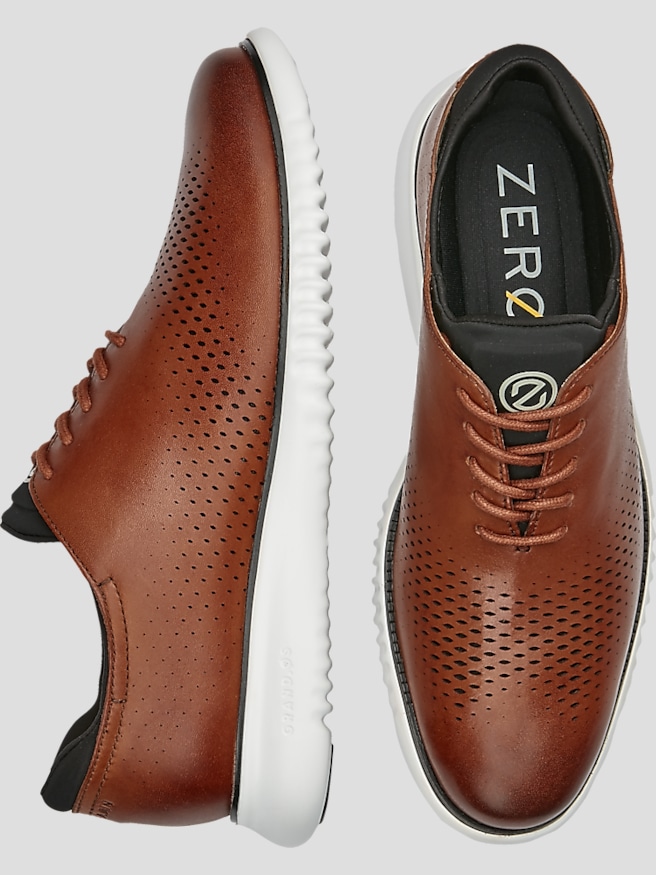
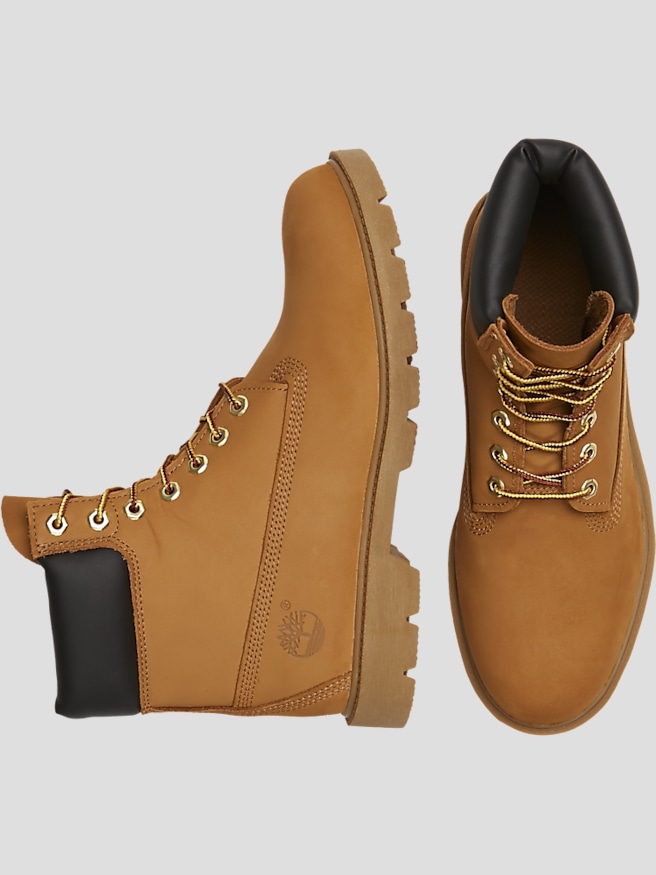
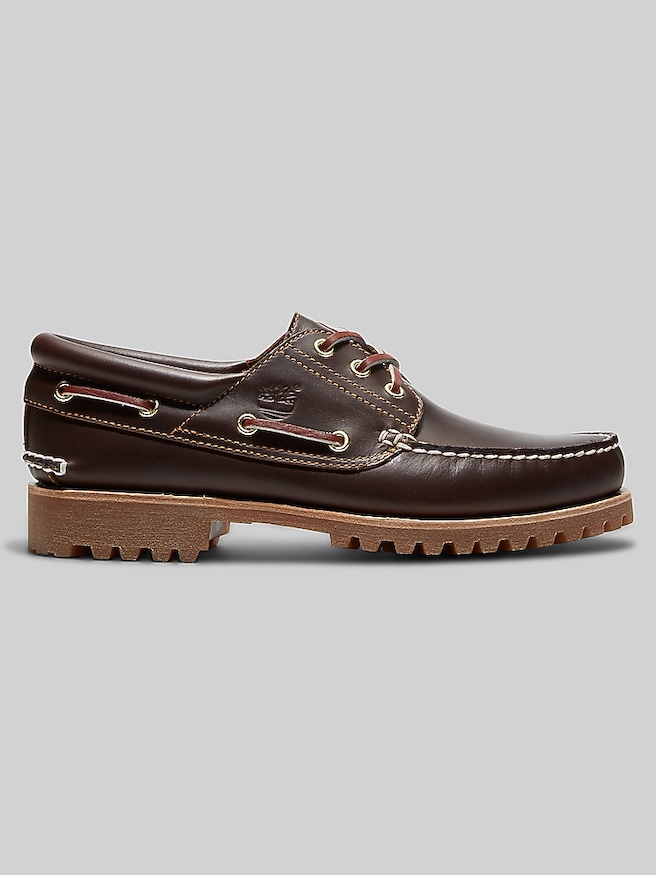
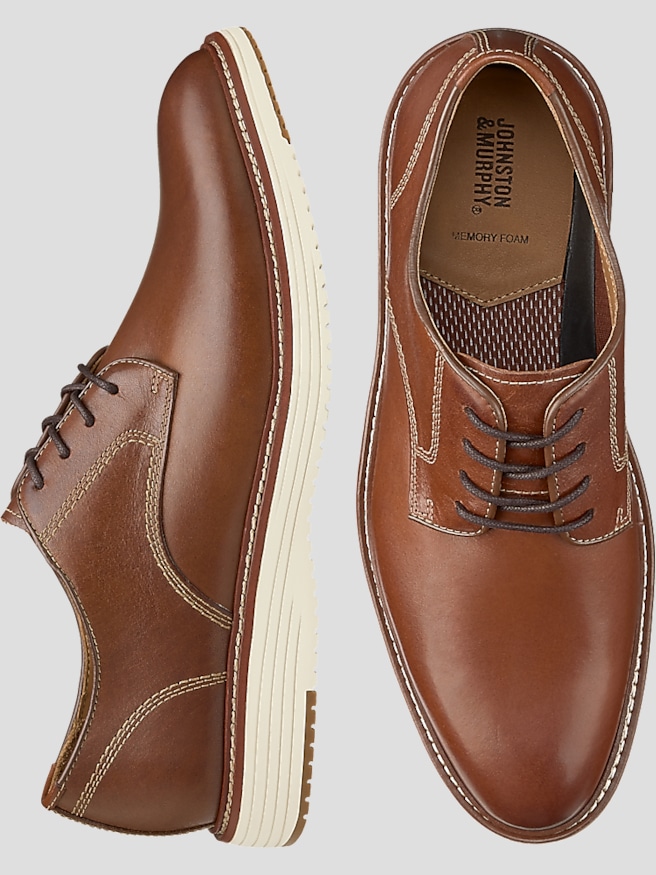
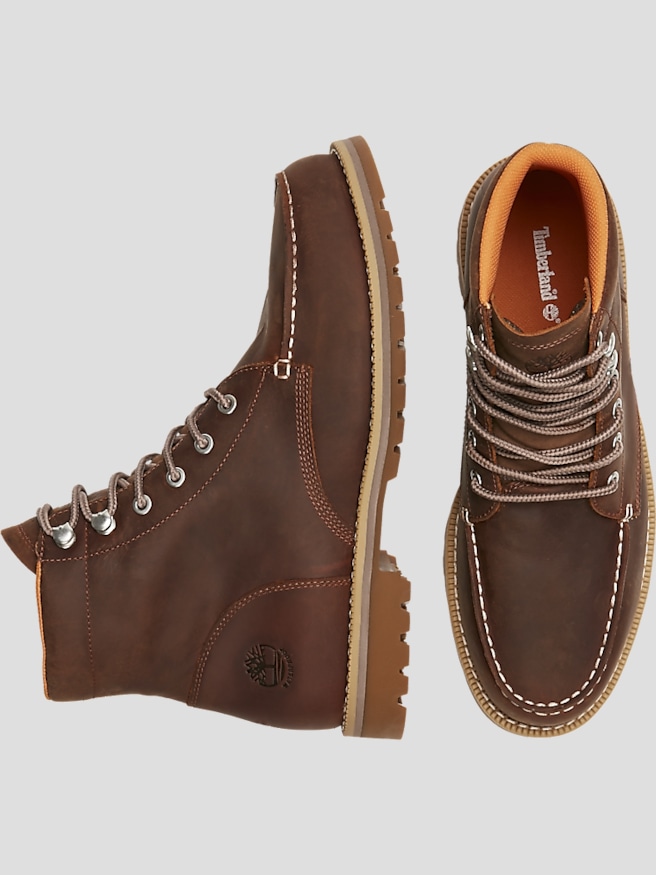
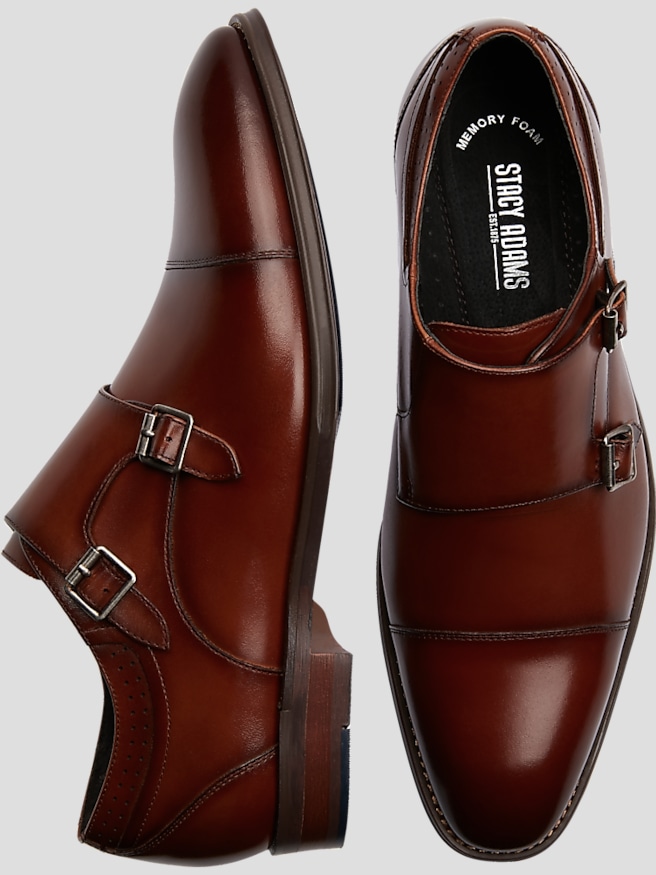
Men’s shoes for restaurant workers bring together the practical demands of a busy shift and the appearance expected in a professional dining room. Slip-resistant outsoles, supportive cushioning, a secure fit, and durable, easy-to-clean uppers are key considerations for footwear worn on hard floors for hours at a time. The right balance depends on the role: a host may spend much of the evening standing near the entrance, a server moves repeatedly between tables and service stations, and a bartender works in a compact space where splashes are common. Kitchen staff face additional exposure to moisture, grease, heat, and dropped food, making workplace-approved protective features especially important. A polished appearance alone does not make a shoe suitable for restaurant work. Slip resistance should be stated in the footwear’s specifications, with testing information considered when provided, rather than assumed from a textured sole or a rubber bottom. No outsole prevents every slip, and even footwear designed for food service needs clean tread and careful footing. Water-resistant uppers can help with incidental splashes, but they are not necessarily waterproof or protective against hot liquids. For front-of-house uniforms, understated black or dark brown footwear often creates a clean line with tailored trousers, provided the color and style meet the restaurant’s dress code. Smooth uppers, subtle stitching, and minimal hardware keep the overall look composed without drawing attention away from the uniform. Those considering Fashionable Work Shoes alongside restaurant footwear can weigh that visual polish against the functional requirements of their position. A dining room with formal table service may call for a dressier profile, while a casual café may permit an athletic shape. In either setting, the most useful footwear supports the work first: standing through a reservation rush, moving steadily with a loaded tray, and remaining comfortable through closing duties. Employer footwear requirements provide the starting point, especially where a designated slip-resistance standard, closed toe, or enclosed heel is required.
Materials and construction influence how restaurant work shoes feel at the beginning of a shift and how well they hold up after repeated wear. Smooth leather offers a refined finish and can soften with use, although its resistance to moisture depends on the leather, finish, and construction. Coated leather and synthetic uppers may provide convenient wipe-clean surfaces, while mesh can allow more airflow but may be less practical around spills unless it includes a suitable protective layer. Seams, tongue openings, and the junction between the upper and sole also affect how readily moisture can enter. For someone moving between a warm service area and a cooler entryway, the balance between breathability and coverage matters more than either feature alone. Inside the shoe, cushioning helps soften contact with tile or concrete, but softness is only one part of comfort. A stable base, a heel that stays seated, and support that suits the foot can make long periods of standing feel more manageable. Excessively soft cushioning may feel pleasant during a brief try-on yet less steady when pivoting around a crowded station. Fit deserves the same attention as materials. Toes need room to spread without pressing against the front, the midfoot should feel secure rather than squeezed, and the heel should not lift noticeably with each step. Trying footwear with the socks normally worn at work, preferably later in the day when feet may be fuller, gives a more useful impression of shift-long fit. Anyone who uses orthotics should account for their thickness and check whether the shoe has removable insoles and enough interior depth. Lace-up closures allow adjustment across the instep, while slip-on designs depend more heavily on an accurate fit to stay secure. Neither style should require gripping with the toes to keep the shoe in place. A comfortable fit from the start matters; a break-in period should not be expected to fix pinching, numbness, or persistent rubbing. Even small pressure points can become distracting after repeated trips across the dining room.
Durability in restaurant footwear comes from more than a sturdy-looking upper. Outsole wear, attachment points, lining condition, and the way cushioning responds over time all influence useful service life. Frequent turns near a beverage station can wear one area of the sole faster than another, while repeated kneeling or crouching places stress across the forefoot. Slip resistance and oil resistance describe separate properties: an outsole that resists damage from oil is not automatically tested for traction on an oily surface. Checking those details helps distinguish a work-focused construction from footwear intended mainly for office or occasional dress use. Care is equally practical. Food debris trapped in tread can interfere with contact against the floor, so regular cleaning should include the bottom of the shoe as well as the upper. Following the manufacturer’s cleaning directions, removing surface soil promptly, and allowing shoes to dry fully between shifts can help preserve both appearance and materials. Leather may need an appropriate conditioner, while some synthetic surfaces require only a damp cloth and a compatible cleaner. Strong chemicals, machine washing, and direct heat can damage footwear unless the care instructions specifically permit them. During the cooler months, moisture and residue tracked in from sidewalks add another reason to inspect and clean soles after work. When possible, alternating pairs gives interior moisture more time to dry and makes it easier to maintain a tidy uniform. Worn-smooth tread, loose soles, split uppers, and cushioning that no longer feels supportive are signs that footwear needs attention or replacement, even if it still looks presentable from above. For restaurant professionals, these shoes are part of the equipment used throughout the day, from setting tables before service to wiping down stations afterward. They can also be a thoughtful gift for someone starting a hospitality position, provided the recipient’s size, fit preferences, and workplace requirements are known. The strongest choice is not simply the dressiest or the softest shoe, but footwear whose construction, comfort, care needs, and intended use match the pace and conditions of the job.