Men's Slip Resistant Shoes

Looking for reliable footwear that blends style with safety for your everyday needs? Our collection of Men's Slip Resistant Shoes offers a perfect balance of functionality and fashion. Crafted with high-quality materials and innovative designs, these shoes provide superior traction and stability on various surfaces, ensuring you can move confidently throughout your day. Whether you're navigating a busy work environment or simply running errands around town, our slip-resistant shoes are the ideal choice for the modern man who values both comfort and security without compromising on style.
Sort: Relevance
Filter

FAQs

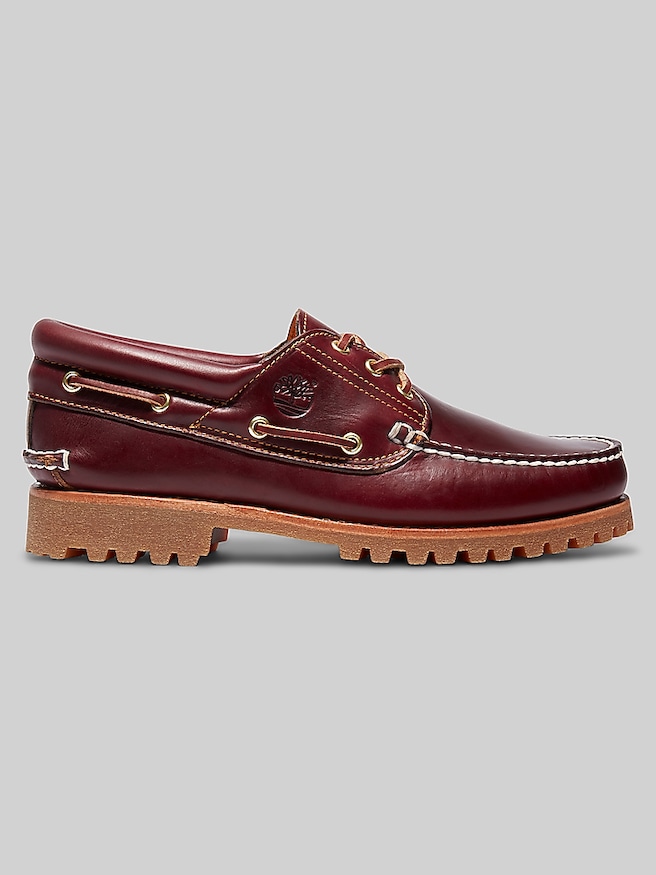
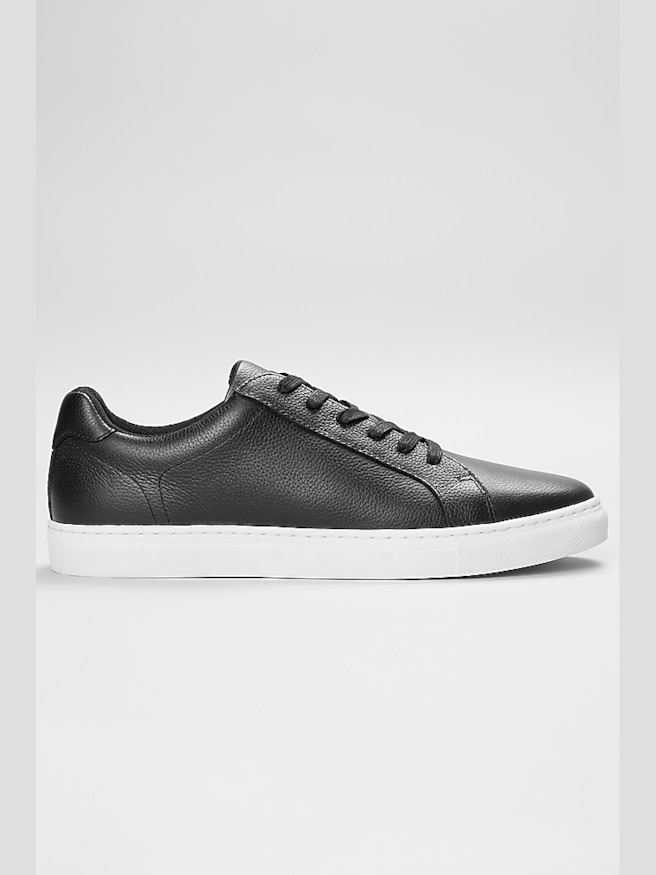
Men’s slip-resistant shoes are designed to improve traction on surfaces where moisture, oil, or other residue can make footing less secure. Their performance depends on the outsole’s material and tread pattern, along with the type of floor and the substance on it. That makes them a practical consideration for restaurant staff crossing dining rooms and kitchen areas, healthcare professionals moving between patient rooms, and employees who spend much of a shift walking through workspaces with smooth floors. Slip resistance is not the same as slip prevention: no shoe can guarantee secure footing on every surface, and spills still need prompt attention. A rubber outsole alone also does not establish slip resistance. The compound, tread geometry, and testing behind the design matter more than an aggressive-looking sole. Closely spaced tread patterns and channels may help move liquid away from contact points, although performance varies by construction and conditions. Product descriptions that identify testing methods or intended work environments provide more useful information than appearance alone. Workplace footwear requirements remain important, particularly in settings that call for protective toes, electrical hazard protection, or other features beyond traction. A slip-resistant designation does not automatically include those protections. Within that practical framework, appearance still has a place. A clean, low-profile shape can complement dress pants at a reception desk, while a more substantial lace-up silhouette can suit a uniform worn through hours of walking. Dark leather and understated detailing can help bridge the space between professional presentation and everyday utility. For someone who moves from greeting guests to navigating service areas, the appeal is footwear that looks appropriate throughout the day without treating traction as an afterthought. The right balance comes from matching the shoe’s documented features to the actual setting, whether that means polished floors, frequent standing, or repeated trips between seated tasks and active work.

Materials and construction shape how men’s slip-resistant shoes feel over a full day and how well they hold up to repeated wear. Leather uppers can offer structure, a refined finish, and a surface that is often straightforward to wipe clean, provided the cleaning method suits the leather. Synthetic uppers may offer easy maintenance, while textile panels can support airflow; neither material should be assumed to resist liquids without a stated protective treatment or construction. Water resistance and slip resistance describe separate qualities, so a shoe with a traction-focused outsole may still allow moisture through its upper or seams. Inside, cushioning helps soften repeated steps, but a comfortable fit also depends on support, flexibility, and enough room for the foot to move naturally. A soft footbed cannot make up for a narrow toe box or a heel that slides with every stride. The forefoot should feel comfortably held rather than squeezed, and the toes need space without the foot drifting forward. Secure lacing allows adjustment across the instep, while a well-fitting slip-on depends more heavily on its shape and how firmly it holds the heel. Trying shoes with the socks intended for work gives a more realistic sense of fit, especially when those socks have extra cushioning. Anyone using orthotic inserts benefits from checking interior depth and whether the existing footbed is removable. Long periods at a counter can make stable support especially noticeable, while frequent walking puts more emphasis on a smooth transition from heel to toe and flexibility near the ball of the foot. Lightweight construction may reduce the sense of bulk through a busy shift, but low weight alone does not establish comfort or durability. Reinforced stitching, secure sole attachment, and materials suited to repeated bending all contribute to lasting wear. Comfort should be present from the start; persistent pinching, rubbing, or pressure is not a useful trade-off for a professional-looking shoe. A break-in period may soften some materials, but it should not be expected to correct an unsuitable size or shape.

Care plays a direct role in preserving both appearance and useful traction. Outsole grooves can collect food particles, dust, grease, and other debris, reducing the tread’s contact with the floor. Routine cleaning with methods approved for the shoe’s materials helps keep those channels clear without damaging the sole or upper. Leather generally benefits from gentle surface cleaning and an appropriate conditioner when recommended, while textile and synthetic materials may require another approach. Harsh solvents, machine washing, or prolonged soaking can damage some constructions, so care directions matter even when a shoe looks sturdy. Footwear that becomes damp inside should dry thoroughly in a ventilated space away from direct heat. Alternating pairs can give linings and footbeds more time to dry between wears, especially for someone spending long hours on their feet. Regular inspection is equally useful: flattened tread, uneven heel wear, separating soles, and a noticeably less stable feel can signal that a pair no longer performs as it once did. There is no single replacement schedule that suits every wearer, because walking distance, floor surfaces, body mechanics, and cleaning habits all affect wear. Beyond the workplace, understated slip-resistant styles can make sense for everyday errands or casual gatherings where a neat appearance and dependable footing both matter. For a more relaxed silhouette, Men's Non Slip Boat Shoes offer another category to consider, with the same need to check the individual design’s traction features and intended use rather than assuming every casual sole meets workplace requirements. These shoes can also be a thoughtful gift for someone beginning a hospitality role or refreshing a daily work wardrobe, provided the size, fit preferences, and employer’s footwear rules are known. The most useful choice brings together appropriate traction, a comfortable fit, manageable upkeep, and styling that belongs in the wearer’s routine. Those details matter whether the day involves greeting clients, carrying trays, covering corridors, or simply spending more time standing than sitting.