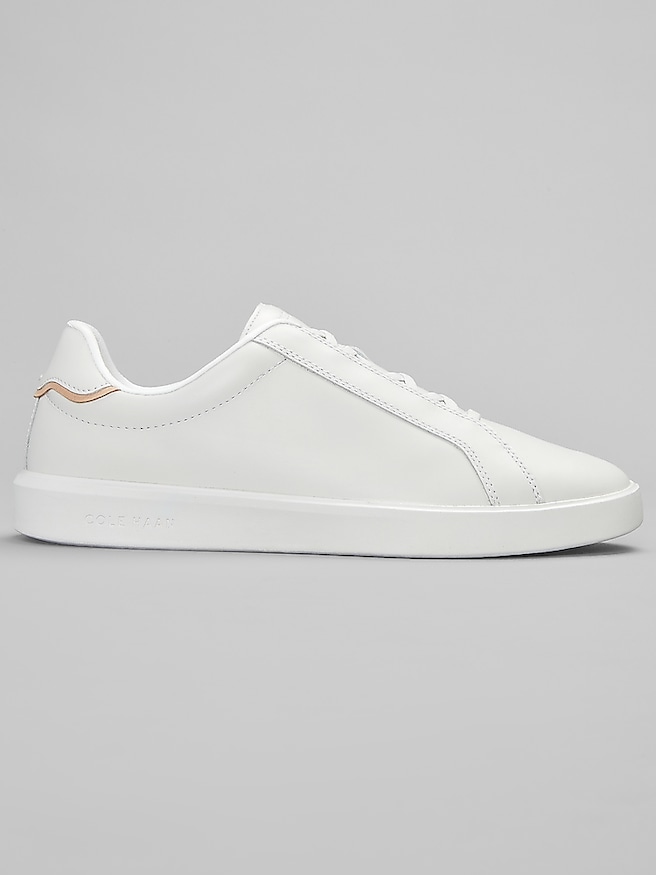
Slip-resistant sneakers combine the familiar shape and flexibility of casual footwear with outsoles designed to help improve traction on certain walking surfaces. They are a practical category for people who spend much of the day on their feet, including restaurant servers, hospitality staff, healthcare professionals, and service teams moving between counters, hallways, and workstations. Their defining feature is not simply a sporty appearance or a thick rubber sole. Slip resistance depends on the outsole compound, tread design, surface conditions, and how those elements work together underfoot. Some tread patterns use closely spaced grooves and channels to help move liquid away from the contact area, while rubber compounds vary in how they grip particular surfaces. A shoe that performs well on one floor may behave differently on another, especially when water, grease, soap, or other contaminants are present. Documented testing and a clear description of the conditions tested provide more meaningful information than appearance alone. Slip-resistant does not mean slip-proof, and footwear remains one part of a safer work environment alongside clean floors, prompt spill cleanup, and attentive movement. For an employee carrying dishes across a dining room or walking repeated laps between a reception desk and a supply room, traction needs to work alongside comfort, flexibility, and a secure fit. Workplace requirements also matter: a sneaker-style shoe is not automatically suitable for a position that calls for protective toes, electrical hazard protection, or other specialized features. Where the dress code permits sneakers, understated profiles and simple colors can complement work pants without making an outfit look overly athletic. Away from work, the same balance of everyday styling and purposeful traction may appeal to people who value practical footwear for errands, commuting, and long stretches of standing. Intended use should always lead the choice, with the shoe’s stated performance matched to the actual setting rather than assumed from its name.
Comfort in slip-resistant sneakers comes from the relationship between the upper, footbed, midsole, and outsole, not from cushioning alone. A well-balanced pair should leave room for the toes to move without allowing the foot to slide forward or the heel to lift excessively. The widest part of the foot should sit comfortably within the shoe rather than press against its edges, and the upper should feel secure without squeezing across the instep. Trying footwear with the socks intended for work gives a more realistic sense of fit; anyone using orthotics should also account for their thickness and the space they need. Removable footbeds can make that adjustment easier, although compatibility depends on the shoe’s construction. Soft cushioning may feel pleasant at first, but long periods of standing also call for a stable platform and support that suits the wearer. Flexibility through the forefoot helps accommodate walking, while a secure heel can limit unwanted movement during changes of direction. Materials influence that experience throughout the day. Mesh and knit uppers can allow airflow and offer a flexible feel, though open fabrics may be less suitable where spills are common or workplace rules require more coverage. Leather and some synthetic uppers can offer a smoother surface that is easier to wipe down, but their care needs, breathability, and resistance to liquids vary. Water resistance should never be assumed from appearance, and slip resistance does not establish protection against liquids reaching the foot. Laces offer adjustable tension across the upper, which can help accommodate variations in foot shape. For those who prefer an easier entry, Slip On Sneakers offer another closure style to consider, but a slip-on design does not by itself indicate a slip-resistant outsole. Either construction still needs a close, comfortable fit at the heel and enough hold through the midfoot for the intended activity. Clean lines can also make practical sneakers easier to coordinate with chinos, straightforward work trousers, or casual pants, provided the combination meets the setting’s dress requirements.
Durability and care are especially important when sneakers are part of a regular work routine. An outsole can collect debris in its grooves, and accumulated dirt or residue may interfere with its intended contact with the floor. Cleaning should follow the footwear maker’s directions, with attention to the tread as well as the upper. A soft brush can help loosen trapped particles, while a suitable cleaning method removes buildup without unnecessarily damaging the material. Harsh chemicals, prolonged soaking, machine washing, and high heat are not appropriate for every construction; adhesives, foams, leather, and textiles can respond differently. Letting shoes dry fully in a ventilated space, away from direct heat, helps protect their structure. When practical, alternating pairs gives the interiors time to air out between wears. Regular inspection matters just as much as cleaning. Flattened tread, uneven wear, separating soles, torn uppers, and cushioning that no longer feels supportive are reasons to reassess whether a pair still suits its job. There is no single replacement schedule that fits every wearer, because walking distance, floor surfaces, body mechanics, and care habits all affect how footwear wears. A server covering a large dining room and a receptionist standing mainly at one counter may put very different demands on similar-looking shoes. Changes in grip or stability deserve attention rather than being dismissed because the upper still looks presentable. For gifting, slip-resistant sneakers can be a thoughtful, useful choice for a partner, parent, or adult child starting a job or spending more time on their feet, but accurate sizing and knowledge of workplace rules are essential. Preferences for laces, cushioning, upper material, and overall shape are personal, making those details more valuable than choosing by appearance alone. The strongest match is a sneaker that brings together documented traction appropriate to the environment, dependable fit, manageable care, and a look the wearer feels comfortable incorporating into a daily routine. Those qualities give this category its appeal: familiar sneaker styling with practical details chosen for the demands of everyday movement.