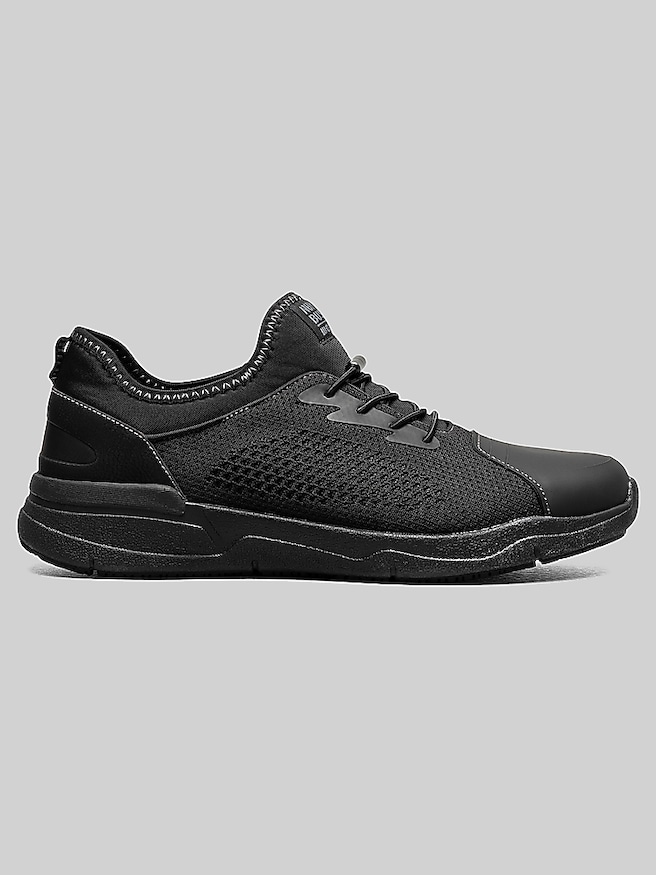
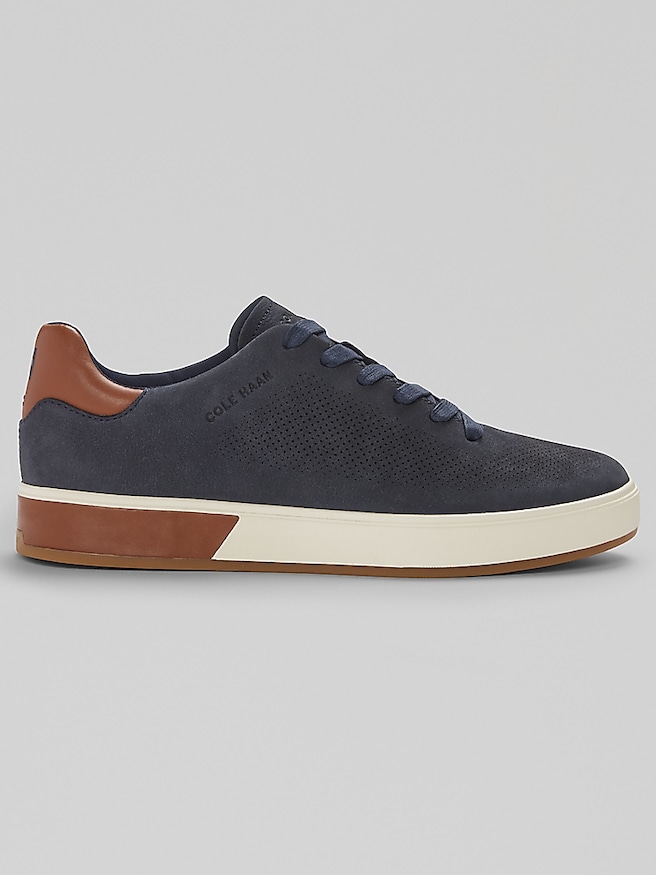
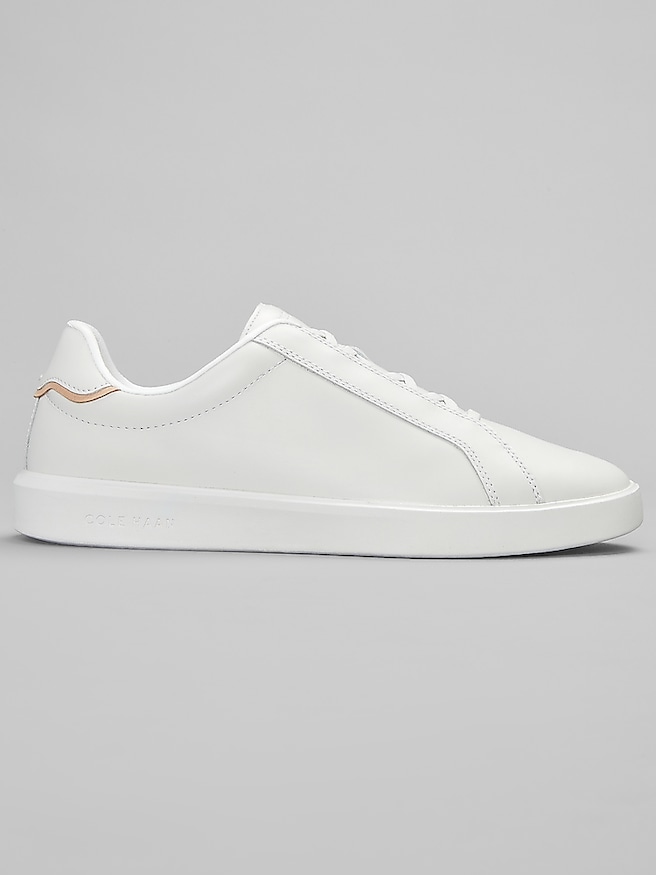
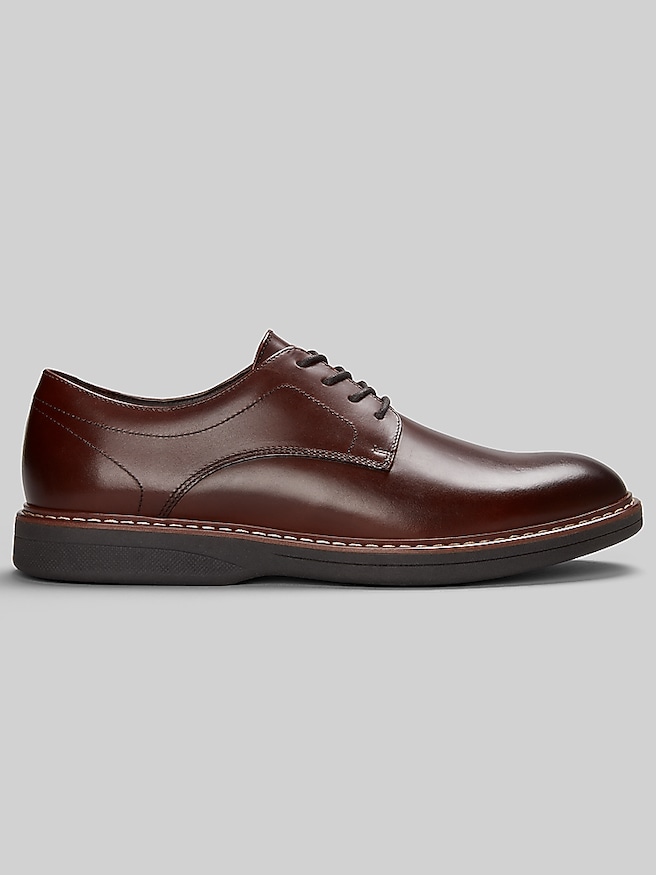
Slip-on sneakers are casual shoes designed to go on without tying traditional laces, combining the familiar shape of a sneaker with a simpler entry. Their appeal is practical: a streamlined upper, an easy everyday look, and less fuss when heading out the door. Some use elastic panels beside the tongue, while others rely on stretch-knit uppers, flexible collars, or specially constructed heels. These details serve the same general purpose, but they do not all work the same way. A laceless sneaker may still need a hand or shoehorn to guide the heel into place; true hands-free entry requires a design built for that movement. For everyday dressing, men’s slip-on sneakers sit comfortably between athletic footwear and more structured casual shoes. A low-profile pair works with straight-leg jeans and a T-shirt, while a smooth leather upper can complement chinos, a polo, or an unstructured jacket in a relaxed office. The absence of loose laces keeps the silhouette uncluttered, especially when pant hems fall just above the shoe rather than gathering around the collar. Materials help determine both appearance and feel. Canvas has a familiar, understated texture and suits informal outfits, though it can absorb moisture and show stains. Knit and mesh uppers can feel flexible and allow airflow, with comfort also depending on the lining and how closely the fabric wraps the foot. Leather generally holds a more defined shape and can develop character with wear, while suede adds a soft, textured finish that benefits from careful handling. Synthetic uppers vary considerably in softness, breathability, and maintenance requirements. A reinforced toe or structured heel can help a shoe retain its shape, while softer construction may feel less restrictive. None of these materials is automatically the best choice for every routine. The most useful combination is one that matches the wearer’s usual clothing, preferred feel, and typical activities, whether that means commuting to a casual workplace, meeting friends for lunch, or keeping a dependable pair by the door for daily errands.
Fit matters especially with slip-on sneakers because there are usually no adjustable laces to fine-tune the hold across the foot. The heel should feel secure without being pinched, and the upper should sit comfortably over the instep rather than pressing hard against it. A little movement can occur with some constructions, but repeated heel lift or a foot sliding forward suggests that the shape or size is not a good match. Toes need room to move without touching the front during normal walking. Width deserves as much attention as length: a narrow upper can crowd the forefoot even when the shoe has enough space at the toe, while an overly roomy fit can make each step feel less stable. Stretch fabric may accommodate the foot, but it should not be expected to correct a fundamentally poor fit. The socks worn most often with the shoes also affect comfort. No-show socks preserve the low-profile appearance while helping manage friction and moisture, and thicker socks take up more interior space. Underfoot construction adds another layer of consideration. Cushioning can soften the feel of walking on hard surfaces, but softness alone does not establish support. Midsole structure, the shape of the footbed, and heel stability all contribute to how a sneaker feels after several hours. A removable insole may provide room for a compatible orthotic, though the shoe still needs sufficient depth and a secure fit afterward. Outsole tread and rubber placement can influence grip and wear, but a textured sole is not automatically slip-resistant or suited to every surface. For travel days, desk-based work, casual gatherings, and ordinary walking, a well-fitting slip-on can be a convenient choice. Long-distance walking, running, court sports, or work environments with footwear requirements may call for purpose-built shoes instead. Ease of entry is also useful for anyone who finds tying laces inconvenient, provided that the opening, heel construction, and overall fit genuinely make the shoe easier to put on. Comfort comes from the complete design, not simply from the absence of laces.
Care and construction play a substantial role in how slip-on sneakers look and feel over time. Repeatedly crushing the back of a conventional shoe can weaken its heel structure, so an easy-on style still benefits from being put on as its design intends. A shoehorn can help preserve a structured heel, while a purpose-built hands-free heel should be used according to its instructions. Allowing shoes to dry fully between wears helps manage interior moisture, and removing loose dust before it becomes embedded keeps routine cleaning simpler. Canvas and synthetic uppers often respond to gentle spot cleaning, but machine washing is appropriate only when the manufacturer specifically permits it. Knit fabric can snag or lose shape with rough handling, so a soft cloth or brush is usually preferable to aggressive scrubbing. Leather benefits from cleaning and conditioning appropriate to its finish; suede generally needs a suitable brush and products intended for its textured surface. Direct heat can damage adhesives, distort uppers, and stiffen some materials, making careful air drying a safer approach unless the care instructions say otherwise. Protective treatments may help with certain materials, but they do not turn an ordinary sneaker into waterproof footwear. Durability also depends on where and how the shoes are worn. Consistent outsole wear, intact seams, and a heel that maintains its shape are useful indicators of continued function. A worn tread pattern, collapsing interior cushioning, or persistent rubbing can signal that a pair no longer serves the same purpose comfortably. Slip-on sneakers can make a thoughtful gift for someone who favors uncomplicated casual clothing or appreciates footwear that is quick to put on. Knowing the recipient’s usual size, width, preferred materials, and everyday activities is more useful than choosing by appearance alone. For an open-toe alternative with a similarly straightforward approach, slip-on sandals provide a distinct silhouette and wearing experience. Sneakers offer a more enclosed shape that pairs naturally with everyday pants and socks, bringing together simple styling, practical construction, and a fit that supports the wearer’s routine.