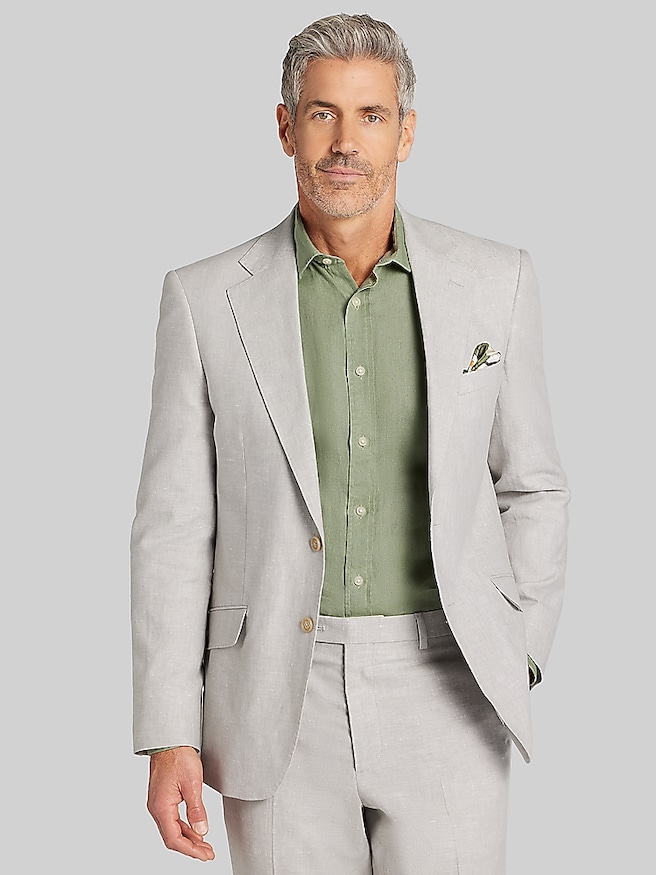
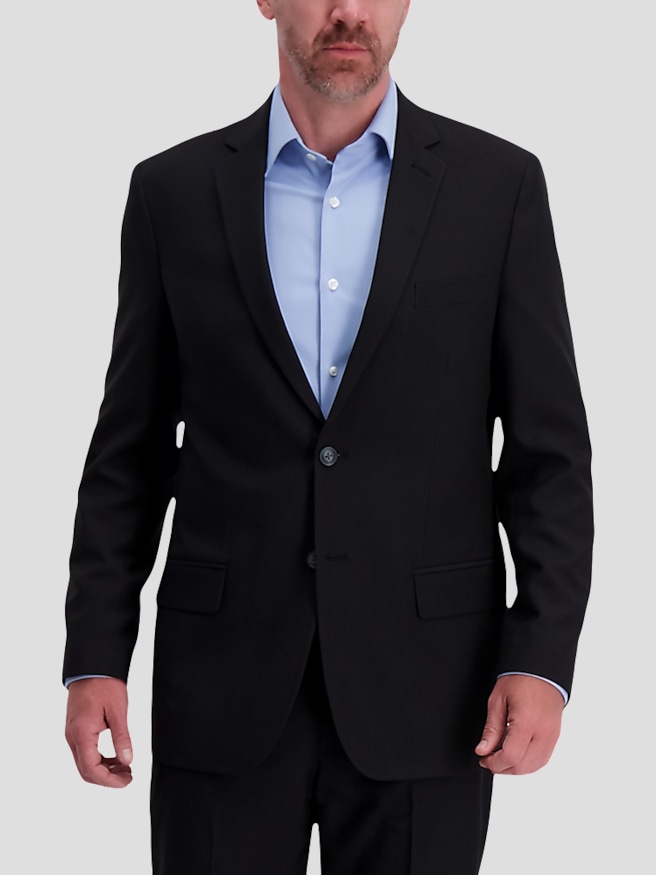
Men’s suits for upscale restaurants range from softly tailored styles for smart-casual dining rooms to dark, matching suits for venues with a more formal dress code. The restaurant’s stated policy sets the baseline, and the time of the reservation and the occasion help determine how dressy the suit should look. A jacket-required policy calls for a jacket but doesn’t necessarily call for a tie or a full suit. A matching jacket and trousers meet the jacket requirement and give the outfit a more deliberate look, especially when dinner is the main event. At a restaurant that describes its dress code as smart casual, a less structured suit with an open-collar shirt can look polished without feeling like office attire. If the venue specifies a tie, an open collar won’t meet the requirement, and a standard dark suit isn’t a substitute for a tuxedo when an event explicitly calls for black tie. For a business lunch or a daytime celebration, medium gray and muted blue offer a less formal look than charcoal or deep navy. For an anniversary dinner, a milestone birthday, or a reservation in a formal dining room, a dark solid suit with a white dress shirt and polished leather shoes feels at home. The distinction is less about a fixed rule for lunch or dinner than about what the occasion calls for. An evening table at a lively restaurant may suit an open collar, while a midday meal honoring a major accomplishment may warrant a tie. The Dressy Suits collection is a natural place to look for more formal tailoring. Solids are easy to dress up, while a fine tonal pattern adds depth without drawing much attention across the table. That subtlety is especially useful for a suit that needs to work for a client dinner one evening and a family celebration on another.
Fabric and fit shape how a dinner suit looks on arrival and how it feels an hour into the meal. Smooth worsted wool has a neat finish that suits formal dining rooms and enough natural resilience to recover from some of the creasing that comes with sitting. A fine twill can add texture without reading as a strong pattern, while a matte finish keeps the look understated in a room with low lighting. Wool blends vary in feel and performance: some include fibers chosen for shape retention, while a small amount of stretch can make it easier to reach across a table or settle into a booth. The amount of structure matters as much as the fabric. A defined shoulder and a clean front give a dark suit a sharper profile for a formal reservation, while a softer shoulder feels less businesslike when the same suit is worn without a tie. Whatever the cut, the shoulder seam should sit near the edge of the shoulder, and the lapels should lie flat rather than bowing away from the chest. When the jacket is buttoned while standing, pulling lines around the button often indicate that more room is needed through the body. Trousers should feel comfortable at the waist and through the seat when seated, not just when standing in front of a mirror. Slimmer cuts can look clean, but a straight or gently tapered trouser often offers more room through the thigh without a loose look at the ankle. Hem length contributes to the overall impression, too. A slight break where the fabric meets the shoe looks classic, while a cleaner, shorter break can suit a narrower leg. The shoes intended for dinner are helpful at a fitting because their profile affects how the trouser hem falls. Sleeve length and hems are generally easier to refine than the shoulders, so a suit that sits well across the upper body is a sound starting point. The result should look composed when standing to greet someone and feel comfortable through several courses once the jacket is unbuttoned.
A restaurant suit earns its place in a closet when it can do more than make an impression at one reservation. Deep navy and charcoal pair easily with familiar dress shirts and shoes, so the same suit can move from a business dinner to a rehearsal dinner without looking out of place. A crisp shirt and a restrained tie can make the outfit feel more formal for a toast, while an open collar changes the mood for a meal where the venue allows it. A suit intended for regular dinners also benefits from features that are easy to overlook at first glance. Smooth lining helps the jacket slip over a shirt without catching, and a closely woven cloth can stand up well to repeated wear. Trousers often show wear before the jacket because the seat and thighs see more friction, another reason to leave enough room in the fit. After dinner, emptying the pockets and placing the jacket on a broad, shaped hanger helps it keep its form. Letting the suit air before putting it away and using a soft clothes brush to remove surface dust can keep it looking fresh between cleanings. It’s worth following the garment’s care label rather than sending the suit for cleaning after every wear. If a drop of sauce lands on a lapel, gentle blotting is less likely than rubbing to push it deeper into the fabric or disturb the finish; a cleaner can advise on stains that remain. A suit can also make a meaningful graduation or milestone gift, especially when the recipient can take part in the fitting and choose a cut that works beyond the celebration dinner. For a first suit or a familiar favorite, the most useful choice matches the formality of the restaurants and occasions it’s meant for, holds its shape through repeated wear, and feels as good at the end of the meal as it did on the way in.