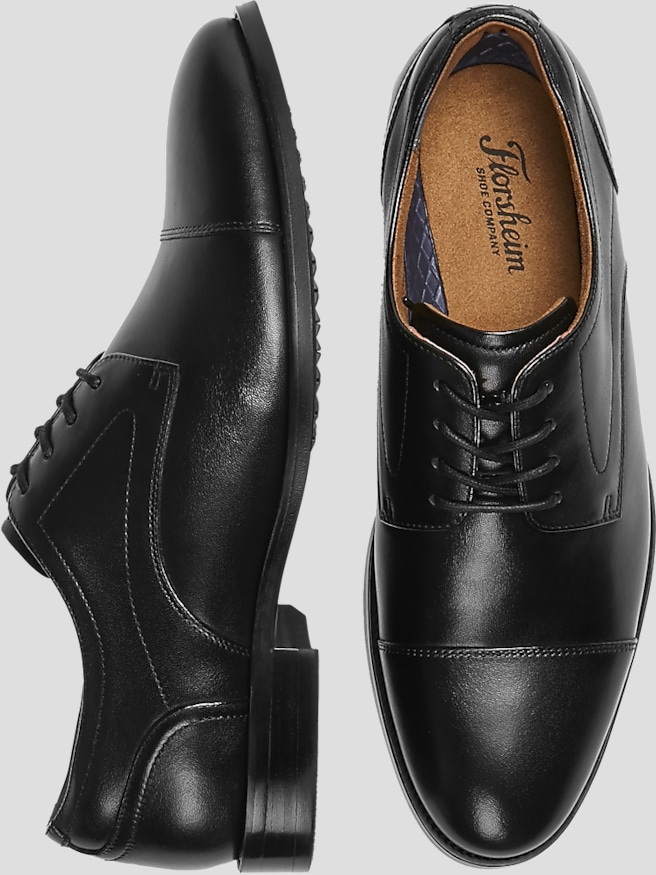
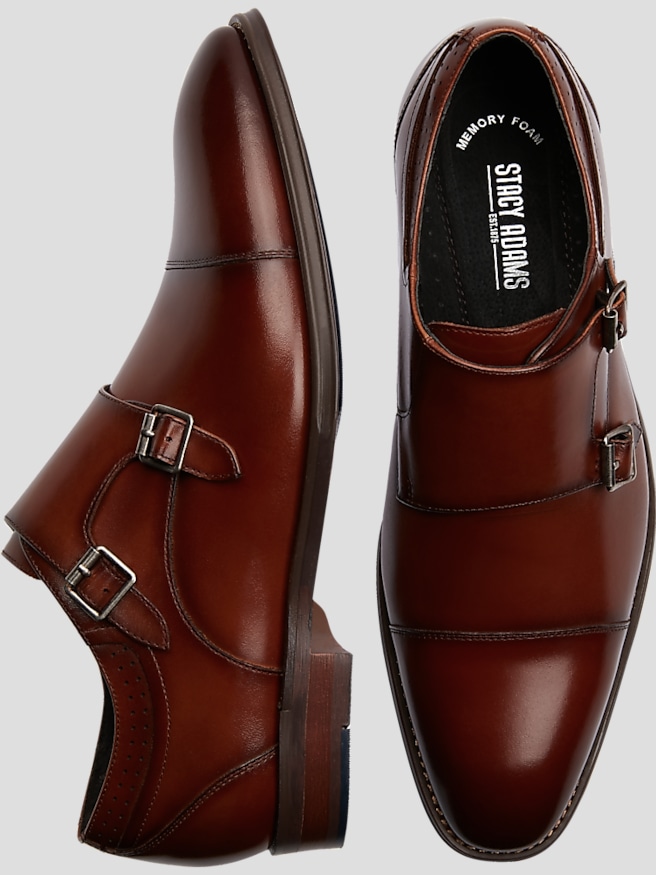
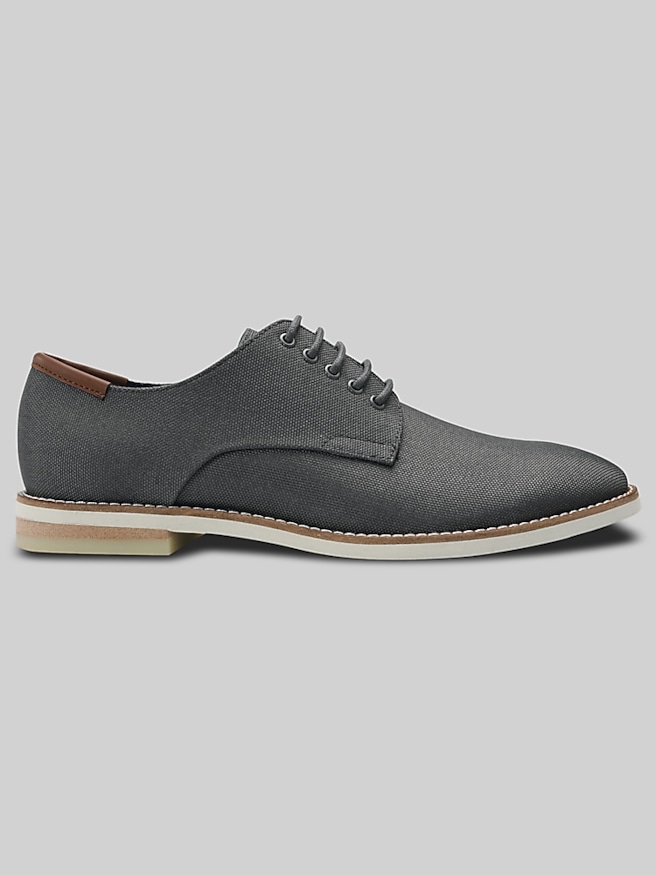
Men’s semi-formal shoes bring polish to tailored clothing while offering more styling flexibility than footwear reserved for strictly formal occasions. The category typically includes leather Oxfords, Derby shoes, loafers, and monk straps, with the right choice depending on the invitation, the setting, and the outfit. Clean lines, balanced proportions, and a well-kept finish help these shoes work with suits, dress trousers, and sport coats without making the outfit feel overly ceremonial. Oxfords have closed lacing, with the lace-bearing sections stitched beneath the front of the shoe for a streamlined appearance. Derby shoes use open lacing, which creates a slightly more relaxed profile and can offer greater adjustment across the instep. Penny loafers and tassel loafers provide a slip-on alternative that complements tailored separates, while monk straps replace laces with one or two buckles for a distinctive finish. Broguing refers to decorative perforations rather than a separate shoe construction; those details can appear on several silhouettes, including wingtips. More decoration generally makes a shoe look less formal, although color, material, and overall shape matter, too. Black leather creates a crisp pairing with charcoal or dark gray tailoring, while dark brown and burgundy introduce depth alongside navy and medium-gray trousers. A smooth, understated shoe is a dependable choice for an evening reception or a dressier professional gathering. For a restaurant celebration where tailored separates suit the setting, a textured leather Derby or refined loafer can feel equally considered. Dress sneakers belong more naturally with business-casual or smart-casual clothing and are not the default for an invitation that specifies semi-formal attire. When the dress code is explicit, traditional leather dress shoes keep the outfit aligned with the occasion. The strongest combinations also account for the trouser hem: a neat break keeps the shoe visible without allowing fabric to bunch across the laces. A belt in a compatible leather tone helps connect the outfit without requiring every accessory to match exactly.
Material and construction shape how men’s semi-formal shoes look, feel, and hold up through repeated wear. Smooth leather offers a clean surface that can be conditioned and polished, making it especially useful for occasions that call for a refined finish. Full-grain leather retains the hide’s natural surface and can develop character with proper care, while other leather finishes may emphasize a more uniform appearance. Suede has a soft, light-absorbing texture that makes tailoring feel less rigid, though it generally reads as more relaxed than polished leather. It also needs its own brush and care products rather than conventional shoe cream. Inside the shoe, lining materials, insole shape, and cushioning all influence comfort during a long dinner, a ceremony, or several hours of standing and conversation. A flexible sole can make walking feel easier, while a more structured sole may provide a firmer foundation; neither feature alone guarantees a comfortable fit. Leather soles offer a traditional dress-shoe appearance, while rubber soles or discreet rubber inserts can add traction and change the feel underfoot. Welted construction may allow resoling, depending on the design and condition, while other construction methods can produce a lighter or more flexible shoe. Fit remains the deciding factor. Toes need room to rest naturally without pressing against the front or sides, and the widest part of the foot should sit comfortably within the widest part of the shoe. The heel should feel secure rather than rubbing or lifting excessively with each step. Lace-up styles allow some adjustment, but tightly pulled laces cannot correct a shoe that is too wide, and loosening them cannot create enough room in a shoe that is too narrow. Loafers depend especially on a secure fit through the heel and instep because there are no laces to fine-tune the hold. Trying dress shoes with the socks intended for the outfit gives a more useful sense of fit, and walking on a clean indoor surface helps reveal pressure points. Leather may soften with wear, but painful tightness is not a sound starting point.
The appeal of semi-formal footwear is how naturally it can move between meaningful occasions and everyday professional life. A plain-toe Derby can finish a navy suit for a wedding guest, then work with gray trousers and a sport coat for a client dinner. A dark leather loafer can bring a deliberate, polished note to tailored separates at an anniversary celebration, provided the invitation does not call for a more formal shoe. Subtle cap-toe detailing offers definition without drawing attention away from the rest of the outfit, while a restrained buckle or wingtip pattern gives simpler clothing a little more character. For someone building a dress wardrobe, versatile color and a comfortable, familiar silhouette often matter more than an unusual detail. The same considerations make dress shoes a thoughtful gift for a graduate starting a professional role or someone preparing for milestone celebrations, although knowing the recipient’s size and width is especially important. Long-term appearance depends as much on care as on the initial choice. Dust and grit should be brushed away before they settle into creases, and smooth leather benefits from occasional conditioning with a suitable product. Cream polish can refresh color, while a light application of wax can add shine where appropriate; product directions and the leather’s finish should determine the treatment. Cedar shoe trees help support the shape between wears and absorb some interior moisture. A shoehorn protects the heel counter from being crushed when slipping shoes on, and rotating pairs gives each one time to air out. Heel wear, loose stitching, or a thinning sole deserves attention before a small problem affects the shoe’s structure. For related occasion footwear, explore Mens Winter Formal Shoes. Whether the outfit centers on a tailored suit or carefully chosen separates, well-fitted semi-formal shoes provide a grounded finishing touch: clean at the toe, balanced beneath the trouser hem, and comfortable enough to remain part of the occasion rather than a distraction from it.