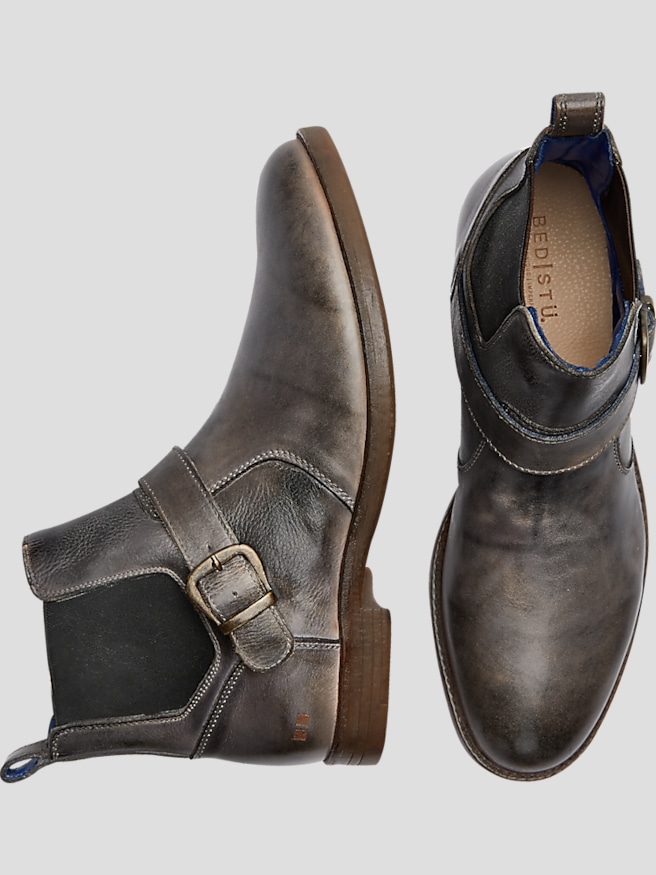
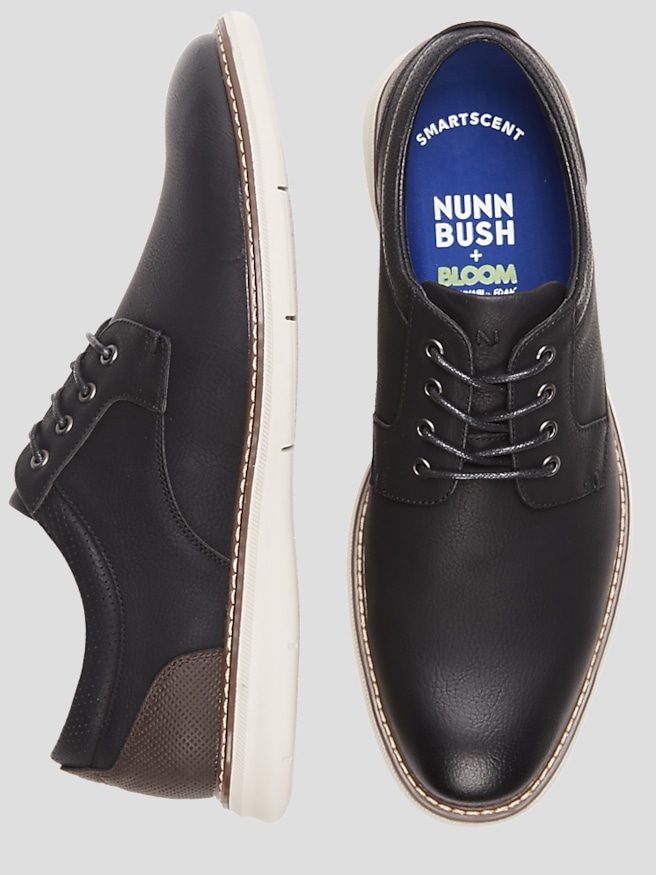
Men's gray formal shoes bring a distinctive neutral to tailored dressing, offering an alternative to black and brown without relying on a bright color or an exaggerated silhouette. The shade can range from pale stone to deep charcoal, and that difference matters when building an outfit. Charcoal dress shoes create a restrained pairing with navy trousers or a dark gray suit, while lighter gray shoes introduce more visible contrast against deep blue tailoring. With a gray suit, shoes in a noticeably darker shade can keep the combination from looking flat; a subtle difference in texture also helps distinguish the footwear from the fabric above it. Gray shoes can work with black trousers, although a smooth, dark finish usually creates a more cohesive result than a pale, heavily textured surface. Their character depends as much on construction as on color. A sleek leather Oxford with closed lacing reads differently from a suede loafer, even when both share the same charcoal tone. Smooth uppers, restrained stitching, a balanced toe shape, and a relatively slim sole generally support a dressier appearance. Decorative perforations, contrasting panels, and pronounced textures add personality but make the shoe more noticeable. That distinction is useful for wedding guests, wedding party members, professionals, and anyone dressing for a cocktail reception or celebratory dinner. A groom might choose gray footwear to complement blue tailoring, while a professional may favor a darker shade that feels understated beneath a neatly pressed trouser hem. Traditional business settings can call for more conventional footwear, and black-tie dress codes generally favor black formal shoes rather than gray. The invitation and setting should take priority over color coordination alone. A dark belt with a similar finish, socks that relate to the trousers, and a hem that falls cleanly over the shoe help the entire outfit feel considered. The strongest combinations let gray act as a supporting detail rather than competing with a patterned jacket, bright tie, or other focal point.
The shape and material of men's gray dress shoes influence their intended use, comfort, and long-term appearance. Oxfords have a closed-lacing construction that creates a neat profile beneath suit trousers. Derbies use open lacing, which can provide more adjustment across the instep, although comfort still depends on the individual shoe's shape. Monk straps replace laces with buckles for a tailored look with a more distinctive detail, while streamlined loafers suit some dressy occasions where a lace-up shoe is not essential. For events that lean less formal, Men's Semi-Formal Shoes offer another direction for pairing footwear with sport coats and tailored separates. Material changes the impression of each silhouette. Smooth leather can develop creases and a subtle patina with wear, and its finish can often be maintained with appropriate conditioning and polishing. Suede brings a softer, matte texture that works particularly well with less structured tailoring, though it requires care suited to its surface. Embossed leather adds visual depth, while synthetic uppers vary in flexibility, breathability, and the maintenance they require. A glossy finish is not automatically more appropriate for every formal occasion; the complete design and dress code still matter. Inside the shoe, lining, cushioning, arch contour, and seams can make a noticeable difference during a long reception or a workday that includes time on foot. A good fit holds the heel securely without pinching, allows the toes to rest naturally, and avoids concentrated pressure across the instep. The foot should not slide forward with each step, and the widest part should align comfortably with the shoe's forefoot. Trying shoes with the dress socks intended for the outfit gives a more useful sense of fit than wearing thick athletic socks. Leather may soften through use, but a tight toe box or painful pressure point should not be treated as something that will necessarily disappear. For someone moving between a ceremony, photographs, and an evening of conversation, comfortable proportions matter just as much as a polished appearance.
Durability in gray formal footwear comes from the combination of materials, construction, fit, and regular care, rather than color alone. Leather soles provide a traditional look and feel, while rubber soles or discreet rubber inserts can add traction and change how the shoe feels on hard flooring. The tread, heel shape, and flexibility deserve attention, especially when an occasion involves stairs, smooth venue floors, or extended standing. A heavier sole may suit frequent walking but can look less refined beneath a narrow trouser opening; a slim profile often complements closely tailored clothing. Consistent care helps preserve the original finish. Surface dust can be removed with a soft brush or cloth, and smooth leather benefits from compatible care products applied according to the maker's directions. Color-matched polish should be tested on an inconspicuous area because gray shades vary considerably; a suitable neutral product may be preferable when an exact match is uncertain. Suede needs a suede brush and products intended for that material, not conventional leather cream. Synthetic finishes should be cleaned according to their care instructions rather than treated as leather. Shoes that become damp should dry naturally away from direct heat, and shoe trees can help leather pairs retain their shape between wears. Alternating footwear gives the interior time to dry, while replacing worn heel tips or addressing sole wear early may extend the useful life of shoes that are repairable. These practical details matter for both occasional event dressing and frequent use with tailored work clothes. Gray dress shoes can also be a thoughtful gift for someone preparing for a wedding, graduation ceremony, or a role that calls for a more polished wardrobe. Knowing the recipient's size, width, preferred silhouette, and usual suit colors makes that choice more personal. A well-chosen pair should feel natural with the clothes already worn most often: dark charcoal beneath navy tailoring, a softer gray alongside textured separates, or a clean leather finish that adds quiet distinction to a familiar dress outfit.