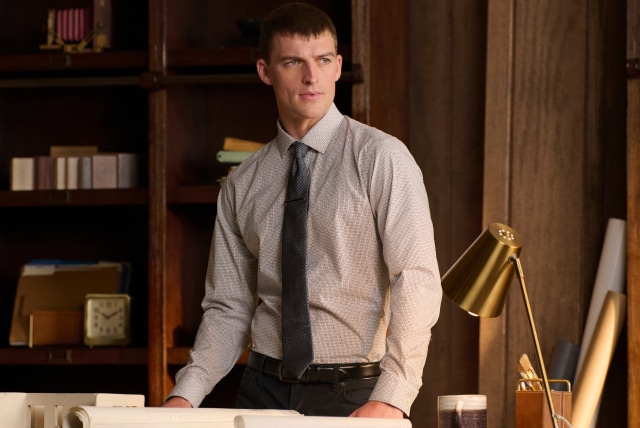
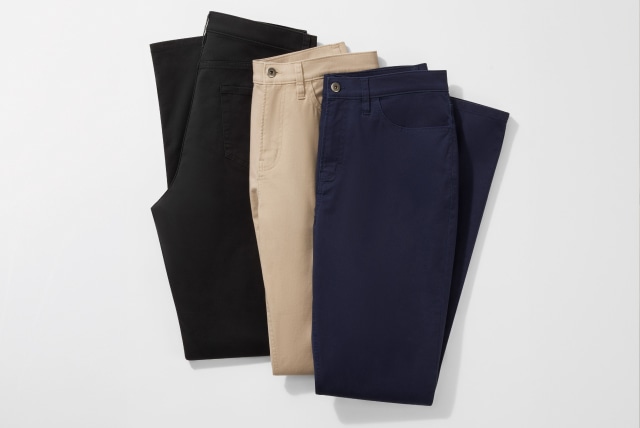
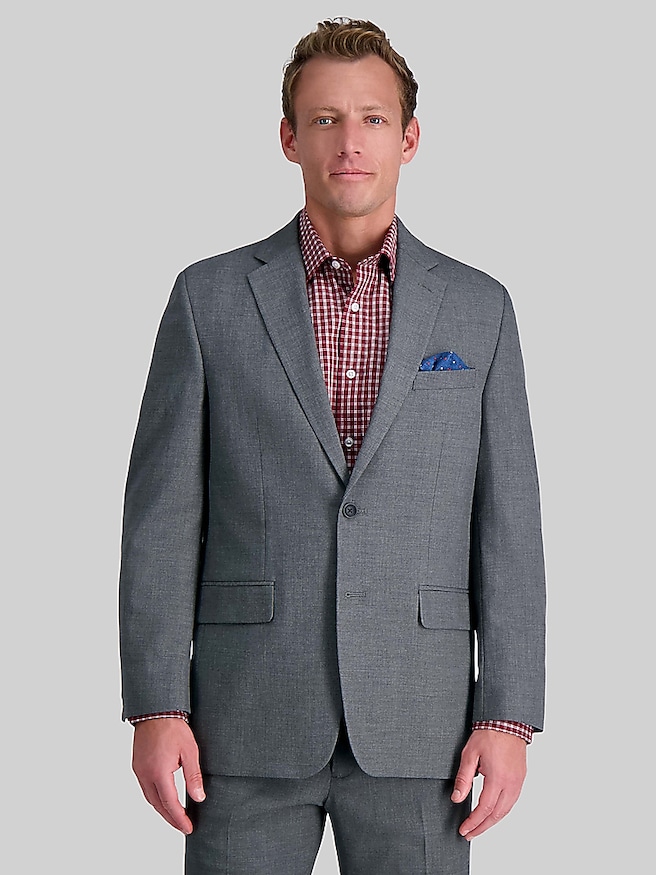
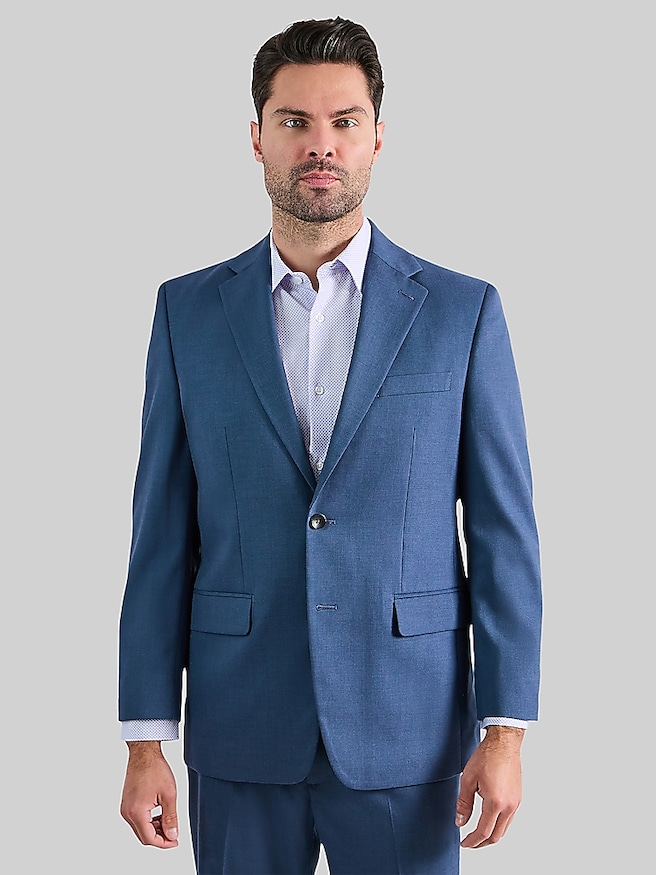
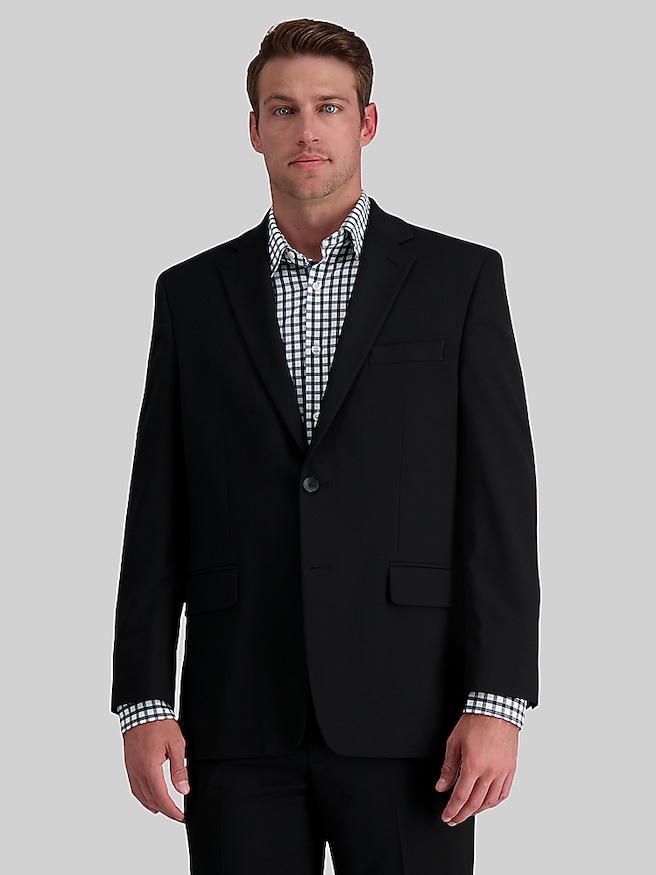
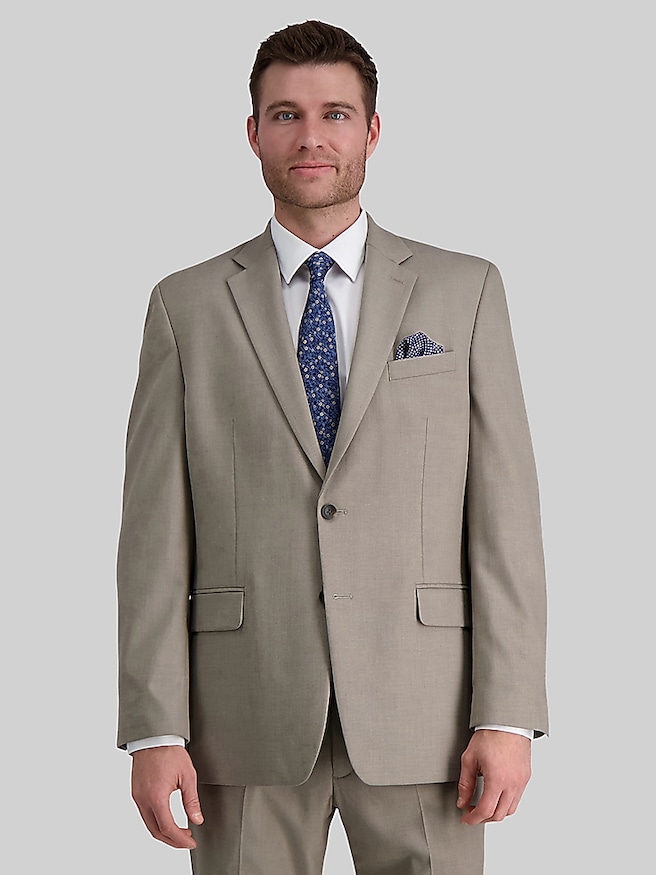
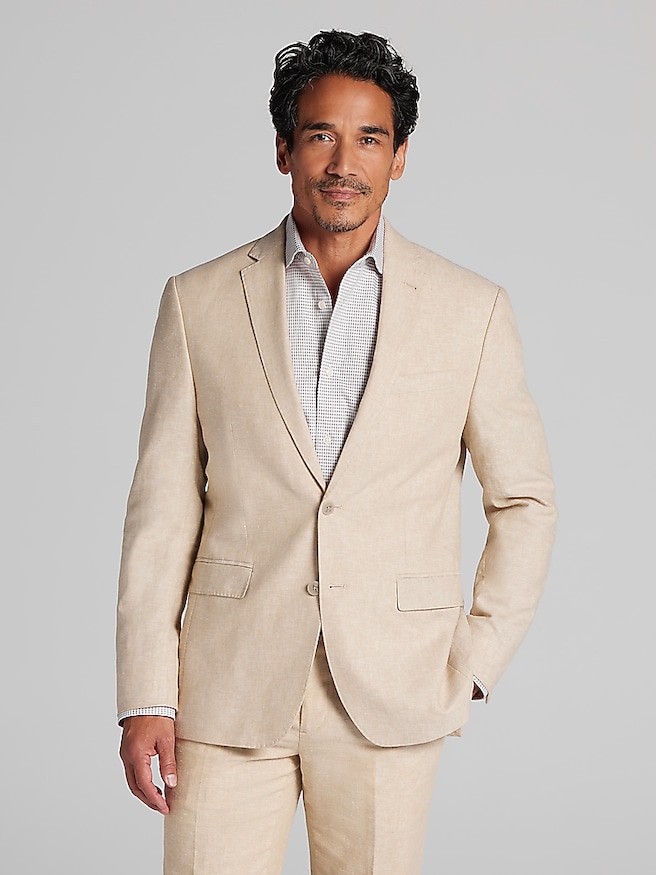
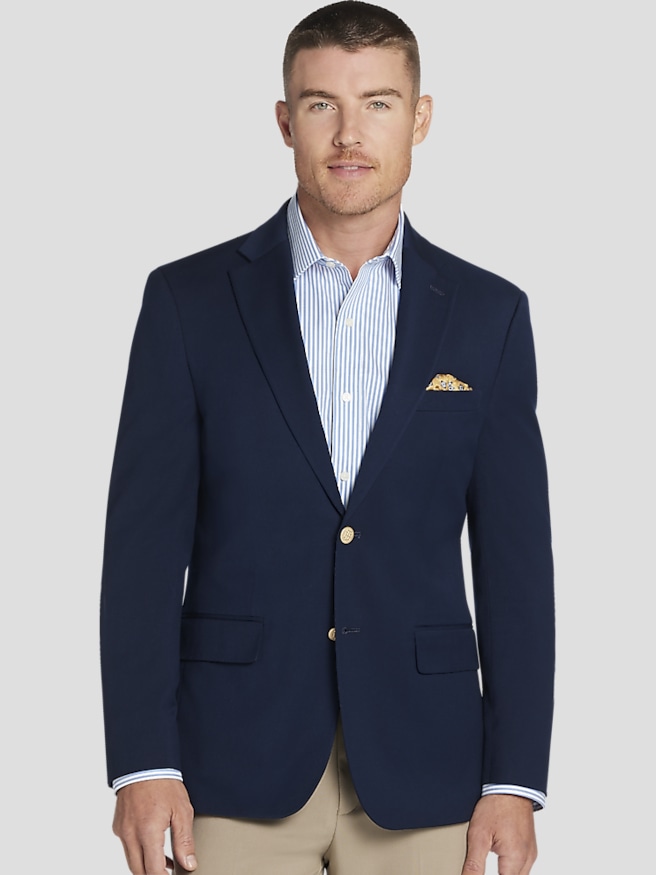
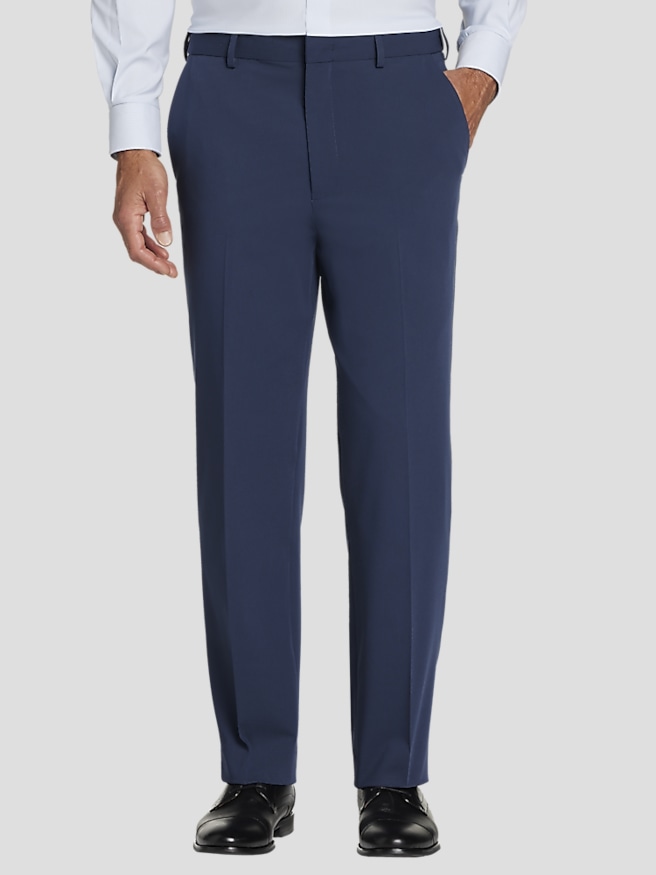
Men’s formal attire brings together a few dependable elements: a well-fitted suit or tuxedo, a crisp dress shirt, polished dress shoes and carefully chosen finishing details. The right combination depends on the occasion, the dress code and the impression you want to make, whether you are attending a wedding, stepping into a formal business setting, celebrating a milestone or preparing for an evening event. Dark and neutral colors such as black, navy and charcoal create a refined foundation that works across a range of settings, while subtle texture or a restrained pattern can add personality without distracting from a polished appearance. A two-piece suit is a versatile choice for ceremonies, receptions and professional gatherings, while a three-piece suit adds an elevated touch when the event calls for something more distinctive. A tuxedo is generally reserved for black-tie occasions and formal evening celebrations, where its clean lines and classic proportions feel especially appropriate. Fit should remain the priority in every case. The jacket should rest smoothly across the shoulders, the sleeves should reveal a small amount of shirt cuff, and the trouser break should look intentional rather than bunched. A properly fitted garment creates the neat silhouette associated with formal dressing and also makes it easier to move, sit and greet guests comfortably. When the weather warms, lightweight and breathable fabrications can help maintain comfort during outdoor photographs, ceremonies and travel. During the cooler months, richer textures and layered styling can provide warmth while preserving a sharp, structured look. For additional inspiration across ceremonies, celebrations and dressier social occasions, explore Formal Outfit Ideas For Men.
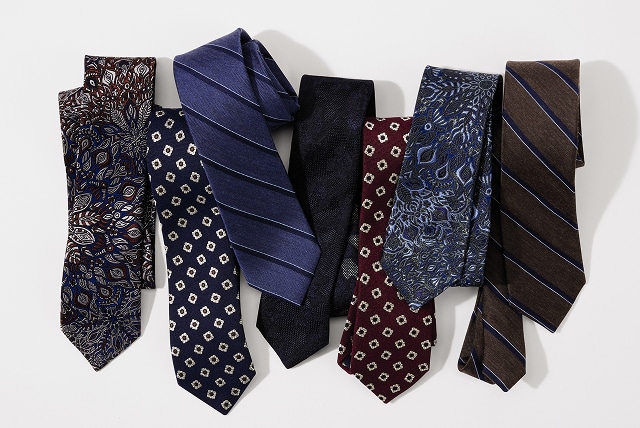
The dress shirt sets the tone beneath the jacket and should be clean, pressed and proportioned to the rest of the outfit. White remains one of the most adaptable choices, pairing naturally with nearly any dark suit or tuxedo, while light blue and other understated shades can bring a softer, more relaxed effect when the dress code allows it. The collar should sit neatly around the neck without feeling tight, and the shirt should stay tucked without pulling across the chest or waist. Neckwear completes the central line of a formal outfit. A classic tie in a conservative color or subtle pattern is suitable for many weddings, professional events and evening gatherings, while a bow tie is the traditional choice for black-tie dressing. The tie should reach approximately the middle of the belt buckle when worn with a standard suit, and its width should feel balanced with the jacket’s lapels and the wearer’s frame. A pocket square can add a small note of contrast, but it does not need to match the tie exactly; a complementary color or simple fold often looks more considered than an overly coordinated set. Cufflinks, a dress watch and other accessories are best kept purposeful and understated. These details can make thoughtful gifts for a groom, graduate, new professional or family member building a formal wardrobe, particularly when selected in versatile colors and classic designs. For someone attending a wedding or formal celebration, accessories can also serve as meaningful keepsakes that are useful long after the event. The most successful formal combinations leave room for the wearer’s personality through color, texture and proportion while maintaining the clean, composed appearance expected at an elevated occasion.
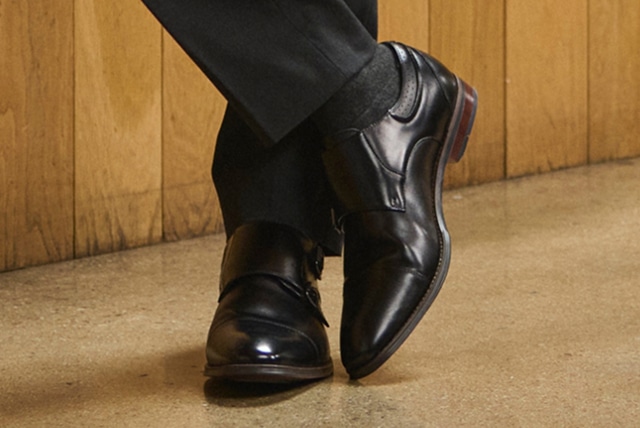
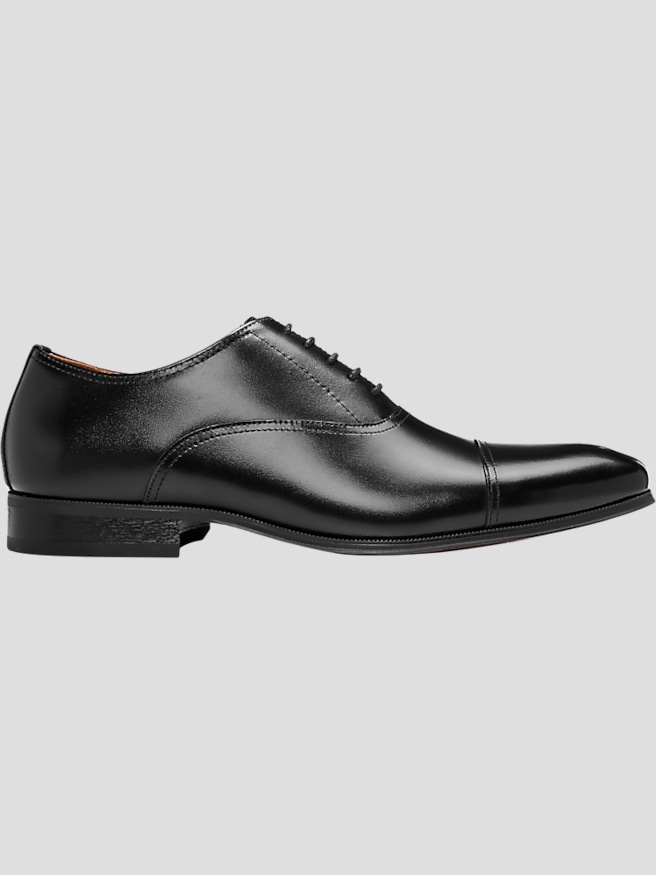
Footwear should complete the outfit rather than compete with it. Polished leather dress shoes in black or dark brown are reliable choices for formal suits, with black generally offering the most traditional finish for tuxedos and especially dressy evening events. The belt, when worn, should coordinate closely with the shoes, and socks should be long enough to prevent exposed skin when seated. Before an important occasion, it is worth trying the complete outfit together, including the shirt, neckwear, shoes and accessories, so that the colors and proportions can be assessed as one look. This also provides time to confirm sleeve lengths, trouser hems, collar comfort and jacket movement before the day of the event. Those renting formalwear may benefit from a professional fitting and should allow enough time for measurements, adjustments and pickup, particularly when multiple members of a wedding party need coordinated attire. Those purchasing formal clothing may want to prioritize versatile pieces that can be worn separately for future events, such as a neutral suit that works with several shirts and ties or dress shoes that transition from ceremonies to business occasions. A formal wardrobe can support many important moments: a guest at a late-summer wedding, a member of a wedding party, a professional attending an awards dinner, a graduate preparing for interviews or a host welcoming guests at an elegant celebration. Thoughtful choices in fit, color and finishing details help each outfit feel appropriate without appearing overly styled, allowing the wearer to focus on the people and occasion around him.