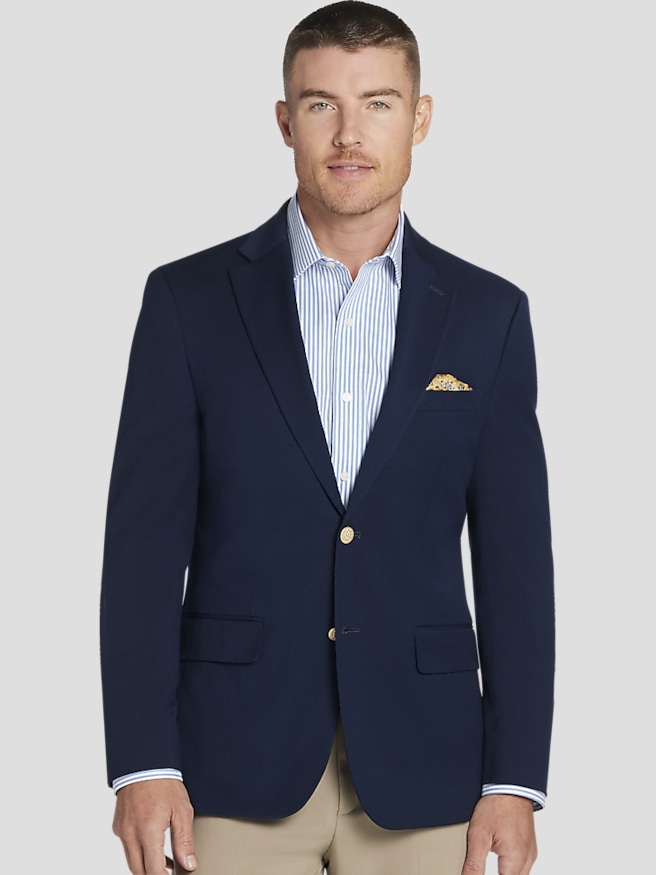
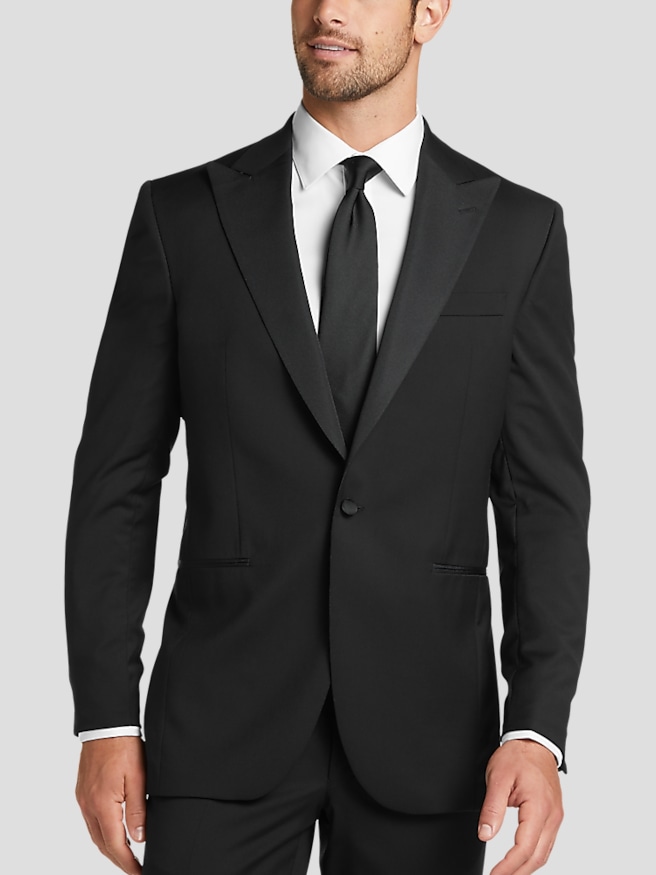
Formal outfit ideas begin with tailored shapes, coordinated colors, and fabrics that look refined up close as well as across a room. For men’s formal attire, the foundation is usually a matching suit or tuxedo, a dress shirt, and polished dress shoes, with accessories chosen to match the occasion’s dress code. A navy or charcoal suit with a white shirt and silk tie creates a composed look for many weddings, awards dinners, and professional celebrations. Black-tie events call for a more defined combination: a tuxedo with satin or grosgrain lapel facings, matching trousers, a formal shirt, and a black bow tie. A dark business suit is not interchangeable with a tuxedo when the invitation specifies black tie, although it can be appropriate for black-tie-optional occasions. That distinction gives the outfit a clear starting point before color or pattern enters the picture. Within traditional suiting, a solid fabric offers a quiet background for a textured tie, while a subtle tonal pattern adds depth without drawing attention away from the overall silhouette. A white pocket square can provide a crisp finishing touch; it does not need to match the tie’s fabric or pattern exactly. Midnight blue and black create an especially restrained palette for evening events, while deep navy and charcoal offer flexibility across a broader range of dressy settings. Matching the jacket and trousers in both fabric and color helps preserve that formal character. Separates can look polished, but contrasting trousers and a sport coat generally read as less formal than a complete suit. For a wedding guest, a graduate attending a recognition dinner, or someone accepting an industry award, the strongest combination feels appropriate to the room without looking overworked. Clean shirt collars, straight trouser lines, and carefully maintained footwear often contribute more to that impression than extra accessories. The result is an outfit with enough presence for photographs and enough restraint to remain useful beyond a single celebration.
Fabric and fit determine how formal clothing looks in motion, not just while standing in front of a mirror. Fine wool is a familiar choice for suits because its natural resilience helps the cloth recover from light creasing, while its drape supports a smooth line through the jacket and trousers. Worsted wool typically has a cleaner surface than more heavily textured weaves, making it well suited to traditional formal dressing. Wool blends can bring additional strength or stretch, depending on their composition, though the fiber label alone does not establish overall quality. Fabric weight, lining, seam construction, and finishing all influence how a garment wears over time. A little stretch may make sitting through a ceremony or moving across a dance floor more comfortable, but it cannot compensate for a jacket that pulls at the button or trousers that bind through the seat. A well-fitting jacket rests neatly at the shoulders, lies smoothly across the chest, and allows the collar to sit close to the shirt without a visible gap. Sleeves usually leave a small amount of shirt cuff showing, and the jacket should cover the seat without overwhelming the wearer’s proportions. Slim, tailored, and classic fits describe different silhouettes rather than different levels of formality; the best choice follows the body comfortably instead of forcing it into a particular shape. Trousers should stay in place at the waist and fall cleanly through the thigh, with pockets that lie flat. A slight break at the shoe creates a traditional finish, while little or no break produces a sharper outline when the trouser opening is appropriately proportioned. A cohesive formal pants outfit depends on that relationship between the waistband, leg shape, hem, and footwear. Alterations can refine sleeve length, trouser length, and other details, although the shoulders and basic jacket proportions need to be close from the outset. These adjustments matter during ordinary moments at an event: reaching to greet someone, taking a seat at dinner, or standing for a group photograph.
Shirts, shoes, and accessories bring the larger pieces into focus. Cotton dress shirts offer a crisp appearance, with smooth poplin creating a particularly clean backdrop and subtle twill adding texture. The collar should accommodate the tie knot without spreading awkwardly or squeezing the neck, and a buttoned cuff should sit comfortably at the wrist. For tuxedo dressing, shirt fronts and fastenings may differ from those used with a business suit; pleated or piqué fronts, studs, and French cuffs belong to a more ceremonial vocabulary. Silk ties add gentle luster, while bow ties keep the neckline compact and are the traditional partner for a tuxedo. A tie looks balanced when its width relates to the jacket lapels and its tip reaches roughly to the waistband. Accessories work best with some breathing room between them: a patterned tie, simple pocket square, and understated cuff links can look more considered than several competing focal points. Black leather oxfords are a dependable foundation for many dark formal outfits, and patent leather shoes offer a dressier finish with a tuxedo. Dark brown leather can complement navy suiting where the dress code allows it, but black remains the more traditional choice for strict evening formality. Socks that coordinate with the trousers help maintain a continuous line when seated, and a belt, when worn, should sit quietly alongside the shoes in color and finish. Care supports both appearance and longevity. Suits benefit from broad hangers, time to air after wear, and gentle brushing to remove surface dust. Cleaning should follow the garment label rather than an automatic schedule after every outing, and matching suit pieces are generally best cleaned together to help keep their appearance consistent. Dress shirts need laundering and pressing appropriate to their fabric, while leather footwear benefits from brushing, conditioning, and suitable polish. Shoe trees help maintain shape between occasions. For someone building a formal wardrobe, versatile foundations make repeat wear easier; a different tie or pocket square can change the impression without disrupting the outfit. Those smaller accessories can also make thoughtful gifts when the recipient’s preferred colors and usual dress codes are known.