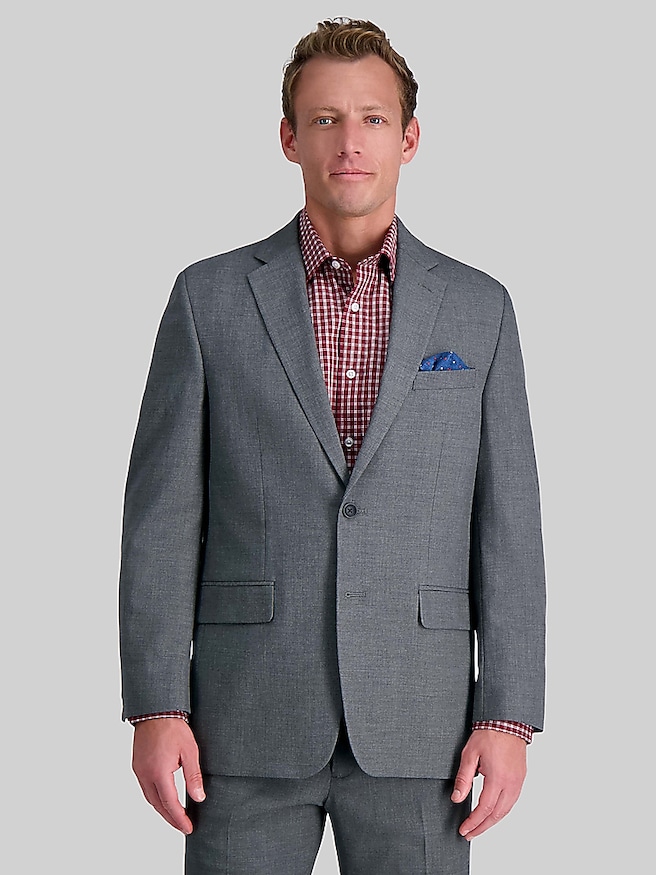
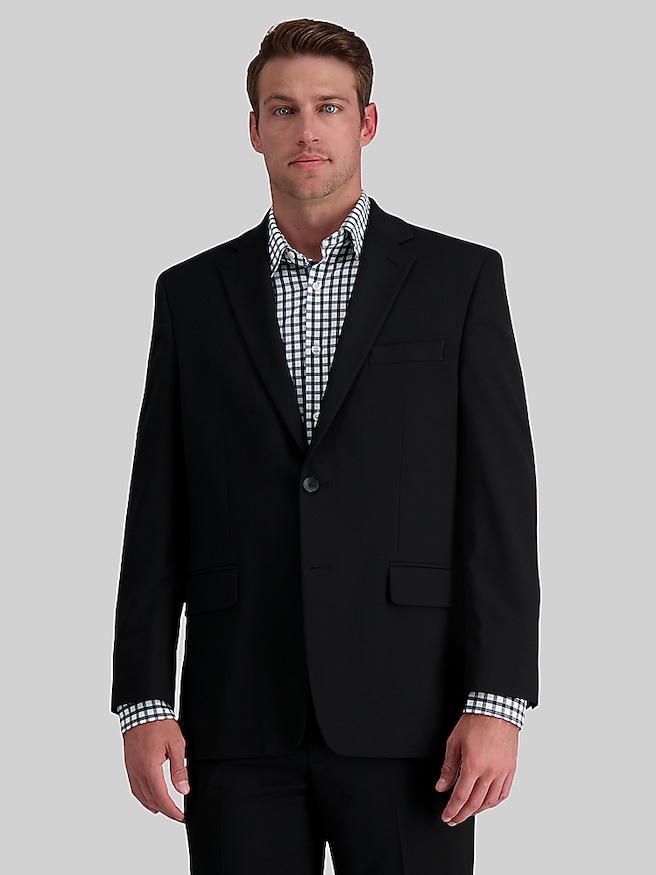
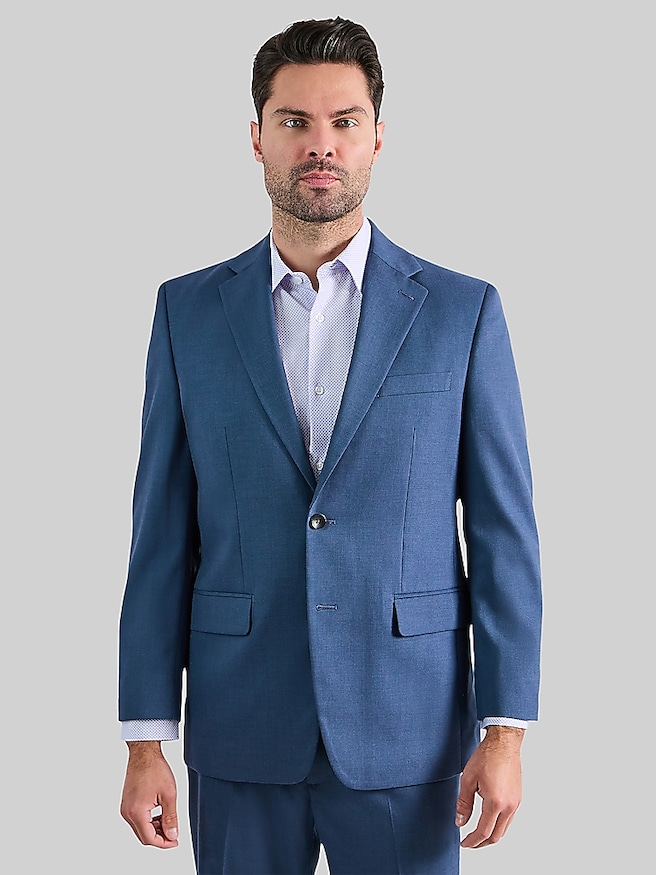
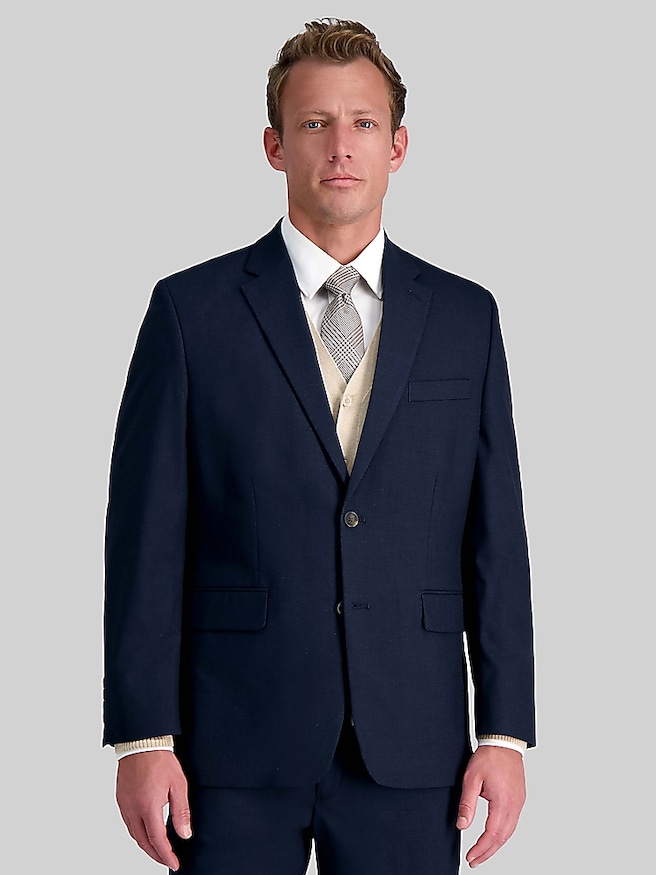
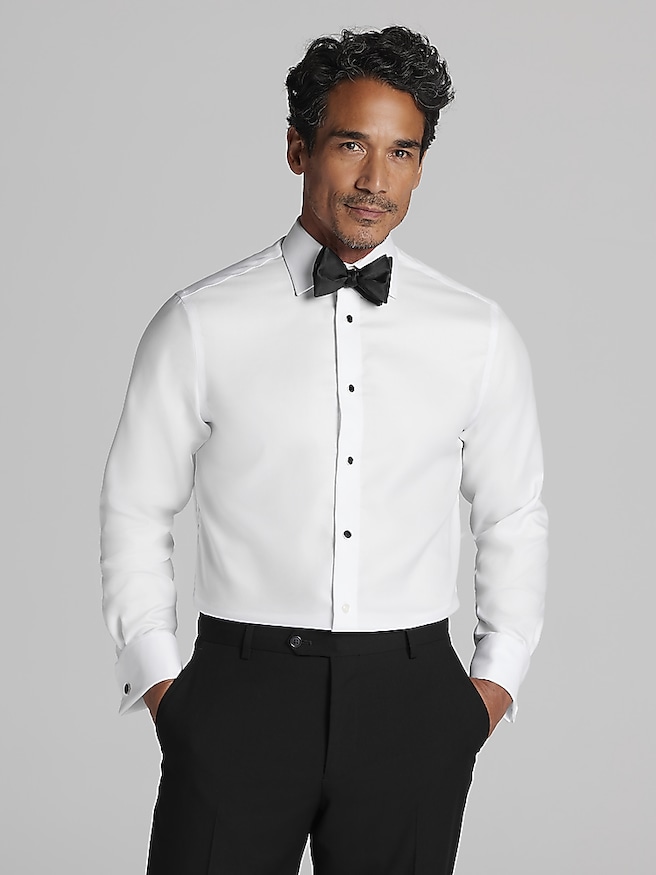
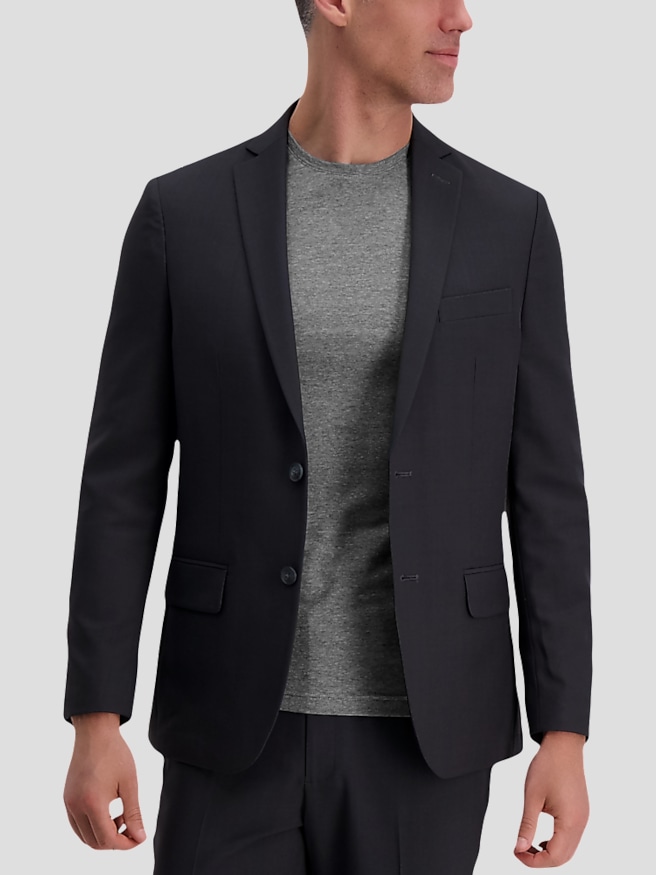
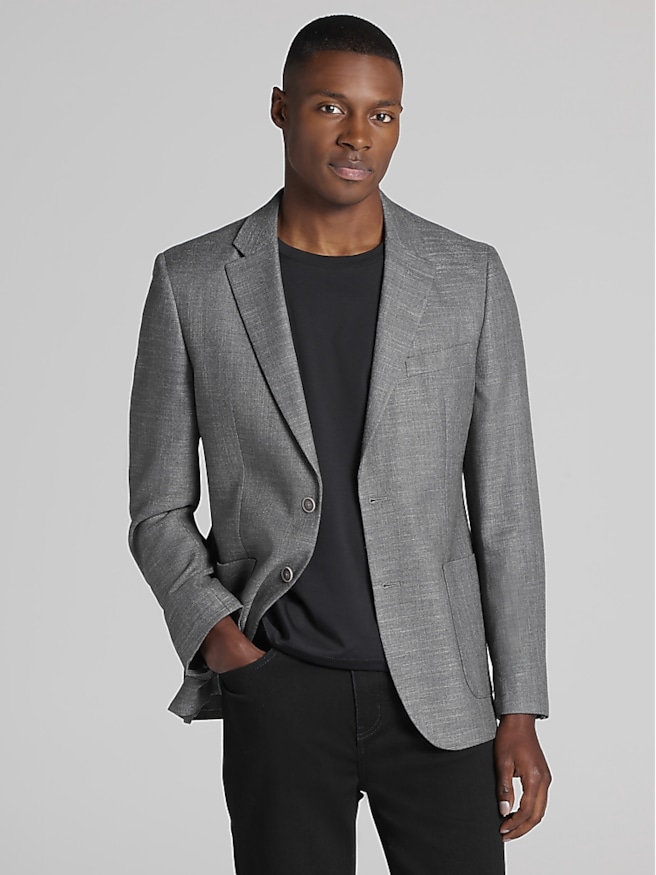
Men’s semi-formal attire brings together the polish of formalwear and the flexibility of a more relaxed dress code. It is a dependable choice for weddings, rehearsal dinners, cocktail receptions, graduation celebrations, evening gatherings, work events, and occasions where a neat, intentional appearance matters without requiring the full formality of black tie. A typical semi-formal outfit begins with a well-fitting two-piece suit or a tailored blazer worn with dress trousers, a collared dress shirt, and polished footwear. A navy suit with a crisp white shirt creates a classic foundation, while charcoal or mid-grey tailoring with a light blue shirt offers a softer contrast. A blazer and trousers combination can provide an equally refined look when the event feels less traditional, especially when the jacket and trousers complement one another without appearing identical. Fit is the detail that brings every element together: shoulders should sit smoothly, sleeves should reveal a small amount of shirt cuff, and trousers should fall cleanly without excessive bunching at the shoe. These small adjustments often make the difference between clothing that simply fits and an outfit that looks considered from every angle. For additional inspiration and outfit options, explore Semi-Formal Attire For Male styles suited to a range of dress codes and personal preferences.
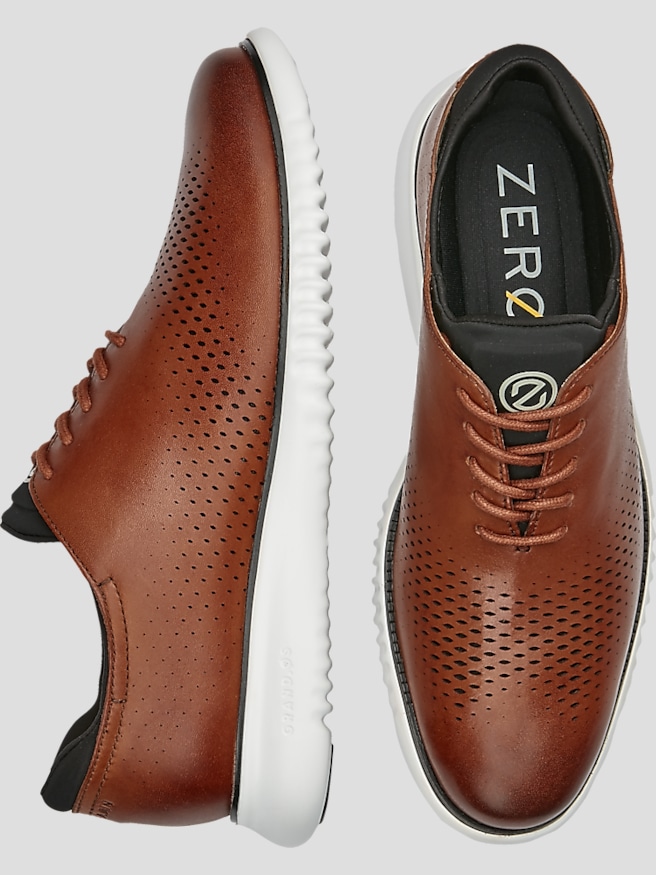
Color and fabric can help semi-formal clothing feel appropriate across changing conditions. As the weather warms, breathable cotton, linen blends, and lightweight wool can make a tailored outfit more comfortable, particularly for outdoor ceremonies, daytime receptions, and venues with limited air circulation. Lighter shades such as tan, beige, soft grey, and muted blue lend a relaxed seasonal character while remaining polished when paired with a clean dress shirt and leather loafers or other refined footwear. During the cooler months, wool and flannel add warmth, structure, and visual depth, with navy, charcoal, deep brown, and dark green creating a particularly versatile palette. An overcoat, textured knit layer, or neatly folded pocket square can add practical comfort without making the outfit feel overly formal. A tie is often optional for semi-formal occasions, but it remains useful when the invitation suggests a dressier atmosphere or when the wearer wants a more traditional finish. If going without one, an especially crisp collar and a well-pressed shirt help maintain the right level of refinement. Belts and shoes should coordinate in color and formality, while understated accessories tend to work best: a simple watch, a restrained pocket square, or subtle jewelry can express personality without competing with the overall silhouette. These pieces also make thoughtful gifts for a man building a versatile wardrobe, a recent graduate preparing for professional events, or someone attending several celebrations during the warmer and cooler seasons. Neutral colors and classic proportions are especially practical gifts because they can be worn with existing clothing and adjusted for daytime or evening settings.
The most useful semi-formal wardrobe pieces are those that can move easily between occasions. A well-tailored suit may serve at a wedding with a patterned tie, at a business dinner with a solid shirt, or at a reception with the jacket worn separately alongside contrasting trousers. Dress trousers can be combined with several jacket colors, making them valuable for men who prefer to create multiple outfits from a smaller collection of clothing. When selecting an outfit, consider the invitation, venue, time of day, expected weather, and the amount of movement involved. A garden celebration may call for breathable materials and comfortable leather footwear, while an evening event in a hotel or restaurant may suit darker tailoring and a more structured shirt. The clothing should also reflect the wearer’s usual style and comfort level; someone who rarely wears a tie may look more natural in an open-collar shirt beneath a sharply fitted jacket, while another man may feel most confident with a complete suit and carefully chosen accessories. Before an important event, allow time for alterations, shirt pressing, and shoe comfort rather than assembling everything at the last minute. Looking at the outfit as a complete composition helps keep proportions balanced: a patterned jacket is usually easiest to wear with quieter trousers and a solid shirt, while a simple suit can accommodate a subtle pattern or richer color near the face. The result is clothing that feels prepared but not overstated, polished without appearing rigid, and appropriate for the many celebrations, professional milestones, and social gatherings that fill the stretch from warm-weather days into cooler evenings.