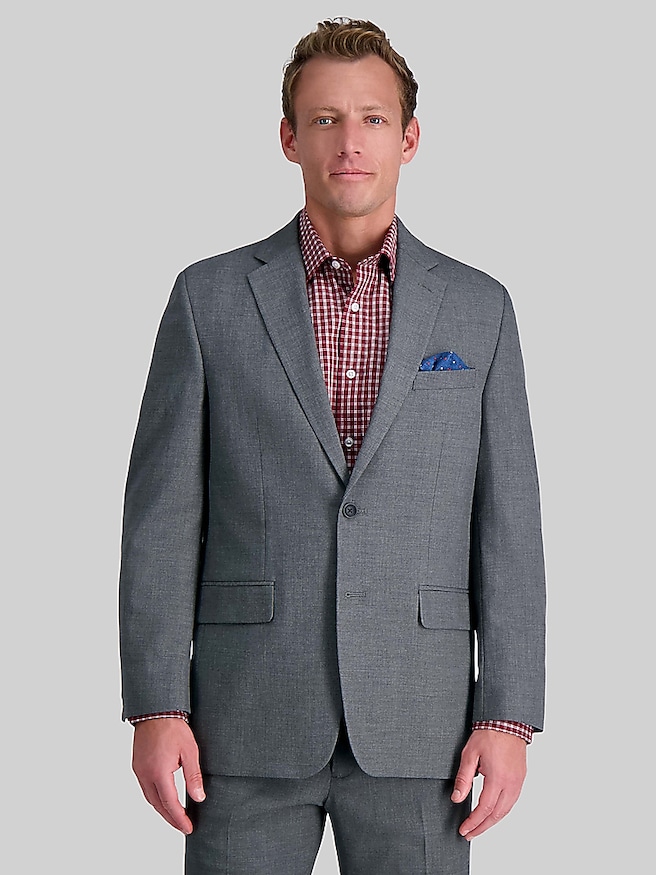
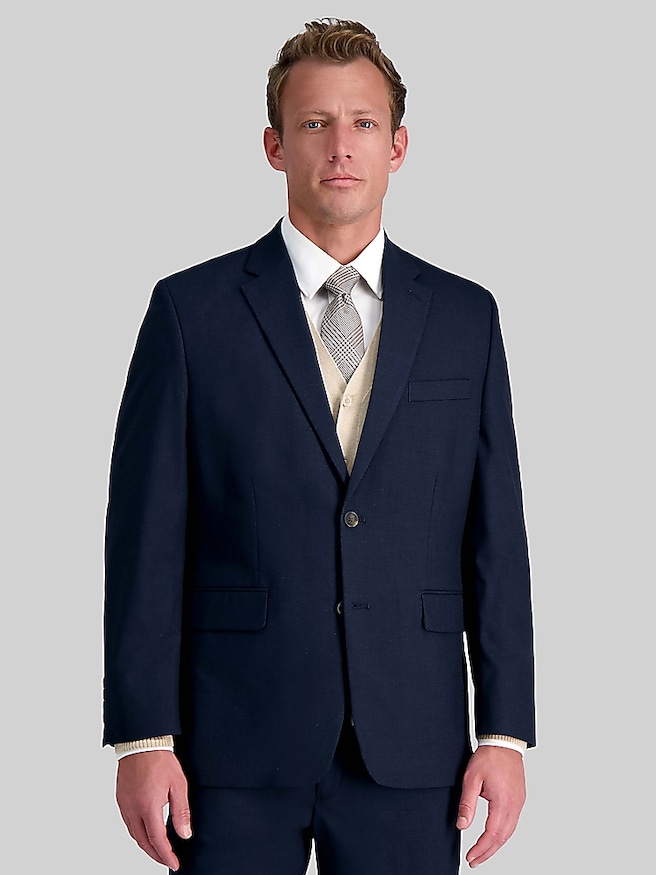
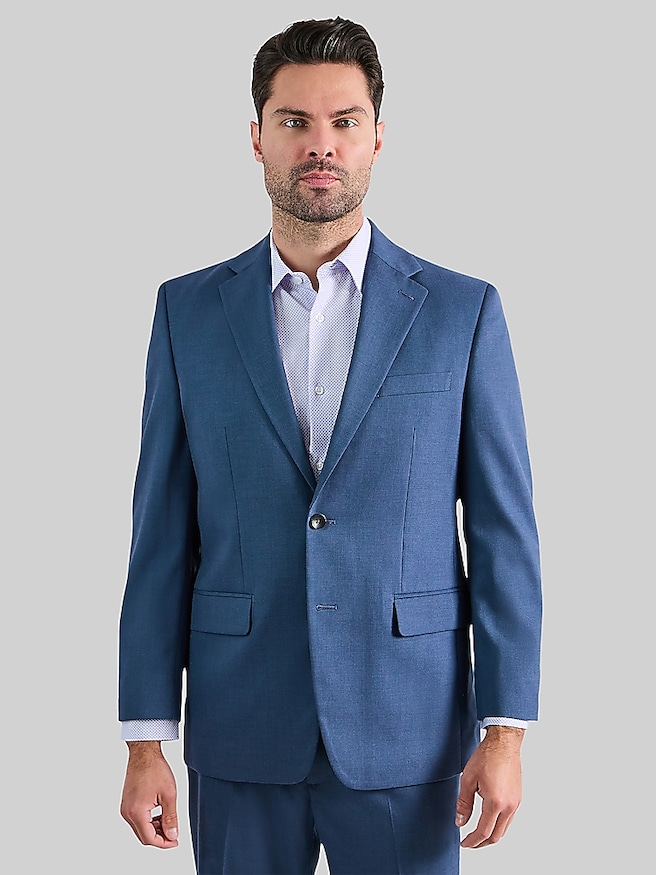
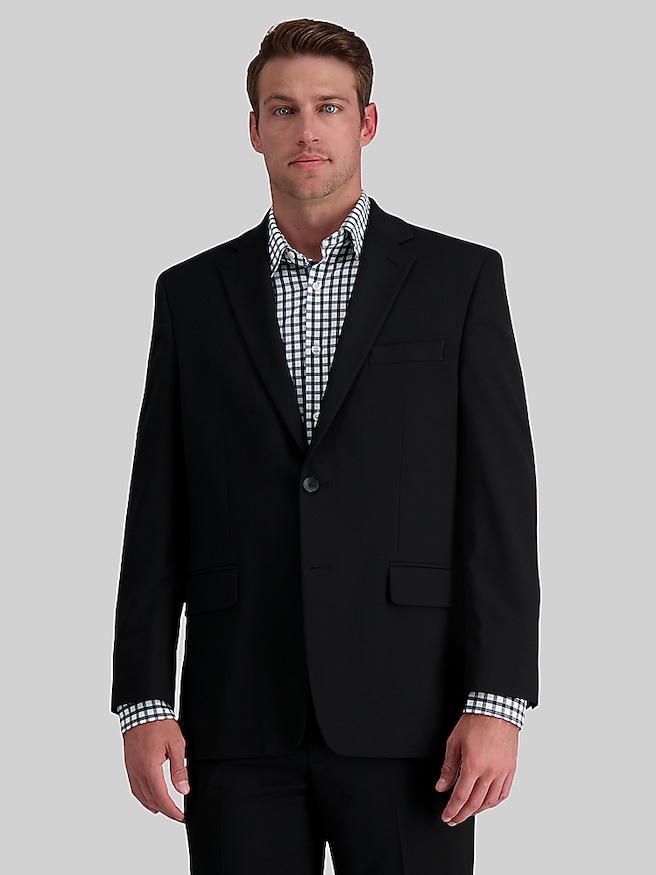
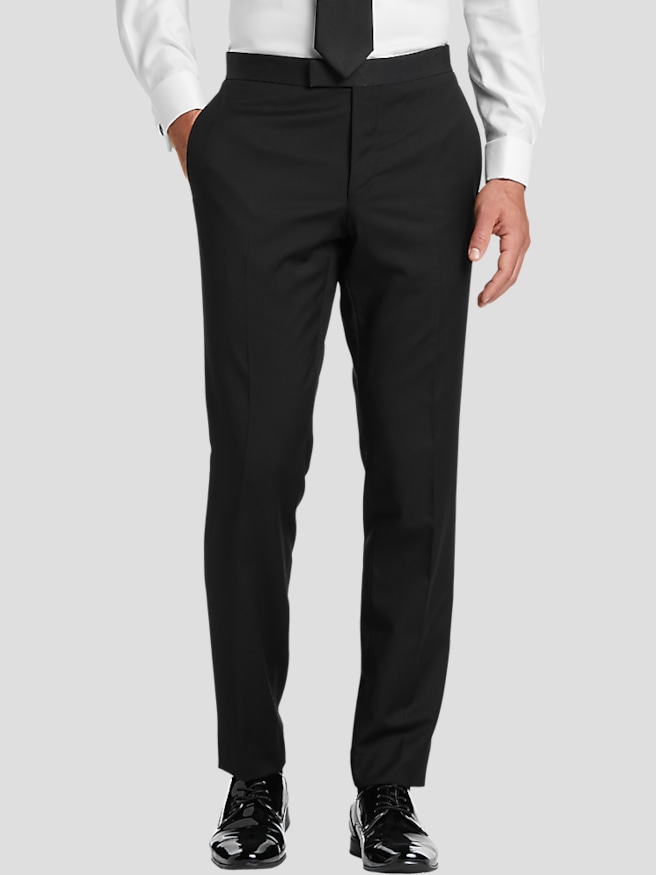
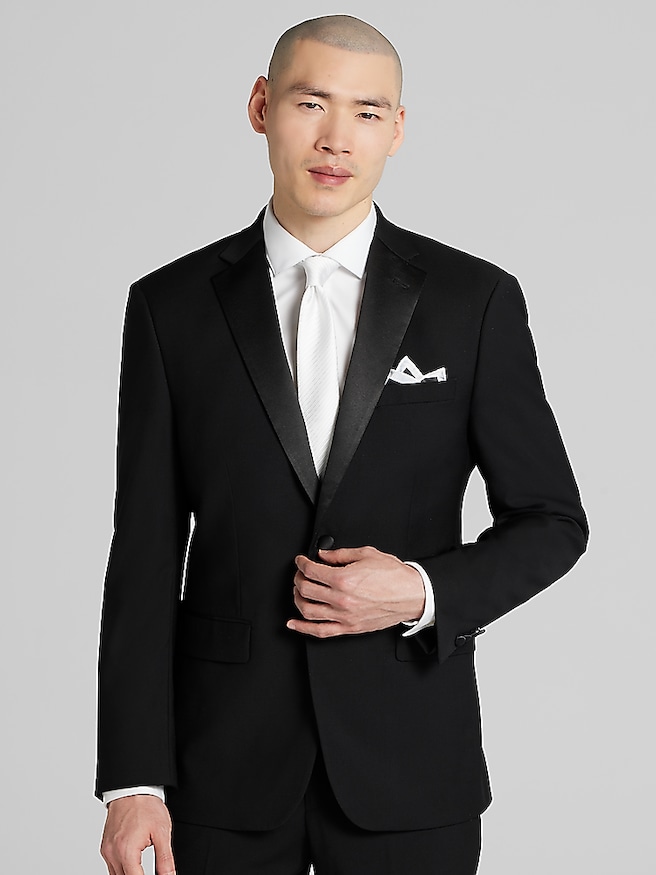
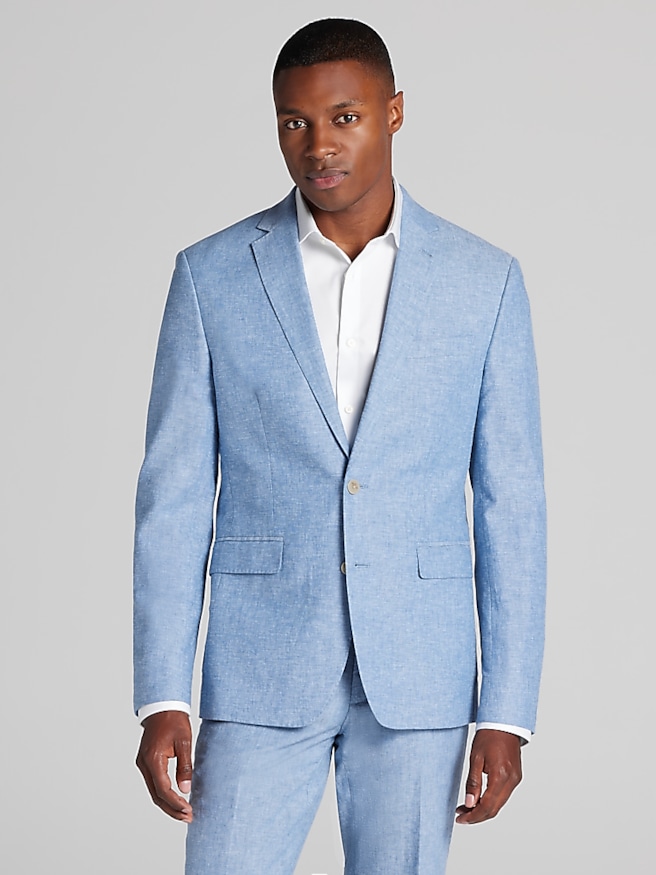
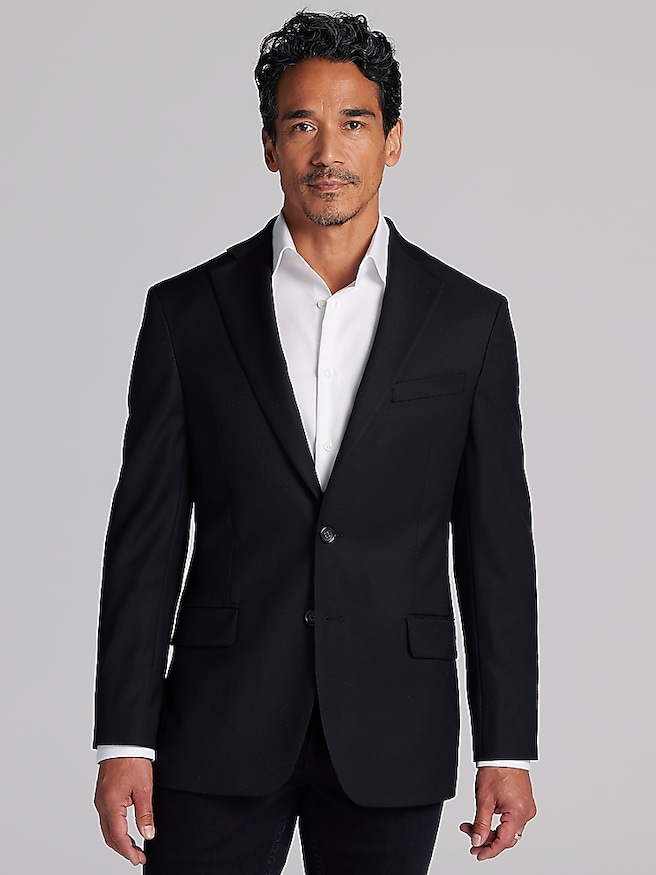
Men’s formal dress style is built around polish, proportion and dependable details that help an outfit feel appropriate from the first handshake to the final photograph. A well-chosen suit or tuxedo creates the foundation, with dark and neutral shades offering a timeless look for weddings, evening celebrations, ceremonies, galas and important professional occasions. Navy, charcoal, black and deep gray are especially versatile because they work across a range of settings and pair naturally with crisp shirts, refined neckwear and leather dress shoes. The right level of formality depends on the invitation, venue and time of day: a classic suit may suit a business dinner or daytime ceremony, while a tuxedo is generally reserved for black-tie celebrations and other distinctly formal evening events. A clean white or pale blue dress shirt brings brightness to darker tailoring, while a conservative tie adds color without distracting from the overall appearance. For the most formal looks, a bow tie should complement the jacket and maintain a balanced, intentional finish. Accessories are best kept understated, such as a simple leather belt, a refined watch and polished shoes in black or dark brown. Formal clothing can also be a thoughtful gift for a graduate beginning a career, a groom or member of a wedding party, a father preparing for a milestone celebration or anyone building a wardrobe for important occasions. When selecting a gift, classic colors, adaptable styling and easy-care fabrics can make the choice more useful over time, especially for someone attending several ceremonies, interviews or celebrations during the year.
Fit is the detail that makes formal clothing look personal rather than borrowed. The jacket should sit smoothly across the shoulders without pulling, collapsing or extending past the natural shoulder line. When the arms rest at the sides, the sleeve should allow a small amount of shirt cuff to show, creating a clean transition between the jacket and hand. The jacket should close comfortably without strain across the chest or stomach, and the trousers should sit securely at the waist while falling in a straight, balanced line through the leg. A soft break at the shoe usually offers a classic appearance, while a shorter, cleaner break can feel more contemporary when the rest of the outfit has a streamlined shape. The tie should reach the middle of the belt buckle, and the belt should coordinate with the shoes rather than competing with them. These small measurements are easy to overlook when dressing quickly, yet they are often what make a formal outfit appear carefully considered. Before an event, try on the complete look together, including the shirt, neckwear, shoes and any outer layer needed for cooler weather. Walk, sit and raise your arms to ensure the clothing remains comfortable beyond the fitting room. A wedding guest may spend hours moving between a ceremony, reception and dance floor, while someone attending a formal work function may need to travel, stand during conversations and remain composed through a long dinner. Comfortable tailoring helps the wearer focus on the occasion instead of adjusting a collar, tugging at a jacket or managing trousers that do not sit correctly.
Formal dressing also benefits from thoughtful preparation and seasonal flexibility. As the weather warms, lightweight layers and breathable shirt fabrics can help maintain a crisp appearance during outdoor ceremonies, garden receptions and travel between venues. During the cooler months, a tailored overcoat, neatly folded pocket square or restrained knit layer can add warmth without overwhelming the clean lines of the suit. Garments should be hung on broad, supportive hangers after wear, given time to air out and cleaned according to their care instructions so they remain ready for the next invitation. Pressing or steaming can restore a smooth finish, while polished shoes and a fresh shirt make even a familiar outfit feel renewed. Those building a wardrobe may want to begin with versatile formal colors and then add occasion-specific pieces as their schedule develops. A reliable dark suit can move from a daytime ceremony to an evening dinner with a change of shirt and neckwear, while a tuxedo serves a more defined role for black-tie events. For a seasonal refresh, explore Men's Spring Formal Wear for formal dressing that can transition comfortably as temperatures and occasions change. Whether the outfit is being selected for a first interview, a family celebration, a wedding party or a meaningful gift, the most successful formal style combines a proper fit with quiet confidence, practical comfort and details that look appropriate long after the photographs are taken.