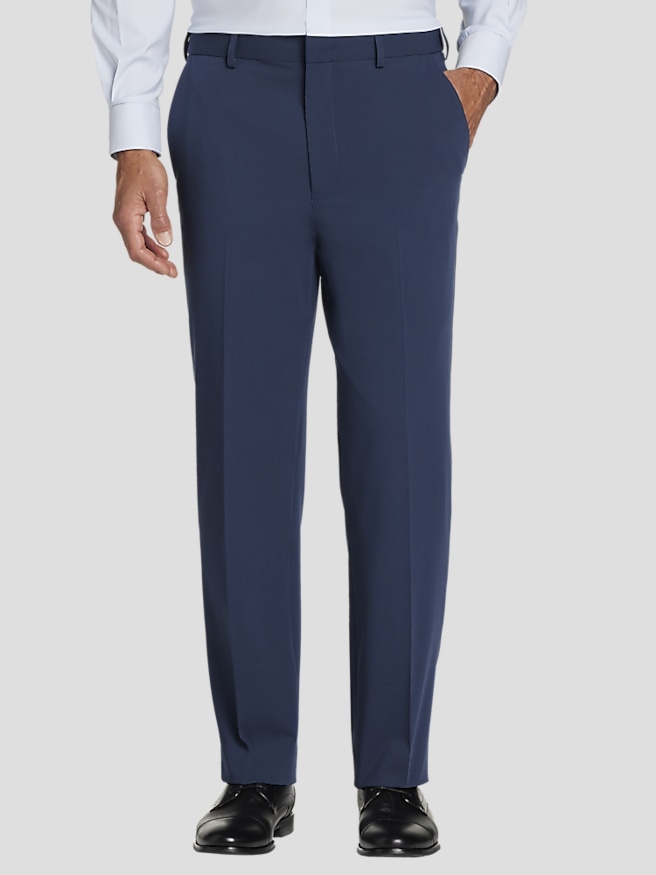
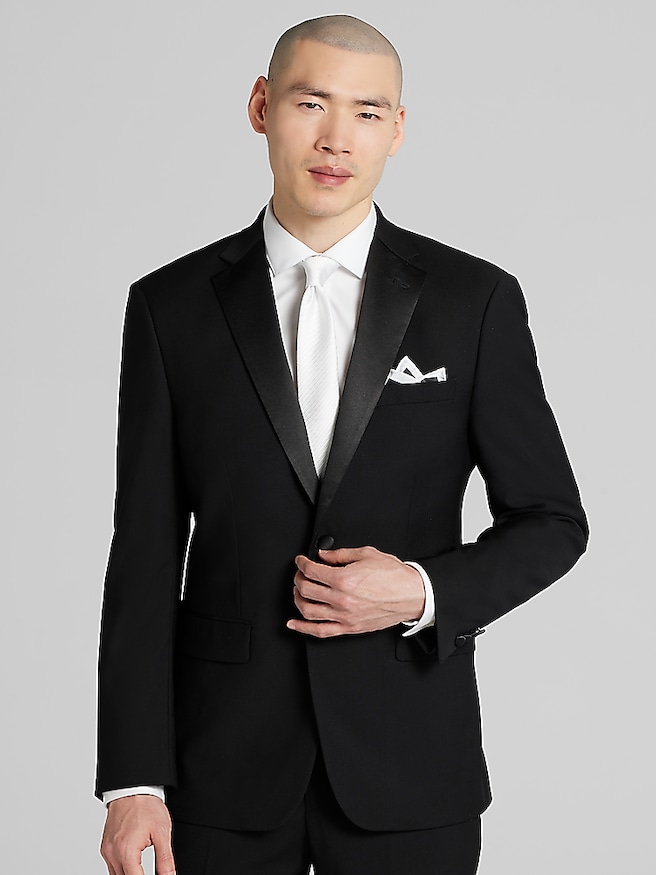
Men’s formal wear styles are built around a few dependable principles: clean lines, thoughtful proportions, polished details, and clothing that suits the occasion. Whether you are dressing for a wedding, gala, graduation, evening celebration, professional ceremony, or an important event at work, the foundation is usually a well-fitted suit or tuxedo in a refined, versatile color. Deep navy, charcoal gray, and black create a classic starting point, while subtle texture or a restrained pattern can add personality without distracting from the overall look. A two-piece suit offers easy versatility for formal business settings and celebrations, while a three-piece suit brings added depth and ceremony when the occasion calls for a more elevated appearance. Tuxedo styles are traditionally reserved for black-tie and similarly formal events, where a sleek silhouette, crisp shirt, refined neckwear, and polished shoes work together as one uninterrupted look. Fit matters as much as color: the jacket should sit smoothly across the shoulders, the sleeves should allow a small amount of shirt cuff to show, and the trousers should fall cleanly without excessive bunching at the shoe. The right proportions can make even a simple outfit feel considered, much like the difference between a room that is merely furnished and one where every chair, lamp, and picture has its place.
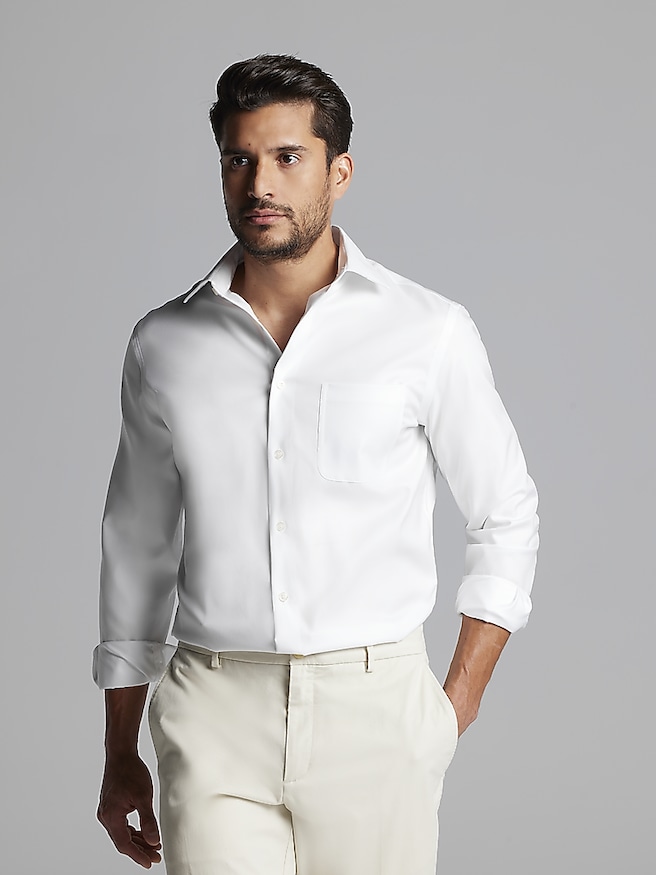
A dress shirt provides the structure beneath formal tailoring. White remains the most traditional choice and pairs naturally with nearly any dark suit or tuxedo, while light blue and other restrained shades can soften the look for daytime ceremonies, business events, and celebrations held in brighter settings. Choose a collar that sits neatly beneath the jacket and a fabric that feels comfortable through hours of conversation, photographs, dinner, and dancing. Neckwear should complement the suit rather than compete with it: a conservative silk tie works well for many formal and professional occasions, while a bow tie is a natural choice for black-tie attire. When wearing a necktie, the tip should generally reach the middle of the belt buckle for a balanced appearance. Footwear completes the foundation, and polished leather Oxford or Derby styles in black or dark brown are reliable choices for formal dressing. A simple rule helps keep the outfit cohesive: coordinate the belt with the shoes and keep both in a condition worthy of the occasion. Accessories are most effective when they are intentional and restrained. A metal watch, understated cufflinks, or a neatly folded pocket square can add character, but every detail should support the clean impression of the clothing. Before leaving home, check the small things that are easy to overlook: press the shirt, remove stray threads, inspect the shoes, and make sure the jacket pockets are not pulling. These quiet finishing touches often stand out in person, especially beneath venue lighting or in the close-up photographs that preserve the day.
When selecting men’s formal wear, begin with the invitation or dress code, then consider the setting, time of day, weather, and how long the clothing will be worn. A lightweight, breathable fabric can feel more comfortable as the weather warms, while a richer weave or layered three-piece silhouette may feel appropriate during the cooler months. Daytime events often welcome lighter neutrals and softer contrast, while evening occasions tend to favor deeper colors and a more streamlined finish. Tailoring is particularly important when purchasing formal clothing as a gift for a son, partner, brother, father, graduate, or member of a wedding party; knowing the recipient’s measurements, preferred fit, and typical event needs makes the choice more useful and personal. Formal wear can mark a meaningful transition, whether it is a first interview outfit, a graduation ensemble, clothing for a wedding, or a dependable look for ceremonies and celebrations ahead. For shoppers planning an event in a warmer season, exploring Men's Spring Formal Wear can help narrow the search toward comfortable, polished options suited to brighter days and changing temperatures. Above all, choose clothing that allows natural movement and confidence. The best formal outfit is the one that remains composed when you are greeting relatives at the door, standing beneath a photographer’s flash, raising a glass with friends, or stepping onto a dance floor after dinner. With a balanced color palette, precise fit, crisp layers, coordinated footwear, and a light touch with accessories, formal wear can feel both traditional and distinctly your own.