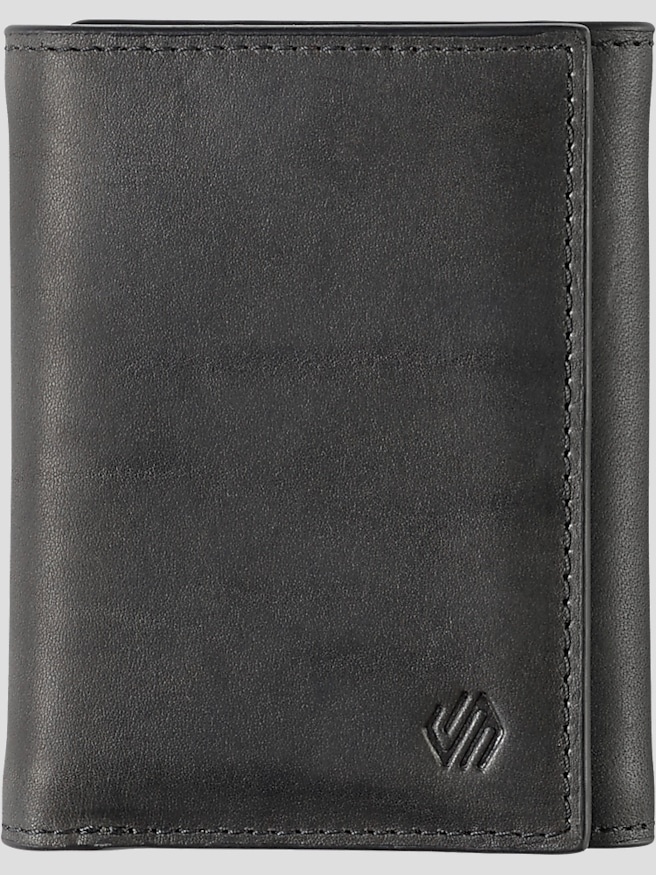
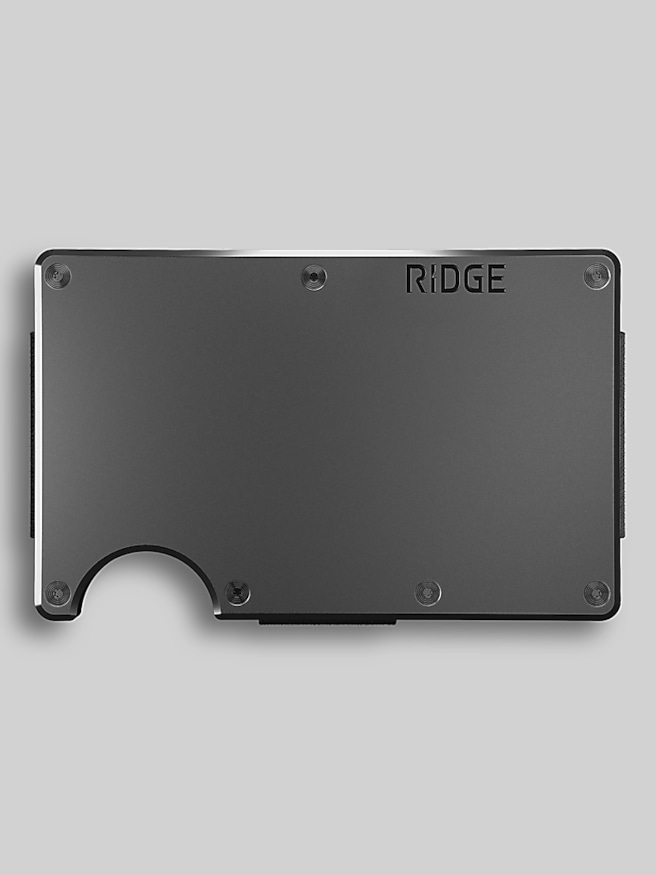
Men’s cardholders are compact cases designed to keep payment cards, identification, and a few other essentials together without the bulk of a traditional wallet. Their appeal is straightforward: a slim profile, orderly storage, and easy access to the cards used most often. For someone who pays primarily by card and rarely carries coins, a cardholder can make a noticeable difference in how a pocket feels and how clothing hangs. A flat case sits more discreetly in the front pocket of chinos or tailored trousers, while a jacket’s interior pocket provides another convenient place to keep it within reach. Capacity varies by construction, so the useful measure is not simply how many slots a case has, but how comfortably it holds an everyday selection of cards when filled. A driver’s license, two payment cards, and a transit pass call for less space than a mix of personal cards, work credentials, and membership cards. Some designs include a center compartment for folded bills or a receipt, though most are not intended to replace the storage of a full-size billfold. Leather is a familiar choice for its flexible feel, understated appearance, and ability to develop character through regular handling. Smooth leather has a clean, polished surface that works naturally with tailored clothing; pebbled textures can make small scuffs less noticeable. Full-grain leather retains the hide’s natural surface, while top-grain leather has been refined for a more consistent finish. Neither label alone tells the whole story of quality: the thickness of the leather, the treatment of the edges, and the strength of the stitching also matter. Metal cardholders offer a more structured alternative, holding cards inside a rigid body rather than individual leather pockets. Fabric and synthetic materials can provide a lightweight feel, with performance depending on the weave, coating, and overall construction. The best match is a case whose material, dimensions, and layout suit the way it will actually be carried.
Fit matters as much for a cardholder as it does for the clothing around it. An empty case may look exceptionally slim, yet become considerably thicker after every slot is filled. Checking the dimensions and stated capacity helps set expectations, especially for close-fitting trousers or a suit worn through a long day of meetings and travel. Rounded corners and neatly finished edges can help a case slide into a pocket without catching on the lining. Cards should feel secure without requiring excessive force to remove; leather pockets may relax slightly with use, but forcing several cards into a slot intended for one can permanently stretch the material. External slots offer quick access to frequently used cards, while an enclosed or folding construction keeps more of their surfaces covered. A center pocket adds flexibility for occasional cash, but a stack of folded bills can defeat the purpose of a minimalist shape. For rigid designs, the opening or release mechanism deserves equal attention. A sliding or pop-up mechanism can present cards in a staggered arrangement, although its usefulness depends on reliable operation and compatibility with the cards being carried. Embossed cards, unusually thick credentials, and protective sleeves can affect capacity. A commuter may value access to a transit card above all else, while someone attending a formal dinner may want only identification and one payment card tucked discreetly inside a jacket. RFID-blocking construction is another feature found in some cardholders. When properly designed for the relevant frequency, shielding can limit wireless communication with compatible contactless cards while they remain enclosed. It is not a substitute for monitoring accounts, safeguarding PINs, or reporting a missing card, and it does not prevent every type of payment fraud. A shielded card may also need to be removed before tapping at a terminal or transit reader. Practical organization remains important regardless of added features: keeping essential cards in consistent positions makes checkout easier and helps reveal an empty slot before a missing card goes unnoticed.
Durability comes from both thoughtful construction and everyday habits. Even stitching, reinforced stress points, and well-finished openings help a cardholder withstand repeated use, particularly where a thumb presses against the same edge each day. Leather should generally be kept away from prolonged moisture, direct heat, and abrasive surfaces. If a case gets damp, gently blotting it with a soft cloth and allowing it to air-dry away from a radiator is usually safer than trying to speed the process with heat. Cleaning and conditioning should follow the maker’s instructions, since suede, coated leather, and smooth finished leather do not all respond to the same treatment. Too much conditioner can leave residue or alter the appearance, so testing any approved treatment on an inconspicuous area is sensible. Metal and synthetic cases also benefit from gentle cleaning appropriate to their finish, with attention to keeping grit out of moving parts. Separating a cardholder from keys can reduce scratching, while removing old receipts and unused cards prevents unnecessary strain. Those small habits help preserve the shape that makes a compact case appealing in the first place. Color and texture can be chosen with the same practical mindset. Black offers a restrained look alongside dark shoes, belts, and business accessories, while brown leather can develop visible tonal variation with handling. Matching every accessory exactly is unnecessary, but similar levels of polish create a coherent impression. For those comparing a compact card case with a format that provides more room for cash and additional contents, Men's Black Wallets offers a related category to consider. Cardholders also make useful gifts for graduates, new professionals, frequent travelers, or anyone simplifying an everyday carry. The most thoughtful choice reflects the recipient’s routine rather than maximum capacity or elaborate detailing. Someone moving between an office, a train platform, and an evening reservation may appreciate a slim, accessible layout; someone who regularly handles cash may need a larger format. During the cooler months, when essentials often move between trouser pockets and outerwear, a consistent storage spot helps keep the case easy to find. A well-chosen cardholder earns its place through that combination of comfort, reliable organization, and an appearance suited to daily wear.