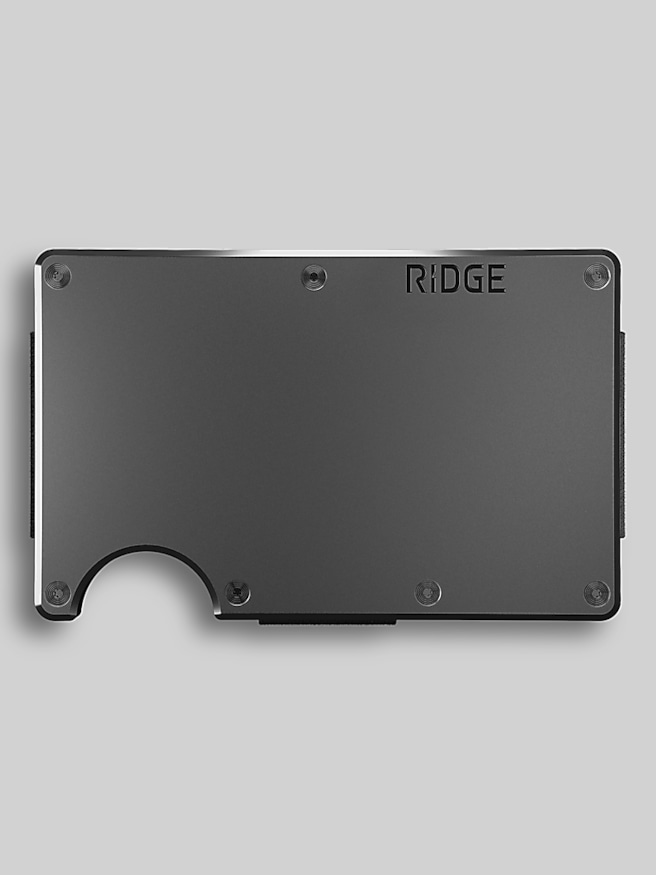
Card holders are compact accessories designed to organize credit cards, identification, and other everyday essentials without the bulk of a traditional wallet. Their appeal is straightforward: a few well-placed slots keep frequently used cards close at hand, while a slim profile fits neatly into a pants pocket, jacket pocket, or briefcase compartment. For someone who usually carries a driver’s license, two payment cards, and a work credential, that smaller footprint can make everyday carry feel considerably less cumbersome. A card holder also complements tailored clothing, where an overfilled wallet can interrupt the clean line of flat-front pants or create a noticeable bulge beneath a jacket. The most useful size depends on what actually travels from home to the office, a restaurant, or an evening event. A simple sleeve suits a light assortment of essentials, while a design with several separate slots makes it easier to distinguish a personal card from a business card without emptying the contents at a checkout counter. Some constructions include a central pocket for a folded bill or a receipt, although a compact holder is not intended to accommodate the contents of a full-size billfold. Card holders and Men's Card Wallets share that emphasis on streamlined organization, making them relevant to anyone who prefers a smaller accessory over a bulky pocket organizer. Dimensions matter as much as the number of compartments: a holder should accommodate standard payment cards securely without making them difficult to remove. A snug slot can help keep a card in place, but persistent bending, strained stitching, or an awkward grip suggests that the contents exceed the design’s practical capacity. For daily use, the goal is a balanced shape that stays flat, feels comfortable while seated, and makes the next transaction simple rather than turning a quick payment into a search through stacked cards.
Materials give a card holder much of its character, influencing how it feels in the hand, how it wears, and how much structure it provides. Leather is a familiar choice because it combines flexibility with a polished appearance that works alongside business clothing and more relaxed outfits. Smooth leather has a clean, understated finish, while pebbled or textured surfaces add visual depth and can make minor marks less noticeable. Full-grain leather retains the hide’s natural surface characteristics and may develop a patina with handling; other leather finishes can offer a more uniform appearance. No single finish eliminates wear, and construction deserves as much attention as the material description. Even stitching, neatly finished edges, and reinforced stress points help a frequently handled accessory hold its shape through repeated trips in and out of a pocket. Fabric and synthetic materials can offer a lighter feel, though their resistance to abrasion, moisture, and stretching varies with the construction. Rigid metal cases offer a distinctly structured alternative, often with a more mechanical feel than a flexible sleeve. Their corners, closure, and card-release mechanism affect comfort and ease of use, particularly for someone who carries a holder in a front pants pocket throughout the day. A metal exterior alone should not be taken as proof of RFID protection; that feature depends on the design and its stated specifications. Across materials, durability is closely tied to reasonable loading. Forcing extra cards into a narrow compartment can stretch leather, distort fabric, or put unnecessary pressure on seams and closures. Everyday care is generally simple but should suit the material: leather benefits from gentle wiping and occasional conditioning when recommended for its finish, while fabric and synthetic surfaces may need a different cleaning approach. Soaking, harsh cleaners, and direct heat can damage finishes or alter shape. A holder that gets damp should dry naturally, away from a heater, and abrasive objects such as loose keys are best kept in a separate pocket to reduce scuffs.
Color, texture, and pocket placement help determine how naturally a card holder fits into an established routine. Black and deep brown have an understated character that pairs easily with dress shoes, belts, and a professional wardrobe, while lighter browns and more pronounced textures can feel relaxed without becoming overly casual. An exact match with every leather accessory is unnecessary; a similar level of formality usually creates a cohesive impression. At a client lunch, a slim, neatly kept holder can feel as considered as a well-chosen belt, yet its value remains practical long after the first impression. For someone moving between a desk, public transit, and meetings, easy access to the most-used card may matter more than decorative details. A commuter who scans a pass frequently may prefer a dedicated outer slot, while a traveler may appreciate clear separation between identification and payment cards. Contactless passes and access credentials sometimes need to be removed from a holder to scan reliably, especially when several cards are stacked together or a blocking layer is present. These small habits are worth considering because a streamlined accessory works best when its layout reflects the way it will be used. Card holders also make thoughtful gifts for graduations, birthdays, and career milestones, particularly when the recipient already favors pared-back essentials. A restrained color and straightforward layout are versatile choices when personal preferences are not fully known. Someone who regularly carries coins, numerous membership cards, or substantial paperwork may find a compact holder more useful as a second wallet for dinners and events than as a complete replacement. For others, it can become the everyday default, carrying just what is needed and leaving unnecessary extras behind. The lasting appeal lies in that combination of simplicity and purpose: secure organization, comfortable proportions, and a finish that looks appropriate wherever the day leads.