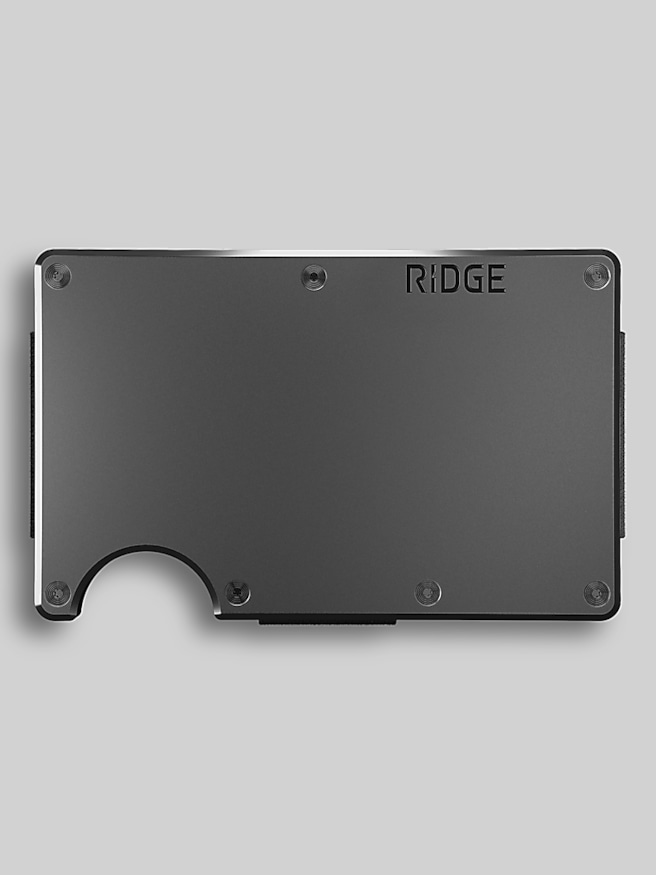
Men's card wallets keep everyday essentials close without the bulk of a wallet packed with receipts, spare cards, and loose change. A compact holder can make a noticeable difference in a trouser pocket, especially when worn with tailored pants or a suit. The appeal is practical: a few well-placed slots hold the cards used most often, while a slim profile helps preserve the clean line of clothing. For a commute, that might mean carrying a transit card, a payment card, and an ID; for dinner out, it might mean leaving everything but the necessities at home. The right layout depends less on how many slots a wallet has than on how those slots are arranged. Exterior pockets give frequently used cards a clear place, while an interior compartment can keep a folded bill or an additional card tucked away. Materials contribute just as much to the experience. Smooth leather has a polished appearance that works naturally with dress shoes, a leather belt, and tailored clothing. Pebbled leather brings more visible texture and can make small surface marks less noticeable, though no finish is immune to wear. Full-grain leather retains the hide's natural surface character and may develop a richer patina with use. More refined leather finishes tend to look more uniform, with durability depending on the underlying material, construction, and care. Textile and synthetic options offer other combinations of texture, flexibility, and weight. A soft lining can help cards slide in and out smoothly, while neatly finished edges make the holder more comfortable to handle. Color also influences how easily a wallet fits into an everyday routine. Black is understated alongside business attire, brown complements many leather accessories, and a contrasting shade can make a small holder easier to spot inside a bag. Since a card wallet is handled repeatedly throughout the day, its surface, shape, and feel matter as much as its appearance.
A well-made card wallet balances a compact footprint with enough room to retrieve a card without wrestling it free. Card slots should hold their contents securely, but an overly tight fit can make a quick stop at a checkout counter awkward. Leather may soften slightly through ordinary use, yet forcing several cards into a pocket designed for one can stretch the opening and put unnecessary strain on the stitching. Capacity is best understood as the amount a holder can carry comfortably, not the greatest number of cards that can be squeezed inside. The thickness of the filled wallet matters, too. A holder that looks slim when empty may become noticeably bulky once every compartment is used. For someone drawn to Modern Men's Wallets, a card-focused layout offers a straightforward way to keep everyday carry pared back. It works especially well for someone who uses cards for most purchases and rarely needs a large cash compartment. A central pocket may accommodate a folded bill, but a compact holder is not usually the most convenient format for carrying numerous notes or coins. Construction details help explain how a wallet will stand up to repeated handling. Even stitching, secure seams, and carefully finished edges support the areas that get the most use, particularly the openings where cards are inserted and removed. Reinforced corners can help limit wear at pressure points, although longevity still depends on the material and how heavily the holder is loaded. Pocket placement deserves consideration as well. A front trouser pocket keeps essentials accessible, while an interior jacket pocket can suit a more dressed-up setting. Sitting on a wallet may bend cards and stress the holder, so a back pocket is less comfortable for long stretches at a desk or behind the wheel. Cards should remain securely seated when the wallet is moved or turned, and any closure should operate smoothly without catching on the contents. Small details become meaningful when an accessory is used several times a day.
Care for men's card wallets starts with treating them as hardworking accessories rather than indestructible objects. Keeping keys and other sharp objects in a separate pocket helps reduce scratches, and removing old receipts prevents a compact compartment from becoming overfilled. A leather holder generally benefits from an occasional wipe with a soft, dry cloth. If it gets damp, blotting the surface gently and allowing it to air-dry away from direct heat is safer than placing it beside a heater or using a hair dryer. Cleaning and conditioning should follow the material's care instructions, since a treatment suited to one leather finish may discolor or alter another. Testing an appropriate care product on a discreet area can help avoid an unwanted change in color or sheen. Fabric and synthetic materials have their own cleaning requirements, so soaking or machine washing should not be assumed to be suitable. Emptying the wallet periodically makes it easier to clear debris from the pockets and inspect the seams before a small issue grows. Daily habits also influence durability: pulling a card out gently, avoiding sharp folds, and keeping the holder away from spills can help preserve its shape. Beyond personal use, a card wallet makes a thoughtful gift when its proportions and layout match the recipient's routine. Someone beginning an office role may appreciate an understated holder that sits neatly in tailored clothing, while a frequent traveler may value a compact place for the cards needed throughout a trip. Birthdays, graduations, and career milestones are fitting occasions for an accessory that is both personal and useful. The strongest choice reflects how the recipient carries essentials, whether that means a few cards in a front pocket or a holder tucked inside a briefcase. Matching the finish to a favorite belt or choosing a familiar color can make the gift feel considered without requiring an exact match. A thoughtfully chosen card wallet earns its place through small conveniences: less pocket bulk, an easy-to-find ID, and a comfortable feel each time it is picked up.