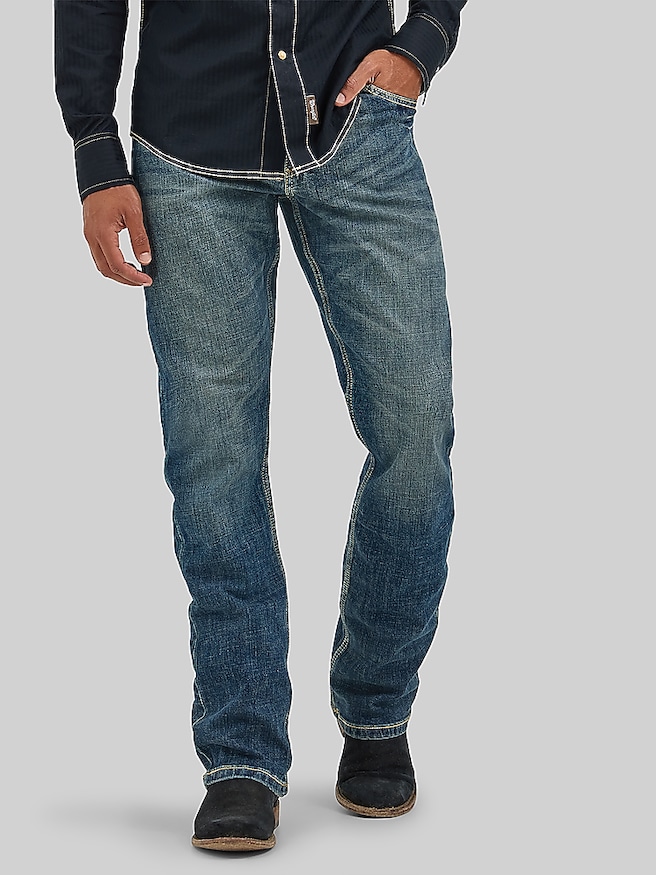
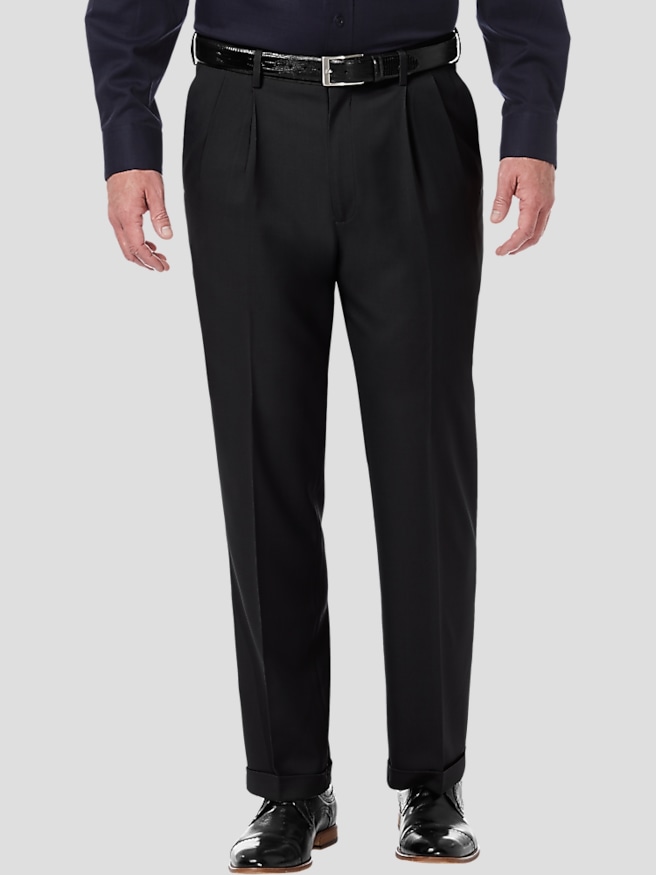
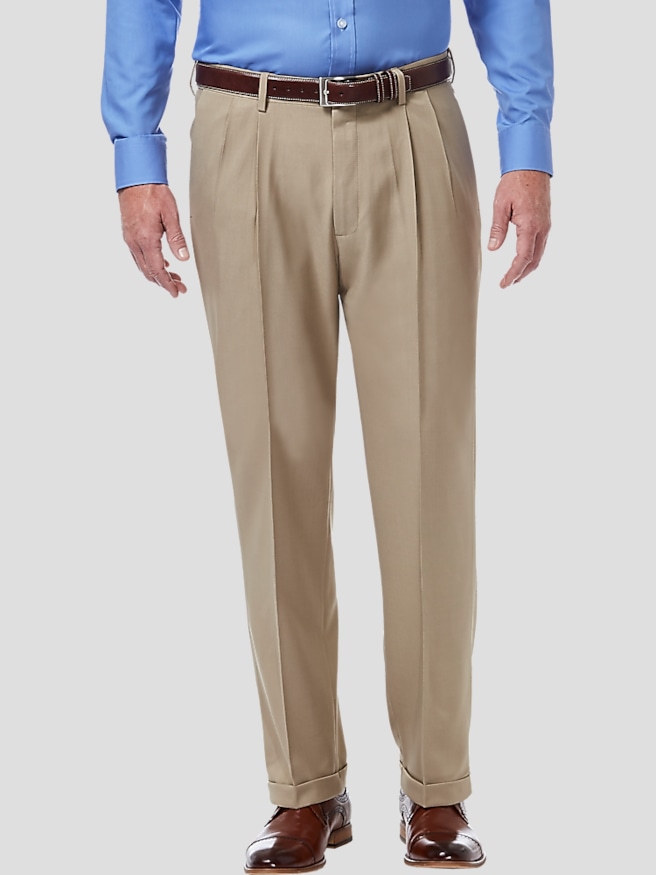
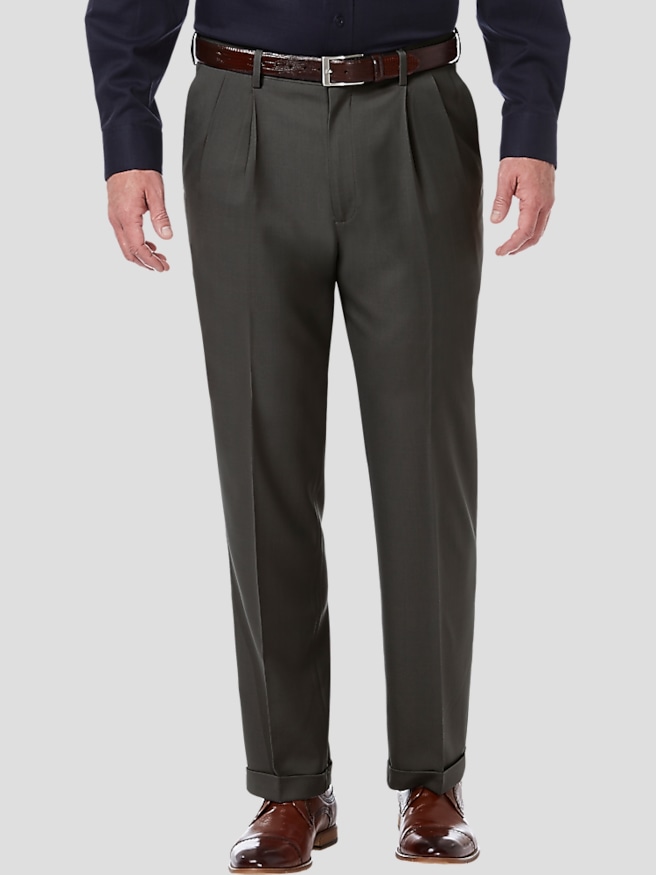
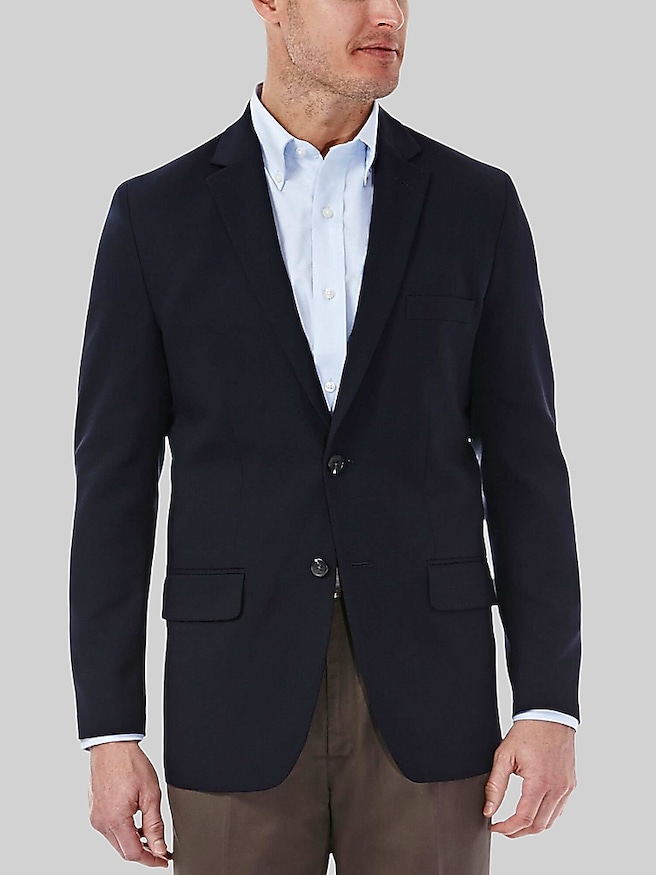
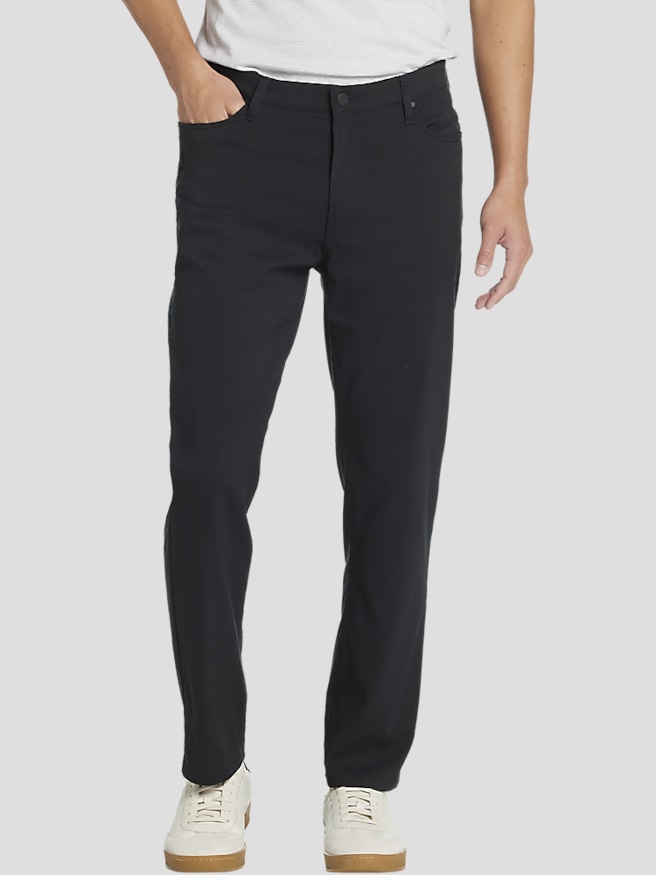
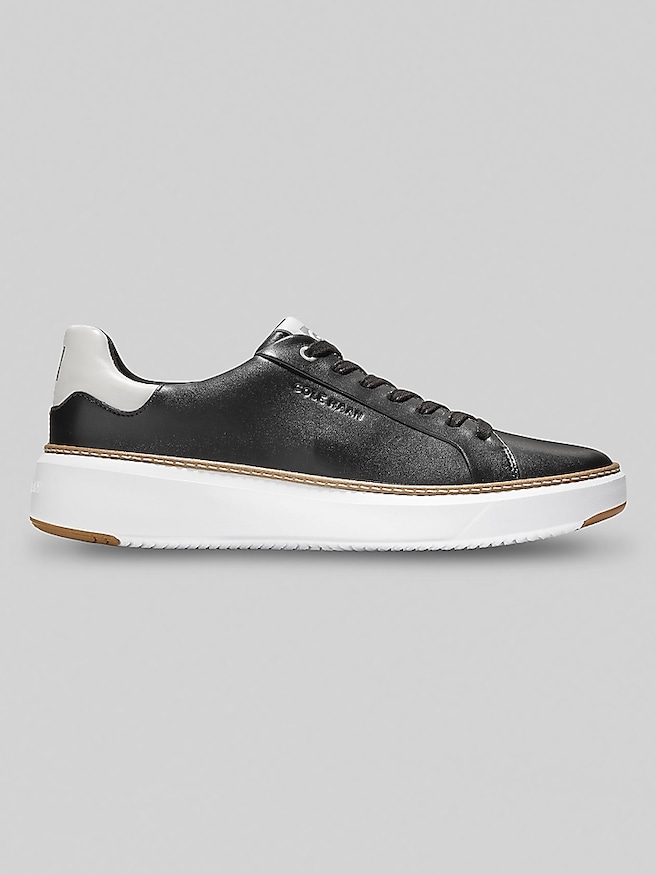
Men’s airport style brings together comfortable clothing, easy movement, and a polished appearance that holds up from check-in to the destination. The strongest airport outfits feel relaxed during hours of sitting without looking like an afterthought when it is time to step off the plane. Soft fabrics, balanced proportions, and practical pockets matter more than complicated styling. A smooth knit top with tapered pants creates a clean outline, while a collared shirt and stretch chinos bring a slightly more dressed-up feel to the same travel routine. Neither approach needs to be restrictive. Clothes that accommodate a long stride through the terminal, a reach into an overhead compartment, and a seat with limited legroom are better suited to flying than pieces that only feel comfortable standing still. For a business traveler heading straight to a casual client lunch, understated colors and a little structure can make an airport outfit appropriate beyond the gate. For a weekend visit or a longer vacation, relaxed separates make it easier to settle into the trip without sacrificing a pulled-together appearance. Navy, charcoal, olive, and soft neutrals are useful foundations because they combine easily and give a small travel wardrobe more possibilities. Tonal combinations can look cohesive even when the fabrics vary, such as a textured knit worn with smooth trousers. A simple outer layer adds definition and can be removed without disrupting the rest of the outfit. Airport clothing also earns its place through versatility: pants worn on the flight can work for dinner, and a neat casual shirt can pair with another bottom already in the suitcase. The broader selection of Mens Travel Outfits extends that same approach beyond departure and arrival. The point is a wardrobe that supports the whole journey, with enough ease for the flight and enough finish for whatever comes after baggage claim. That balance makes travel-focused clothing useful for frequent flyers, occasional vacationers, and anyone whose schedule leaves little opportunity to change before the next stop.
Fabric and fit shape how airport clothes perform once the trip is underway. Cotton knits offer a familiar, soft feel, while blends with synthetic fibers can add resilience and help garments maintain their shape. A small amount of elastane can provide useful give through the seat, knees, shoulders, or elbows, although fabric composition alone does not guarantee comfort. The weave, weight, cut, and construction all contribute to how a garment moves. Stretch trousers with a clean front can look quite tailored while allowing more freedom than a rigid fabric, and an elasticized or adjustable waistband can accommodate extended sitting without requiring an overly loose fit. Linen has an airy texture and a naturally relaxed appearance, but visible creasing is part of its character rather than a flaw. Fine wool can drape neatly and resist some wrinkling, though its care requirements deserve attention before it becomes a regular travel choice. For anyone stepping directly into a meeting, a fabric described as wrinkle-resistant may be more practical than one that needs pressing after every wear; wrinkle-resistant still does not mean wrinkle-proof. Fit is equally important in the details. A waistband should sit comfortably while seated, pockets should lie reasonably flat, and the rise should allow movement without pulling. Through the legs, a straight or gently tapered silhouette can provide space without leaving excess fabric gathered around the ankles. Tops need enough length to stay comfortably in place when reaching upward, with room across the back rather than tension between the shoulders. Layers work best when sleeves slide over one another easily and the outer piece does not bunch across the chest when closed. These small distinctions become noticeable while carrying luggage, leaning over a tray table, or waiting through a connection. Well-proportioned clothing creates a composed look without asking the wearer to keep adjusting cuffs, tugging at hems, or loosening a waistband. For long flights in particular, comfort comes from sufficient room and thoughtful construction, not simply choosing the largest size.
Finishing details make men’s airport outfits more practical, especially when there is plenty of walking between the curb and the gate. Footwear benefits from a secure fit, a stable sole, and cushioning that remains comfortable over hard terminal floors. Clean-lined sneakers support a casual outfit, while flexible loafers can complement chinos or relaxed tailoring when the arrival plans call for a sharper appearance. Easy-on designs can simplify changing shoes when needed, but a heel that slips with every step is a poor trade for convenience. Shoes already worn comfortably on an ordinary day are a more dependable travel choice than an unfamiliar pair making its first outing. Socks should stay in place without bunching inside the shoe, and pants hems should clear the floor rather than catch beneath the heel. Accessible pockets are helpful for small essentials, though loading every pocket can distort the fit and make sitting awkward. A secure closure adds reassurance for belongings kept close at hand, while a separate compartment in a carry-on can keep frequently used accessories organized. Durability matters just as much as appearance for clothing worn repeatedly on travel days. Even stitching, securely attached buttons, tidy seams, and fabric that recovers after gentle stretching are useful signs of construction worth examining. Areas exposed to repeated friction, including the seat, inner thighs, and cuffs, deserve particular attention. Care labels help distinguish pieces suited to routine laundering from those requiring more specialized attention. Following the stated washing and drying directions, treating marks promptly, and avoiding unnecessary heat can help preserve fit, color, and elastic fibers. Unpacking and hanging clothing after arrival gives compressed fabric a chance to relax, while a garment steamer should be used only when the care instructions permit it. For someone who travels regularly, easy-care separates can also make thoughtful gifts when size and personal preferences are known. A successful airport wardrobe ultimately feels familiar and dependable: clothing that moves naturally, coordinates without much effort, and still looks considered when the flight is over.