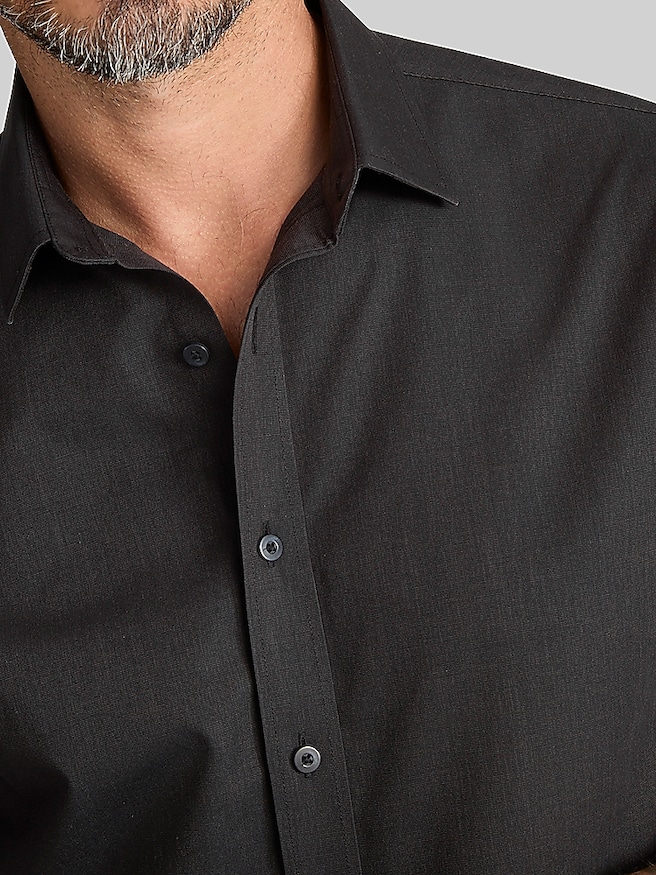
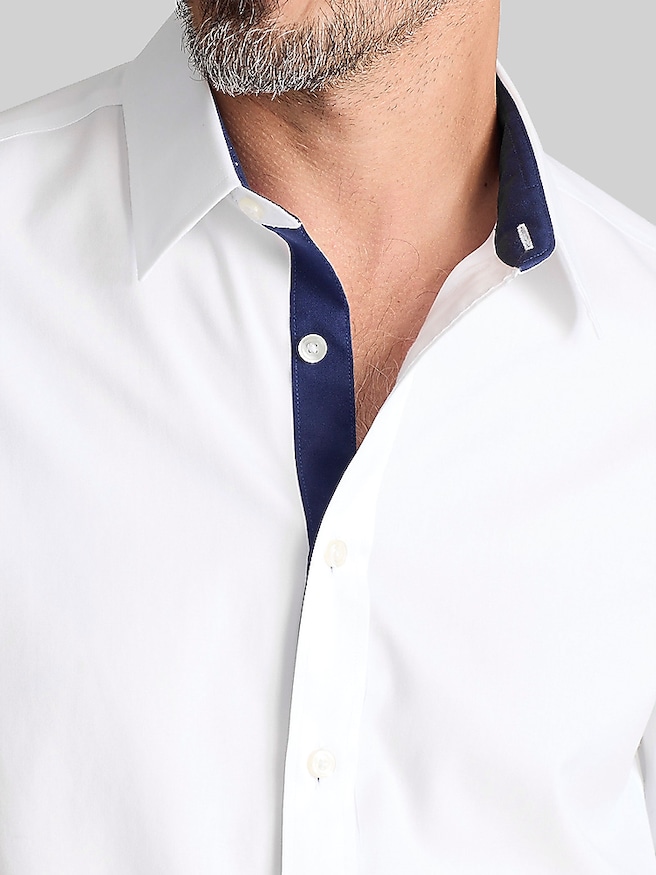
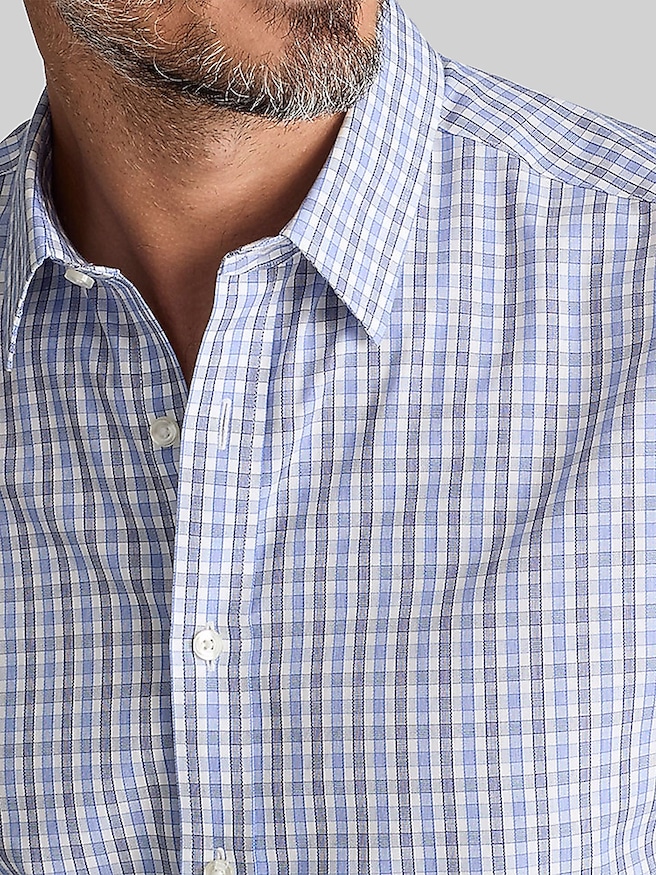
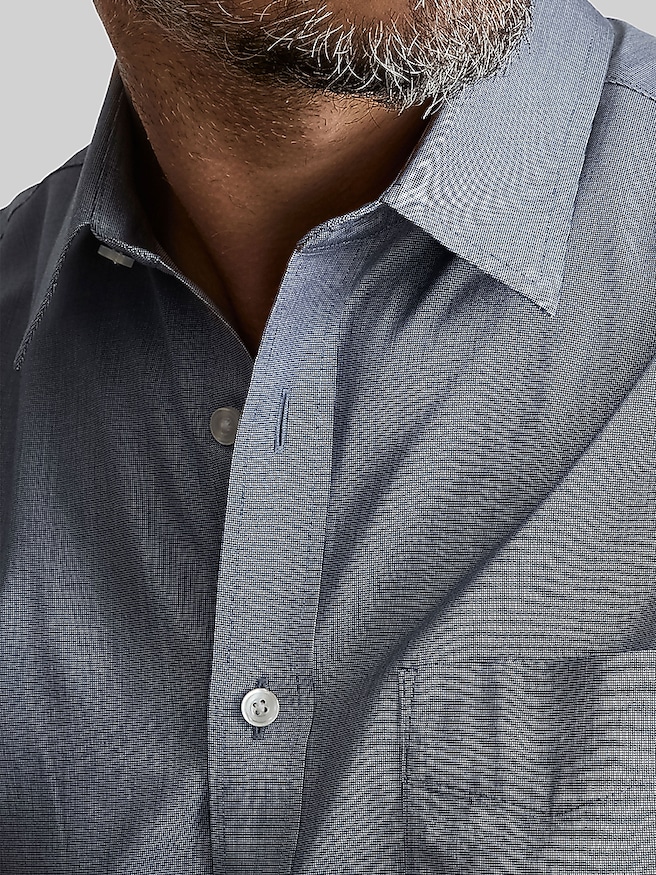
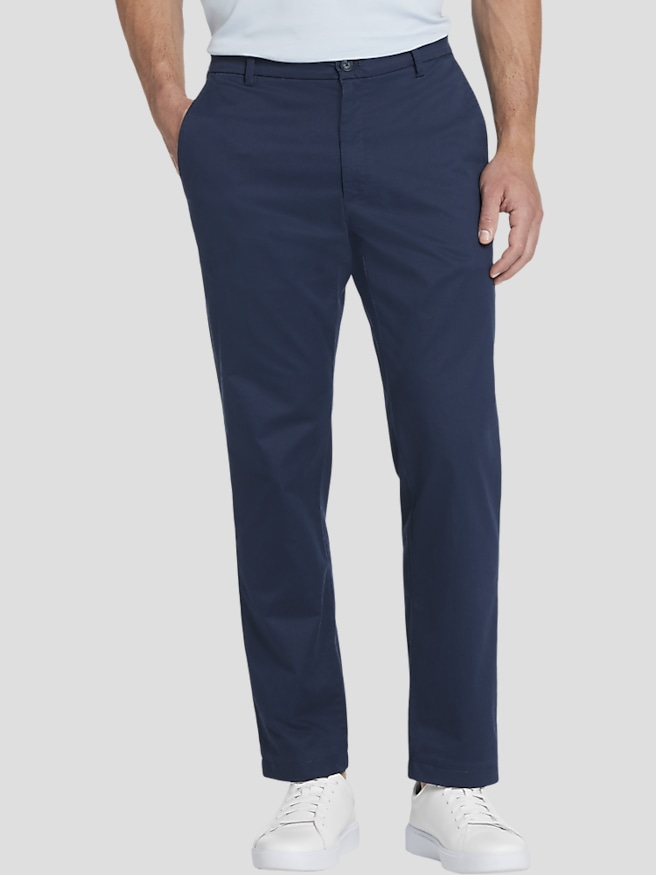
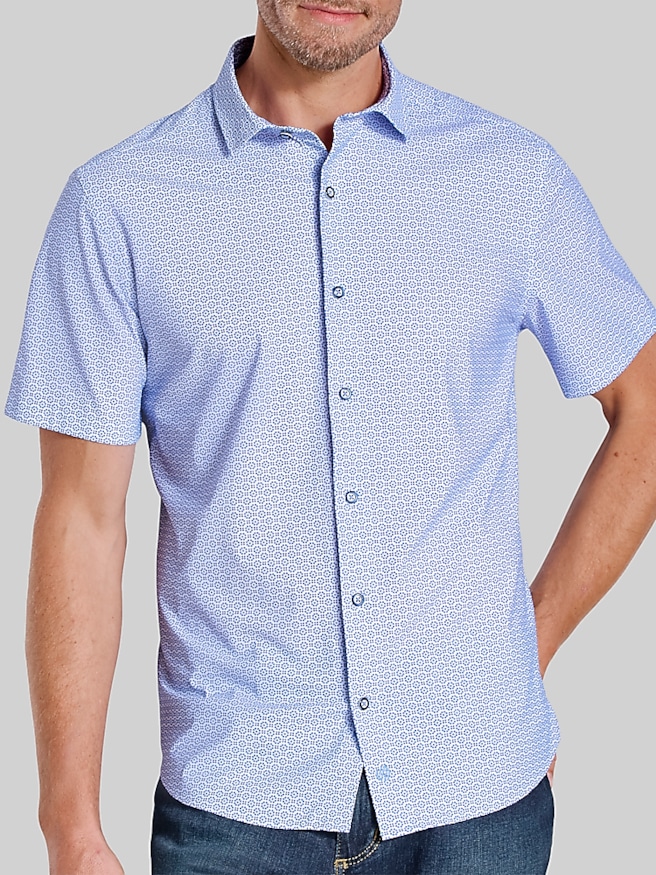
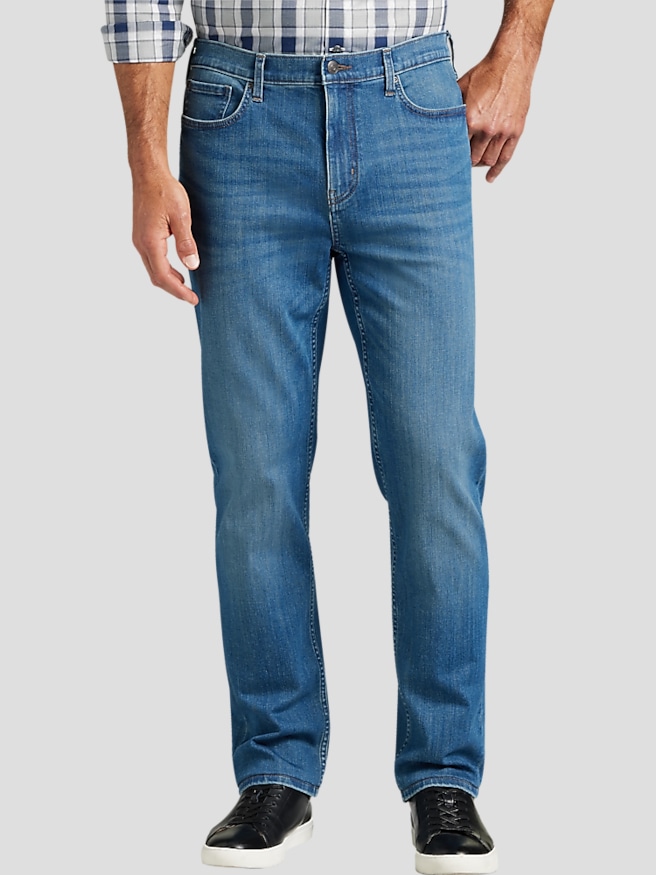
Men’s comfortable travel wear brings together freedom of movement, a neat appearance, and fabrics that hold up to hours spent in transit. The most useful travel clothing feels easy through the seat, shoulders, and knees without looking oversized when the trip moves from an airport terminal to a business lunch. Stretch, breathability, and wrinkle resistance are valuable qualities, but each serves a distinct purpose: stretch allows movement, breathable construction helps moisture escape, and wrinkle resistance reduces the creasing that can develop from sitting or packing. A comfortable travel wardrobe balances those features with the level of polish the destination requires. For a day of flights followed by a casual dinner, soft separates with clean lines can feel relaxed without looking like workout clothing. Business travel may call for more structure, with smooth fabrics, a defined shoulder, and a trouser leg that falls neatly over footwear. The important distinction is comfort that lasts beyond the first few minutes of wear. A waistband should stay comfortable while seated, sleeves should allow an easy reach toward an overhead compartment, and fabric should not pull sharply across the thighs when stepping onto a train. Smaller construction details matter, too. Flat seams can reduce rubbing beneath a shoulder strap, a smooth interior can make clothing more pleasant against the skin, and pockets placed away from natural bending points can keep a phone from pressing into the hip. Secure closures are useful for small essentials, although overfilled pockets can distort the fit and make sitting awkward. Coordinating colors such as navy, charcoal, olive, and tan make it easier to repeat pieces across a trip without every outfit looking identical. For a broader view of coordinated combinations, Mens Travel Outfits connects everyday travel comfort with looks suited to the journey and the plans that follow. The result is clothing that makes sense for the full itinerary, not just the hours spent getting there.
Fabric composition helps explain how travel wear feels, moves, and responds to repeated use. Cotton offers a familiar softness and can be comfortable for everyday travel, though some cotton fabrics crease readily and take longer to dry after washing. Cotton blended with synthetic fibers may provide a balance of softness, shape retention, and easier care, depending on the weave and finish. Polyester and nylon are often used in performance fabrics because they can support durability and relatively quick drying, but fiber content alone does not guarantee breathability or moisture management. Moisture-wicking performance depends on how the fabric is engineered to move perspiration away from the skin; a smooth synthetic fabric is not automatically moisture-wicking. Elastane adds stretch, allowing fabric to give as the body moves. Two-way stretch generally works along one direction, while four-way stretch allows movement both across and along the fabric. Neither label replaces a good fit, and recovery matters as much as stretch: material that returns to its original shape is less likely to look loose at the knees after a long seated journey. Wool can also have a place in comfortable travel clothing, particularly fine wool fabrics valued for their drape, moisture absorption, and natural resilience. Its care requirements vary, so washable construction should never be assumed. Knits typically offer flexibility through their looped structure, while woven fabrics can provide a crisper outline for more polished settings. A dense, stable fabric may withstand friction from a carry-on strap better than a delicate, loosely constructed one, although weight by itself is not a reliable measure of quality. Reinforced pocket openings, even stitching, secure buttons, and neatly finished seams are practical signs of thoughtful construction. Wrinkle-resistant finishes can reduce upkeep, but they do not make clothing immune to creases. Tightly compressed packing and extended sitting can still leave marks, especially at the lap and behind the knees. Together, fabric, finish, and construction determine whether a piece remains comfortable and presentable through repeated departures, connections, and returns home.
Fit gives those material benefits room to work. A close silhouette can still be comfortable when there is sufficient ease through the chest, upper arms, seat, and thighs; a roomier cut can still look polished when the shoulders and hem lengths are proportionate. The waistband is especially important for travel because standing comfort does not always translate to seated comfort. Sitting with the knees bent reveals pressure points that may not be obvious in front of a mirror, while reaching forward shows whether the back and shoulders have enough room. An adjustable or flexible waist can accommodate movement without requiring the rest of the garment to look loose. Length deserves similar attention: excess fabric at the ankle can bunch during walking, and an overly long top can gather uncomfortably beneath another layer. Smooth, lightweight layers are useful when an itinerary includes both informal time and more dressed-up appointments, allowing the overall look to change without a complete wardrobe change. A restrained color palette and compatible proportions also help reduce unnecessary packing, leaving space for essentials rather than duplicate outfit combinations. Care is part of that practicality. The sewn-in label should determine washing, drying, ironing, or professional cleaning, particularly for blended fabrics and structured clothing. Excessive dryer heat can damage some stretch fibers, while fabric softener can interfere with certain performance finishes; following the garment’s instructions helps preserve its intended feel and function. Unpacking promptly and hanging clothing with room around it can help ease light creasing, and steaming is an option only when the care directions allow it. Quick-drying claims should be understood in context, since fabric thickness, airflow, and drying conditions affect how soon clothing is ready to wear again. These considerations make comfortable travel wear useful for frequent business travelers, weekend visitors, long-distance commuters, and anyone whose day includes extended stretches of sitting and walking. It can also be a thoughtful gift for someone with a familiar fit and an upcoming trip. Lasting usefulness comes from clothing that feels natural in motion, holds its shape with appropriate care, and looks at home once the suitcase is put away.