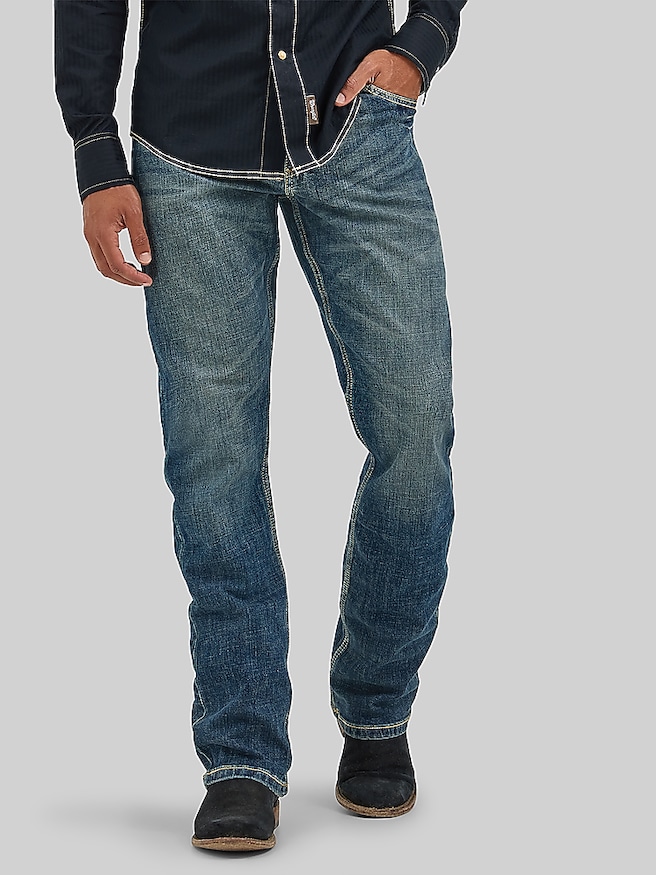
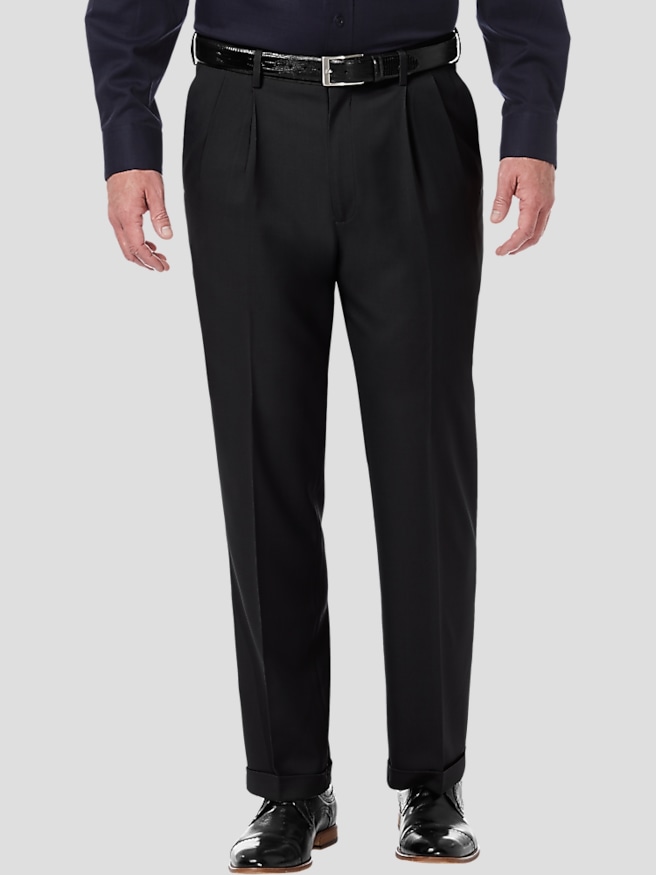
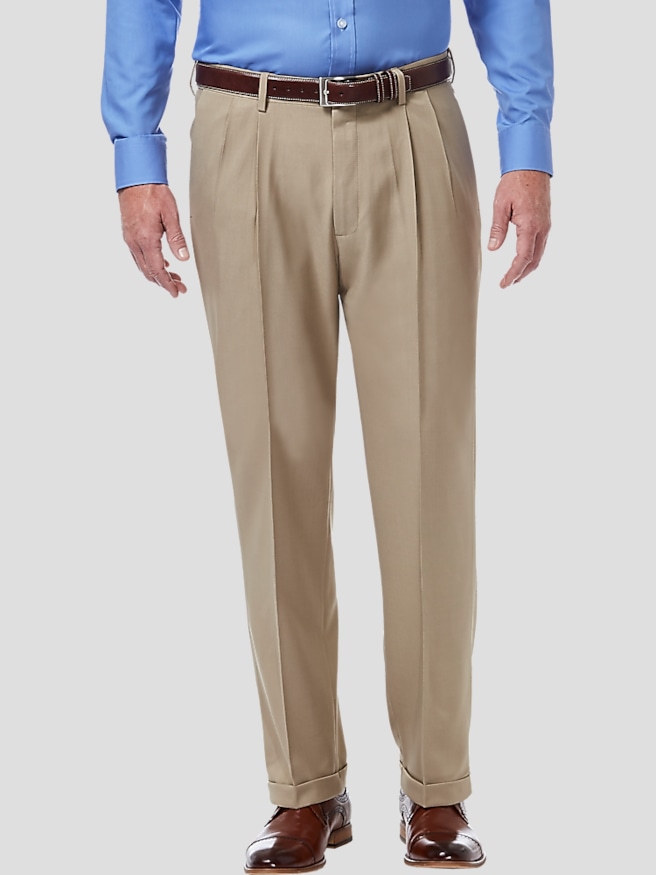
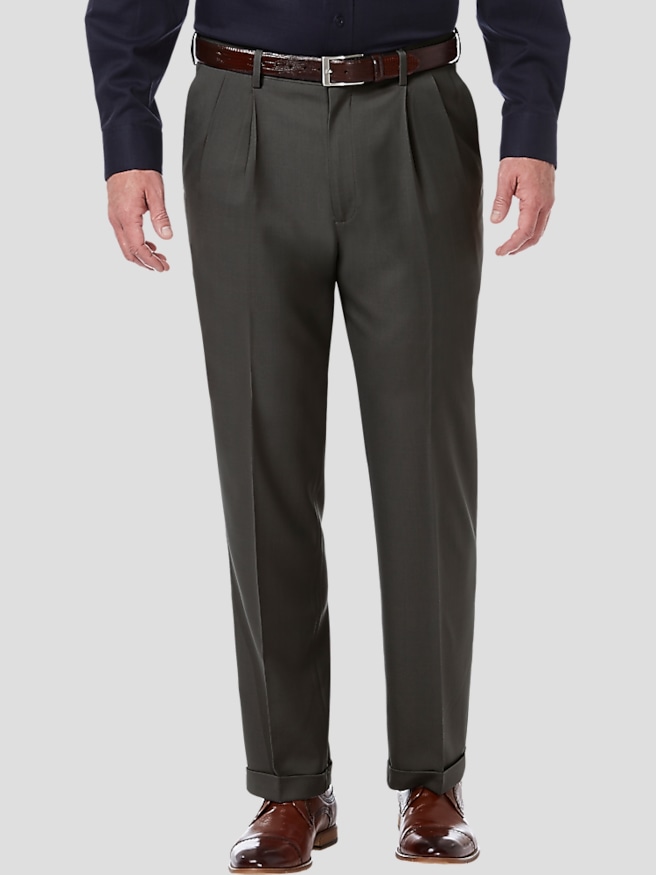
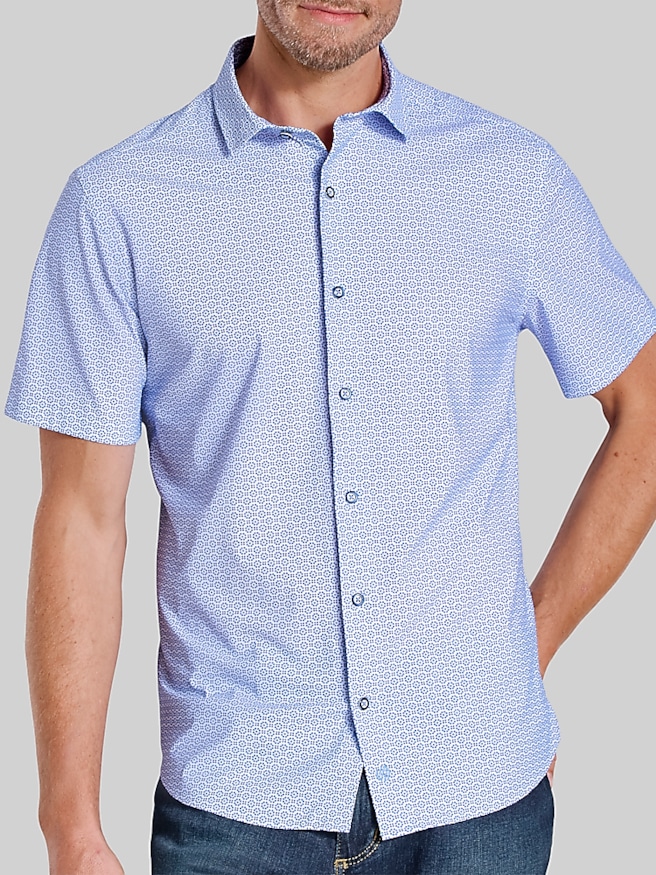
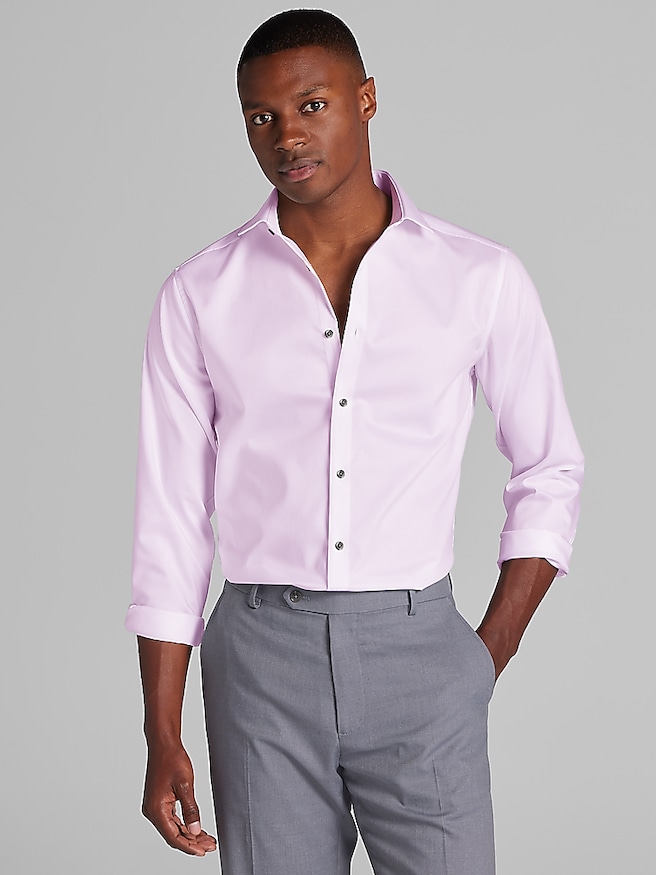
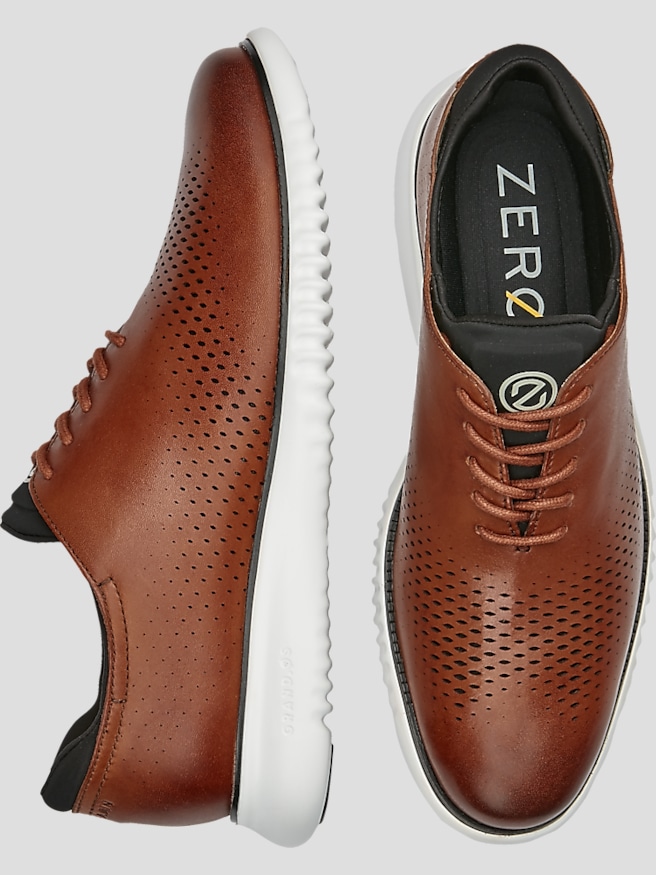
Men’s travel outfits bring together comfortable fabrics, easy movement, and a put-together appearance that holds up beyond the departure gate. A versatile combination starts with stretch trousers, a breathable shirt or knit top, and a light layer that can come off when the cabin warms up. The goal is clothing that feels comfortable through hours of sitting but still looks appropriate for lunch after arrival, an afternoon of sightseeing, or an evening with friends. Travel chinos and other softly structured pants offer a useful middle ground between athletic clothing and more formal tailoring, especially when their shape stays neat through the seat and knees. Knit polos add a defined collar without the stiffness of a heavily structured shirt, while simple crewneck tops work well beneath overshirts, sweaters, and casual jackets. For trips that include professional settings, Work Travel Outfits For Men connects that same emphasis on comfort with a more polished look. Navy, charcoal, olive, and tan make practical foundations because they combine easily, allowing a few coordinated pieces to cover several occasions without making every outfit look identical. A textured sweater can soften the look of tailored trousers, while a smooth knit under an unstructured jacket adds definition without much bulk. During the cooler months, removable layers are particularly useful for moving between chilly sidewalks, heated terminals, and crowded train cars. Outerwear that fits comfortably over a sweater keeps those transitions manageable without restricting the shoulders. Footwear completes the balance: low-profile sneakers suit casual itineraries, while comfortable loafers can support a dressier look when the destination calls for it. Secure fit, cushioning, and traction matter more than appearance alone on long concourses or uneven streets. Slip-on construction may make shoes easier to remove when needed, but they should still stay firmly in place while walking. The strongest travel wardrobe feels cohesive rather than overly matched, with enough flexibility to handle a delayed connection or a dinner reservation without a complete change of clothes.
Fabric and fit make the biggest difference in how travel clothing feels after several hours away from home. Cotton offers a familiar, soft hand and works well for casual tops, although heavier cotton fabrics can take longer to dry after washing. Cotton blends may add stretch, improve drying time, or help a garment keep its shape, depending on their composition and construction. Fine-gauge merino wool is useful in lightweight layers because it helps manage moisture and can resist odor buildup between washes; it is not a substitute for regular care, but it can be practical for repeat wear during a short trip. Linen blends provide an airy feel for warmer destinations, with a naturally relaxed texture that includes some wrinkling. Synthetic blends can offer light weight and quick drying, while moisture-wicking or wrinkle-resistant performance should be confirmed in the garment details rather than assumed from the fabric name. Wrinkle resistance helps reduce visible creasing, but even travel-friendly materials may need a little attention after being compressed in a bag. A modest amount of elastane can give trousers more flexibility, though stretch alone does not guarantee comfort. The waistband should feel secure without pressing into the body when seated, and the rise should allow easy movement without pulling across the hips. Through the thighs and knees, enough room to bend makes stairs, overhead storage, and long car rides less awkward. A tapered leg can look clean without fitting tightly at the calf, while a straight leg offers a little more space throughout. Shirt shoulders should sit comfortably, sleeves should allow reaching, and layered necklines should lie smoothly rather than bunch together. Jacket length and pocket placement also affect everyday usefulness: accessible pockets keep small essentials close, and secure closures help prevent loose contents from slipping out when seated. Overfilled pockets, however, can distort a garment and become uncomfortable against an armrest. For travelers moving directly from a flight to a meeting, these small construction details often matter as much as the overall silhouette. Clothing that drapes smoothly, moves naturally, and layers without binding looks composed without requiring a stiff or restrictive fit.
Travel outfits also need to stand up to repeated packing, walking, sitting, and laundering. Durable construction begins with even stitching, well-finished seams, and secure fastenings, particularly at pocket openings and other areas that receive frequent handling. Fabric weight deserves attention, too: a substantial knit may hold its shape well, but a lighter layer takes up less luggage space and can be easier to combine with outerwear. Neither is automatically better; the right balance depends on the climate, trip length, and amount of time spent outdoors. A weekend visit with mostly indoor plans has different demands from several days of walking between transit stops and appointments. Care requirements can be just as important as versatility, especially when access to laundry is limited. Machine-washable clothing may simplify longer trips, while pieces that need professional cleaning require more planning. The care label remains the best source for washing temperature, drying method, and whether ironing or steaming is appropriate. High heat can affect some stretch fibers and finishes, so gentler care is often worth considering when the label allows it. After arrival, unpacking and hanging garments gives compressed fabric a chance to relax; knitwear may be better folded or laid flat to avoid stretching at the shoulders. Letting clothing dry fully before repacking helps keep the inside of a suitcase fresh. Shoes benefit from time to air out, and smooth leather, suede, and canvas each need cleaning methods suited to their surface. For frequent flyers, commuters extending a work trip into a weekend, or anyone visiting family, coordinated travel clothing can reduce the need for separate outfits for every stop. It can also make a thoughtful gift for a father, partner, brother, or friend with a trip ahead, particularly when sizing and care preferences are familiar. Soft layers and versatile colors are useful starting points, while fit-sensitive pieces deserve closer attention to measurements. The lasting appeal of men’s travel outfits is straightforward: clothing that feels good in motion, stays comfortable at rest, and looks at home when the journey gives way to the destination.