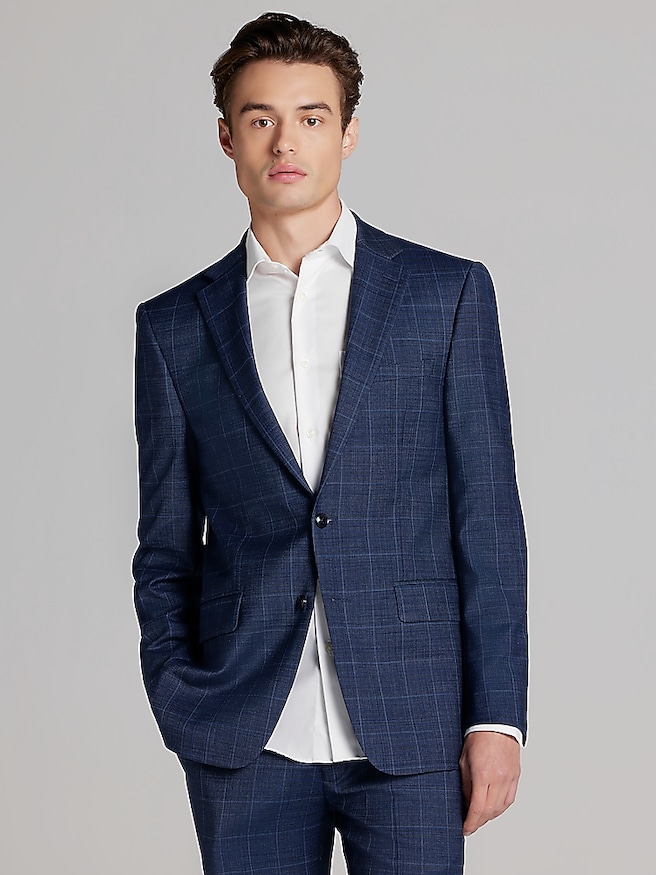
Work travel outfits for men balance professional polish with comfort for long stretches of sitting, walking, and moving between appointments. The most useful combinations bring together crease-resistant fabrics, a comfortable fit, and versatile layers that look appropriate at both the airport and the meeting table. A tailored jacket, neatly fitted shirt, and coordinated trousers can create a put-together appearance without requiring a separate outfit for every stop on an itinerary. For a trip centered on formal presentations or client meetings, a suit provides a consistent level of dress from the first handshake through a business dinner. For offices with a more relaxed dress code, a blazer with chinos or tailored stretch pants offers structure without the formality of a matching suit. A fine-gauge knit or polished polo can also work beneath a jacket when the setting allows. The distinction comes down to the workplace, the audience, and the purpose of the visit: a first meeting with senior leadership generally calls for a different approach than an internal planning session with familiar colleagues. Color helps connect these pieces into a practical travel wardrobe. Navy, charcoal, gray, and tan coordinate easily with white or light blue shirts, making it simpler to repeat a jacket while changing the overall impression. Subtle checks and restrained textures add depth without competing with a tie or drawing attention away from a presentation. For someone stepping off a flight and heading directly to an appointment, the outfit needs to remain presentable after hours in a seat. Trousers that allow comfortable movement, a shirt that stays neatly tucked, and a jacket that sits cleanly through the shoulders all contribute to that result. Details such as secure pockets and smooth closures matter, too, particularly when carrying identification, a phone, and other small essentials through a busy terminal. The goal is clothing that supports the workday rather than demanding attention throughout it.
Fabric choice has a direct effect on how business travel clothing feels, packs, and holds its shape. Wool is valued in tailored clothing for its breathability, drape, and natural resilience, although its performance varies with the weave, weight, and construction. Wool blends can combine that tailored appearance with other practical qualities, depending on their fiber content. Stretch woven fabrics allow some give through the seat, thighs, and knees, which can make a noticeable difference during a long flight or a taxi ride across town. Cotton shirts provide a familiar, crisp appearance, while cotton blends may offer easier care or improved wrinkle resistance. Knit shirts and fine-gauge sweaters have a softer structure and can suit business-casual settings where a stiff collar is unnecessary. Crease-resistant does not mean crease-proof, however, and tightly packed clothing can still need attention after unpacking. Fabric labels and care instructions provide a better indication of maintenance needs than appearance alone. Durability also deserves consideration for clothing that repeatedly moves between a suitcase, an office chair, and a garment hanger. Even stitching, neatly finished seams, and fabric that recovers after gentle movement are useful details to assess. Fit is equally important. A jacket should follow the shoulders without extending noticeably beyond them, and the front should close without pulling into pronounced lines. Shirt collars need enough room to remain comfortable when buttoned, especially when worn with a tie. Sleeves should allow easy movement when reaching for a bag or typing at a conference table. Trousers need room to sit comfortably without excess fabric bunching around the seat or pooling over the shoes. A very narrow leg may look sleek while standing but feel restrictive after several hours seated; an overly loose cut can appear untidy beneath a tailored jacket. A balanced fit preserves a clean silhouette while allowing normal movement. For frequent travelers, that balance often matters more than following a sharply exaggerated cut.
Versatility becomes especially valuable on trips that combine several kinds of professional occasions. The same dark trousers can anchor a jacket-and-shirt combination for a presentation, then pair with a refined knit for a team dinner. A suit jacket is not always interchangeable with a separate blazer, since fabric and construction affect how naturally it works with other pants, but coordinated separates can provide several distinct outfits with relatively few pieces. Related combinations within Business Travel Outfits For Men reflect the same emphasis on professional appearance, adaptable styling, and practical comfort. Shoes and accessories complete that balance. Lace-up dress shoes suit more formal schedules, while streamlined loafers may complement business-casual trousers and an unstructured jacket. Either approach benefits from a secure fit, comfortable cushioning, and soles suited to walking between terminals, offices, and restaurants. Footwear that already feels comfortable is generally a better companion for a demanding itinerary than a pair worn for the first time on departure day. A belt with a restrained buckle, socks that coordinate with the trousers, and a tie suited to the setting keep the finish intentional rather than busy. Care between wears helps preserve that appearance throughout the trip. Jackets benefit from being placed on shaped hangers after unpacking, and trousers look neater when hung carefully instead of left folded in a bag. Allowing clothing to air between wears can help it feel fresher, while spills and marks need attention according to the fabric’s care label. Steam, ironing, and laundering are not interchangeable solutions for every material; tailored construction and delicate fibers may require professional care. These considerations matter whether the wearer travels regularly for consulting assignments, attends occasional conferences, or makes short visits to regional offices. Clothing chosen for the actual schedule—with enough polish for the most formal commitment and enough flexibility for the hours around it—can make a compact travel wardrobe feel complete. The strongest combinations look deliberate at the destination while remaining comfortable through the journey.