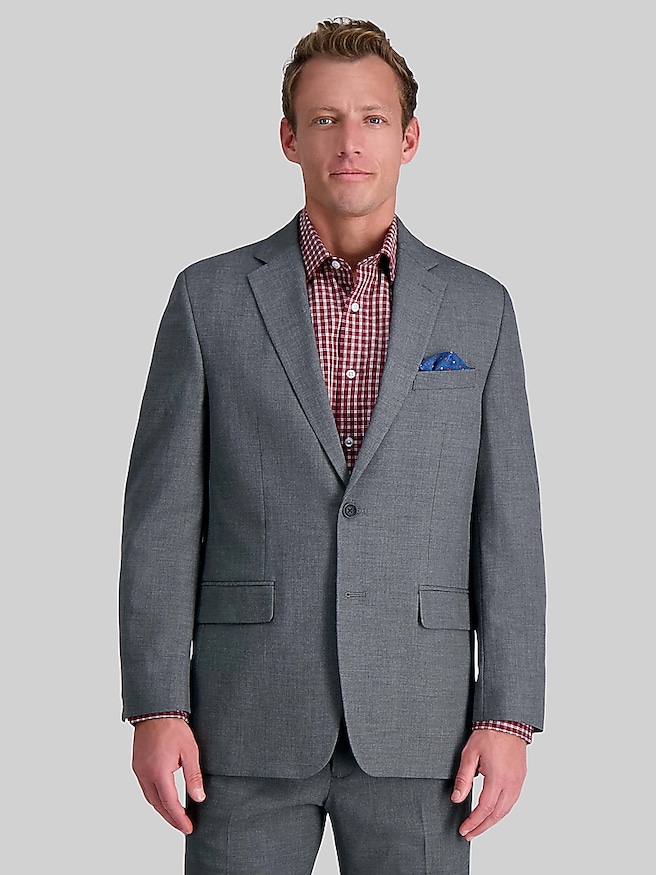
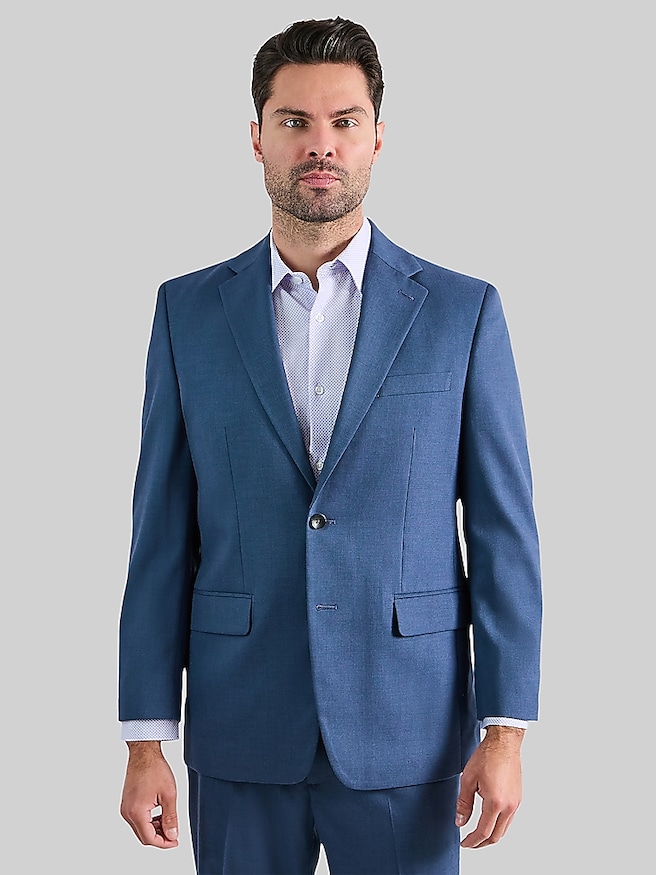
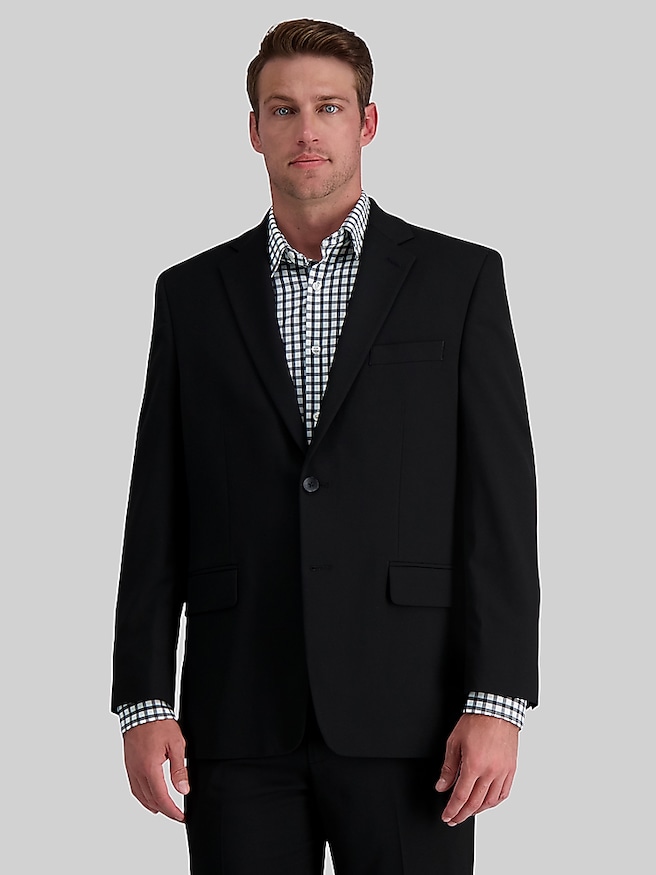
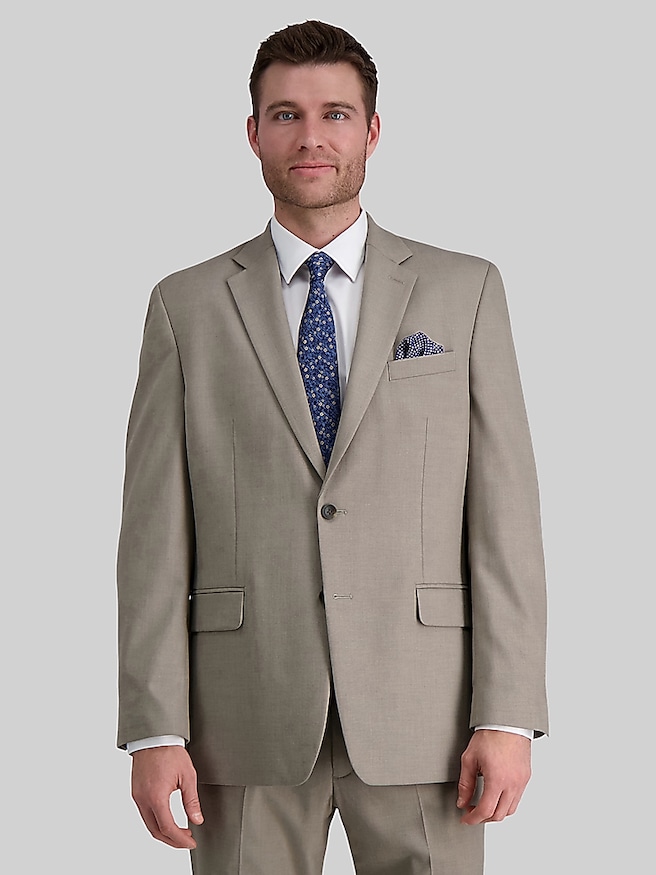
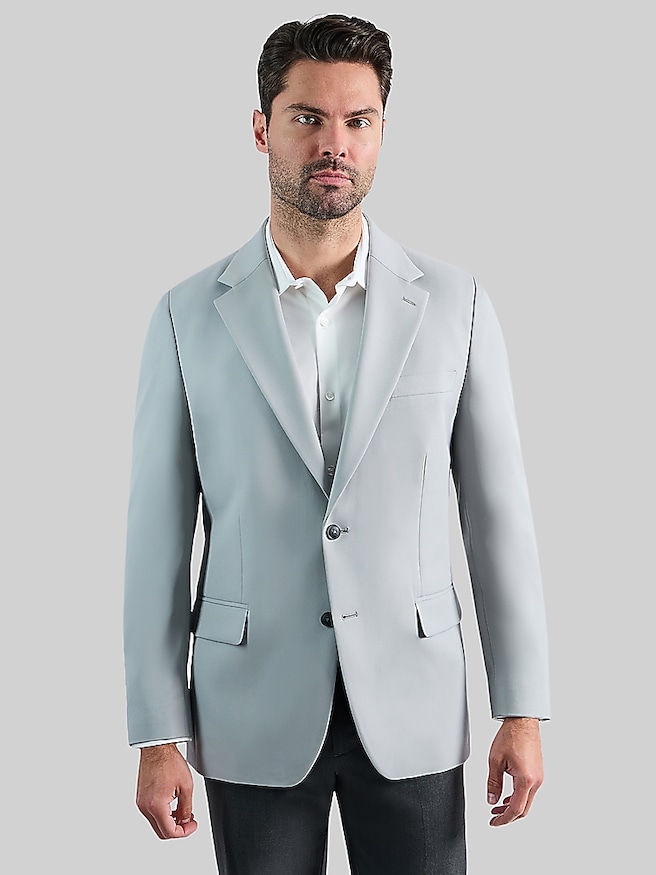
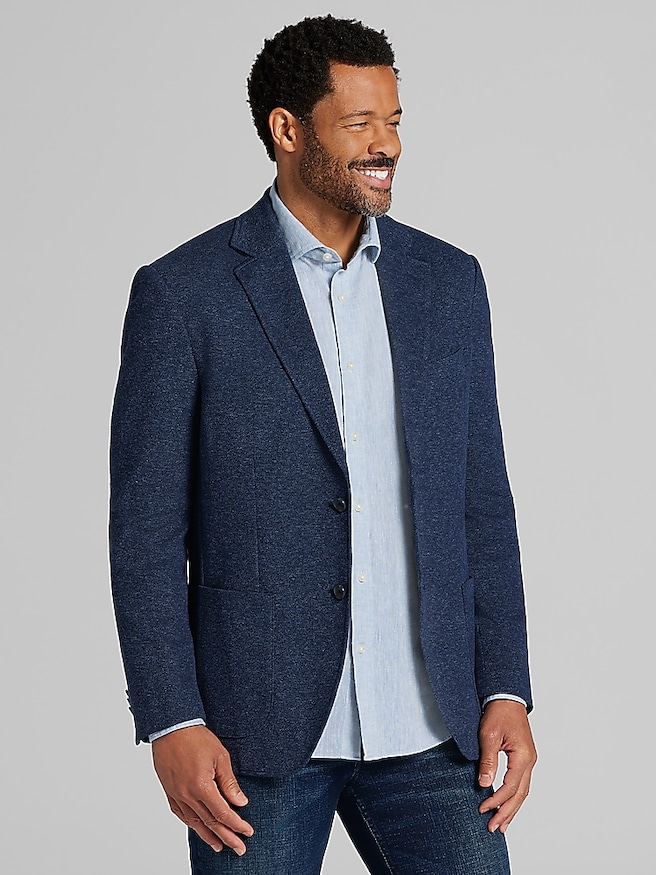
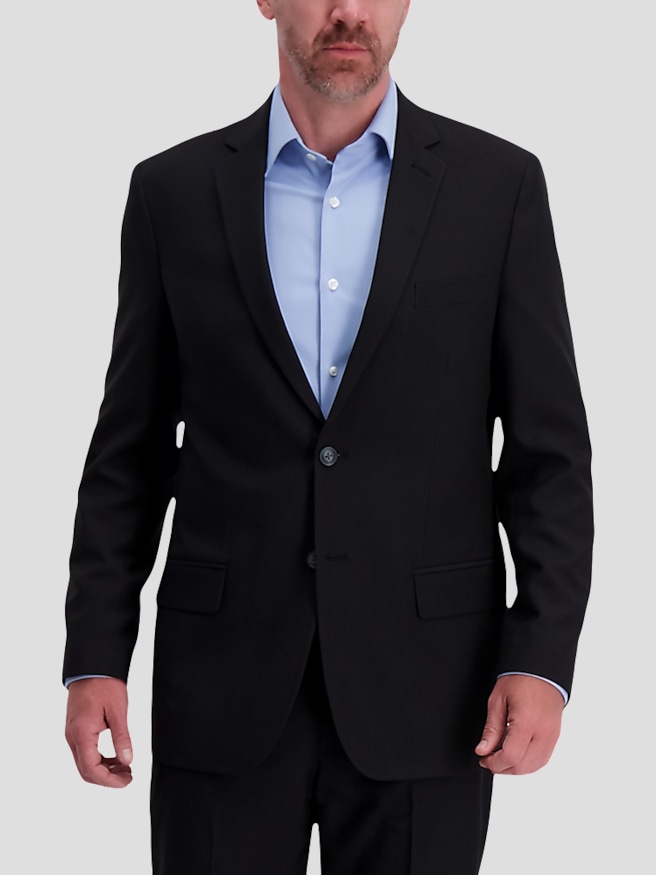
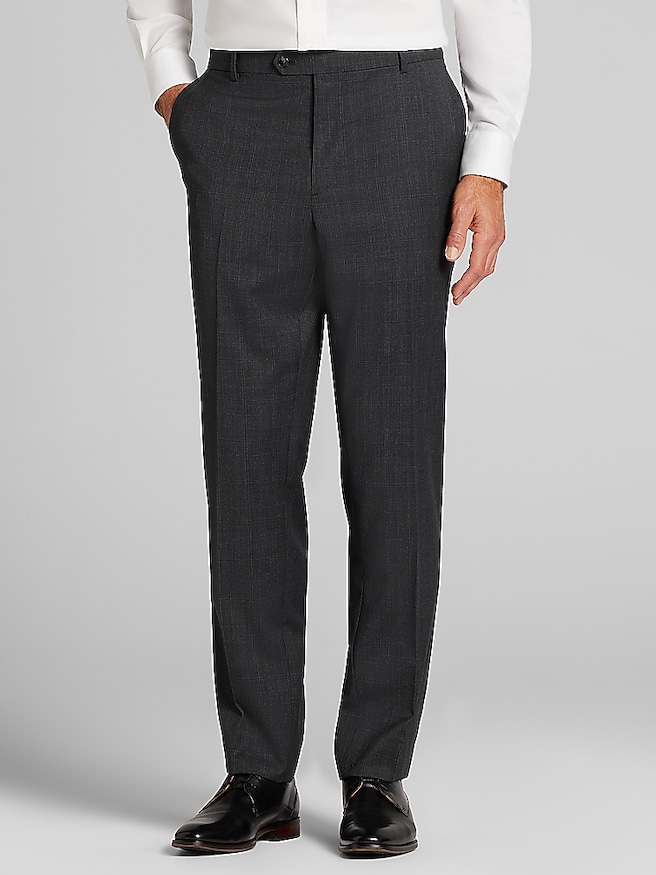
Gray check blazers bring pattern to tailored dressing without the strong contrast of brighter plaids. Their defining feature is a grid of intersecting lines over a gray background, with the scale and color of those lines shaping the overall effect. A fine charcoal check on a medium-gray ground can look almost solid from across a conference room, revealing its detail up close. A larger windowpane creates a more visible outline, while a glen check combines small checks into a layered pattern with a traditional menswear character. These distinctions make gray check blazers for men useful across a range of settings, from offices with a business-casual dress code to dinners and celebrations where a full suit would feel more formal than necessary. Fabric is just as important as pattern. Wool offers breathability, natural resilience, and a drape that helps the jacket follow the body rather than stand away from it. Its fibers can recover from light creasing between wears, although the fabric still benefits from careful handling. Cotton often has a drier, more relaxed appearance and may show creases more readily, which suits less formal combinations. Blended fabrics can bring together the character of natural fibers with added strength, shape retention, or stretch, depending on their composition. Knit constructions generally allow more movement and create a softer silhouette, while woven cloth often gives checks a crisper definition. Neither construction alone determines how formal a blazer looks; surface texture, pattern contrast, lining, and internal structure all contribute. A smooth finish with restrained checks tends to look dressier than a visibly textured weave with bold lines. Structured shoulders and a shaped chest create a defined outline, while softer construction gives the jacket an easier drape. The result is a category with considerable range: understated enough to sit comfortably beside a dress shirt, yet distinctive enough to give plain trousers and a simple top a clear focal point.
Fit determines whether that pattern looks composed or feels visually busy. The shoulder line should follow the natural edge of the shoulders without hanging beyond it or pulling inward across the upper back. A collar that rests close to the shirt collar creates a cleaner neckline than one that leaves a noticeable gap. Through the chest and waist, a blazer needs enough room to button comfortably without pronounced diagonal pulling around the closure. Check patterns can make these fit issues easier to spot because straight lines become distorted where the fabric is under tension. Some shaping is natural, but a grid that bends sharply across the stomach or shoulder blades may indicate that the cut is too close. Slim fits generally sit nearer the torso, while classic fits provide more room through the chest and body; neither label replaces checking the actual measurements and proportions. Sleeve length also affects the finished appearance. With a dress shirt, a small amount of cuff showing below the jacket sleeve creates a deliberate transition, while the sleeves should still allow comfortable movement when reaching for a laptop or sitting at a table. Jacket length should balance the torso and legs rather than simply follow a trend toward shorter cuts. Vents help the back move when walking or sitting, and their edges should lie reasonably flat when standing naturally. These details matter for anyone wearing a blazer through a meeting, a presentation, and dinner afterward, when comfort has to last beyond a quick look in the mirror. Intended use also helps narrow the character of the jacket. Subtle checks and a defined silhouette fit easily into professional settings, while larger patterns and softer shoulders feel more relaxed. For wedding guests, a gray check blazer can be appropriate when the stated dress code permits separates, but it does not replace a tuxedo for black tie or a suit when one is specifically expected.
The easiest combinations give the check room to stand out. Navy trousers create a clear contrast with gray, while charcoal trousers work best when their depth or texture is visibly distinct from the jacket. Pairing nearly identical gray fabrics can suggest an attempted suit match, so deliberate separation usually looks more convincing. A white or pale blue shirt keeps the overall effect clean, and a solid knit polo offers a less formal alternative without introducing another competing pattern. Dark, evenly colored denim can work in relaxed settings when its finish is neat and the rest of the outfit remains considered. Brown leather shoes bring a softer contrast; black leather footwear gives the combination a sharper edge. Pattern mixing is possible, but differences in scale help: a tiny shirt stripe beneath a broader check is generally easier to read than two patterns of similar size. For a wardrobe built around patterned shirts or ties, Solid Color Blazers offer a quieter counterpart to checked tailoring. Keeping either style looking good depends on care suited to its fabric and construction. The care label takes precedence, particularly because linings, interlinings, and outer cloth may respond differently to washing or heat. Between wears, a broad, shaped hanger supports the shoulders, and space around the jacket helps prevent crushed sleeves and lapels. A gentle clothing brush can lift surface dust, while prompt attention to marks reduces the chance of lasting stains. Aggressive pressing can flatten texture or leave shine, so cleaning and pressing methods should suit the cloth. Emptying pockets before hanging also helps prevent stretching and distortion. Well-finished seams, secure buttons, and cleanly attached lining are useful signs of careful construction, though long-term durability depends on wear and maintenance as well. As a gift for a graduation, career milestone, or significant birthday, a gray check blazer is most personal when its fit and pattern reflect the recipient’s existing wardrobe. Familiar measurements and a sense of how often the recipient dresses up matter more than choosing the boldest check.