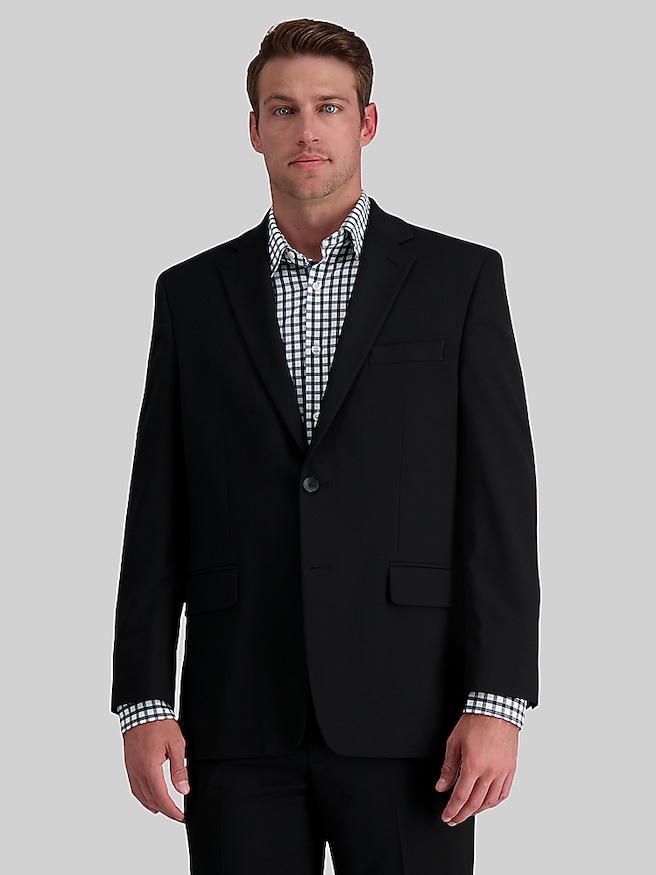
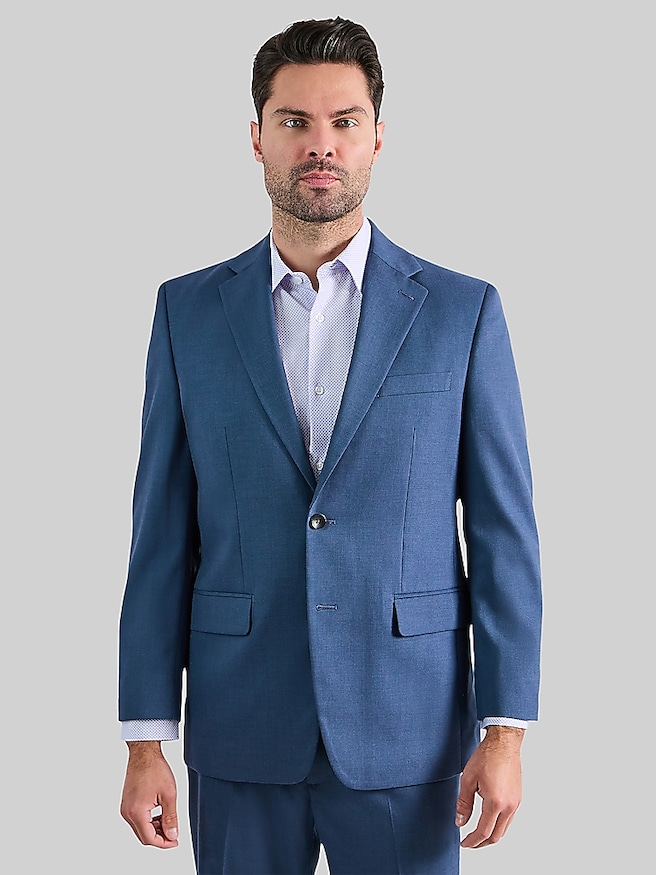
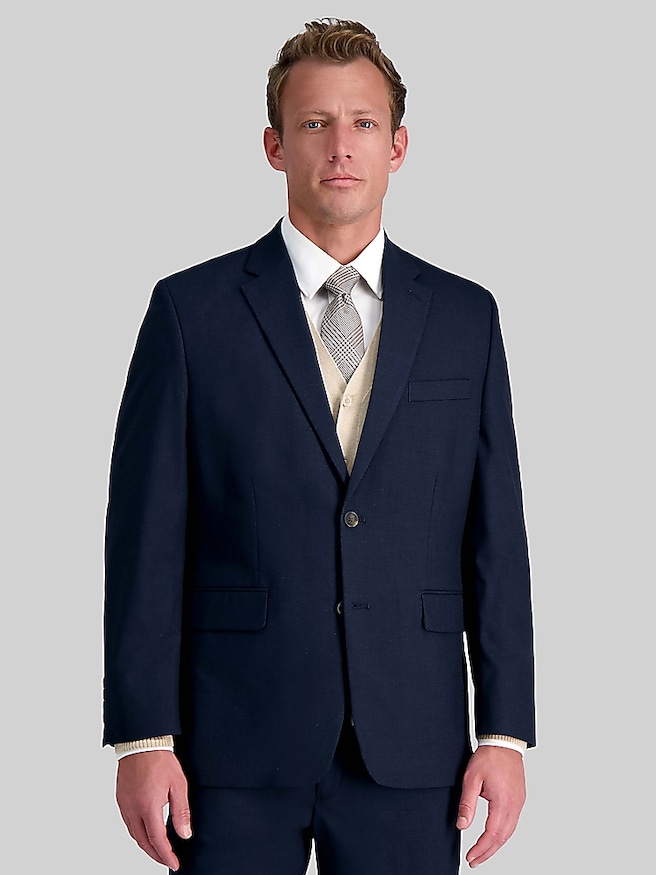
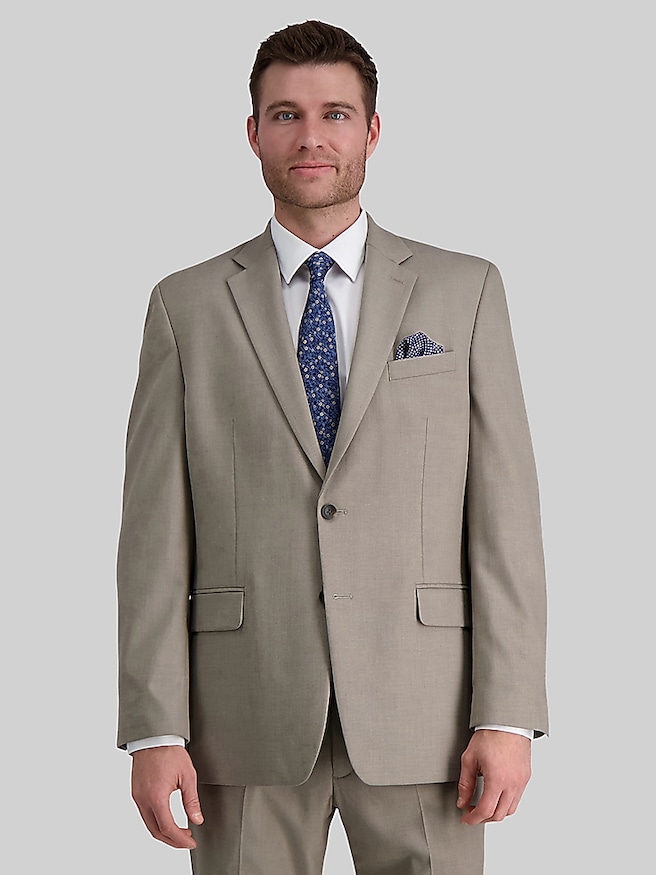
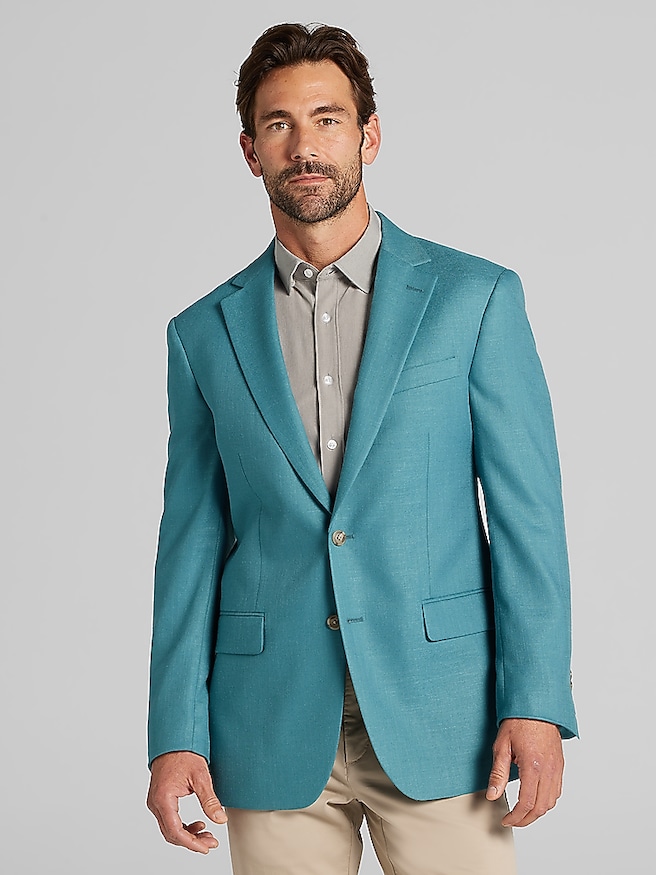
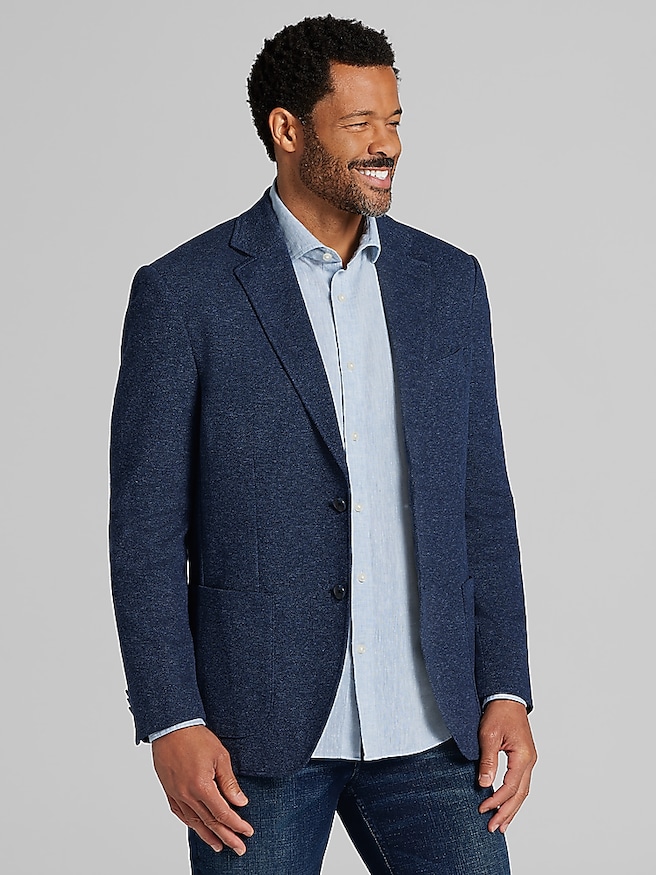
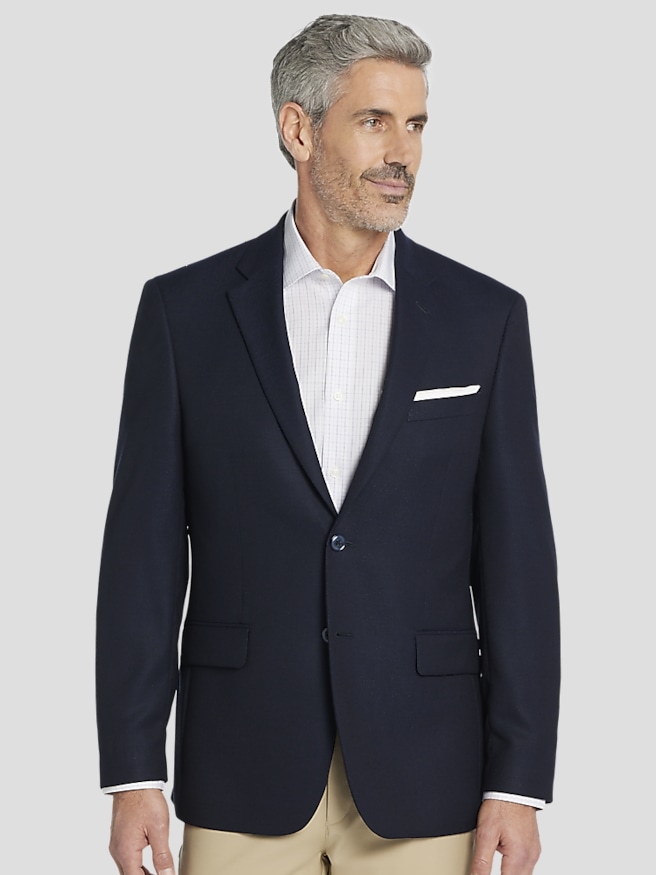
Solid color blazers are among the most adaptable pieces in a well-rounded wardrobe, offering the polish of tailoring without the formality of a complete suit. A blazer in a single, uninterrupted shade creates a clean foundation for outfits across the workweek, social gatherings and relaxed occasions. Navy remains a dependable choice because it pairs easily with white, light blue, gray, khaki and denim, while charcoal and black bring a sharper, more formal impression suited to presentations, evening events and important celebrations. Gray can feel equally refined with a softer, more versatile character, and earth-inspired shades such as olive, camel and burgundy add warmth without becoming difficult to wear. For shoppers who want a touch of color while keeping an outfit grounded, Green Blazers offer an understated way to bring depth to the rotation. The right shade often depends on the rest of the closet: a man who wears mostly blue and brown may find an olive or camel blazer especially useful, while someone building a first tailored wardrobe may get the most mileage from navy, charcoal or medium gray. A solid color also makes it easier to coordinate patterns elsewhere, allowing a striped shirt, textured knit or subtle checked trouser to add personality without making the full outfit feel busy.
Fit and fabric deserve as much attention as color. A well-fitting blazer should follow the natural line of the shoulders, lie smoothly across the chest and close comfortably without pulling at the button. The sleeves should leave a small amount of shirt cuff visible, and the jacket should allow natural movement when reaching for a coat, greeting someone or sitting through a long dinner. A tailored silhouette can look crisp and modern, while a slightly relaxed cut may be more practical for casual wear and layering during the cooler months. Fabric influences both comfort and occasion. Wool and wool-rich blends offer warmth, structure and a pleasing texture as outdoor air turns brisk, making them natural choices for office days, dinners and seasonal celebrations. Tweed-inspired textures can bring extra visual interest and insulation, while cotton or lighter blends may feel more comfortable in milder weather. Stretch blends are useful for commutes, travel and long events because they allow easier movement, and wrinkle-resistant materials can be a practical advantage for anyone who moves between work, appointments and an evening out. Consider the jacket’s lining, pocket design and closure as well. A breathable lining can make indoor wear more comfortable, functional pockets help keep essentials close, and a classic notch lapel usually transitions smoothly from professional settings to smart-casual plans. These details may seem small on a hanger, but they become noticeable when a blazer is worn from the first morning meeting through a cool walk home.
A solid color blazer can be styled in several distinct ways without requiring a large wardrobe. For a professional look, layer one over a crisp button-up shirt with coordinating dress pants and leather shoes; the trousers do not need to be an exact match, but their color and formality should feel intentional. A navy blazer with gray trousers creates a familiar, polished combination, while a charcoal blazer with darker trousers delivers a more streamlined appearance. For a smart-casual outfit, wear the blazer with a plain T-shirt, dark jeans and loafers or clean sneakers, especially when the occasion calls for more polish than a sweater but less structure than a suit. During early fall and the cooler months, a fine-gauge knit beneath the jacket adds comfort and dimension without overwhelming the silhouette. A blazer can also make a thoughtful gift for a graduate beginning a new job, a partner preparing for interviews, or someone assembling clothing for weddings, dinners and other dress-up occasions. When choosing for another person, prioritize versatile colors, comfortable construction and a fit that can be adjusted by a tailor; a slightly generous jacket is often easier to refine than one that is too tight through the shoulders. Think of the moment a blazer becomes part of someone’s routine: it may hang by the door for an unexpected client meeting, accompany a traveler through a chilly airport or transform jeans and a shirt into an outfit ready for dinner. With dependable styling options and a color that complements the wearer’s existing clothes, a solid color blazer earns its place as a reliable layer for changing temperatures, varied dress codes and the many occasions that fill a season.