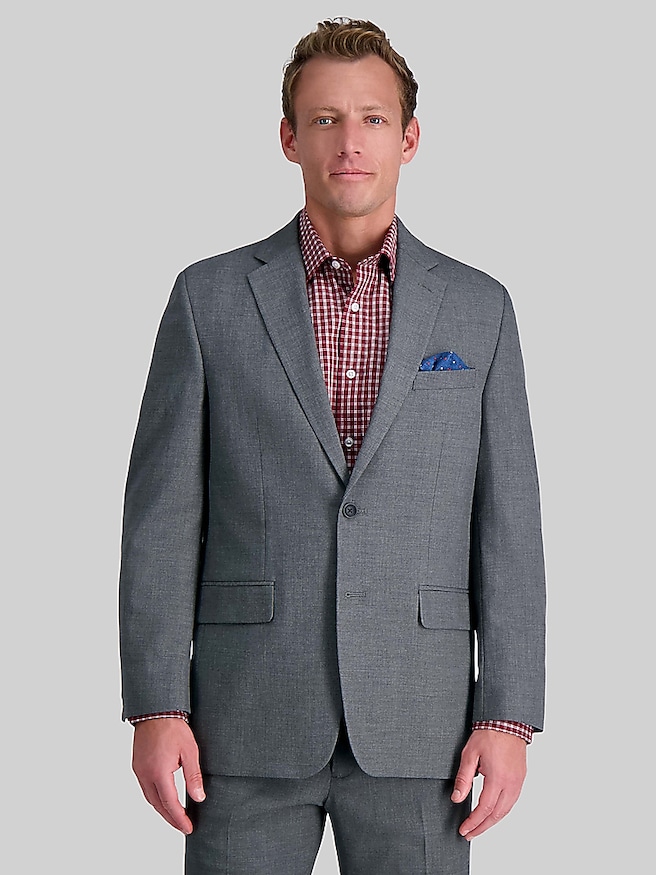
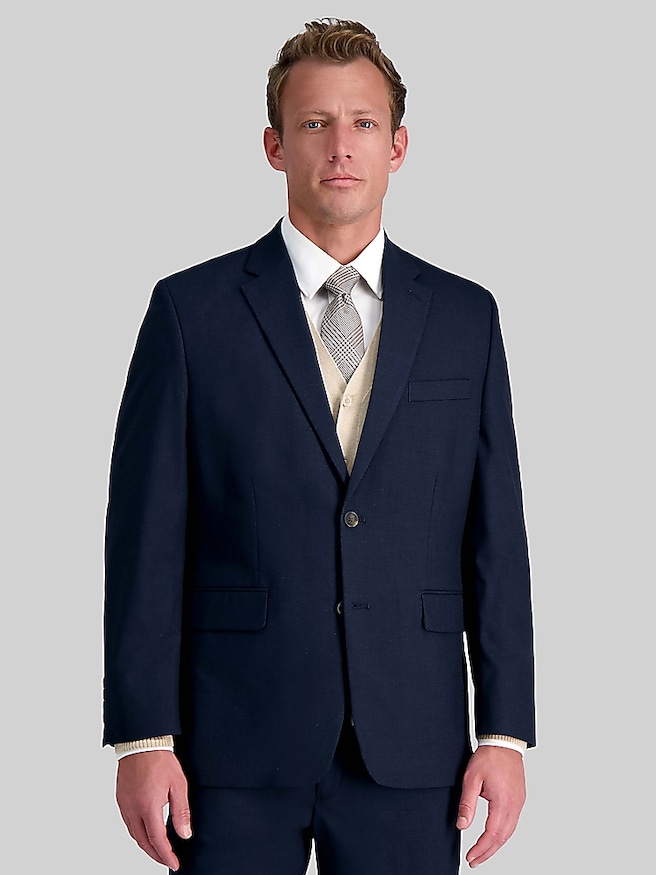
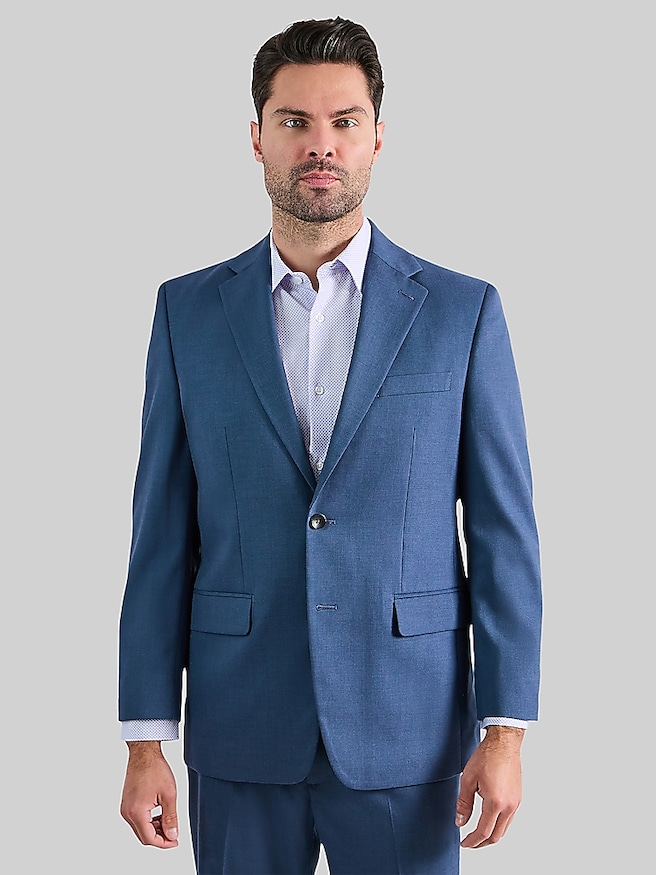
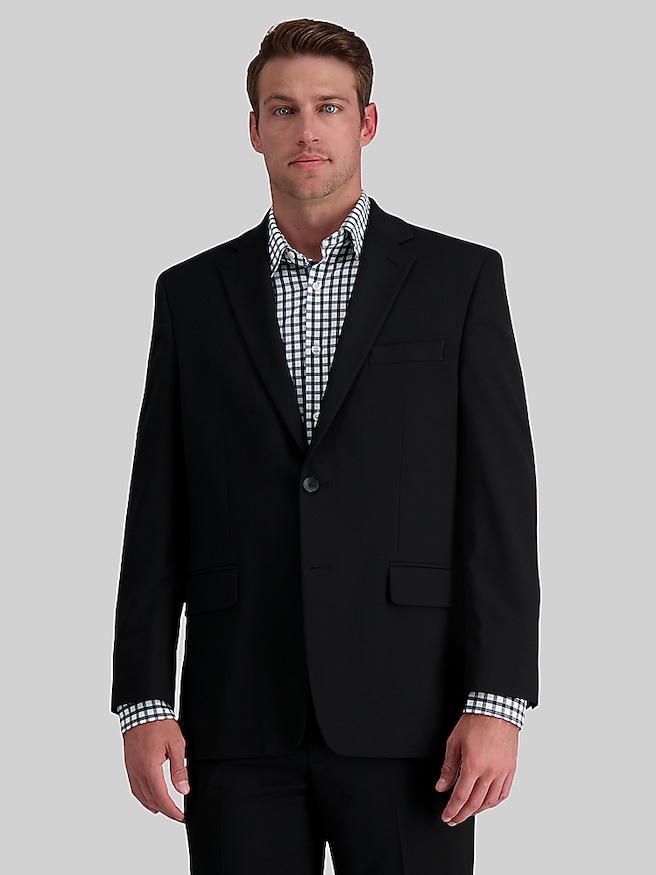
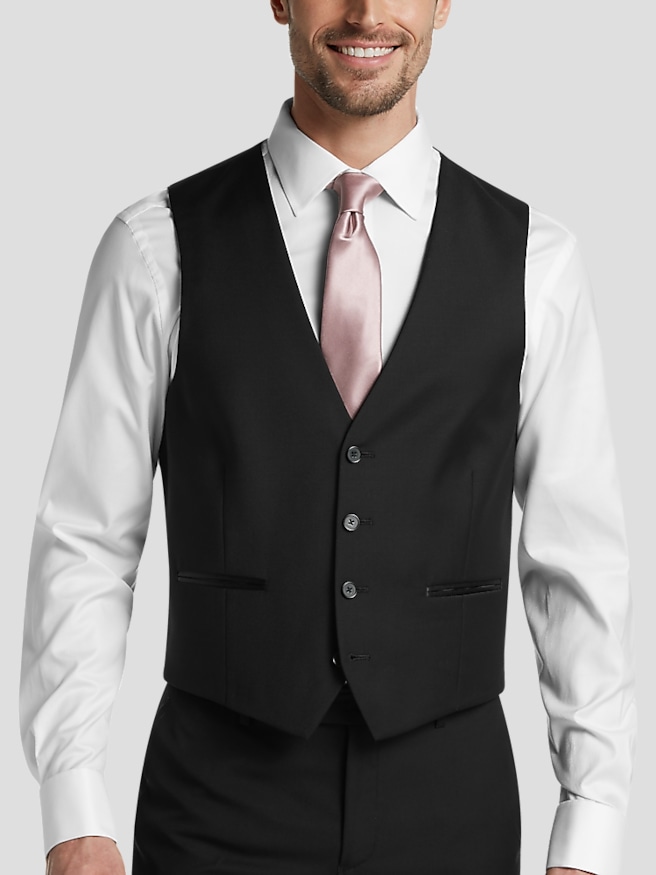
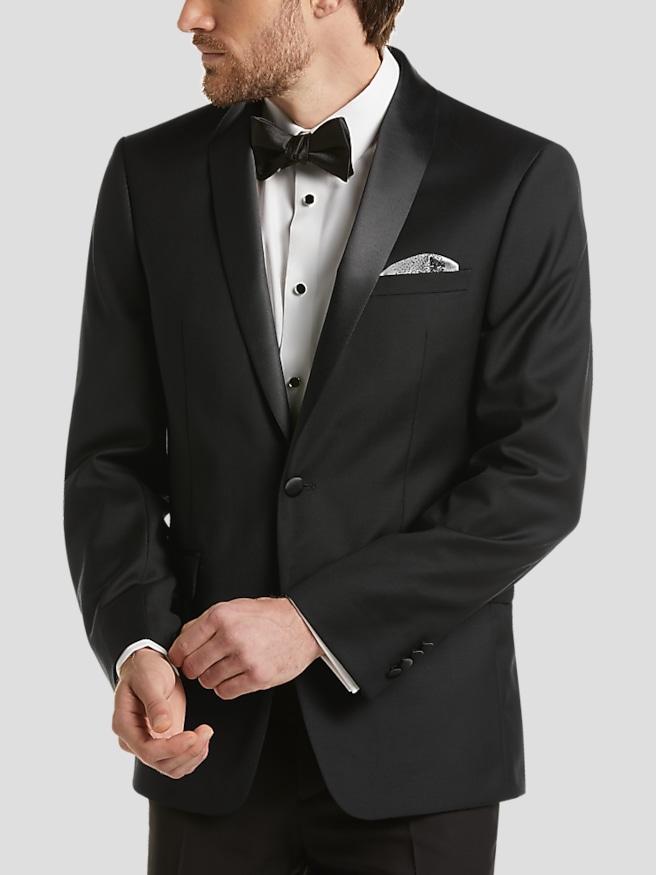
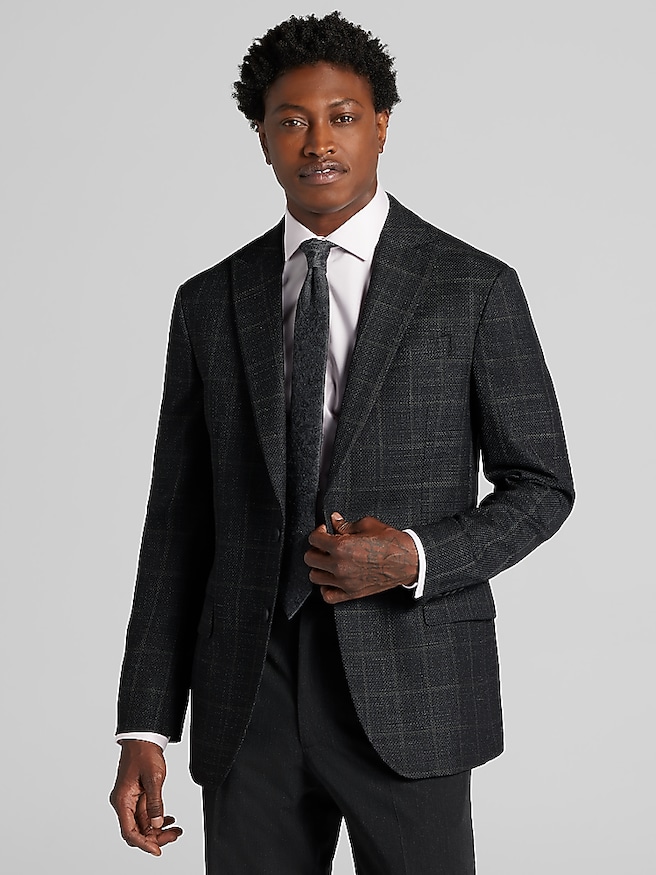
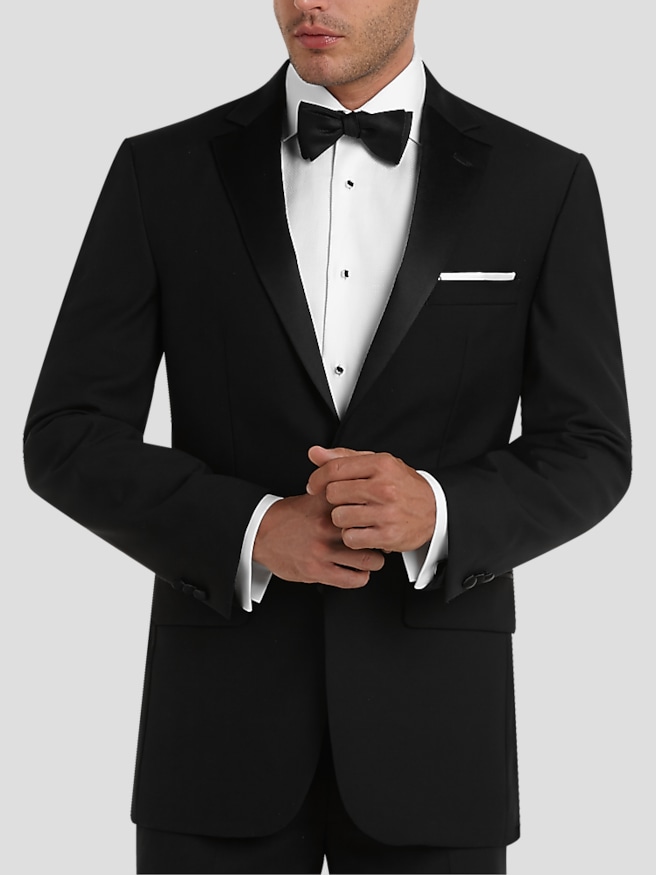
Formal dressing during the cooler months calls for more than a polished appearance; it also calls for thoughtful choices about fabric, layering, color, and comfort. A well-chosen winter formal outfit should feel appropriate when stepping into a crisp evening, remain comfortable in a heated venue, and hold its shape from the first photograph to the final dance. Heavier suit and tuxedo fabrics can provide a more substantial feel than lightweight warm-weather materials, while textured finishes such as velvet, wool, flannel, corduroy accents, and softly brushed weaves add depth without making an outfit look overly casual. Smooth satin, crepe, and refined wool blends create a clean, formal foundation, particularly for ceremonies, galas, receptions, and evening celebrations. Rich seasonal colors bring distinction to classic tailoring: midnight navy, charcoal, black, burgundy, forest green, deep plum, and other jewel tones pair naturally with the subdued light and layered textures of the cooler season. For a more understated look, neutral shades such as slate, espresso, taupe, stone, and warm gray offer versatility across several occasions. Metallic details and subtle sheen can catch the glow of chandeliers, candles, or holiday lights, while a restrained approach keeps the overall look sophisticated rather than costume-like. The right balance depends on the setting, the time of day, and the wearer’s personal style, but formal clothing should always feel intentional. A classic dark foundation makes it easy to coordinate dress shirts, ties, pocket squares, footwear, and outer layers, while a richer color or distinctive texture can provide a memorable focal point for someone who prefers a little more personality.
Warmth matters most when formal plans include a long walk between the car and venue, outdoor photographs, a ceremony in an older building, or a reception that continues into a colder evening. Long sleeves, substantial tailoring, and properly fitted layers offer practical coverage while preserving a clean silhouette. A formal overcoat, dressy top layer, or tailored wrap can be added over a suit or tuxedo without obscuring the structure underneath, and gloves or a refined scarf can make travel more comfortable without competing with the outfit. Layering works best when each piece allows natural movement; a jacket that is too tight across the shoulders or a shirt that bunches beneath it can become uncomfortable quickly, especially during seated dinners and extended events. Fit should be evaluated while standing, sitting, walking, and reaching, since formalwear needs to look composed in photographs and feel easy throughout the occasion. Sleeve and trouser lengths, jacket closure, collar placement, and overall proportion all influence the final impression. Those shopping for a winter wedding, formal dance, awards dinner, religious celebration, business gala, or black-tie gathering may also want to confirm the dress code before choosing color and level of detail. A classic dark suit can work across many formal settings, while a tuxedo or more elevated evening look may be expected for black-tie attire. For events with a festive mood, velvet, satin accents, tasteful pattern, or a deep seasonal shade can add character while remaining polished. Browse Formal Winter Wear to explore styles suited to special occasions, professional events, and celebrations that call for a sharper standard of dress.
Formal winter clothing can also make a thoughtful gift for a partner, son, brother, father, graduate, or anyone building a more complete wardrobe. It is especially useful for someone with a wedding, school dance, holiday gathering, first formal job, or series of professional events ahead. When selecting a gift, consider the recipient’s existing closet and the occasions they are most likely to attend. A versatile color and traditional silhouette may offer more repeat wear, while a textured or jewel-toned option can make an ideal choice for someone who already owns dependable basics. Pay attention to sizing information, preferred fit, and whether the wearer typically chooses a classic, modern, slim, or relaxed shape. Accessories and finishing pieces can be selected to complement what they already own, making it easier to create several complete looks rather than a single outfit reserved for one evening. Someone preparing for a winter wedding may appreciate formalwear that photographs well against dark suits, evergreen settings, or softly lit interiors; a professional may prefer understated colors and refined textures that transition from an awards dinner to other business occasions. For a formal dance or celebration, a little contrast in color or sheen can bring energy to the look while still allowing the wearer to feel comfortable and recognizable. Care is equally important: follow the garment’s cleaning instructions, use appropriate hangers, allow fabrics to air after an event, and store formal clothing where it can remain smooth and protected between wears. With suitable layering and thoughtful coordination, winter formal clothes can feel warm, confident, and authentic rather than restrictive. The result is an outfit that supports the occasion from the first greeting at the door through the final photograph, combining seasonal richness with the enduring polish expected of formal dress.