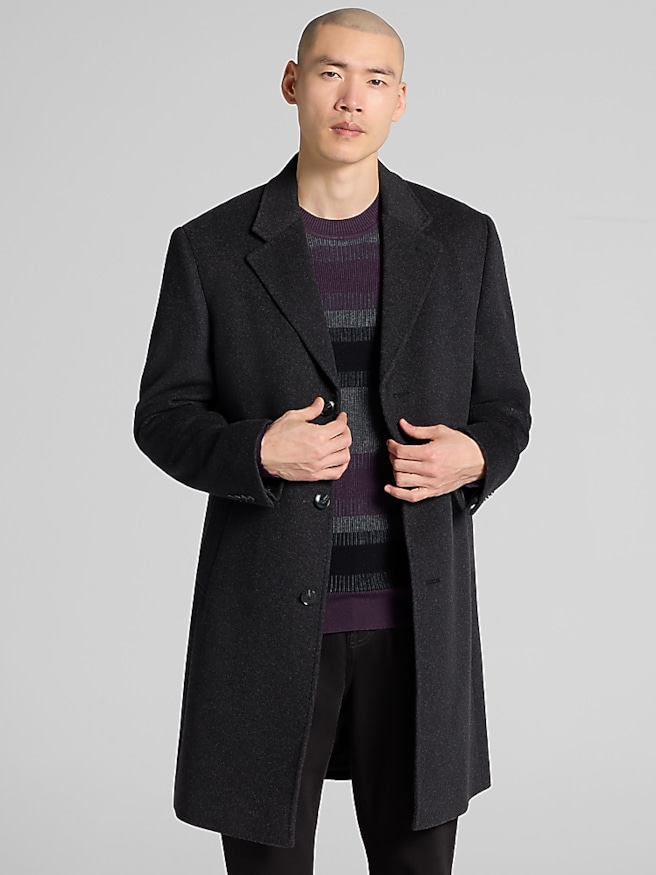
Formal attire for winter combines occasion-appropriate tailoring with fabrics and layers that make sense for cold-weather celebrations. Suits, tuxedos, dress shirts, and polished accessories create a finished look for winter weddings, evening galas, holiday dinners, and formal dances, with the invitation setting the level of dress. A black-tie event traditionally calls for a tuxedo, a formal shirt, a bow tie, and suitably polished footwear, while a dark suit can be appropriate for a black-tie-optional celebration or a dressy reception. The season adds room for substantial fabrics and rich texture without changing those distinctions. Wool is a natural starting point: its insulating qualities help retain warmth, and its resilience supports the clean drape that gives tailored clothing its shape. Fabric weight and construction matter, too. A smooth worsted wool can look crisp under ballroom lighting, while a slightly fuller cloth brings substance to a suit worn between an outdoor ceremony and an indoor dinner. Velvet offers a more pronounced texture, catching light across a dinner jacket and creating depth without relying on a bold pattern. Its plush surface feels especially suited to festive evening settings, provided the styling matches the dress code. Black and midnight blue remain classic choices for tuxedos; charcoal and deep navy give suits a similarly composed appearance. Burgundy and deep green can introduce a richer accent through a jacket or accessory when the occasion allows more individual expression. Against those darker shades, a clean white shirt provides definition around the face and keeps the overall look balanced. The appeal of Formal Winter Wear lies in that combination of visual depth and practical comfort: clothing with enough substance for the season, yet enough refinement for an important evening. Whether the setting is a candlelit reception, an awards dinner, or a school formal, the strongest impression comes from fabric, proportion, and details working together rather than competing for attention.
Fit gives winter formal clothing its structure, particularly when an outfit needs to accommodate both indoor comfort and the trip between venues. A tailored jacket should sit cleanly across the shoulders, with lapels resting against the chest rather than pulling outward. Room through the upper back and sleeves makes a noticeable difference during a seated dinner, a handshake, or an evening on the dance floor. A close fit can still allow movement; excessive tightness often shows up as tension around the fastening point or creasing across the back. Trousers look polished when the waistband stays in place comfortably and the fabric falls smoothly through the seat and thigh. At the hem, a restrained break keeps the line neat and reduces excess fabric near wet pavement. Shirt fit matters just as much beneath the jacket. A collar that closes comfortably, sleeves that allow a small amount of cuff to show, and a smooth torso help preserve a crisp silhouette throughout a long event. For someone who moves frequently between outdoor photographs and a heated reception room, breathable layers can be more comfortable than piling on bulky clothing. A thin, discreet base layer may add warmth without crowding the shirt or changing the jacket’s shape, depending on the fabric and fit. Outerwear completes that practical side of dressing. A tailored wool overcoat has the length and structure to sit neatly over formal clothing, with enough room across the shoulders to avoid compressing the jacket beneath it. A longer hem also gives more coverage while waiting outside a venue or walking from a parking area. A fine-textured scarf and leather gloves can finish the outdoor look without adding visual bulk. Once the coat comes off, the suit or tuxedo should still feel complete on its own, with proportions that work just as well at the dinner table as they do in a full-length photograph.
Accessories and footwear bring winter formal attire into focus, often through small choices that become noticeable at close range. A silk tie adds a measured sheen to a dark suit, while a bow tie complements the traditional lines of a tuxedo. A pocket square can echo the formality of the shirt without matching every other accessory, and cuff links offer a subtle finishing detail when the shirt has French cuffs. For a gift recipient who attends weddings, formal dinners, or annual celebrations, accessories can be a thoughtful addition to an established wardrobe, especially when their color and level of formality reflect that person’s usual style. Footwear needs the same attention to intended use. Sleek leather dress shoes complement tailored trousers, while patent leather is a traditional option with eveningwear. A secure fit and comfortable construction matter over hours of standing, greeting guests, and dancing. Dress socks that stay up and provide sufficient coverage help maintain a continuous line when seated, with fine wool blends offering an option that balances warmth and a refined appearance. Outdoor conditions introduce a separate concern: polished leather and delicate finishes benefit from protection appropriate to the material, and wet shoes need time to dry naturally away from direct heat. Long-term durability depends as much on care as on the initial fabric choice. Tailored jackets hold their shape better on supportive hangers, while trousers benefit from hanging in a way that preserves their crease. Light surface dust may respond to a suitable clothing brush, but spills, stains, and more delicate fabrics call for care consistent with the garment label. Velvet needs particular attention because pressure or unsuitable pressing can flatten its pile; professional care may be appropriate. Giving formal clothing time to air between wears, avoiding crowded storage, and addressing loose buttons or hems promptly all help maintain its appearance. Those details support a wardrobe that feels considered each time an invitation arrives, with winter texture, comfortable tailoring, and a polished finish ready for meaningful occasions.