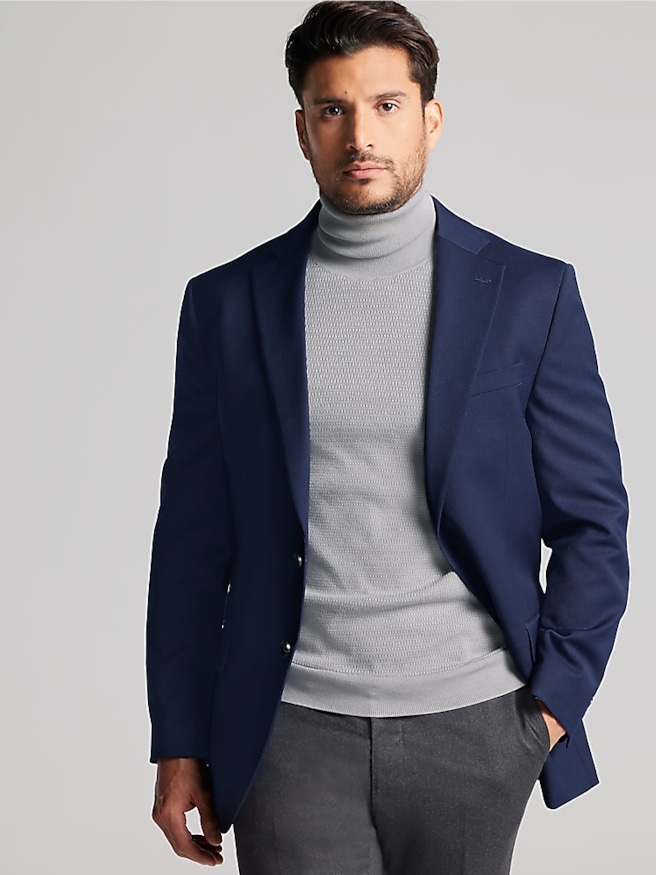
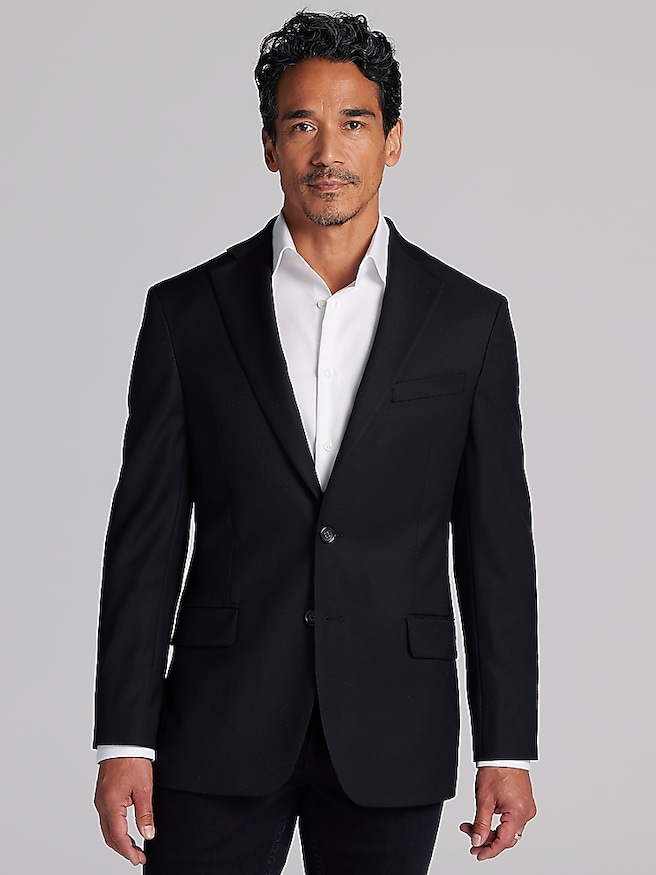
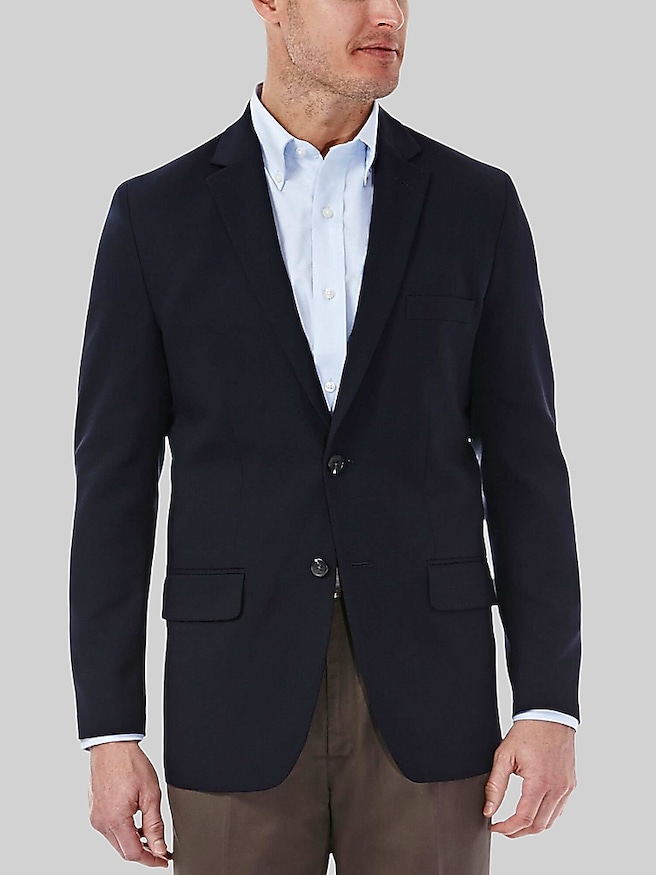
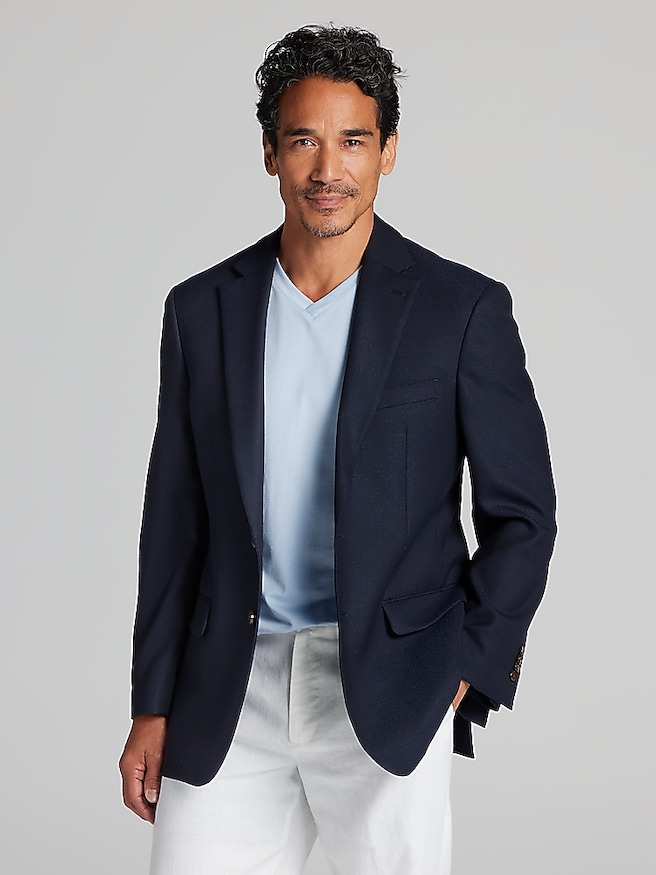
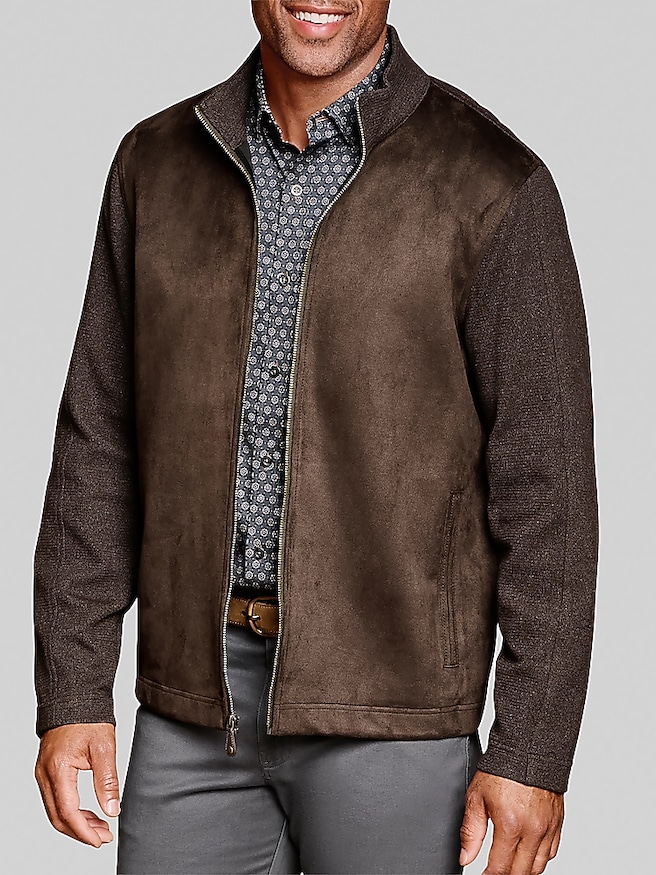
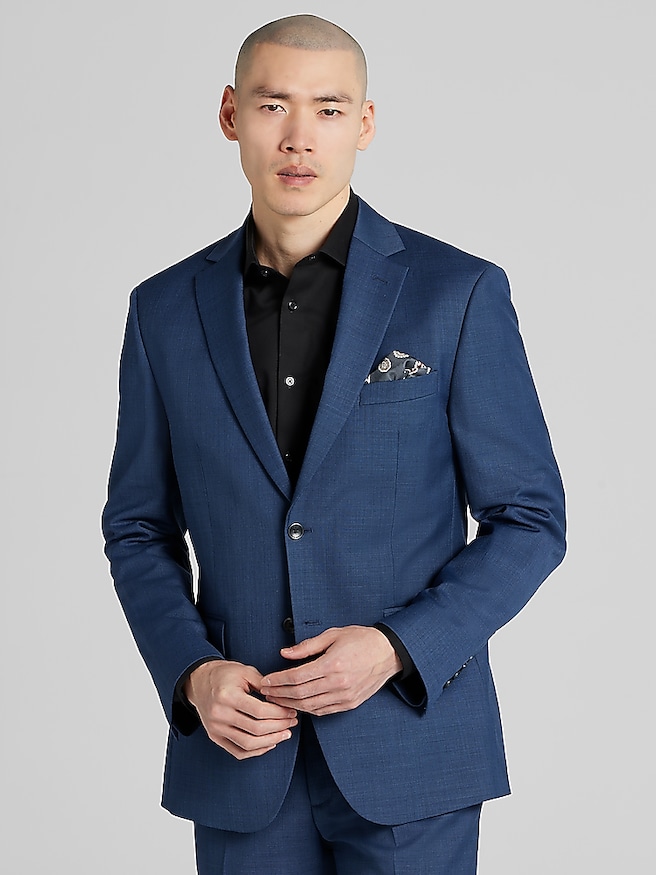
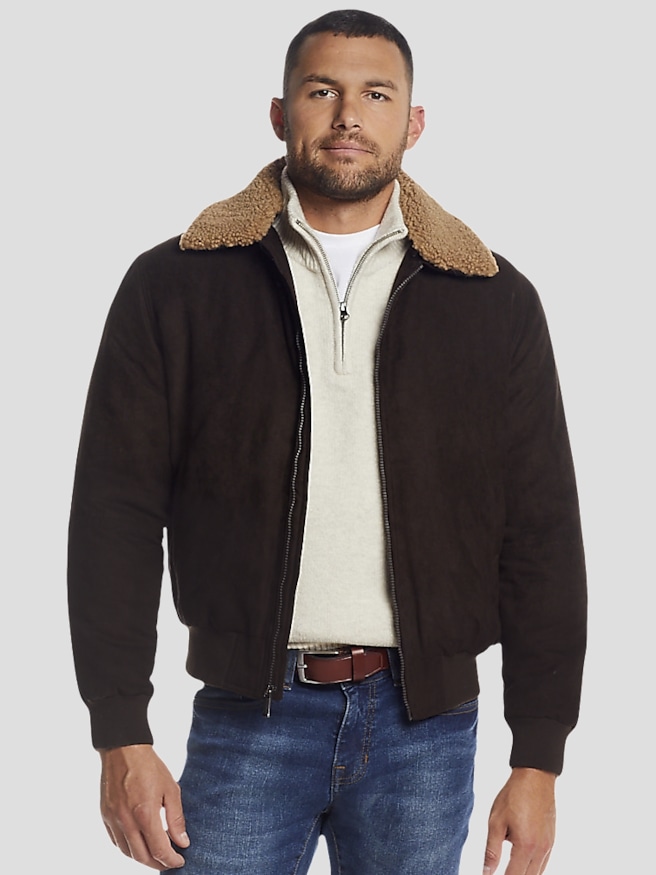
Men’s formal winter coats bring polish to cold-weather dressing while providing the extra layer needed for commutes, ceremonies, business travel and evenings outdoors. Designed to be worn over a suit, sport coat, dress shirt or refined sweater, these coats create a clean, structured silhouette instead of hiding a carefully chosen outfit beneath a bulky outer layer. A classic wool overcoat or topcoat typically falls around the knee or upper thigh, offering a generous length that complements tailored trousers and helps protect more of the body from cold air. A shorter car coat can feel especially practical for driving, walking between meetings or moving through a busy city, while a double-breasted peacoat adds a traditional maritime influence with a substantial front closure and broad lapels. Formal winter coats in charcoal, navy, black, camel and other understated shades are easy to coordinate with gray, blue, brown and black suiting, making them useful additions to a work wardrobe rather than garments reserved for a single occasion. When the temperature drops and a sharp outfit must still look composed, the right coat can be the finishing piece that makes the entire look feel intentional. Picture arriving at an evening reception with the collar turned neatly against the wind, the coat draping smoothly over the shoulders and the suit hem remaining covered as you step from the curb to the doorway. That simple transition is where thoughtful design matters: a well-proportioned coat keeps its shape, closes comfortably and lets the layers underneath move naturally.
Fabric, construction and fit are the most important considerations when choosing men’s formal winter coats. Wool remains a dependable choice because it offers warmth, breathability and a naturally refined texture, with a substantial hand that looks appropriate beside polished shoes and tailored trousers. Blended fabrics can provide durability, lighter weight or easier care, while cashmere blends and other soft fibers bring a luxurious feel for someone who appreciates a more elevated finish. Look for a smooth lining that allows the coat to slide easily over a suit jacket, secure interior and exterior pockets for gloves, keys or a phone, and sturdy buttons or a reliable zip-and-button closure that can stand up to regular use. In milder conditions, a lighter topcoat may be enough for layering over a dress shirt or fine-gauge sweater; in colder climates, a heavier wool coat, quilted lining or insulated construction can make a noticeable difference. Wind resistance, water repellency and a high collar are also valuable when winter weather includes damp sidewalks, sharp gusts or light precipitation, although no formal coat should be expected to replace specialized rain or extreme-weather gear. Length should reflect both personal style and daily routine. Longer coats offer a traditional, elegant appearance and more coverage, while shorter cuts can be easier for driving, climbing stairs and navigating crowded transit. Try to leave enough room for the thickest layer you expect to wear, but avoid excessive volume through the torso or sleeves. The shoulder seams should sit close to the natural shoulder, the sleeves should reach the wrist while allowing a small amount of shirt cuff to show, and the front should fasten without pulling across the chest. A properly fitted coat should look streamlined when standing still and remain comfortable when reaching for a briefcase or buttoning a jacket underneath.
These coats can serve many roles throughout the cooler months, from a dependable office layer to a polished finishing touch for weddings, dinners, interviews, graduations and formal celebrations. They are especially useful for men who divide their time between indoor settings and outdoor travel, since a tailored coat can be removed easily once inside without disturbing the outfit beneath. A navy or charcoal style may become a weekday staple for someone building a professional wardrobe, while camel, deep brown or subtle patterned options can add variety to neutral suiting without becoming difficult to wear. Men’s formal winter coats also make thoughtful gifts for a recent graduate beginning a first professional job, a partner who commutes on foot, a family member attending cold-weather events or anyone preparing for a new season of office dressing. When choosing one as a gift, consider the recipient’s usual suit size, preferred coat length, commute and local climate, along with the colors already present in his closet. Someone who travels by car may favor a shorter cut; someone who walks or takes public transportation may appreciate extra length and insulation. Storage and care help preserve the investment: use a broad, supportive hanger rather than a thin wire hanger, empty the pockets before hanging, brush away surface lint and follow the garment’s cleaning instructions. During warmer stretches, a breathable garment bag and a cool, dry closet can help keep the coat ready for the next cold spell. For occasions that call for practical warmth with a more relaxed outer layer, explore Mens Lined Winter Jackets. Whether selected for daily business wear, special events or a meaningful gift, a formal winter coat earns its place by combining comfort, coverage and enduring style in one essential layer.