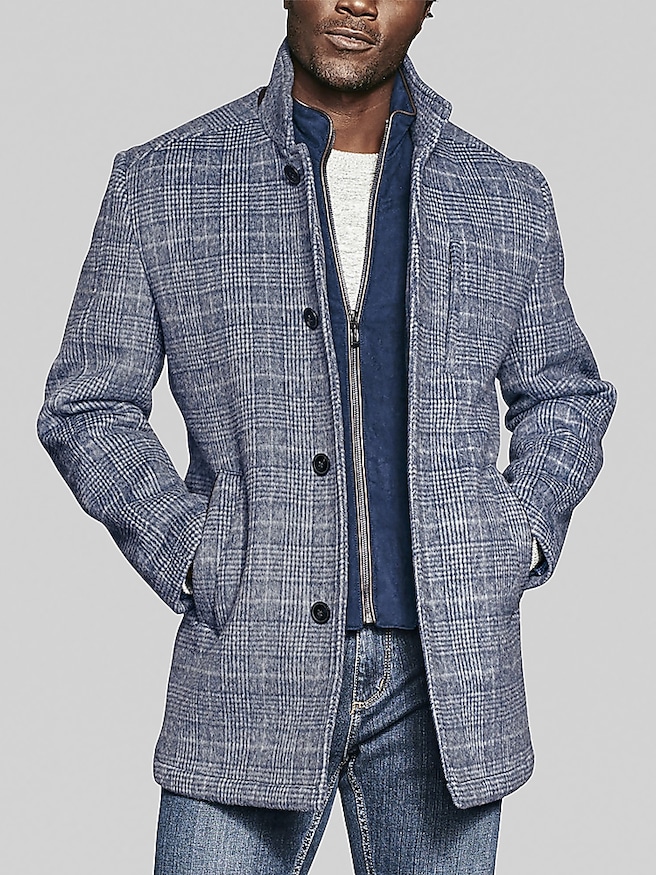
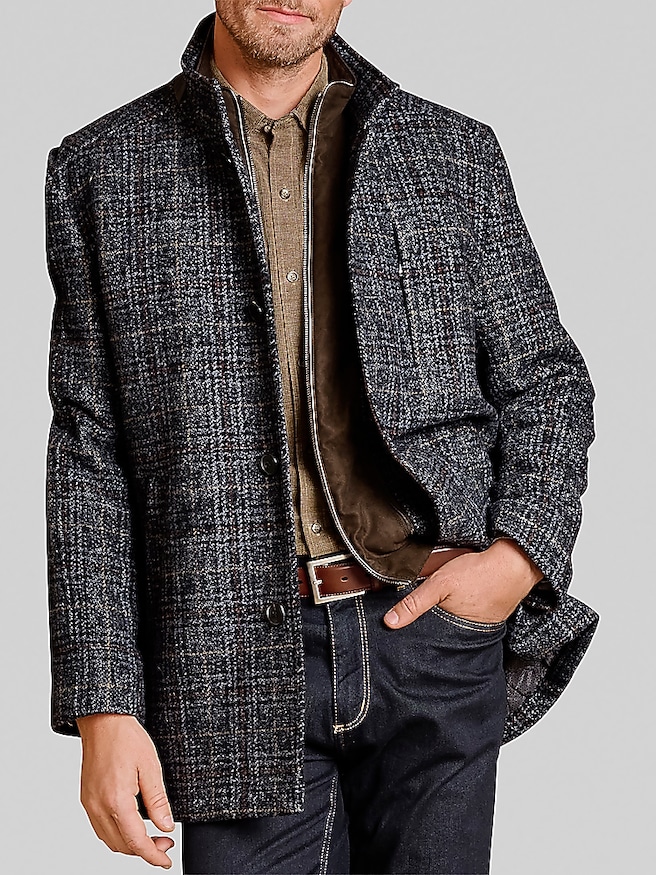
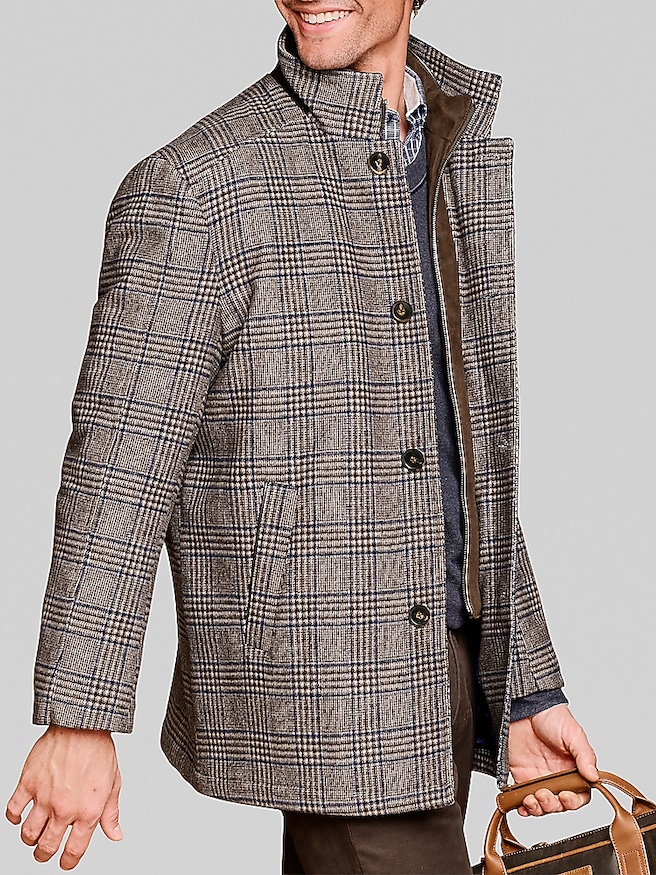
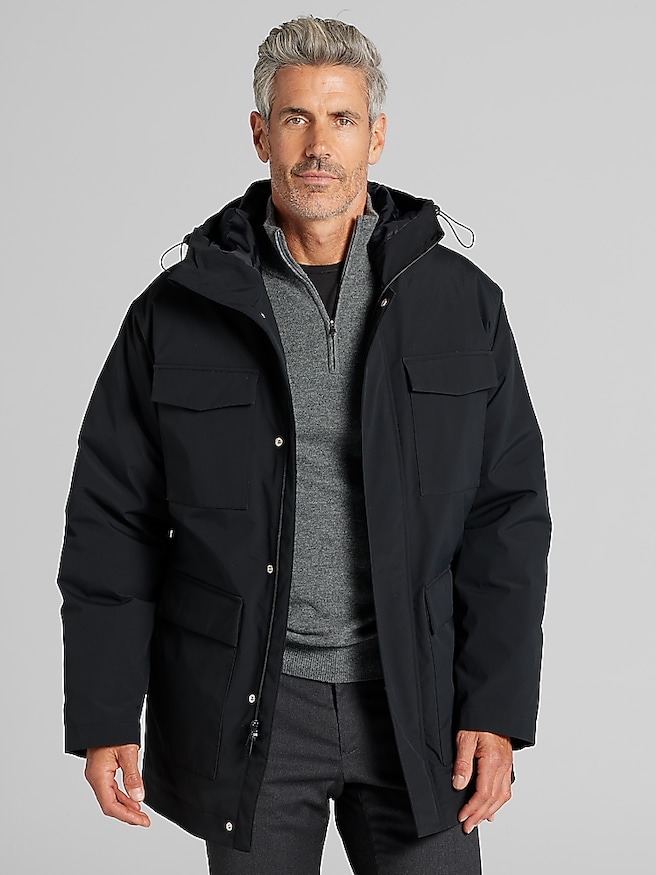
Winter men’s coats bring together warmth, coverage, and the right silhouette for the clothes underneath. A wool overcoat has a natural place over a suit or sport coat, with a smooth profile that works for office arrivals, evening dinners, and occasions that call for a polished appearance. A longer hem can help shield the thighs from cold air while keeping a suit jacket covered, and a structured collar frames a scarf without making the neckline feel crowded. Puffer coats serve a more casual purpose, using insulated compartments to hold warmth around the body without the weight of a heavy, densely woven coat. They pair comfortably with sweaters, jeans, and everyday boots for errands, travel, or time outdoors. Parkas generally offer extended coverage and may include insulated hoods, protective closures, and adjustable cuffs, making that style useful when wind and snow are part of the routine. These categories describe shape and construction rather than guaranteed levels of warmth: insulation, fabric, length, and how securely a coat closes all affect comfort. A short walk from a parking garage calls for something different from a long wait on an exposed train platform. Likewise, a coat worn mostly over business clothing benefits from a little more length and a shape that accommodates jacket shoulders, while an everyday casual coat can have a softer, more relaxed outline. From weekday commutes to dinner downtown, City Winter Coats complement clothing that needs to look sharp indoors and feel comfortable on the walk between destinations. Black, navy, charcoal, and brown are versatile choices because they coordinate easily with dress trousers and denim. A textured weave or understated pattern can add character without dominating an outfit. The most useful winter coat is one whose warmth, proportions, and level of formality match the places it will actually go, whether that means a daily office commute, a weekend visit with family, or an evening spent moving between a restaurant and a theater.
Materials make a noticeable difference in how a winter coat feels, handles moisture, and stands up to repeated wear. Wool provides insulating warmth and a refined surface, while wool blends can combine that character with fibers chosen for strength, shape retention, or a softer hand. Fabric weight and weave matter alongside fiber content; a dense cloth can feel substantial and limit drafts, but a wool coat should not automatically be treated as waterproof. Down insulation offers warmth with relatively little weight and can compress conveniently for travel, though untreated down loses insulating performance when it becomes wet. Synthetic insulation generally retains more of its insulating ability in damp conditions and can be a practical choice for everyday exposure to light precipitation. Neither fill type alone determines how warm a coat will be. The amount and distribution of insulation, the lining, and the design of the shell also contribute. Nylon and polyester shells are common in insulated outerwear because they can be lightweight and durable, with performance that depends on the weave, finish, and overall construction. Water-resistant or water-repellent fabric can handle limited moisture, but prolonged rain or wet snow calls for protection specifically described as waterproof. Sealed seams and protective closures may be important parts of that construction. Wind protection deserves attention, too: a substantial front closure, a storm flap, and cuffs that sit comfortably at the wrists can reduce the drafts that make an otherwise warm coat feel insufficient. Useful details are often easiest to appreciate in ordinary situations. A secure inside pocket keeps essentials close while boarding a train; lined hand pockets offer a comfortable place for cold fingers; a hood with a stable fit is less distracting on a windy sidewalk. Reinforced pocket openings, neatly finished seams, and sturdy buttons or zippers contribute to durability where a coat gets the most handling. Lightweight construction is convenient for carrying a coat through an airport, while a heavier fabric may provide the drape and substance preferred for dressier wear.
Fit gives those materials and details room to do their job. A winter coat should accommodate the layers typically worn beneath it without pulling across the upper back, compressing insulation, or leaving excessive space where cold air can circulate. Over a suit, the shoulder area needs enough ease to preserve the jacket’s shape, and the coat should close comfortably across the chest without strained buttons or a stretched zipper. With a thick sweater underneath, reaching forward, sitting down, and bending the elbows should still feel natural. Sleeves need to cover the wrists with arms relaxed, without extending so far that they interfere with the hands. A longer coat provides more coverage, but its hem and any back vent should allow an easy walking stride and comfortable seating. These proportions matter just as much for someone heading to an important meeting as for someone carrying grocery bags or helping load a car. Scarves, gloves, and sturdy footwear complete the outfit, with enough space at the neckline for a scarf that does not force the collar open. Care supports both appearance and longevity. The care label is the starting point, since wool fabrics, insulated fills, linings, and protective finishes can require distinct cleaning methods. Many tailored wool coats need professional cleaning, while some insulated coats permit machine washing under specific conditions. Down requires thorough drying according to the label to prevent damp clumps, and high heat can damage certain fabrics or finishes. A broad, supportive hanger helps a structured coat retain its shoulders; allowing a damp coat to dry fully before storage helps protect its condition. Prompt attention to a loose button or a separating seam can prevent a small problem from becoming a larger repair. Winter coats can also make thoughtful gifts for a partner, parent, graduate, or frequent traveler, especially when the recipient’s usual size, layering habits, and daily routine are understood. A coat suited to that routine becomes more than an occasional extra layer: it is a dependable part of getting dressed for cold days, with enough comfort and versatility to earn repeated use.