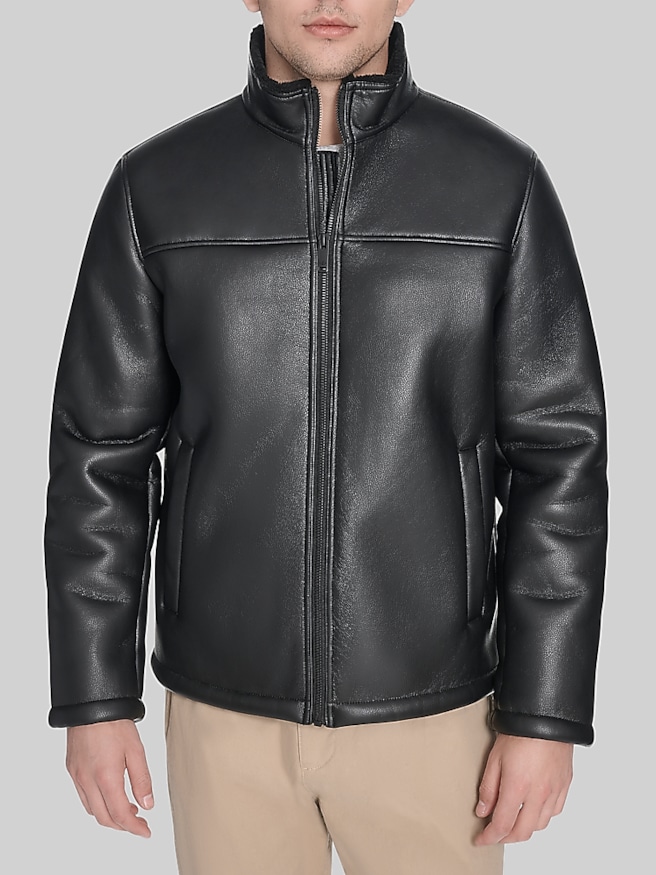
Men’s casual winter jackets bring warmth and everyday versatility to the clothes worn most often, from jeans and flannel shirts to chinos and crewneck sweaters. The category spans quilted puffers, insulated utility jackets, fleece styles, wool-blend outerwear, and longer parkas, each with a distinct balance of coverage, weight, and texture. A puffer’s stitched compartments help distribute insulation, creating a comfortable buffer against cold air without necessarily adding much weight. Down insulation offers substantial warmth for its weight and compresses easily, while synthetic insulation generally maintains more insulating ability when damp and can be practical in changeable weather. Neither fill type alone determines how warm a jacket feels; insulation quantity, shell construction, coverage, and fit also matter. Canvas utility jackets have a firmer, workwear-inspired character that pairs naturally with denim and boots. Some include brushed or insulated linings, though an unlined canvas shell provides much less warmth. Waxed finishes can help shed light moisture, but they should not be mistaken for waterproof construction. Fleece feels soft and comfortable during a brisk walk or an afternoon outdoors, although many fleece fabrics allow wind through unless paired with a protective shell. Wool and wool-blend jackets offer a more structured alternative, with texture that looks at home over a knit polo or an Oxford shirt. Longer insulated parkas provide additional coverage around the hips and seat, a useful feature when waiting on a windy train platform or watching an outdoor game. Shorter bomber and blouson shapes allow easy movement and can feel less cumbersome while driving. During the cooler months, these distinctions make casual outerwear more useful than a single description of “warm” suggests. A jacket worn between the driveway and the office serves a different purpose from one worn for an hour-long walk, even when both need to look relaxed and put together. The most suitable construction reflects that daily routine as much as the temperature outside.
Fabric and fit shape how a winter jacket performs once it becomes part of that routine. Nylon and polyester shells can offer a smooth, lightweight exterior, but their resistance to wind and moisture depends on the weave, coating, and overall construction. Water-resistant fabric can handle brief exposure to light precipitation; sustained rain calls for waterproof construction, including attention to seams and closures. A hood provides useful coverage when weather shifts, and adjustability helps keep it from slipping over the eyes or catching every gust. Stand collars, storm flaps, and cuffs that close comfortably at the wrist help limit drafts without requiring an especially bulky silhouette. Pocket placement matters, too: hand pockets should be easy to reach, while secure closures help keep keys and a phone contained when sitting down or stepping out of a car. For a comfortable fit, there should be enough space for the layers normally worn underneath without excessive fabric bunching through the chest or back. A jacket that feels right over a T-shirt may become restrictive over a substantial sweater. Reaching forward, bending the elbows, and sitting down reveal more about mobility than standing still in front of a mirror. Shoulder seams should sit comfortably where the design intends, sleeves should cover the wrists with the arms relaxed, and the hem should not ride up sharply with ordinary movement. Longer cuts add protection but need sufficient room through the hips, especially when fastened. A two-way zipper, when included, can make a longer jacket easier to wear while seated. For everyday outfits, matte shells and understated quilting create a relaxed finish, while wool textures and clean collars bring a little more structure. Navy, charcoal, olive, and brown work easily alongside familiar denim washes and neutral knitwear. Related silhouettes in men’s stylish winter jackets offer another direction for outfits that bridge casual plans and more polished settings, with proportions and surface texture doing much of the styling work.
Durability comes from the relationship between fabric, construction, use, and care rather than thickness alone. A substantial canvas exterior may suit frequent contact with rough surfaces, while a lightweight quilted shell benefits from extra care around sharp edges and abrasive straps. Even stitching, secure pocket attachments, and smoothly operating zippers are practical details in outerwear that gets pulled on several times a day. High-contact areas such as cuffs, collars, and pocket openings often collect dirt first, so timely cleaning can help keep a jacket looking presentable without unnecessary full washes. The care label remains the starting point because insulation, linings, finishes, and trim can require distinct treatment. Some synthetic-filled jackets are machine washable, while wool blends and structured styles may call for professional cleaning. Down needs appropriate washing and thorough drying according to its care instructions so that the fill can regain loft rather than remain compressed in damp clumps. Fabric softeners and unsuitable detergents can interfere with certain technical finishes, and waxed cotton typically requires specialized maintenance instead of an ordinary wash cycle. Outerwear should dry fully before storage, with enough room to avoid prolonged compression of insulated sections. Those habits support the everyday usefulness of a jacket, whether it belongs to a commuter, a student walking across campus, or someone whose weekends involve neighborhood errands and sideline gatherings. As a gift, casual winter outerwear feels especially thoughtful when it reflects the recipient’s climate, usual layers, and preferred length. Someone who spends most of the day indoors may appreciate a lighter jacket that is easy to carry, while someone who walks regularly in exposed areas may value a protective hood and deeper coverage. A familiar color and an uncomplicated silhouette can make the jacket easier to work into an established wardrobe. Warmth should still match the conditions: a casual fleece or lightly insulated jacket is not a substitute for outerwear designed for prolonged exposure to severe cold. With suitable materials, comfortable layering room, and care matched to its construction, a casual winter jacket becomes a dependable part of getting dressed for cold mornings, breezy afternoons, and everyday plans.