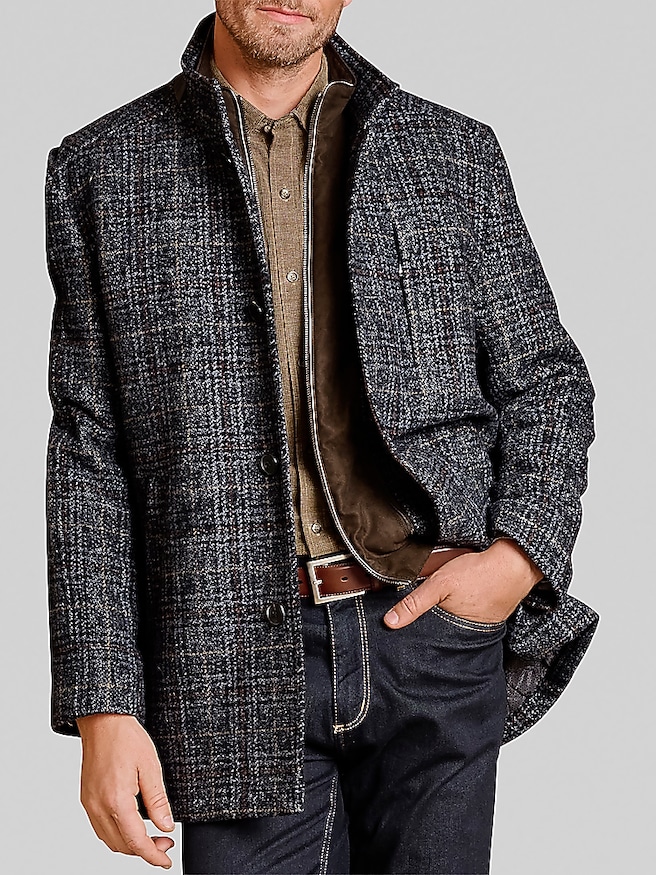
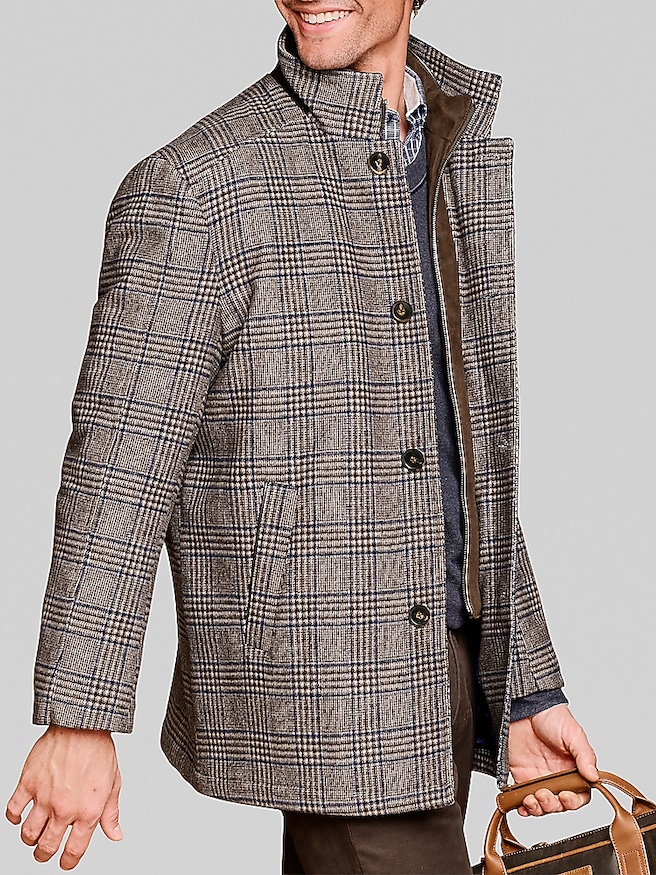
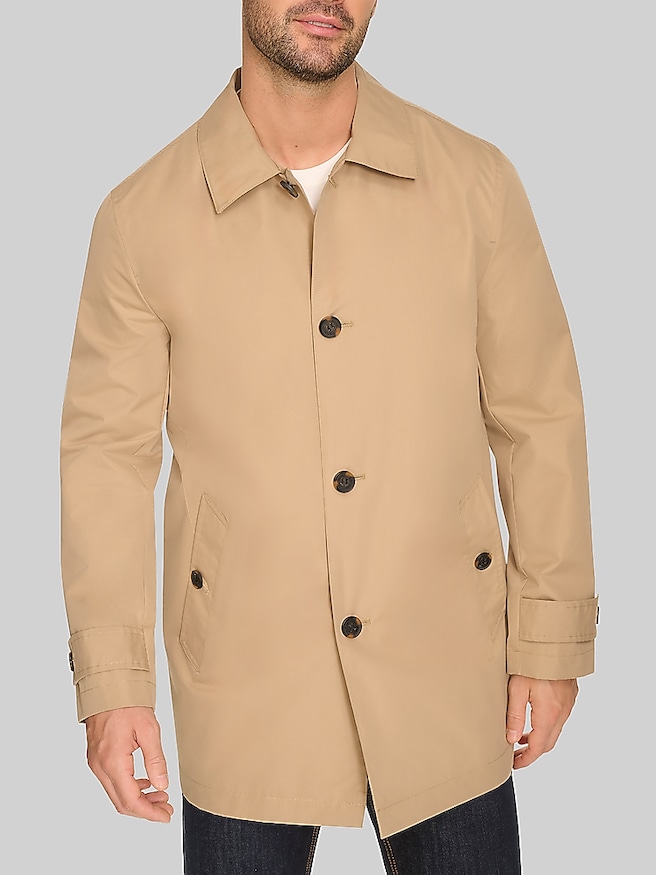
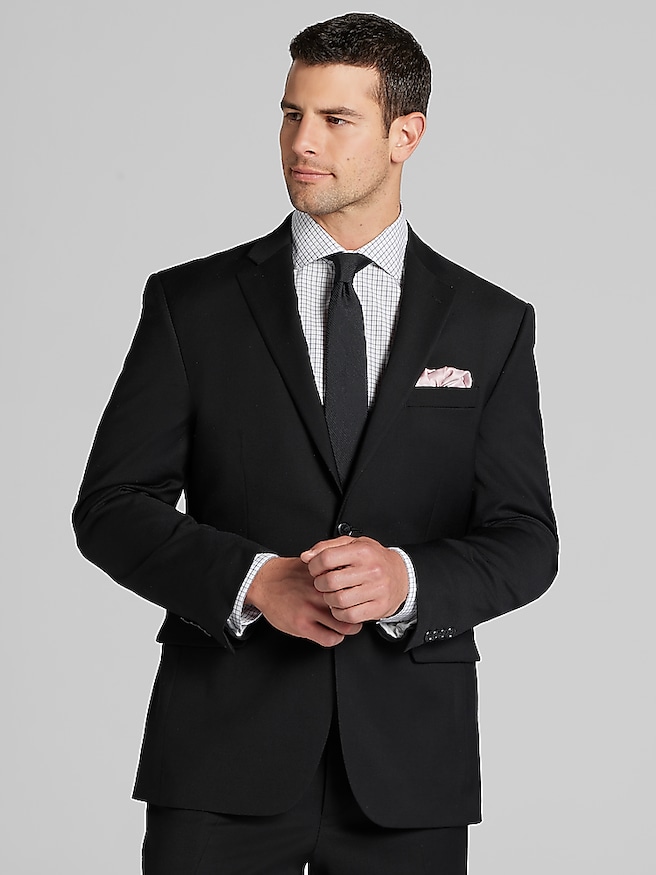
Men’s stylish winter jackets bring together cold-weather comfort, practical protection, and a shape that works with the clothes underneath. The most useful styles look as natural over a sweater and jeans as they do alongside tailored trousers and leather boots, with details that suit the setting rather than compete with it. Wool-blend jackets offer a textured, structured appearance for office commutes, dinner reservations, and occasions that call for something more polished than everyday outerwear. Insulated puffers have a sportier character, using quilted compartments to distribute insulation while adding dimension to a simple outfit. Parkas typically provide longer coverage and functional features such as adjustable hoods, covered closures, and roomy pockets, making them useful for extended stretches outdoors. No single silhouette provides the right balance for every climate or routine: a short walk from a parking garage calls for something quite distinct from a windy wait on a train platform. Jacket length makes a noticeable difference in both comfort and proportion. A hip-length style allows easy movement when driving or sitting, while a longer cut adds coverage through the seat and upper legs. When worn over tailoring, outerwear generally looks more balanced when it covers the hem of the suit jacket beneath it. Color also shapes how a winter jacket fits into a wardrobe. Navy, charcoal, black, and earthy brown tones pair easily with familiar winter fabrics, including denim, corduroy, flannel, and wool trousers. Olive adds character without requiring a bold outfit, while a lighter neutral can create a clean contrast against dark pants. Matte finishes tend to feel understated; a subtle sheen gives quilted outerwear a more athletic edge. For relaxed outfits built around knitwear, denim, and everyday boots, Men's Casual Winter Jackets offer a closely related direction. Whether the setting is a workday commute or a weekend gathering, a stylish jacket earns its place through proportions, comfortable movement, and details that make sense for the way it will be worn.
Materials determine much of how a winter jacket feels, handles moisture, and holds up to repeated wear. Wool provides natural insulation and a distinctive surface texture, while wool blends can combine that character with added strength or easier maintenance, depending on their composition. A dense wool fabric can help buffer a breeze, but it should not be mistaken for a waterproof shell. Down insulation offers substantial warmth for its weight and compresses readily, making it appealing when bulky layers feel cumbersome. Its performance depends on the amount and quality of the fill as well as the jacket’s construction; fill power alone does not establish overall warmth. Synthetic insulation generally retains more insulating ability when damp and can be practical in changeable conditions. Shell fabrics matter just as much. Nylon and polyester are common choices for lightweight outerwear, with resistance to abrasion and moisture varying by fabric, finish, and construction. Water-resistant finishes can help with brief exposure to light precipitation, while dependable protection in sustained rain requires a waterproof construction, including attention to seams and closures. Warmth also comes from limiting the paths through which cold air enters. A high collar, close-fitting cuffs, an adjustable hem, and a storm flap can improve comfort on a blustery sidewalk without adding much visual bulk. A hood provides extra coverage, though its fit and adjustability matter when turning the head or looking across traffic. Breathability becomes more important during brisk walks, crowded commutes, or frequent transitions between heated buildings and the outdoors. Someone who spends most of the day moving may prefer moderate insulation with room for layers; someone standing outside for long periods may value greater coverage and more substantial insulation. Pocket placement deserves equal attention. Hand pockets should be easy to reach, and secure interior storage can keep small essentials close without interrupting the jacket’s lines. These details help distinguish outerwear that merely looks substantial from outerwear that feels comfortable throughout an ordinary winter day.
Fit gives all of those materials and features their finished appearance. A winter jacket needs enough space for the clothing it will cover, but excess fabric through the shoulders and torso can make even a thoughtfully styled outfit look bulky. Over a fine-gauge sweater, a streamlined cut may sit comfortably; over a blazer or chunky knit, that same cut may pull across the upper back or bind under the arms. A useful fit allows the wearer to reach forward, sit down, and bend the elbows without a tight zipper line or sleeves that ride far up the wrists. Shoulder seams should sit cleanly on styles with set-in sleeves, while raglan and dropped-shoulder designs have their own intended shape. Sleeves should provide wrist coverage without swallowing the hands, and the collar should close comfortably over the layers normally worn beneath it. Durability is easier to appreciate in everyday details: neatly finished seams, firmly attached buttons, smooth-running zippers, and reinforced high-contact areas all support repeated use. Care practices help preserve both appearance and performance. The care label takes priority, since wool outerwear, insulated jackets, and treated shells can require quite distinct cleaning methods. Many structured wool styles need professional cleaning, while some insulated designs can be washed according to specific instructions. Thorough drying is especially important for insulation, and excessive heat or unsuitable cleaning products can damage fabrics and finishes. Between cleanings, brushing away surface debris where appropriate, allowing moisture to dry fully, and avoiding prolonged compression can help outerwear keep its shape. Structured jackets benefit from supportive hangers, and dry, ventilated storage helps protect them between wearing periods. As a gift, a winter jacket can be both personal and practical for a partner, parent, adult son, or close friend, particularly when the choice reflects a familiar routine and preferred fit. The jacket worn to an office, on neighborhood walks, or during weekend travel should feel like an extension of the wearer’s wardrobe: warm enough for its intended use, comfortable over everyday layers, and polished without needing special effort.