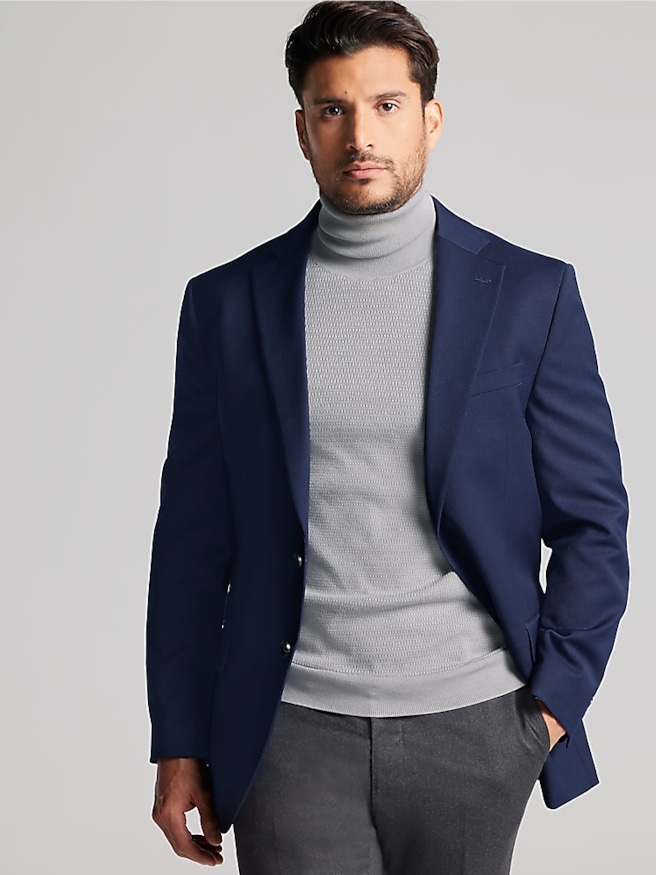
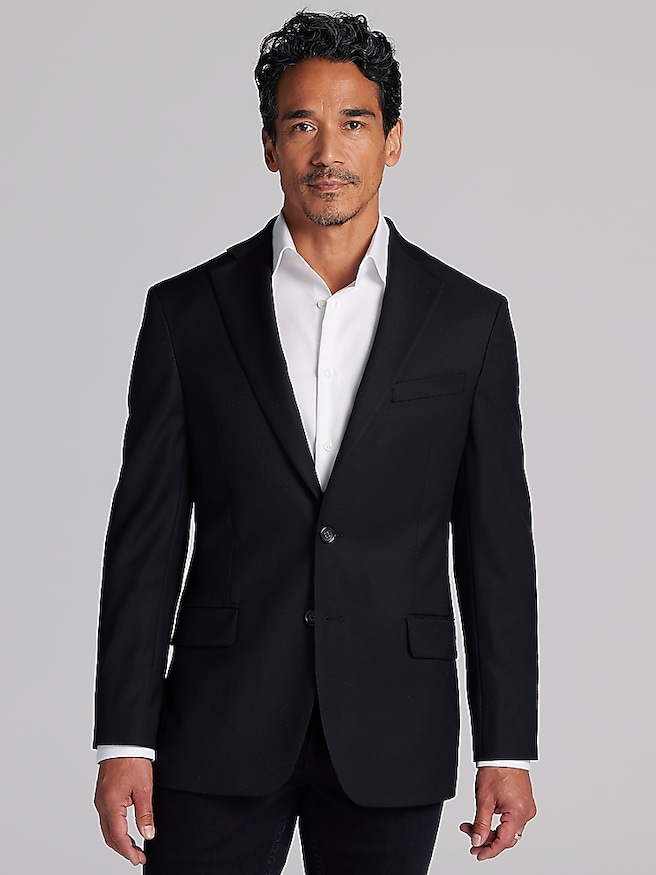
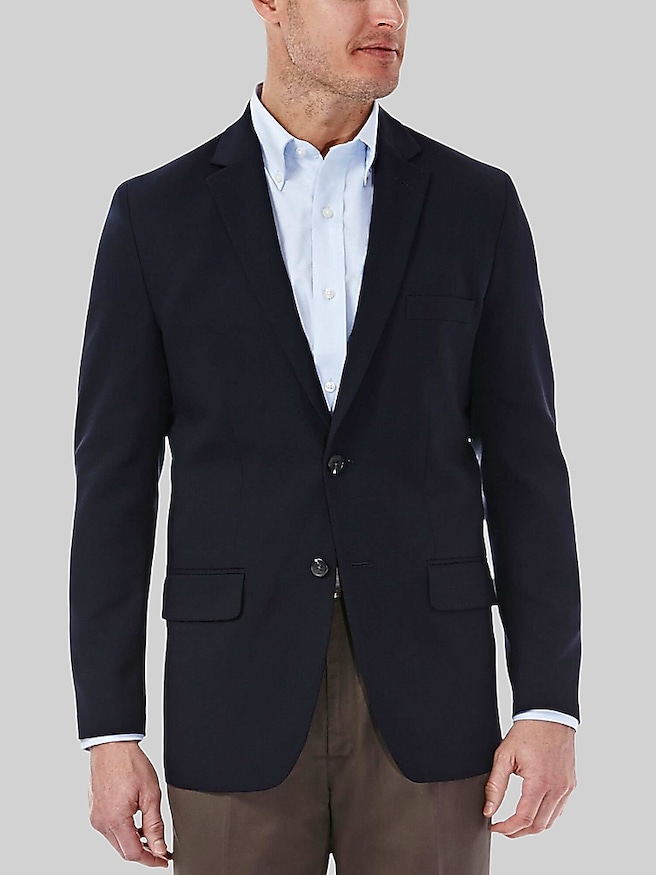
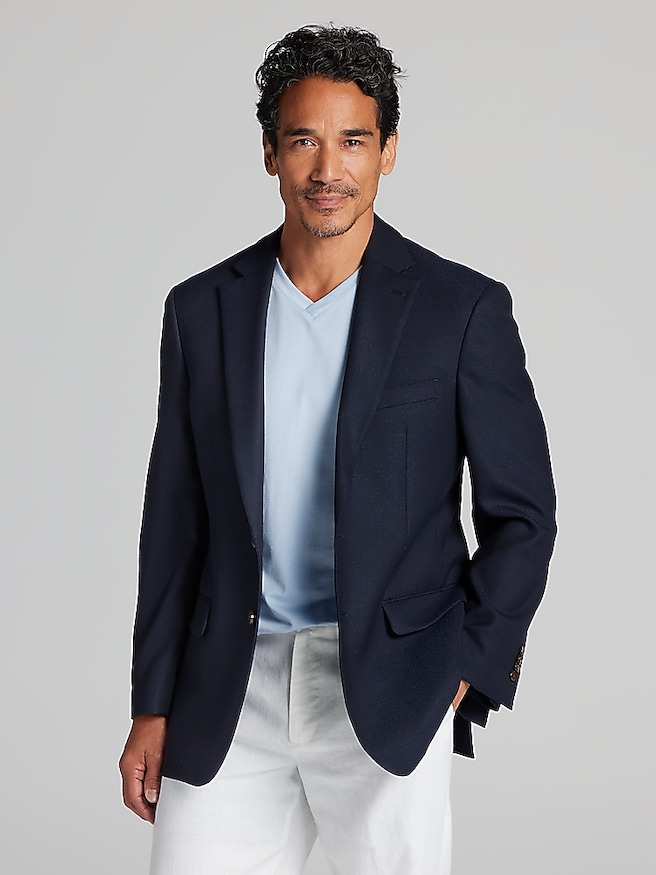
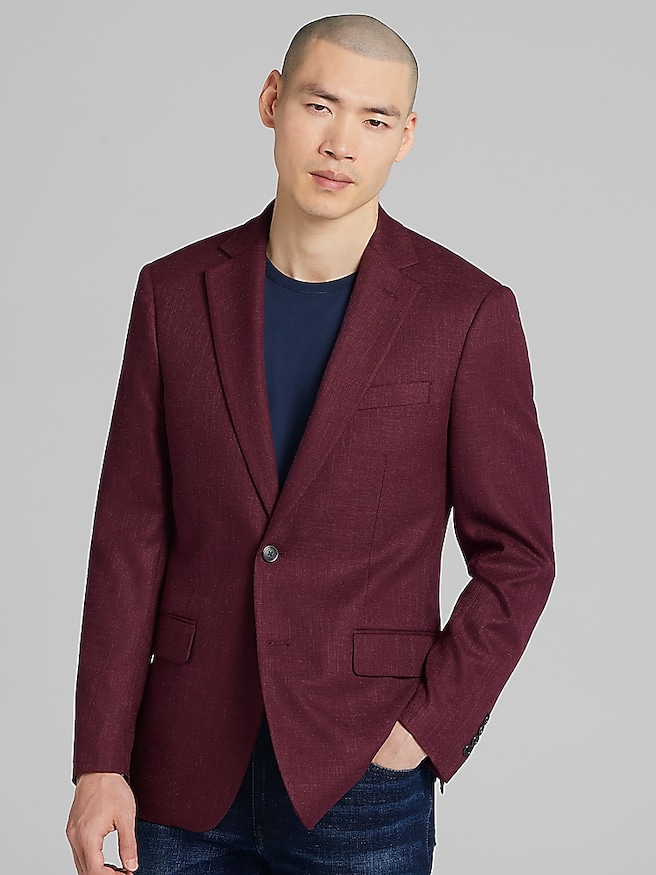
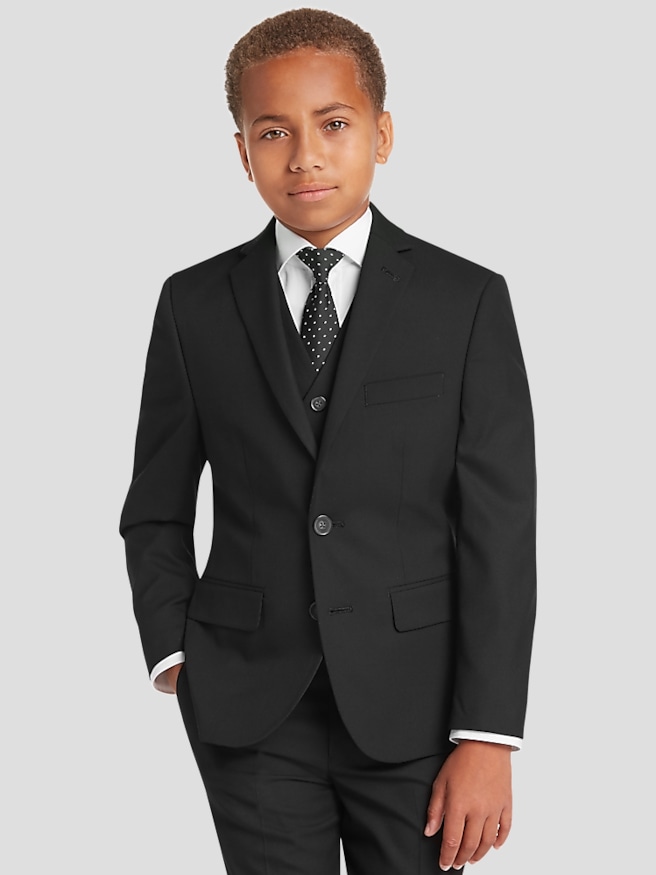
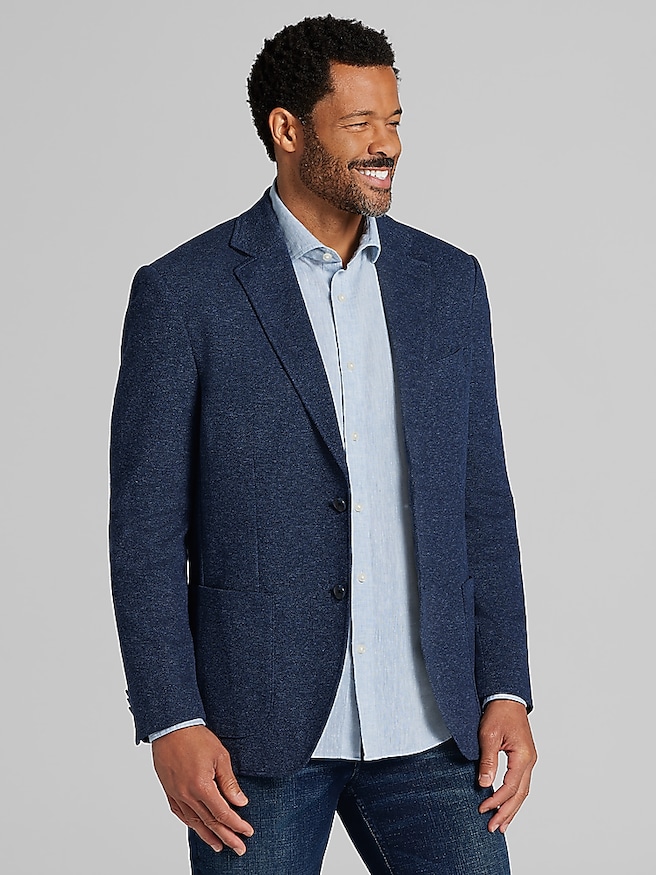
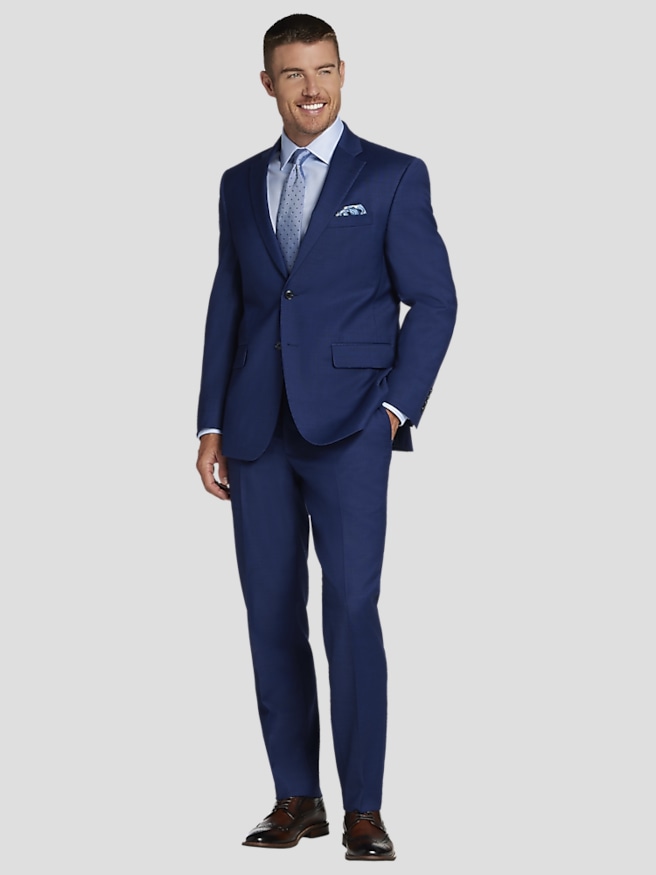
Flap pocket coats pair a tailored appearance with pockets covered by a small panel of fabric, giving the front of the garment a clean, defined finish. The flap typically sits over a pocket opening at the hip, although some designs place a flap over a patch pocket sewn onto the outside of the coat. This detail appears on everything from sport coats and suit jackets to substantial outerwear, so the pocket style alone does not determine warmth, weight, or formality. Instead, it adds a familiar tailoring element that can look crisp with dress trousers or relaxed with dark denim. A flap helps cover the pocket opening and conceal small contents, but it is not a locking closure or a substitute for a buttoned or zippered compartment. On a tailored coat, horizontal flaps create a steady line across the hips; angled pockets introduce a slightly more dynamic look. The size of the flap matters, too: a narrow panel feels understated, while a broader one makes the pocket a more noticeable part of the design. Compared with an uncovered welt or jetted pocket, a flap pocket has a little more visual presence without necessarily making the garment casual. An exposed patch pocket usually brings a softer, more relaxed character, making Patch Pocket Blazers another useful option for wardrobes built around separates. Flap pocket coats work especially well for men who move between professional and social settings, such as an office day followed by dinner or a daytime celebration that continues into a cool evening. Navy, charcoal, brown, and muted earth tones offer easy starting points for combining shirts, knitwear, and trousers. Subtle checks or a herringbone weave add depth without requiring bold accessories. A coat with balanced proportions and restrained details can become a dependable finishing layer, whether the rest of the outfit is a fine-gauge sweater and chinos or a dress shirt with neatly pressed wool trousers.
Fabric and construction shape how a flap pocket coat feels throughout the day. Wool offers warmth, breathability, and natural resilience, making it a familiar choice for cooler-weather tailoring and outerwear. Its performance depends on the weave, fabric weight, lining, and overall construction: a lightweight wool sport coat serves a much different purpose than a dense wool overcoat. Wool blends can combine wool's texture with qualities such as added strength or a softer hand, depending on the fibers used. Cashmere blends may provide a particularly soft feel, while cotton twill offers a drier texture and a more casual appearance. Textured cloth can make everyday creasing less conspicuous, though no fabric is immune to wear. A smooth lining helps a coat slide over shirts and sweaters, and room through the sleeves becomes especially important when layering. For a tailored jacket, the shoulder line should generally sit close to the natural shoulder, with enough ease across the upper back to reach forward comfortably. Outerwear needs additional space for the clothing beneath it, so the most useful fit check includes the layers likely to be worn on an ordinary cold day. With the front fastened, the lapels should lie smoothly rather than bow outward, and the fabric around the closure should not pull into a pronounced X. Pocket flaps should rest flat when the pockets are empty; flaring can signal strain through the hips or too much bulk inside. Sleeve length also depends on purpose. A tailored jacket can leave a small amount of shirt cuff visible, while an outer coat generally extends farther to cover the jacket underneath. Walking, sitting, and reaching for a bag reveal more about comfort than standing still in front of a mirror. A longer coat provides more coverage over the seat and thighs, while a shorter silhouette may feel less cumbersome during a commute that involves frequent sitting. Back vents can improve movement, but their usefulness depends on the cut and the layers beneath the coat.
Daily habits help preserve both the shape of a flap pocket coat and the crisp appearance of its pockets. Bulky keys, an overfilled wallet, or a large phone can pull at the pocket opening and leave the front looking uneven. Keeping exterior pockets lightly filled allows the flaps to sit as intended and reduces repeated stress on the stitching. Small valuables are better placed in an appropriate interior pocket or a separate bag, especially when moving through a busy station or crowded event. Care should follow the garment label rather than assumptions based on appearance. Many structured wool coats require professional cleaning, while some less structured cotton or blended garments permit other methods; the stated instructions take priority. Between cleanings, a soft garment brush can lift surface dust from suitable wool fabrics, and airing the coat in a ventilated space helps it freshen after wear. A broad, supportive hanger protects the shoulder shape better than a thin wire hanger. If the coat becomes damp, allow it to dry naturally away from direct heat before putting it into a closet. Avoid pressing pocket flaps aggressively at home, since excessive heat or pressure can leave shine or visible impressions on some fabrics. Secure buttons, neat pocket corners, and sound lining seams are practical signs to monitor over time, and small repairs made early can keep minor wear from becoming a larger problem. Intended use is just as important as upkeep. For a client meeting, a smooth flap pocket sport coat over a light shirt creates a composed impression without distracting details. For a weekend dinner, a textured coat with a knit top and clean leather shoes feels considered but comfortable. Outdoor arrivals call for sufficient fabric weight and coverage, not simply a tailored outline. As a gift, a flap pocket coat is most successful when the recipient's measurements, usual layers, and preferred silhouette are known. Someone who regularly wears jackets may appreciate room for tailoring underneath, while someone with a casual wardrobe may favor a softer construction that works easily with everyday clothes.