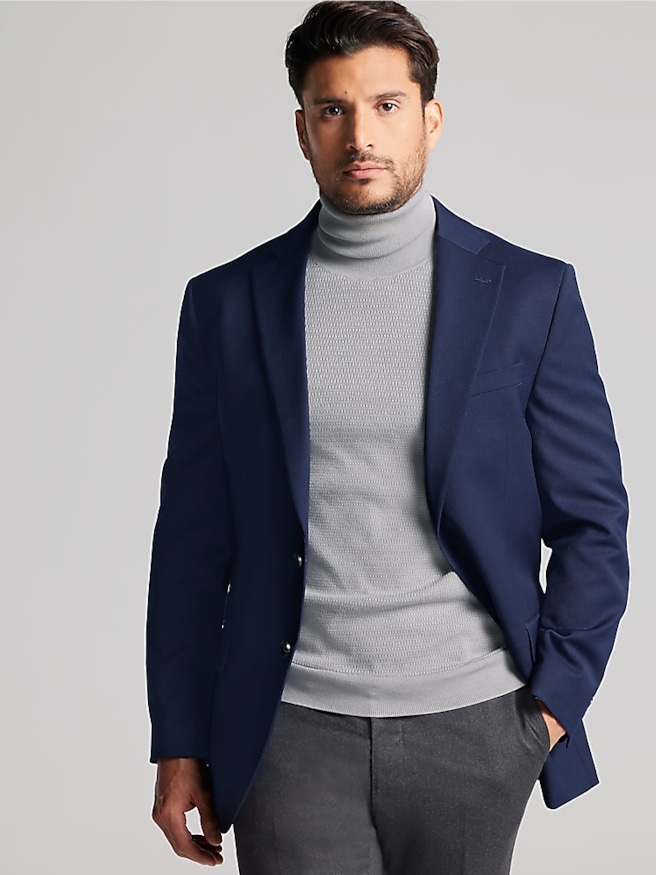
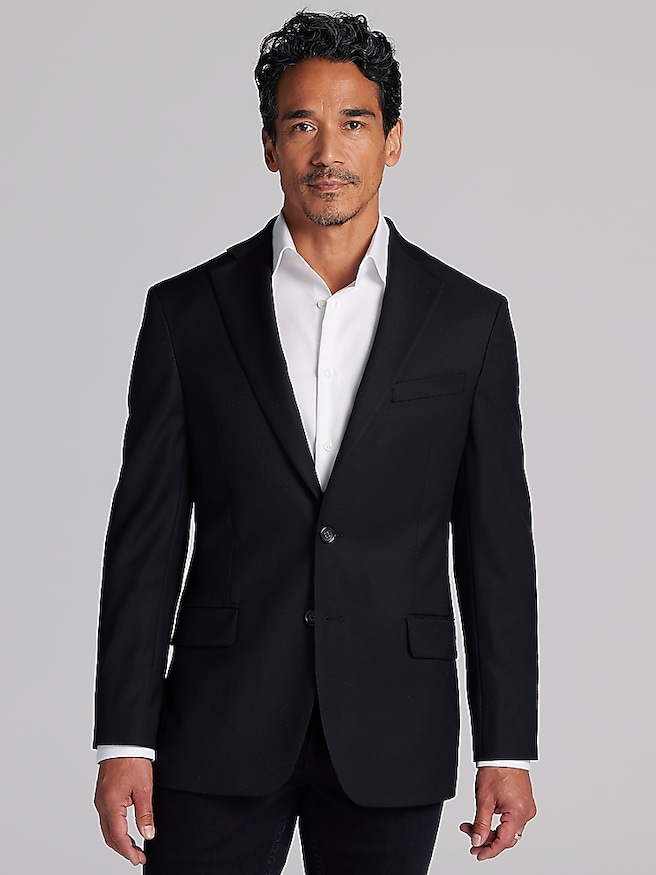
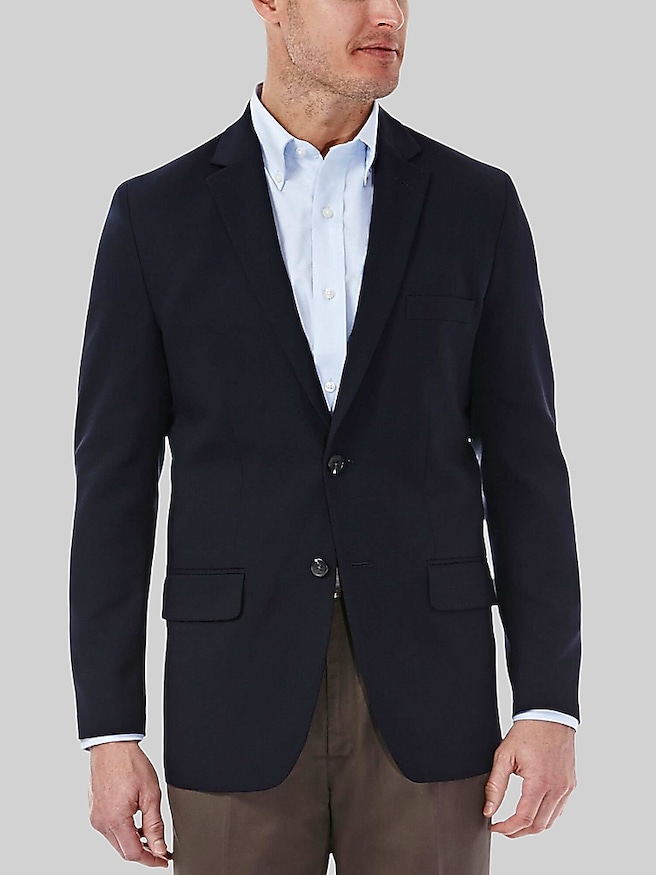
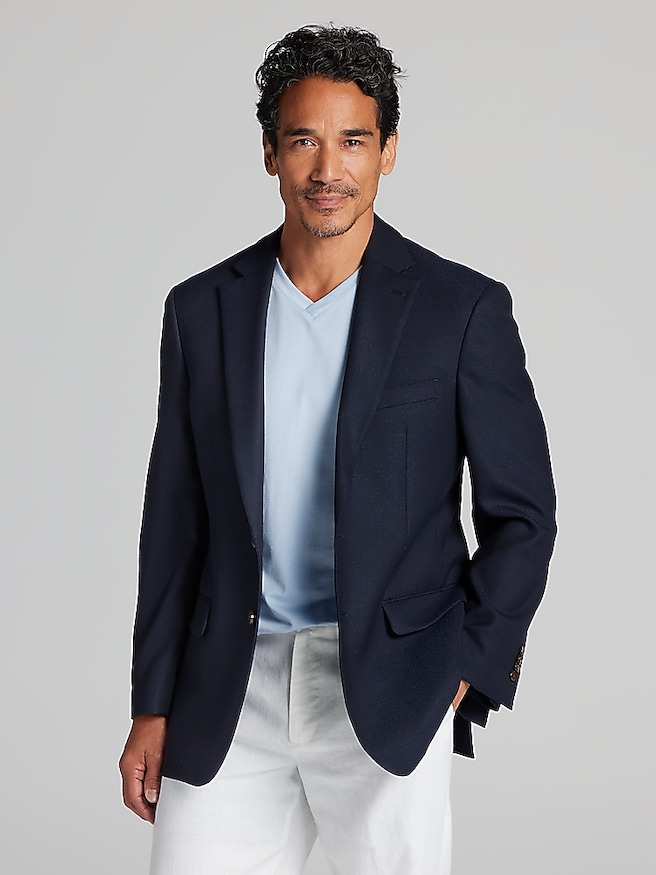
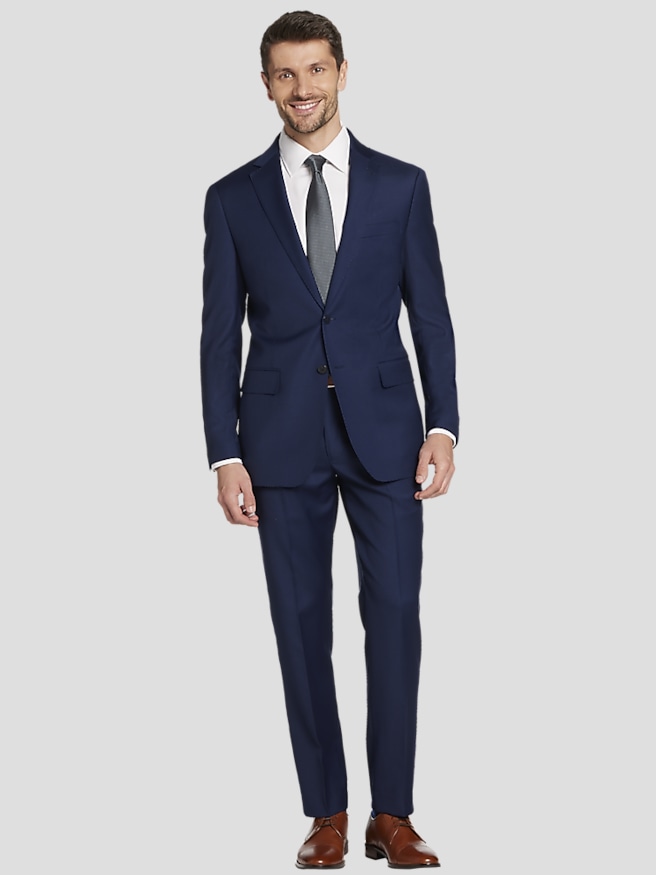
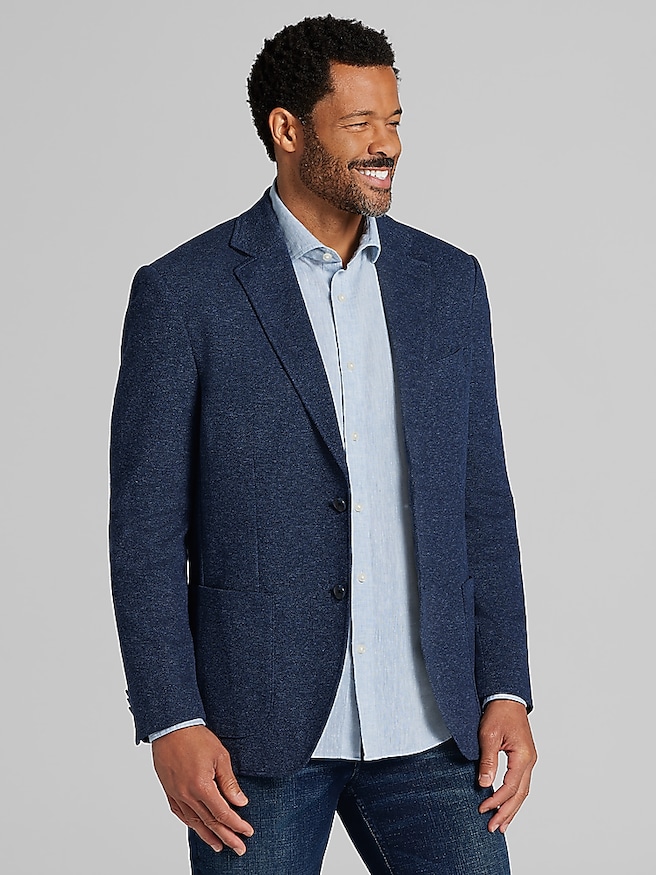
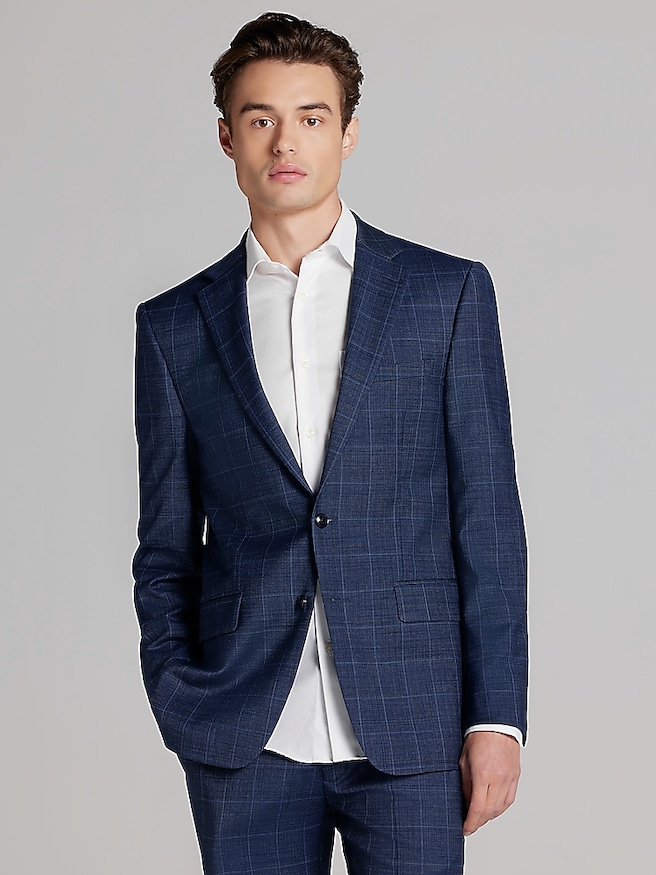
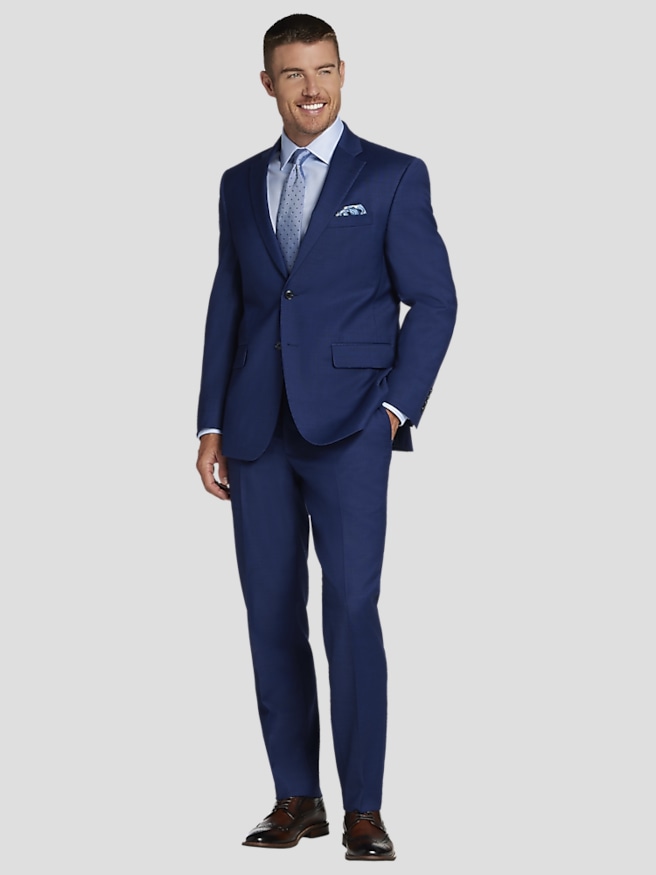
Patch pocket blazers bring an easygoing character to tailored dressing. Unlike welted or flap pockets, patch pockets are made from fabric pieces sewn directly onto the outside of the jacket, creating a clean, visible detail with a relaxed, sporty feel. That construction makes a blazer look less formal than a traditional suit jacket while preserving the structure that gives tailoring its polish. For many men, this balance is what makes a patch pocket blazer such a useful addition to a wardrobe: it can sharpen a pair of jeans for dinner, add texture to chinos for a family gathering, or pull together trousers and a button-down for a business-casual setting. The silhouette is especially appealing during the transition into cooler weather, when a lightweight jacket can be layered over an Oxford shirt, fine-gauge sweater, or knit polo without feeling overly dressed. As the temperature drops, a roomier cut can accommodate a merino sweater beneath it, while a wool-rich fabric offers warmth and a refined surface suited to dinners, celebrations, and evening events. The relaxed pocket treatment also pairs naturally with softer tailoring, such as an unstructured shoulder, partial lining, or gently shaped fit. When choosing among patch pocket blazers, consider the impression you want the jacket to make. A darker solid color and smoother cloth can move comfortably between the office and evening plans, while a lighter shade or visible weave tends to feel more casual and seasonal. Texture matters, too: brushed wool, cotton blends, linen blends, and other softly finished fabrics can each create a different level of visual depth. A patterned option can add personality without requiring a bold shirt or accessories; explore Patterned Blazers for another way to build interest into a tailored outfit.
Fit should remain the first consideration, because even the most appealing fabric will not look its best if the jacket sits poorly. The shoulder seam should rest close to the natural edge of the shoulder without drooping or pinching, and the collar should lie flat against the shirt collar when you move. A blazer that closes comfortably across the chest gives you room to sit, reach, and layer, but excessive fabric at the front can make the silhouette appear loose rather than relaxed. The sleeves should reveal a small amount of shirt cuff, and the jacket hem generally looks most balanced when it covers the seat without extending far below it. Pay attention to the patch pockets as you try on a style: they should sit flat, align evenly, and complement the proportions of the jacket. Because they are sewn on the outside, patch pockets can appear more prominent than other pocket styles, particularly on a slim blazer or a jacket with a high-contrast fabric. Their casual design is also less forgiving of bulky contents. Keep phones, keys, wallets, and other essentials light, and avoid filling the pockets until they bow outward or pull on the front of the jacket. A compact card case or a slim wallet can help preserve the clean line; heavier items are better carried in a bag. Color coordination is straightforward when the blazer is treated as a separate rather than part of a matching suit. Navy works with gray trousers, khaki chinos, denim, and cords, while gray can be paired with dark denim, navy trousers, or earth-tone layers. Brown, olive, camel, and other muted shades can bring warmth to outfits during the cooler months. If the jacket has a pattern, echo one subtle color from it in the shirt, knitwear, or pocket square rather than matching every detail exactly. A crisp shirt and leather loafers make the look sharper, while a fine sweater and clean sneakers keep it comfortably modern.
Patch pocket blazers can also make thoughtful gifts for a man who enjoys dressing well but does not want clothing to feel complicated. They suit a range of lifestyles, from someone building a first versatile wardrobe to a seasoned dresser who appreciates relaxed tailoring for weekends and informal gatherings. Before choosing one as a gift, consider his usual proportions, preferred colors, and the clothes already hanging in his closet. A neutral jacket is often the easiest starting point because it can be worn with several trousers and layered through multiple seasons. If he spends much of his time in a casual office, a soft blazer may offer the polish of tailoring without feeling out of place beside chinos and knit shirts. If he attends dinners, receptions, or family events, a more structured fabric and deeper color can provide a dependable option that still feels less rigid than a full suit. Care instructions deserve attention as well. Fabrics vary widely, so follow the garment label for cleaning, pressing, and storage, and use a broad hanger that supports the shoulders. After wearing the jacket, give it time to air before placing it in a closet, and brush away surface lint or dust with a gentle clothes brush. Steam can help relax minor wrinkles, but avoid pressing directly over raised textures or patch pockets without checking the care guidance. During early fall and the cooler stretch that follows, a blazer can move from crisp daytime air to heated indoor spaces with ease when paired with breathable layers underneath. The result is clothing that feels personal rather than precious: a jacket picked up for a long lunch, worn over a sweater on a walk, then carried into an evening gathering where its texture and easy shape still look considered. With thoughtful fit, restrained pocket loading, and versatile styling, patch pocket blazers offer a practical way to make everyday outfits feel complete.