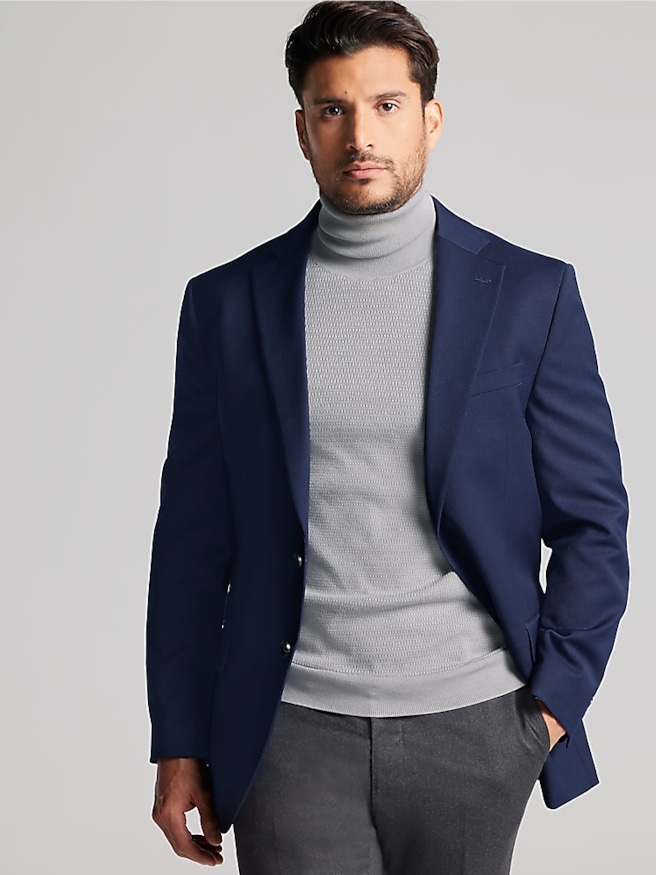
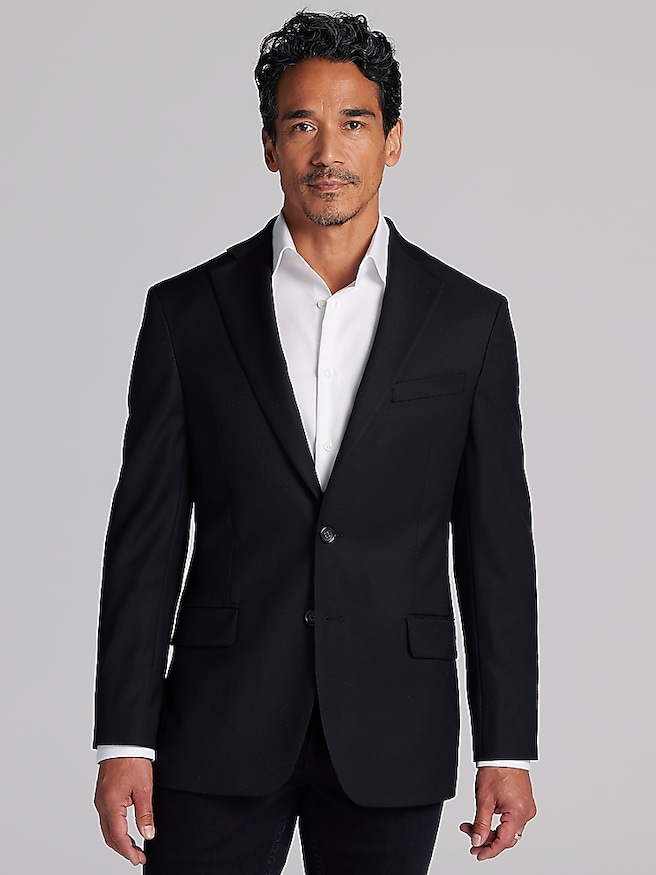
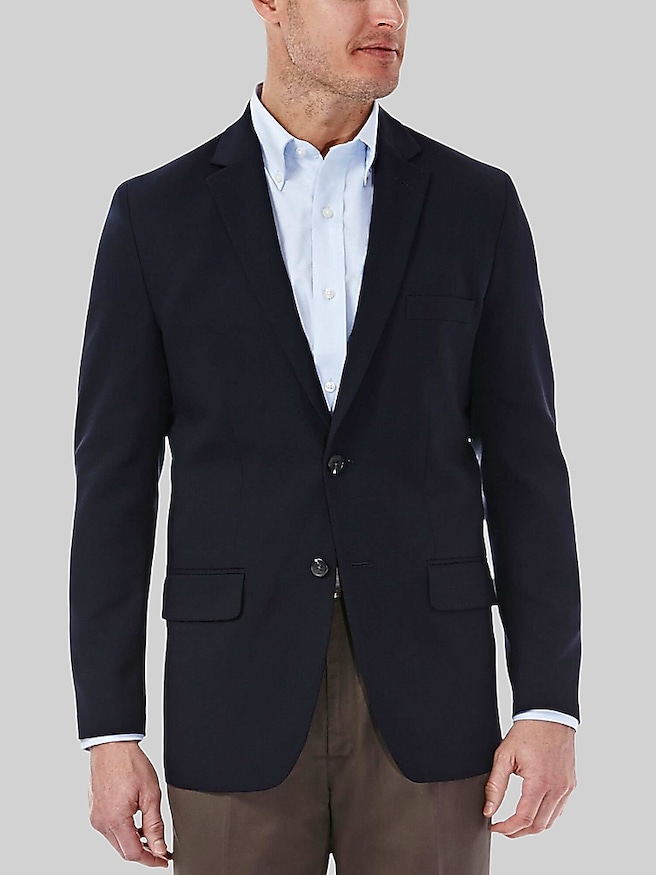
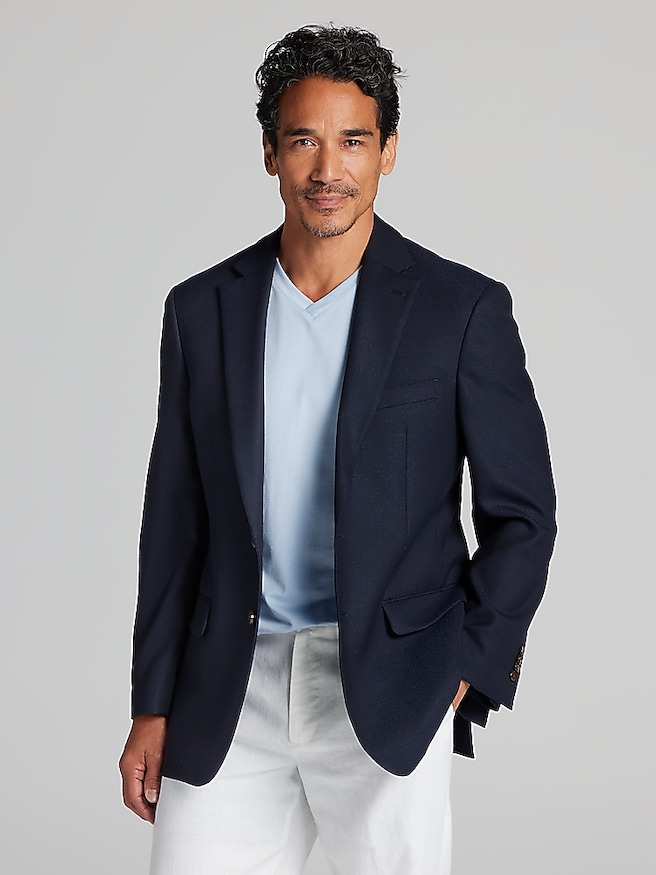
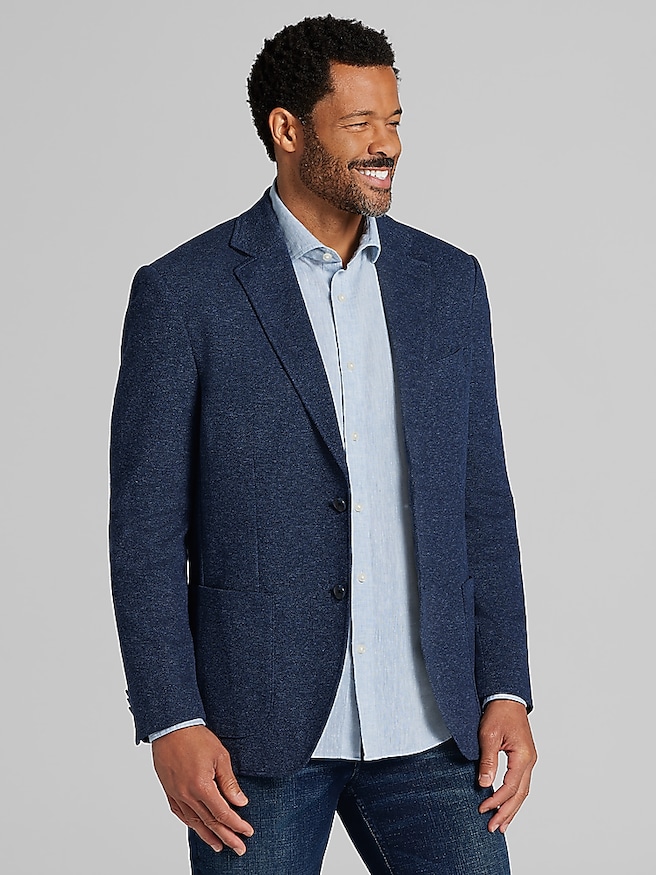
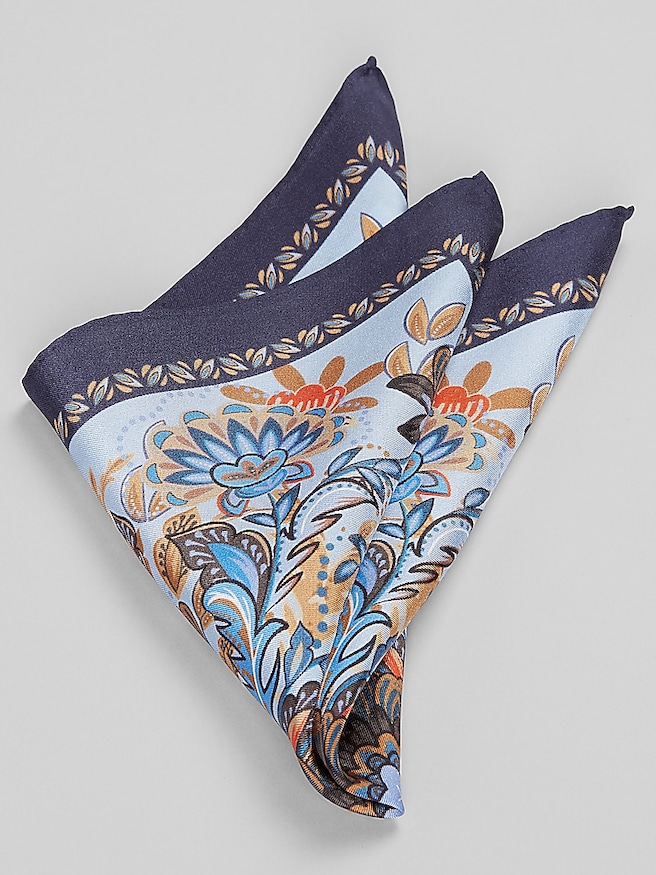
Blazers with pockets combine the clean lines of a tailored jacket with useful space for small essentials, making them a versatile choice for office days, dinner reservations, celebrations, and relaxed weekend plans. Pocket construction helps define both the appearance and the purpose of a blazer. Flap pockets have a fabric cover over the opening and suit a broad range of settings, from a business lunch to an evening gathering. Patch pockets are sewn onto the outside of the jacket, giving the front a more casual, sporting character that pairs naturally with chinos, textured trousers, or dark denim. Jetted pockets have narrow, neatly finished openings with no exterior patch or covering flap, creating a cleaner look often associated with dressier tailoring. A chest pocket adds another styling option, with room for a pocket square that brings a little color or texture above the lapel. Interior pockets, when included, can keep a few cards or another slim essential out of sight. Not every visible pocket opening leads to usable storage, however; some designs include decorative pockets, while others have functional pockets temporarily stitched closed to help maintain the jacket’s shape before wear. Construction details and the garment description help distinguish the two. If a working pocket is basted shut, a tailor can remove the temporary stitching without damaging the surrounding fabric or permanent seams. The most useful pocket arrangement depends on how the jacket will be worn. Someone moving between meetings may appreciate discreet interior storage, while someone dressing for a casual dinner may prefer the relaxed appearance of generous patch pockets. In either case, pockets work best for lightweight objects rather than a bulky wallet or a heavy bundle of keys. Excess weight can pull the jacket off balance, stretch a pocket opening, and interrupt the smooth line of the front. A blazer looks more polished when its pockets support the outfit without becoming the most noticeable feature.
Fabric and fit determine how comfortably a pocketed blazer moves through the day and how well it holds its shape over time. Wool is a classic tailoring material because of its resilience, breathability, and ability to drape smoothly, although the weight and weave make a substantial difference in how warm a jacket feels. Fine, smooth wool can look crisp with dress trousers, while a textured weave brings visual depth to everyday outfits. Cotton often has a more relaxed appearance and a firmer hand, with creasing that can become part of its casual character. Linen is light and airy, with a naturally rumpled finish that suits less formal dressing. Blended fabrics may combine qualities such as softness, shape retention, and ease of movement; stretch fibers can add flexibility, but they do not replace a well-proportioned fit. During the cooler months, a medium-weight blazer can sit comfortably over a fine-gauge sweater or under an overcoat, provided there is enough room through the chest, shoulders, and upper arms. Lining and internal construction also influence the feel. A fully lined jacket can slide more easily over a shirt or knit, while partial lining may create a lighter wearing experience. Shoulder seams should sit close to the natural shoulder, and the lapels should lie against the chest rather than bow outward. With the jacket buttoned as intended, the front should close without pronounced pulling, and the pocket openings should remain flat rather than gape. Sitting at a desk, reaching for a door, or lifting an arm to a shelf can reveal tightness that is less obvious while standing still. Sleeves should allow comfortable movement and, when paired with a dress shirt, can leave a small amount of cuff visible. Jacket length and overall balance matter as much as the size label. A tailor can assess adjustments to sleeves or the waist, but the shoulders and the placement of pockets are more complex to alter successfully.
The appeal of blazers with pockets is how easily they connect practical dressing with personal style. A navy or charcoal blazer with a smooth finish can bring cohesion to a button-down shirt and contrasting trousers without the matching construction of a suit. Earth tones, subtle checks, and softly textured fabrics create a more relaxed impression, especially with an open-collar shirt, a knit polo, or a lightweight sweater. Patch pockets reinforce that easygoing look, while flap or jetted pockets can keep the same basic outfit feeling sharper. For an office presentation followed by dinner, a blazer with restrained detailing offers continuity without requiring a complete change of clothes. For a celebration with a dress code that allows separates, a pocket square can add a finishing touch without needing to match a tie exactly. A blazer is not a substitute for every level of formal dress, so the occasion’s expectations still matter. Exploring Stylish Blazers can help put pocket details in the broader context of color, texture, and silhouette. Thoughtful care helps preserve those details. Emptying pockets after wear reduces ongoing strain on the fabric, and a broad, shaped hanger supports the shoulders between outings. Allowing the jacket to air out before putting it away can keep it feeling fresher, while a soft clothing brush may remove surface dust from suitable fabrics. The care label should determine whether professional cleaning, spot treatment, or another method is appropriate; a washable fiber does not necessarily make a structured jacket machine washable. Pressing also requires care around pocket flaps, seams, and lapels, where excessive heat or pressure can leave shine or unwanted impressions. Secure stitching, clean pocket edges, and a stable lining are useful signs of careful construction, though longevity also depends on wear and maintenance. As a gift for a graduate, a partner, or someone stepping into a new professional role, a pocketed blazer can be both useful and personal when the recipient’s measurements, preferred fit, and everyday wardrobe are known. Its lasting value comes from comfortable proportions, purposeful details, and a style that feels natural each time it is worn.